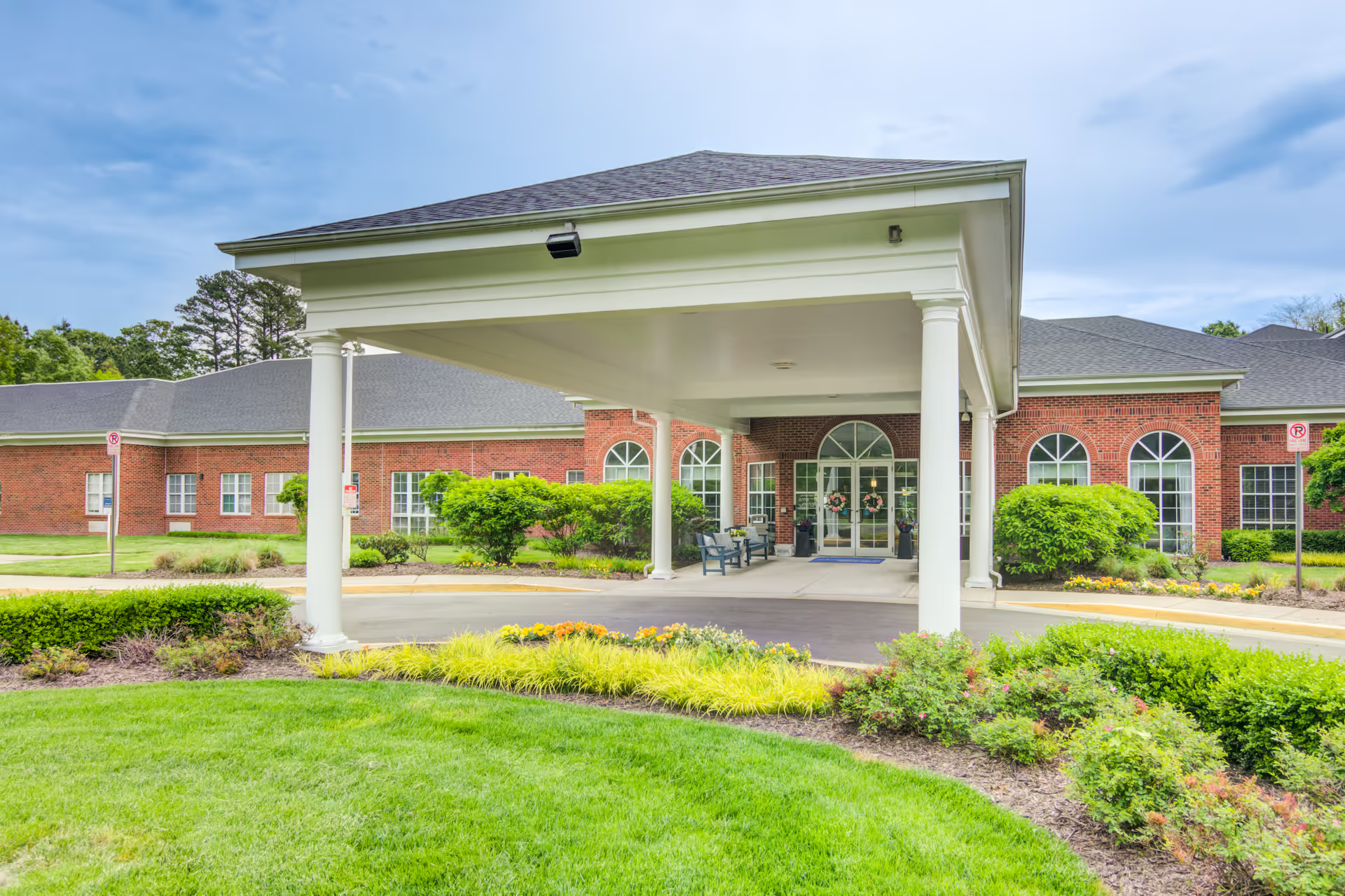
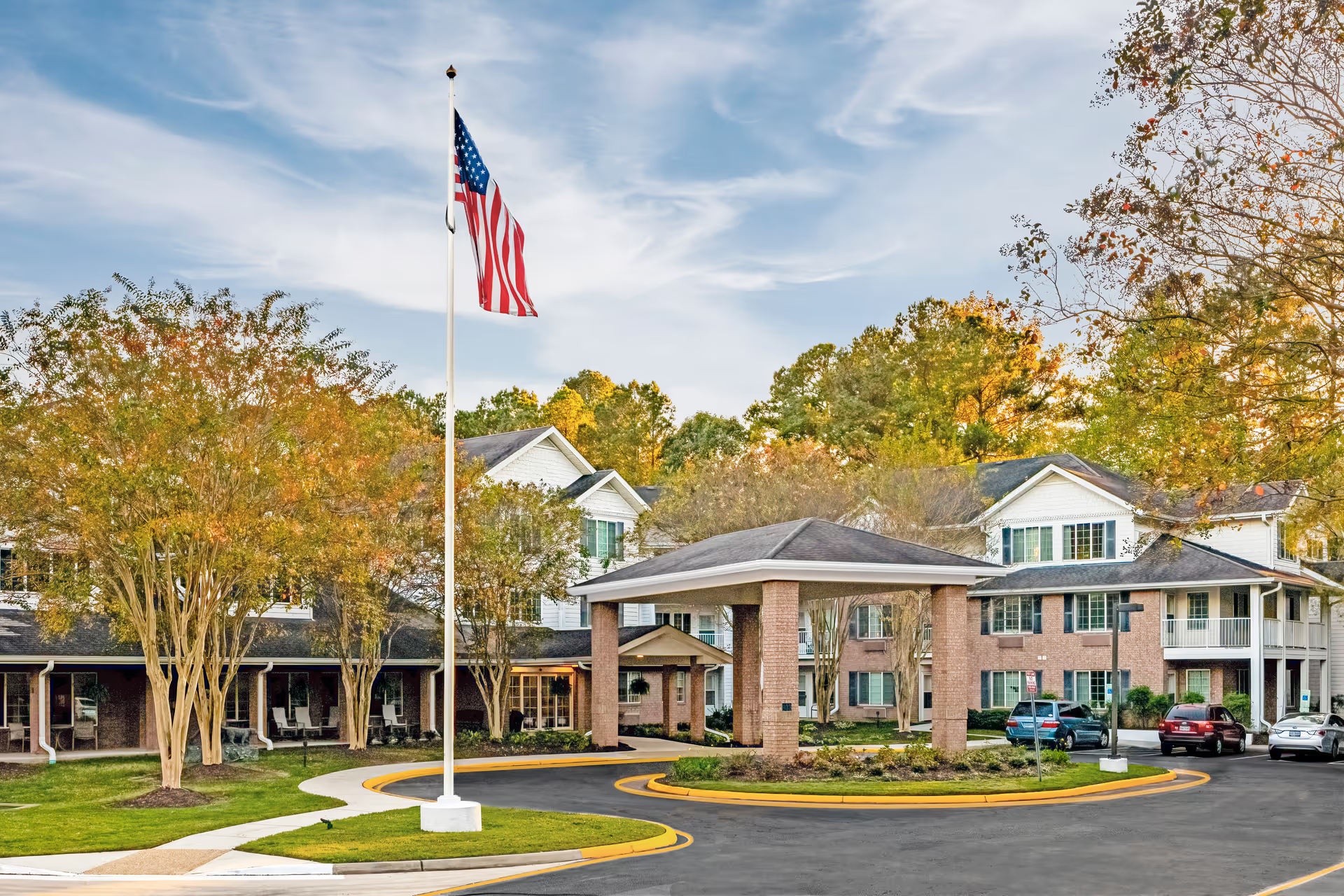
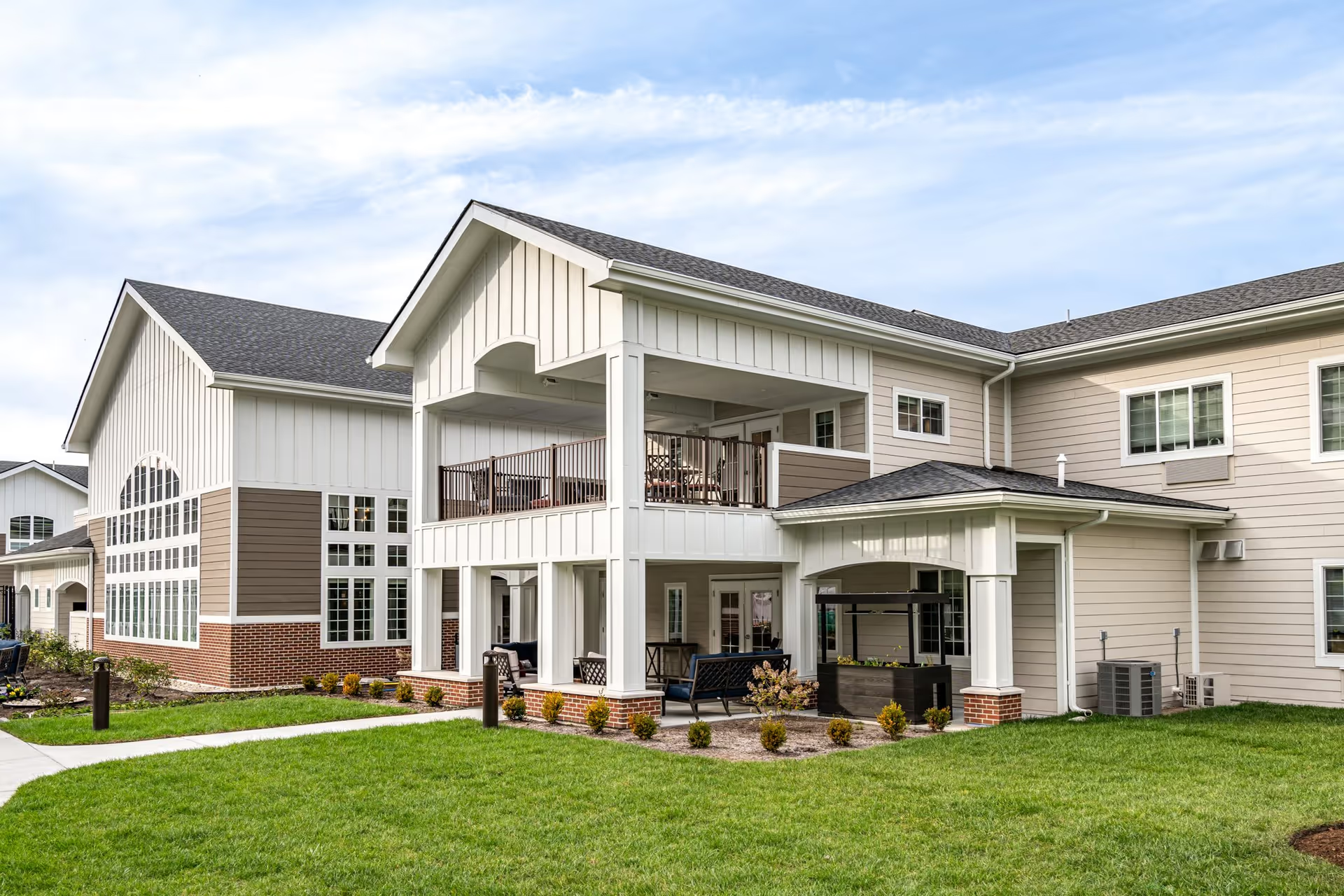
Lake Prince Woods presents a mixed picture. On the positive side, the campus offers well-maintained grounds, attractive housing options including cottages, and a range of on-site amenities such as a movie theater, library, and fitness facilities. Dining is frequently praised for quality and menu variety, and several accounts highlight a pleasant dining room and strong cafeteria service. Practical conveniences such as included utilities and internet, regular transportation programs, and active volunteer involvement contribute to an engaged community atmosphere.
Care and staffing receive divergent assessments. Many comments describe compassionate, responsive caregiving—staff who engage residents, respond quickly to requests, and provide comforting support during family visits and end-of-life situations. The facility also advertises 24/7 nursing presence and offers rehabilitation services that some families credit with measurable improvement. At the same time, there are substantive operational concerns centered on the higher-acuity side of the campus. Reviews indicate inadequate staffing ratios in extended- and memory-care units, gaps in supervision and assistance with activities of daily living, and concerns about medication-management practices. These issues are tied to inconsistent experiences in personal care and supervision for residents requiring greater support.
Memory-care programming and oversight emerge as a notable area of tension. While some families single out individual memory-care staff as kind and effective, other accounts describe limited activity programming tailored to memory-impaired residents and broader shortcomings in specialized dementia-care operations. Related concerns include privacy and surveillance-policy gaps and allegations of financial misconduct by staff; the latter is a serious allegation that some families raised and that would warrant investigation by prospective families and regulators.
Management, culture, and workplace practices are another recurring theme. Positive accounts emphasize a family-like community and staff who mourn with residents and support families. Conversely, other accounts raise questions about leadership responsiveness, complaint handling, and personnel practices—examples include abrupt terminations, perceived discriminatory behavior toward staff, and a sense that financial priorities sometimes influence care decisions. The facility’s fee structure is perceived as relatively high by multiple families, which, combined with the operational issues noted above, leads some to question value for cost.
For prospective residents and families: Lake Prince Woods offers many campus-level strengths—pleasant grounds, robust amenities, generally good dining, and pockets of strong caregiving and rehabilitative support. However, families considering higher levels of care should investigate current staffing levels, dementia-care programming, medication-management procedures, privacy policies, and the facility’s processes for addressing complaints and investigating serious concerns. Asking for recent staffing metrics, medication-audit protocols, examples of memory-care programming, and references from current families in the extended-care neighborhoods can help clarify whether the facility’s strengths are consistently applied across all care levels.