Overall impression: Review narratives emphasize a strongly positive culture of caregiving at Bainbridge Senior Living Madison Avenue House. Many families and residents describe staff as kind, respectful, and attentive; they praise nurses, med‑techs, dining and front‑desk teams for professional, compassionate interactions. Leadership is viewed as engaged and detail‑oriented, and reviewers frequently note consistent clinical practices across the operator's sites.
Care and staff: The dominant theme is reliable, person-centered care. Reviewers highlight individualized attention, staff who know residents' preferences, and coordinated outreach to families and primary care providers when concerns arise. Several accounts specifically commend end‑of‑life and hospice support, describing staff who prioritize comfort and dignity. At the same time, there are occasional notes of uneven responsiveness and gaps in attention to specific residents; this suggests variability in day‑to‑day consistency rather than a uniform pattern of poor care.
Dining and activities: Dining is a clear strength for many reviewers — food is described as varied, nutritious, and restaurant‑quality, with dining‑room staff contributing to a home-like atmosphere. A full calendar of activities, outings, and social programming is also repeatedly mentioned as a positive contributor to residents' quality of life. That said, a minority of responses express dissatisfaction with meals, indicating some inconsistency in culinary experience across different residents or time periods.
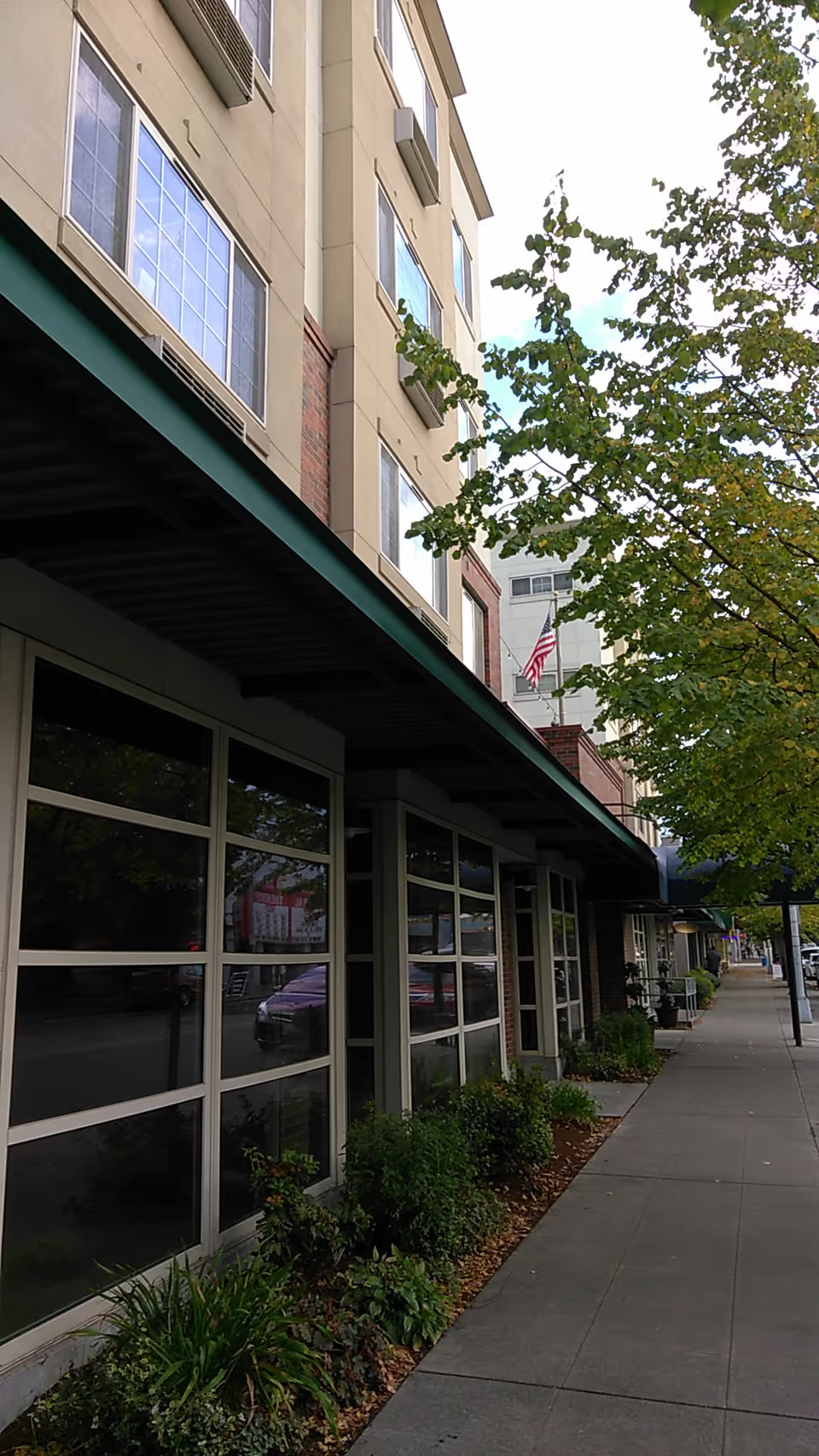
Facilities and amenities: The property is frequently described as clean, well kept, and updated. Reviewers appreciate on-site conveniences such as the salon and pleasant views. Sanitation and housekeeping are generally highlighted as strengths.
Management and communication: Leadership receives praise for clear communication and hands-on involvement; families note good coordination with medical providers and proactive outreach. However, criticisms center on uneven family communication and information updates (including public postings), occasional opaqueness around additional services and associated charges, and unclear procedures for transitions or discharge decisions. These operational issues represent the primary areas for improvement and may benefit from standardized protocols for billing consent, information posting, and transition planning.
Notable patterns: The aggregate picture is of a community with strong interpersonal care, appealing dining and activities, and well‑maintained facilities, supported by engaged leadership. Counterbalancing that are intermittent operational inconsistencies — particularly around communication, billing transparency, and service continuity — which prospective families may wish to confirm during visits and contract discussions. Overall, the facility earns frequent praise for its staff and community environment, with targeted administrative refinements offering the most straightforward path to addressing the recurring concerns.