Overall impression: Reviewers present a generally favorable view of the facility’s day-to-day care environment while also identifying a set of recurring operational concerns. Many families emphasize compassionate, hands-on caregiving and a strong memory-care focus. Positive remarks consistently reference attentive CNAs and nurses available around the clock, engaged nursing leadership in the memory unit, and a staff culture that families describe as warm, respectful, and resident-centered. Several accounts highlight staff efforts to support transitions (for example after hospitalization, stroke, or during pandemic-related moves) and to involve families in care decisions.
Care quality and clinical practices: The facility is frequently praised for dementia-specific programming, individualized feeding strategies (finger foods, cut-up food for self-feeding), and consistent social and therapeutic activities that support eating, mobility, and social engagement. At the same time, some families raised concerns about clinical operations: intermittent understaffing, a stressed clinical leadership position, and instances of incomplete incident documentation or inconsistent charting. These comments suggest variability in the reliability of clinical recordkeeping and the potential for service interruptions when staffing is strained.
Staff and management: Staff receive strong positive marks for compassion, communication, and engagement with residents and families; many reviewers described proactive outreach, personalized attention, and teamwork among nursing, enrichment, and maintenance staff. However, reviewers also describe inconsistent management responsiveness—some families experienced open, collaborative leadership while others reported difficulty obtaining timely solutions or felt leadership capacity was strained. This mixed pattern suggests variability in administrative follow-through and the potential impact of staff workload on supervisory availability.
Dining and activities: The dining program is a clear strength for many families: a culinary-trained kitchen team, three meals daily, family-style dining, and frequent special/holiday dining experiences. The life-enrichment calendar is extensive, with music, yoga, art classes, outings to museums and gardens, and regular social gatherings. A few reviewers noted limitations in menu choices or personal preference dissatisfaction, indicating that menu variety and customization may be uneven for some residents.
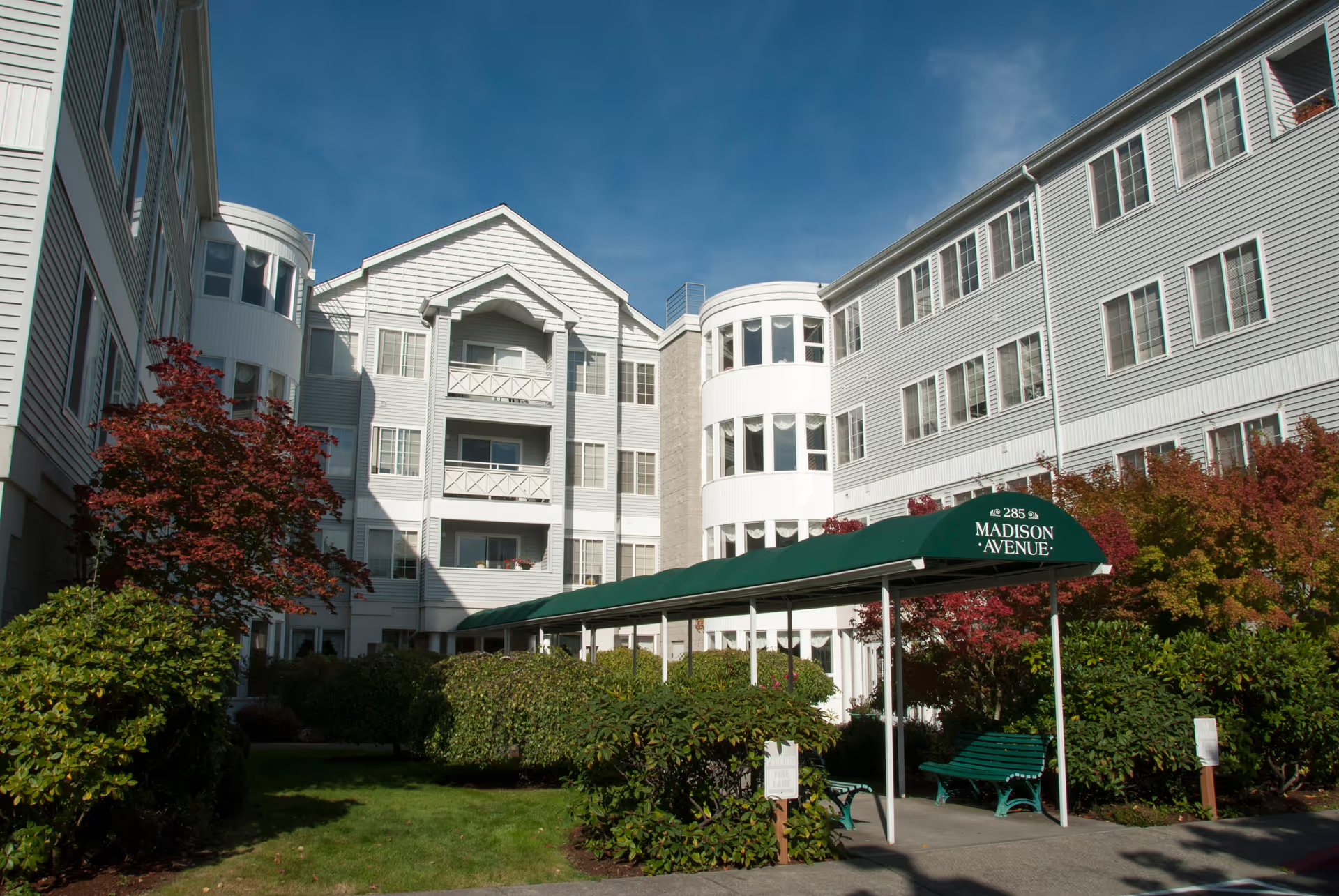
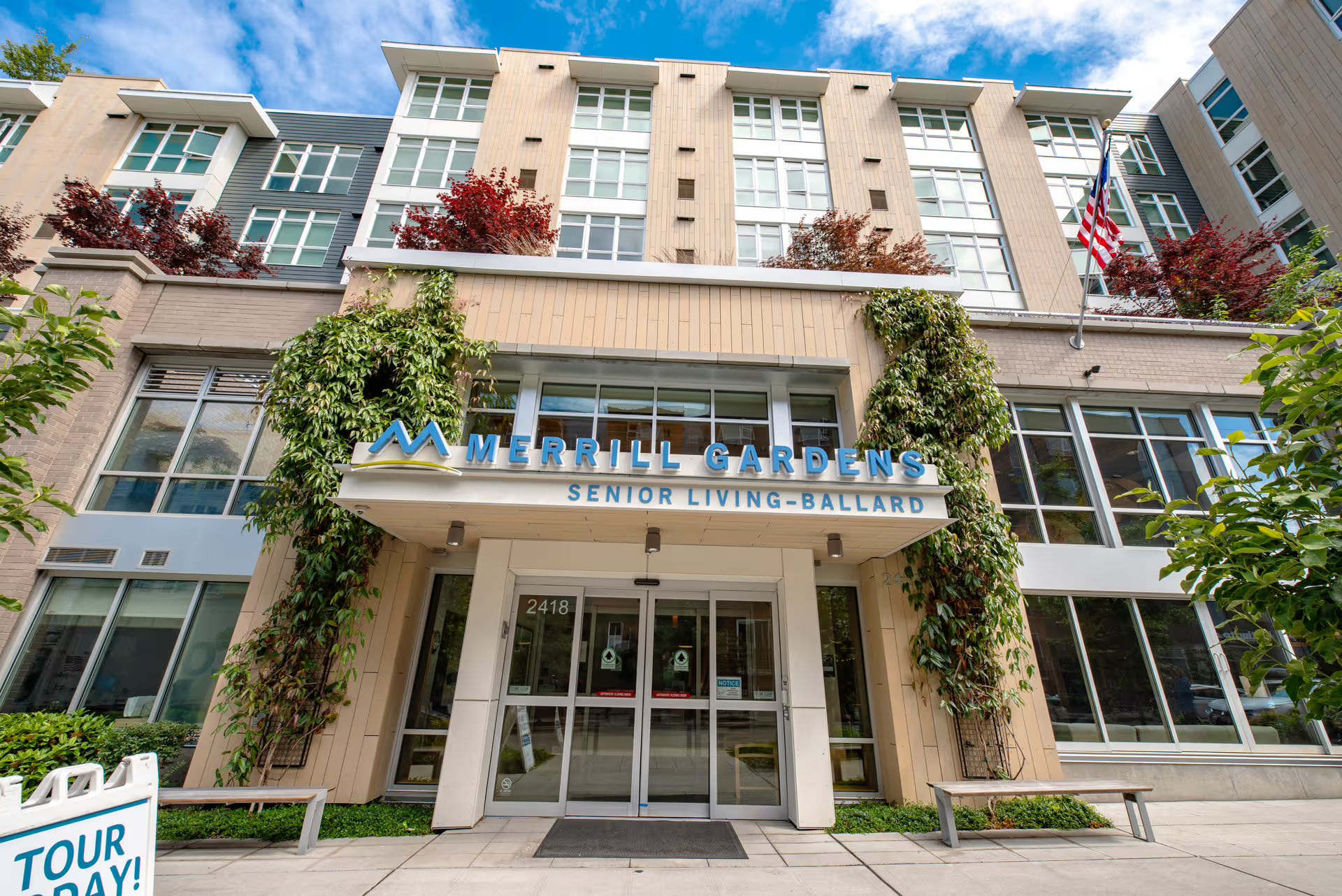
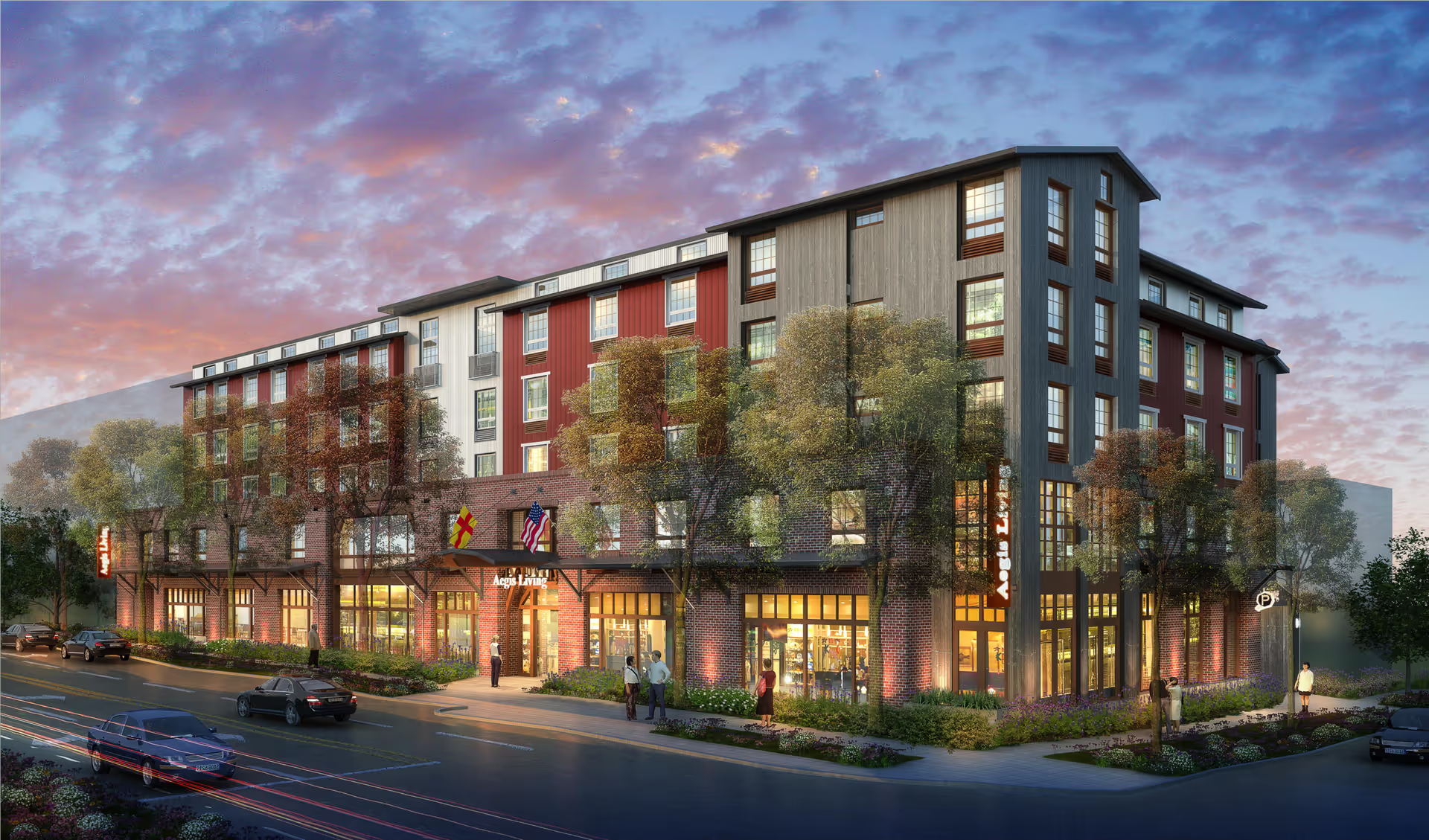
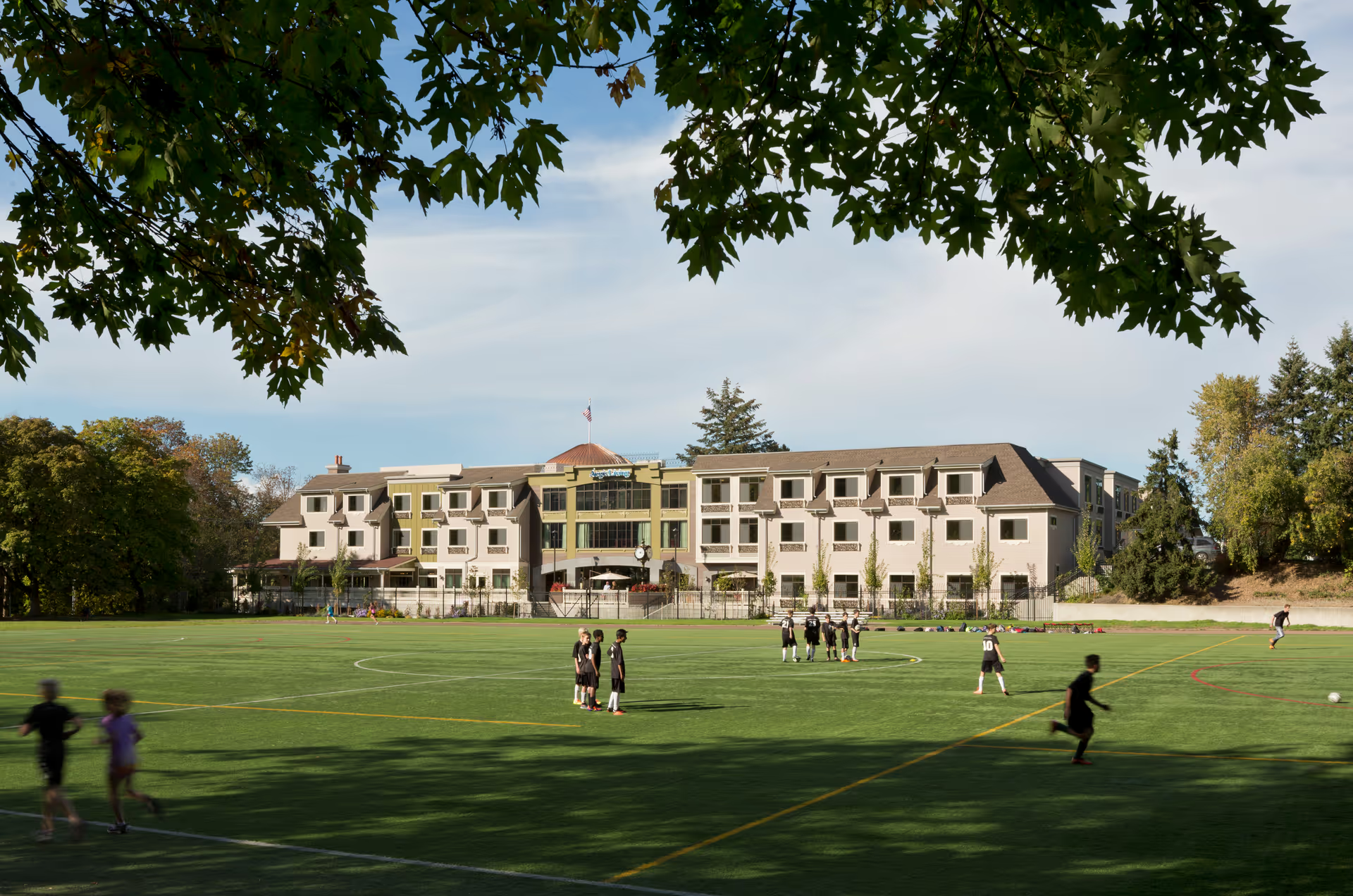
Facilities and access: The building is described as modern, clean, and well-kept, with inviting common areas, furnished apartments, and accessible outdoor gardens and patios. Some reviewers called out specific design-related challenges—long corridors and heavy doors—that can increase staff effort and raise practical safety concerns during transfers or emergency response. Location and site access also drew comment: the facility is convenient to the island community for many families but can be affected by local traffic and island access logistics.
Cost and value: Several families consider the care worth the expense because of the quality of staff and amenities; others cited high pricing and significant move-in fees as a concern. Prospective residents should weigh the facility’s service level and specialized programming against the premium cost structure.
Notable patterns and practical advice: Prospective families can expect a strong memory-care program, engaged caregivers, robust activities, and high-quality dining. Areas to evaluate on a tour or during conversations with leadership include current staffing ratios and contingency plans for peak demand, the facility’s incident documentation practices, menu customization options, and specifics about access and parking. Asking for recent staffing metrics, sample activity calendars, and examples of clinical documentation/communication practices can help clarify whether the operational concerns raised by some families have been addressed.