Cascades of Bremerton is consistently described as a socially active, amenity-rich community with a strong emphasis on restaurant-style dining and personalized service. Families and residents commonly praise the dining program—chef-driven menus, formal dining presentation, and attentive kitchen and waitstaff are frequent highlights. The community offers a broad assortment of on-site amenities (movie theater, library, salon, cafe, activity rooms) and organized outings and events (exercise classes, Wii bowling, casino trips, entertainment, happy hours) that support an engaged, social atmosphere.
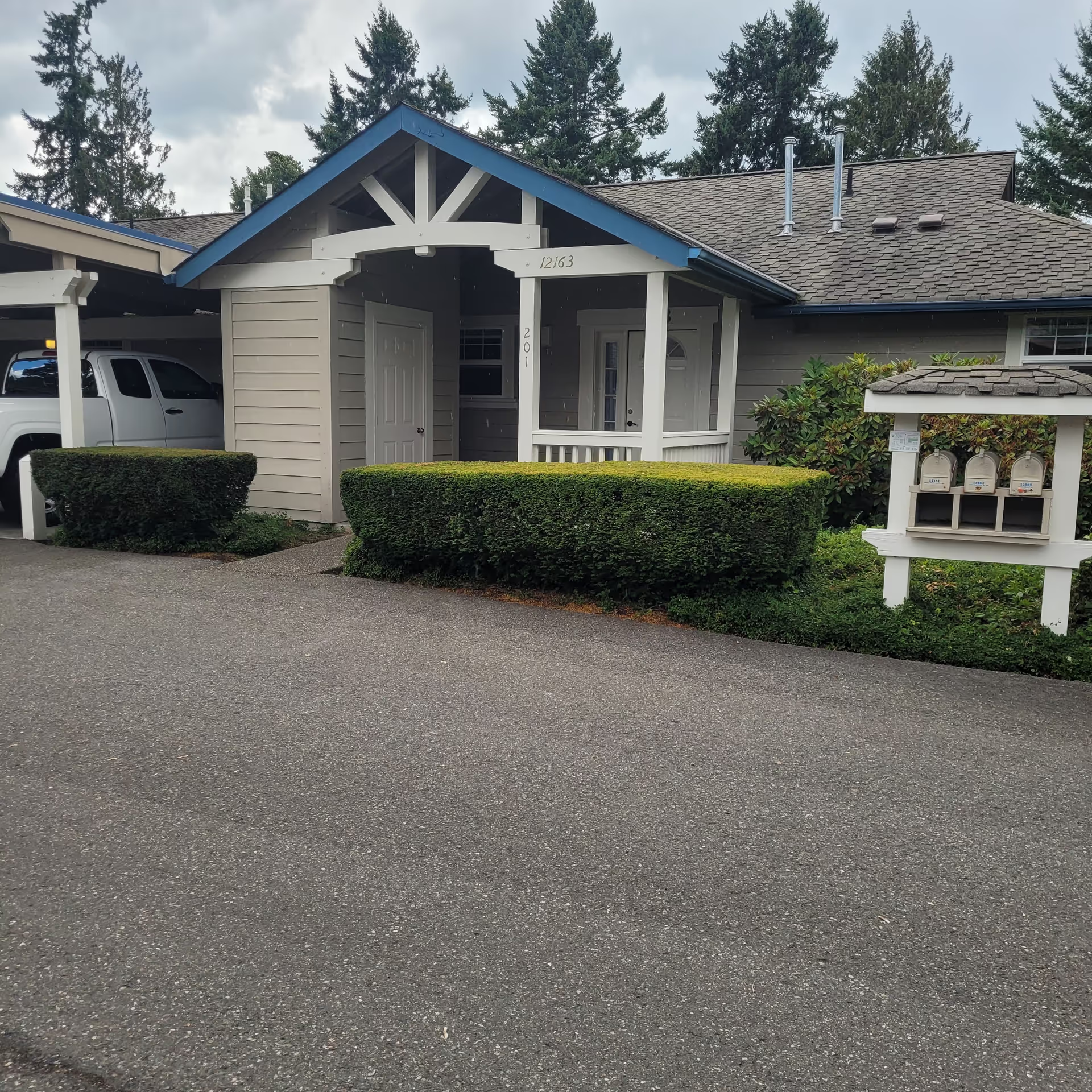
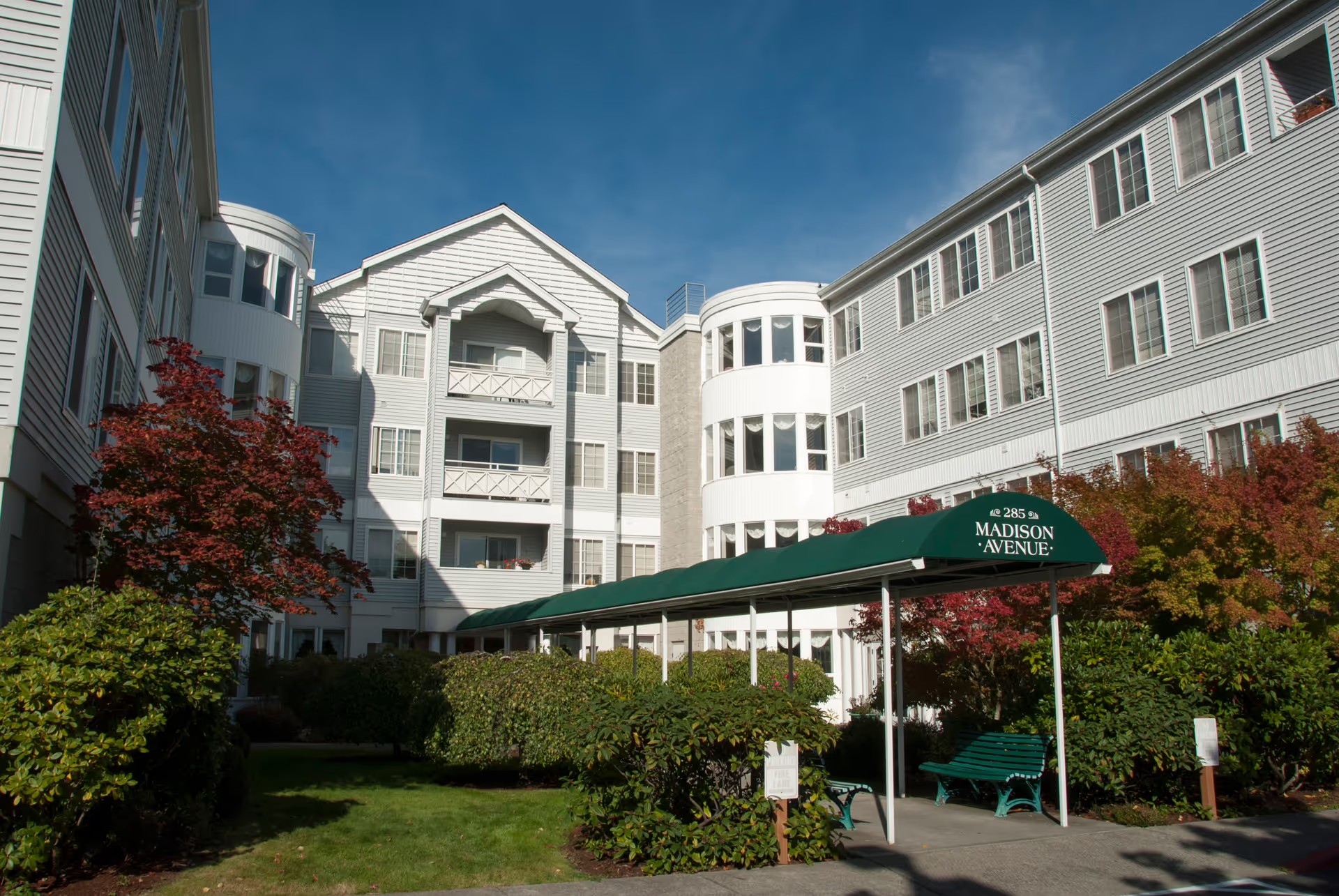
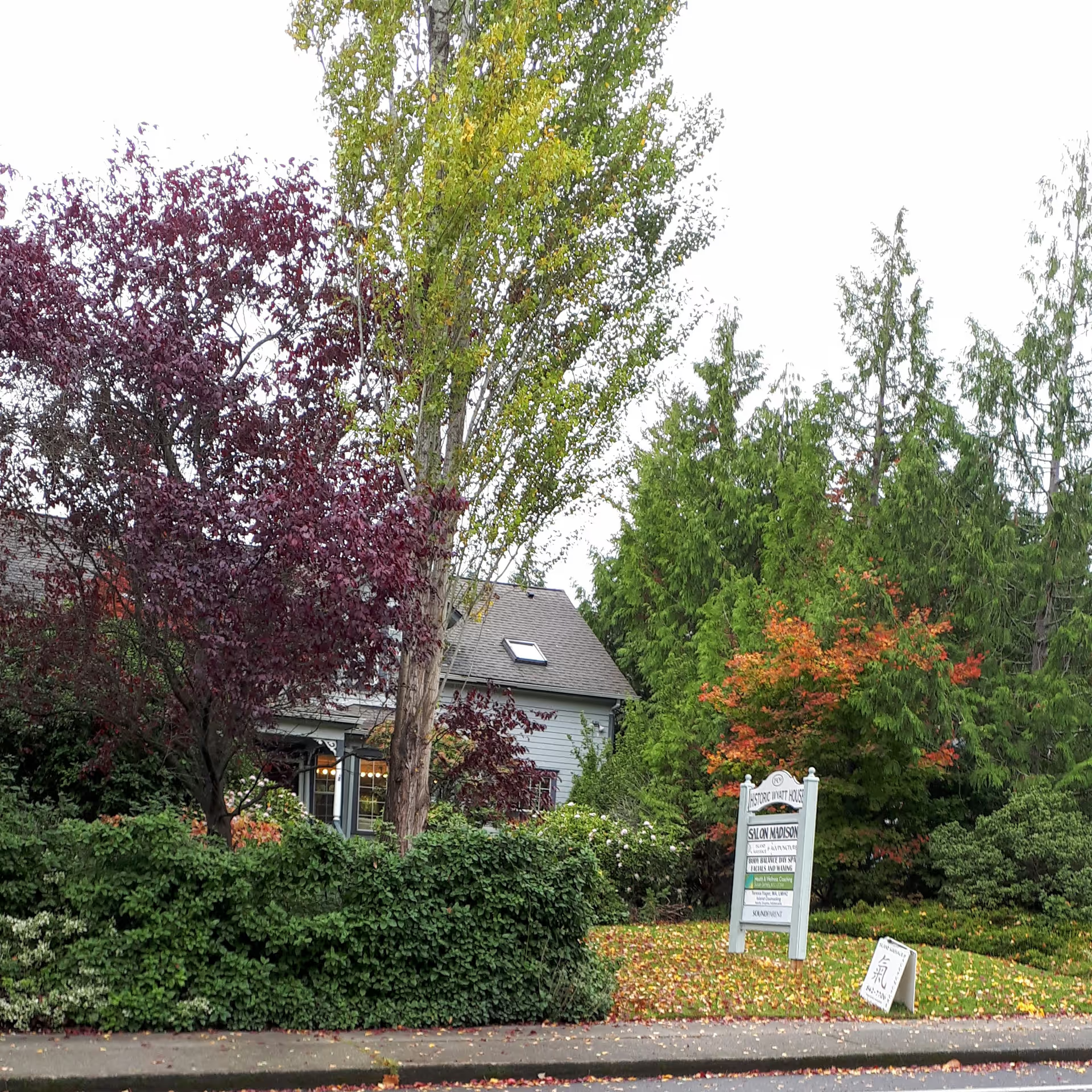
Staff quality and resident rapport are recurring strengths. Many reviewers emphasize compassionate, friendly, and attentive caregiving and hospitality staff who learn residents' names and preferences. The facility maintains a visible safety presence with a 24/7 front desk, welfare checks, and routine housekeeping. Move-in assistance and responsive touring staff are noted as helpful for transitions. Grounds and common areas are frequently described as well maintained, with gardens, walking paths, and views enhancing the setting.
Operational patterns include several areas of concern families should consider. Staffing consistency and turnover are recurring themes; understaffing and variable shift coverage are linked in reviews to slower response times and uneven follow-through on care plans. There are also repeated statements reflecting concerns about clinical-care consistency, including medication-management practices and assistance with personal care and hydration. These are described as pattern-level care reliability issues rather than isolated administrative complaints.
Management and financial transparency receive mixed assessments. The site offers flexible month-to-month occupancy and modest buy-in structures, but some families encountered unclear fee structures, nonrefundable community fees, and challenges obtaining timely refunds or billing corrections. A small number of serious disputes around billing and refunds — including after a resident’s death — were highlighted and contributed to perceptions of limited administrative follow‑through.
Facility condition and accessibility vary across the campus. Many common and dining areas are updated and attractive, but some building sections are older and slated for updates. Apartment sizes and storage differ by unit type; some residents find studio storage limited or units overlooking less desirable views. Accessibility for wheelchair users is generally supported but some transportation equipment and vehicle accessibility were noted as needing improvement.
Bottom line: Cascades of Bremerton offers strong hospitality, an active social program, and a well-regarded dining experience supported by many staff who are described as caring and attentive. Prospective residents and families should balance those strengths against documented operational issues — notably staffing consistency, clinical-care reliability, and billing transparency — and address these directly during tours and contract review to ensure the community’s practices match their clinical and financial expectations.