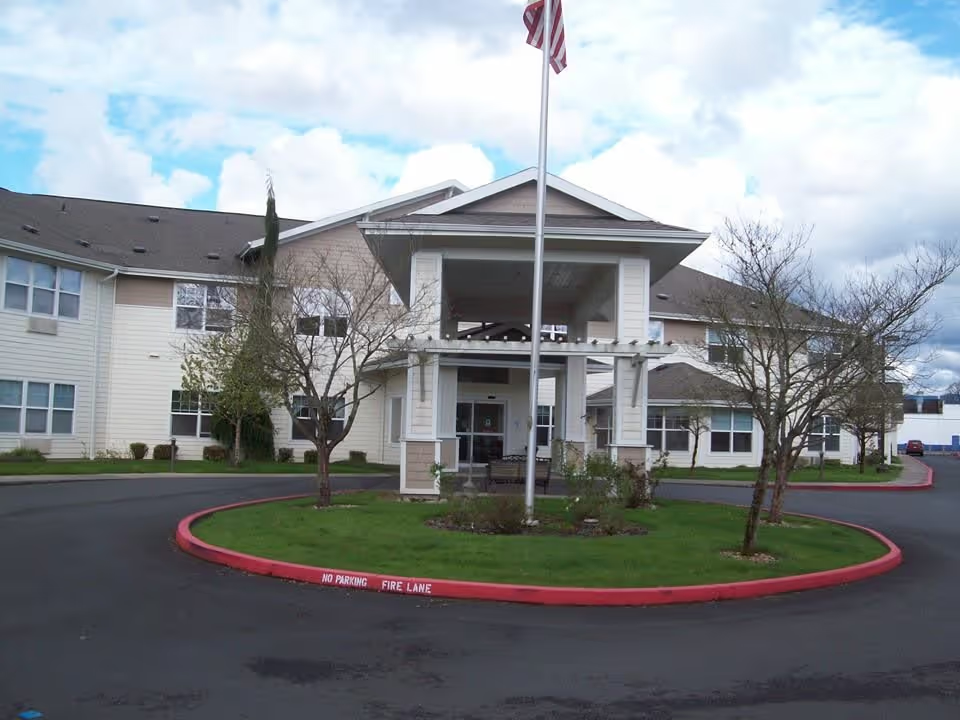
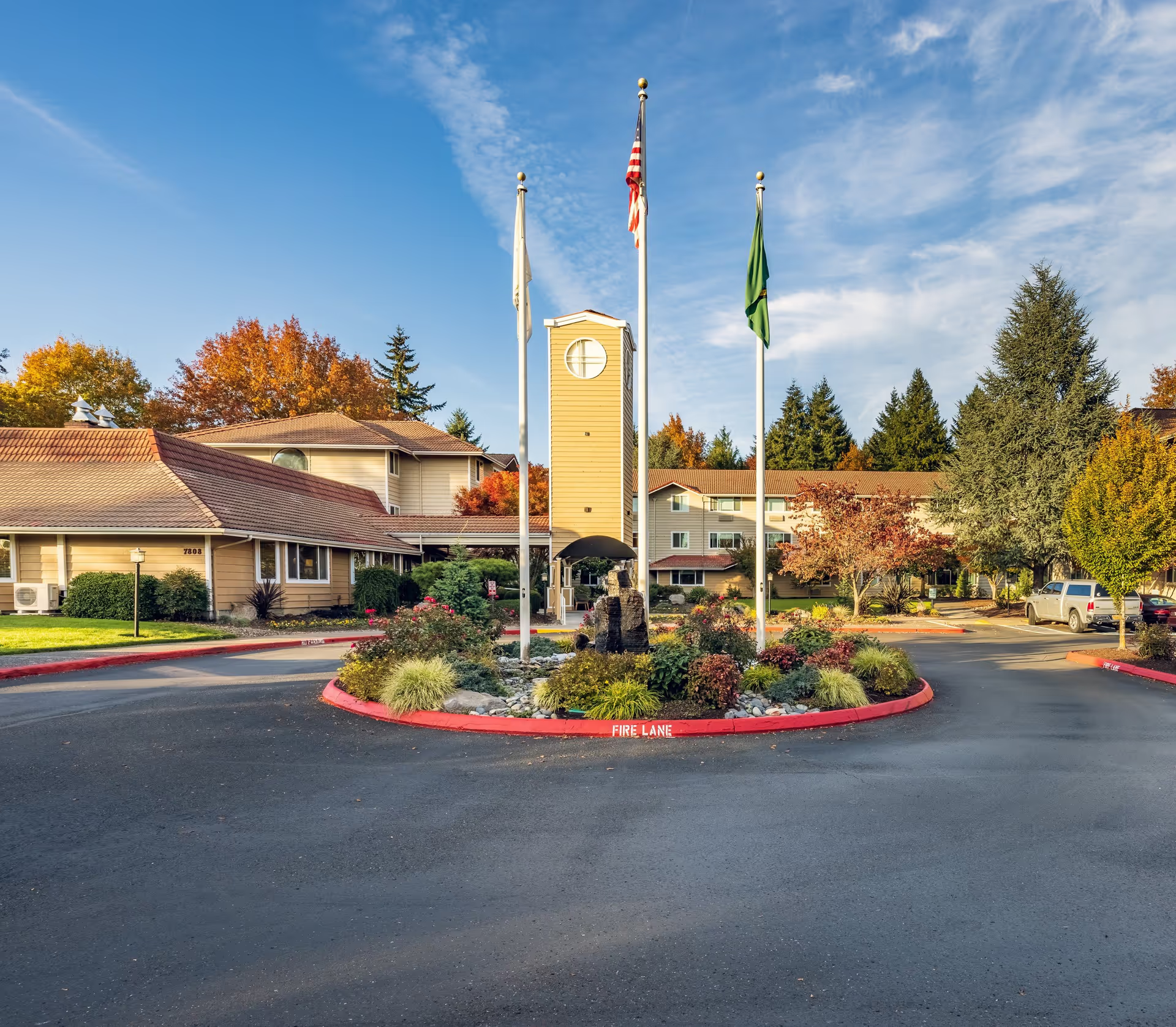
Creekside Place Memory Care elicits strongly mixed but specific impressions. Many families praise the front-line caregiving team as compassionate, attentive and engaged; long-tenured caregivers are cited where present. The facility’s single-story, homelike layout and clean, well-kept common areas (courtyard, garden promenade, theater, craft rooms) support a residential memory‑care environment. Reviewers consistently highlight a robust activities program — exercise classes, outings, dress-up and themed events, daily arts and music — that residents often find meaningful and socially engaging.
Dining and nutrition are described in both positive and negative terms. Several accounts describe nutritious, flavorful meals with dietary accommodations (including vegetarian and soy-milk options) and helpful staff during mealtimes. Conversely, others describe variability in meal quality, portion sizes and occasional missed or delayed meal service. These discrepancies appear operational rather than purely subjective: inconsistent cook staffing, kitchen turnover and service continuity issues are recurring themes.
Operationally, the most consistent areas of concern relate to staffing, management and clinical reliability. Reviewers describe periods of understaffing, staff turnover and uneven leadership that can affect day-to-day continuity of care. Specific operational weaknesses inferred include gaps in medication administration documentation, intermittent delays in responding to clinical needs, and inconsistent housekeeping thoroughness. Transportation capacity is limited (small van capacity noted), which can constrain off-site medical appointments and some outings.
Management and billing are another source of variability in experience. Some families commend particular administrators and coordinators for organization and responsiveness; others report management changes, communication tone issues and unexpected pricing increases that influenced decisions to move residents elsewhere. The facility’s physical configuration (studio-sized rooms) also limits the ability to place significant in-room clinical equipment or accommodate additional nursing staff when higher-acuity care is required.
In summary, Creekside Place offers many strengths typical of smaller, memory-focused communities: personalized relationships, an active program schedule and attractive outdoor and common spaces. However, prospective residents and families should be aware of operational inconsistencies related to leadership stability, staffing levels, meal-service continuity and certain clinical processes. When evaluating the community, consider confirming current staffing ratios and turnover trends, observing meal service, asking about medication-safety protocols and transportation capacity, and clarifying billing and nurse-return policies to ensure they match your expectations for ongoing clinical support.