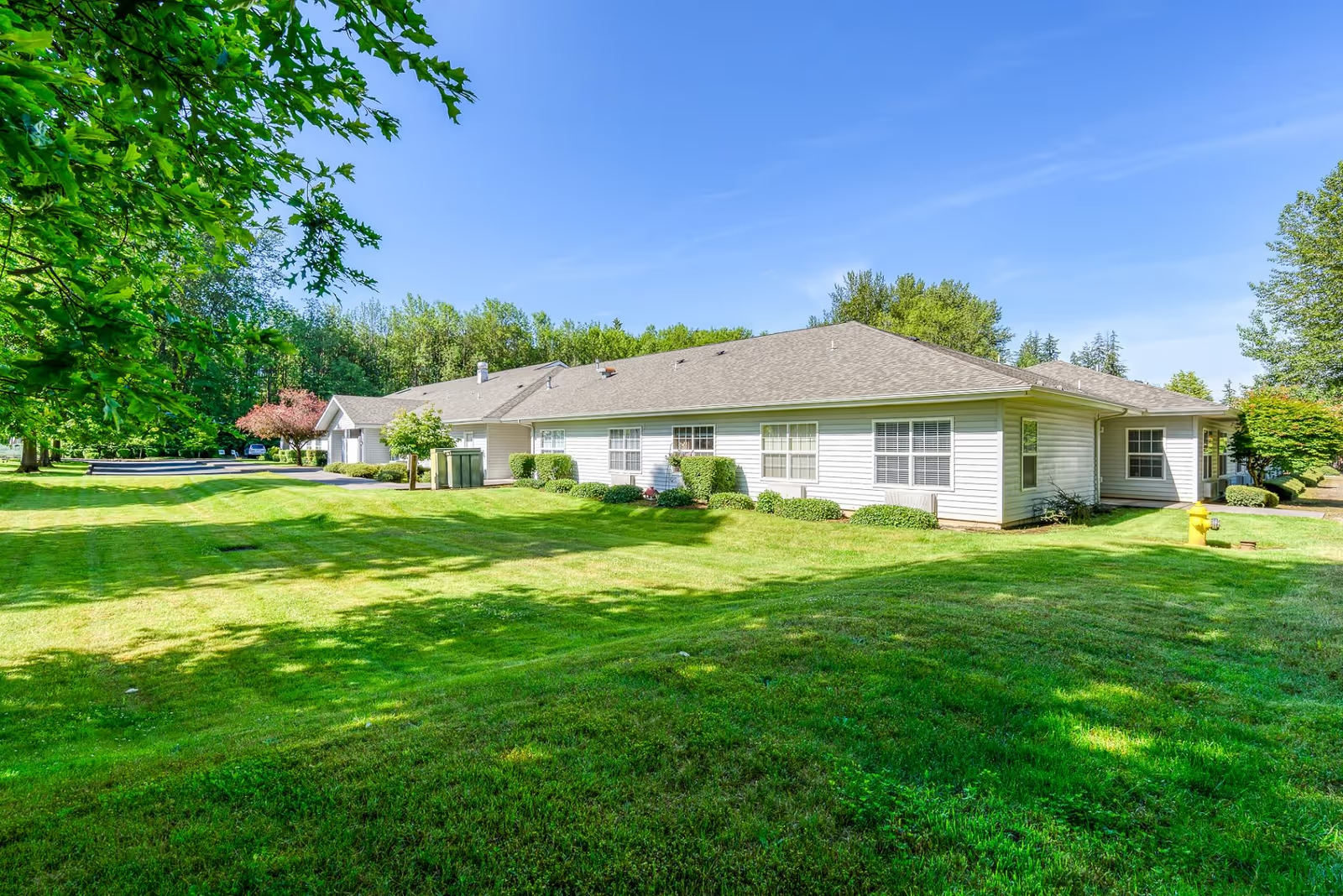
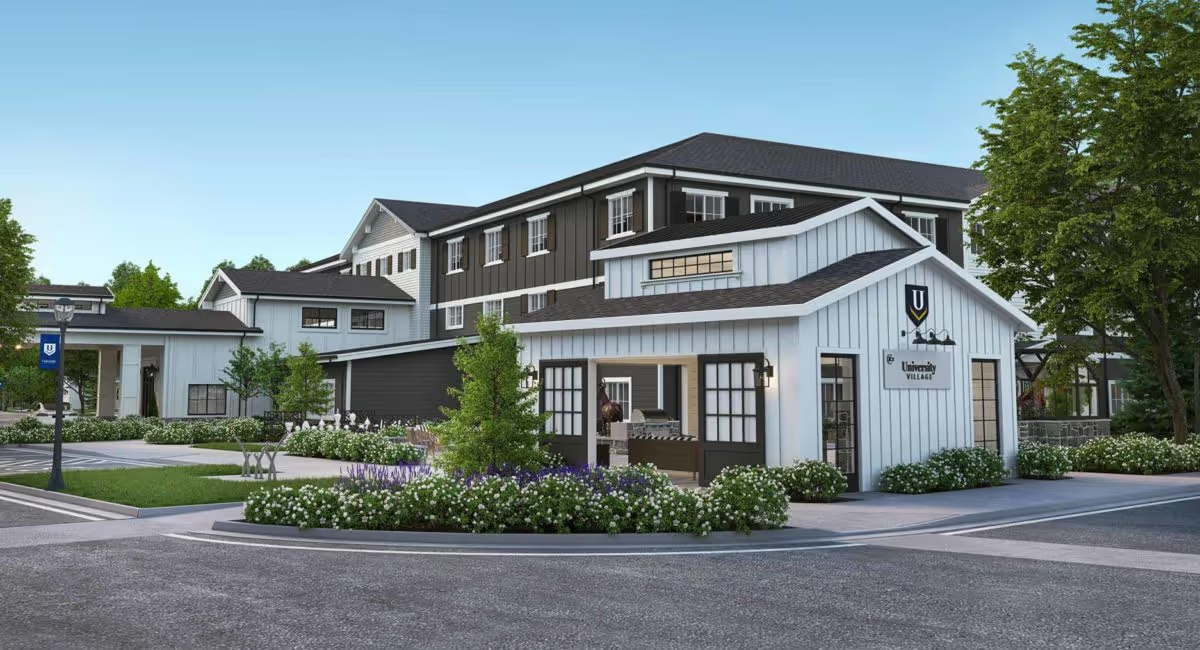
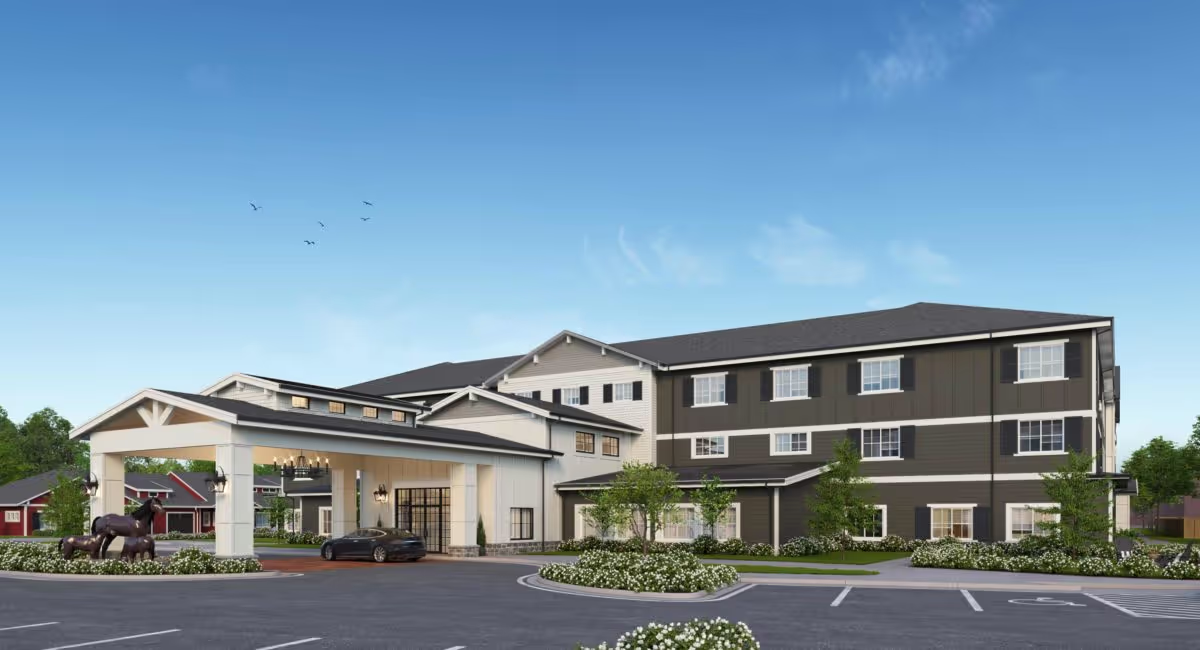
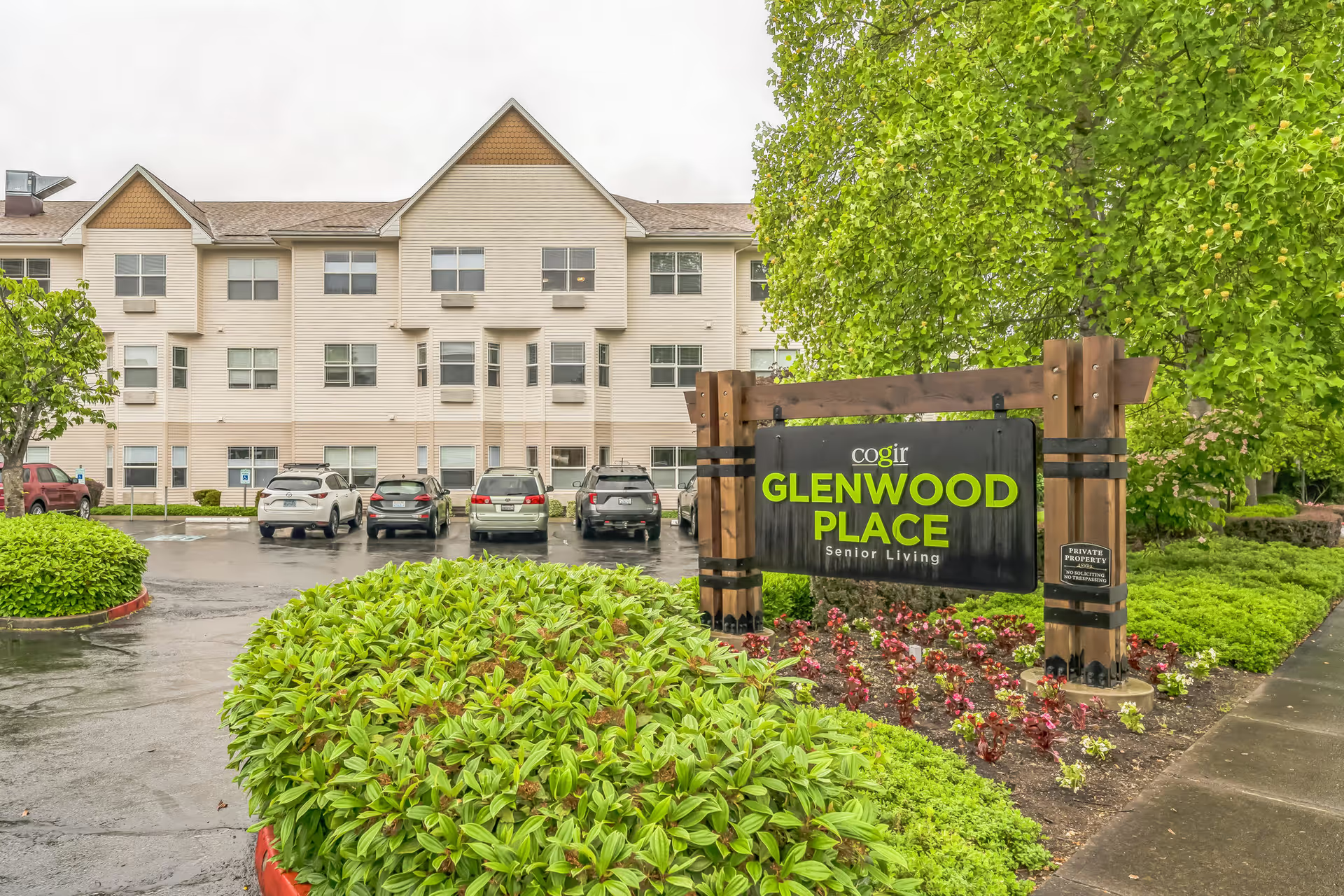
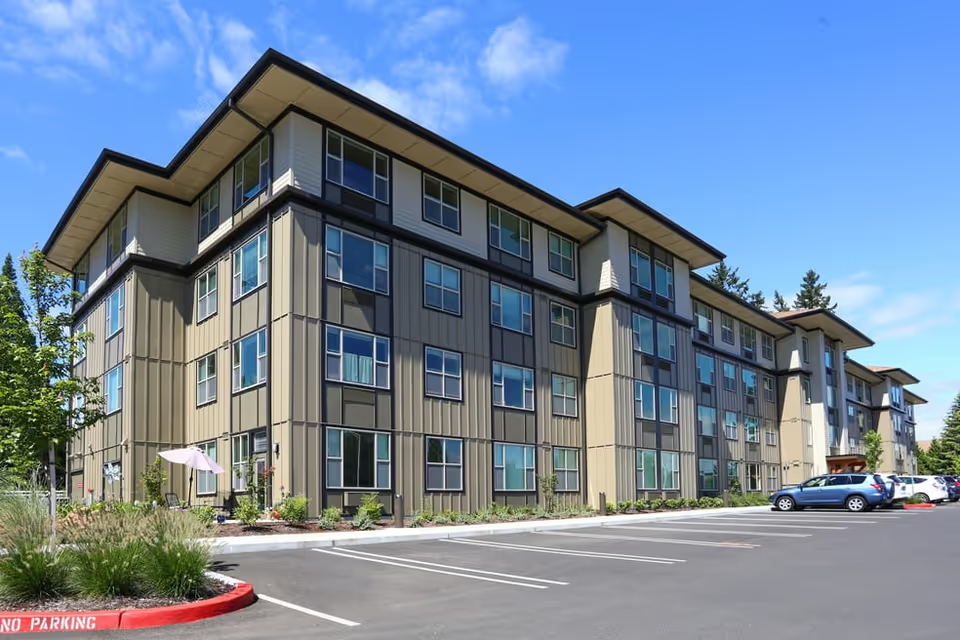
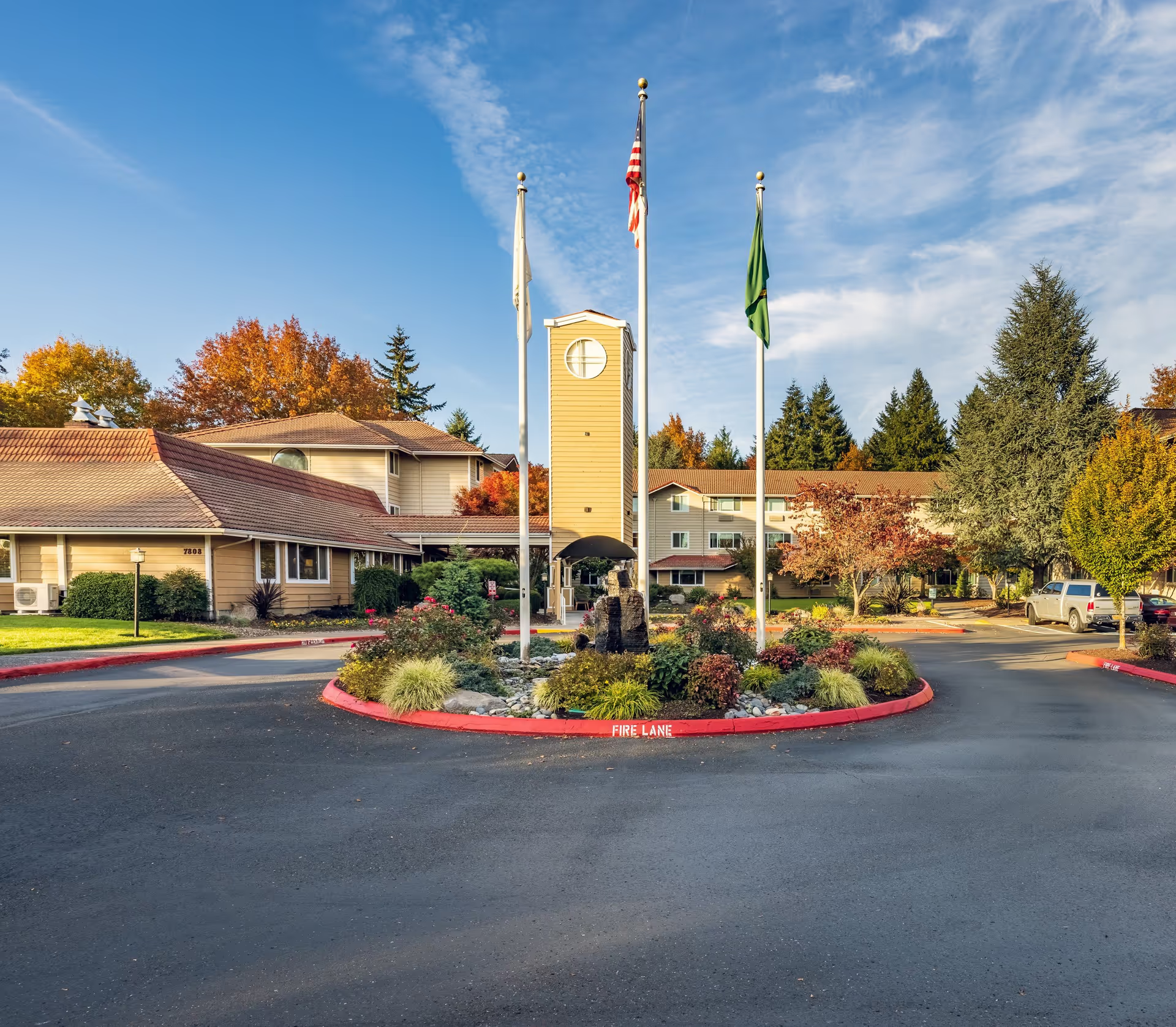
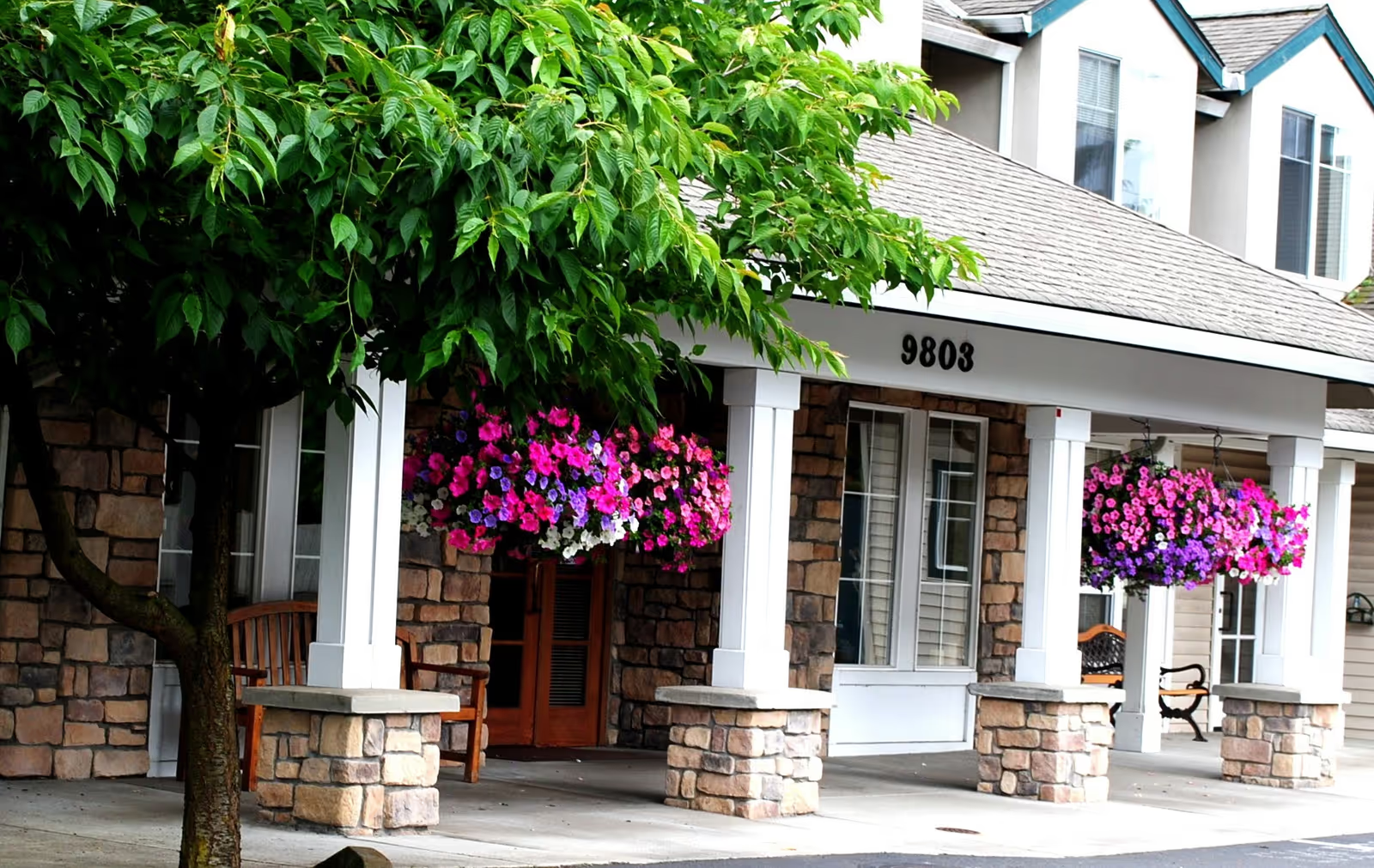
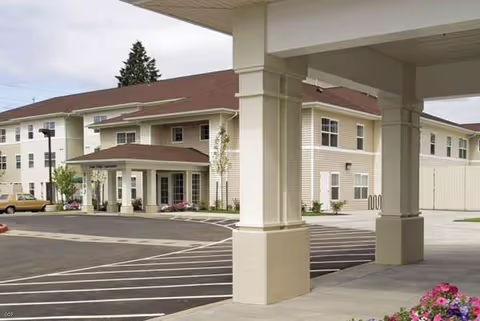
Mallard Landing by Cogir presents as an intimate, well-appointed assisted living community that many families describe as warm, home-like, and socially active. The facility's physical environment is frequently described as attractive and well maintained, with spacious studios and one-bedroom apartments, bright common areas, and accessible on-site amenities such as a library, salon, community room, and spaces for family meals. Leadership and front-line staff are commonly characterized as caring, professional, and engaged; several accounts single out individual leaders for hands-on support and effective move-in coordination.
Programming and daily life are strong points: reviewers consistently note a broad calendar of activities (bingo, pool table, music, cards, outings, holiday events) that encourage socialization and keep residents active. Families report that staff personalize interactions, deliver home-style meals with celebratory touches, and foster a close-knit atmosphere that many residents enjoy. Clinical services are also described positively in many comments, with mentions of capable nursing oversight, hospice and end-of-life support, and routine medication administration handled well in numerous cases.
However, the review set also contains operational concerns that prospective residents should probe further. Dining quality and the facility's ability to meet specialized dietary needs (for example, low-sodium preferences and greater vegetable variety) are inconsistent across accounts. Staffing patterns appear variable: while many describe attentive teams, others report periods of understaffing, long call-response times, and high turnover — conditions that can affect supervision and timely clinical response. A small number of accounts describe serious lapses in responsiveness and supervision; these are notable and suggest potential variability in how clinical incidents are handled. Cleanliness and sanitation are generally praised but a subset of comments point to inconsistencies in some areas.
Additional practical considerations raised include the absence of an on-site Memory Care unit, limited availability of larger multi-bedroom apartments, and a pricing level some families view as high. There are also isolated but important concerns about inclusivity and staff–resident cultural sensitivity that merit direct inquiry. Overall, Mallard Landing appears to be a community with many strengths in staffing culture, activities, and environment, but with a mix of operational issues that vary by shift and circumstance. Prospective residents and families would benefit from targeted questions about staffing ratios, emergency and clinical-response protocols, dietary and medication accommodation processes, cleanliness oversight, memory-care transitions, pricing structure, and the community’s approach to diversity and inclusivity during tours and meetings with leadership.