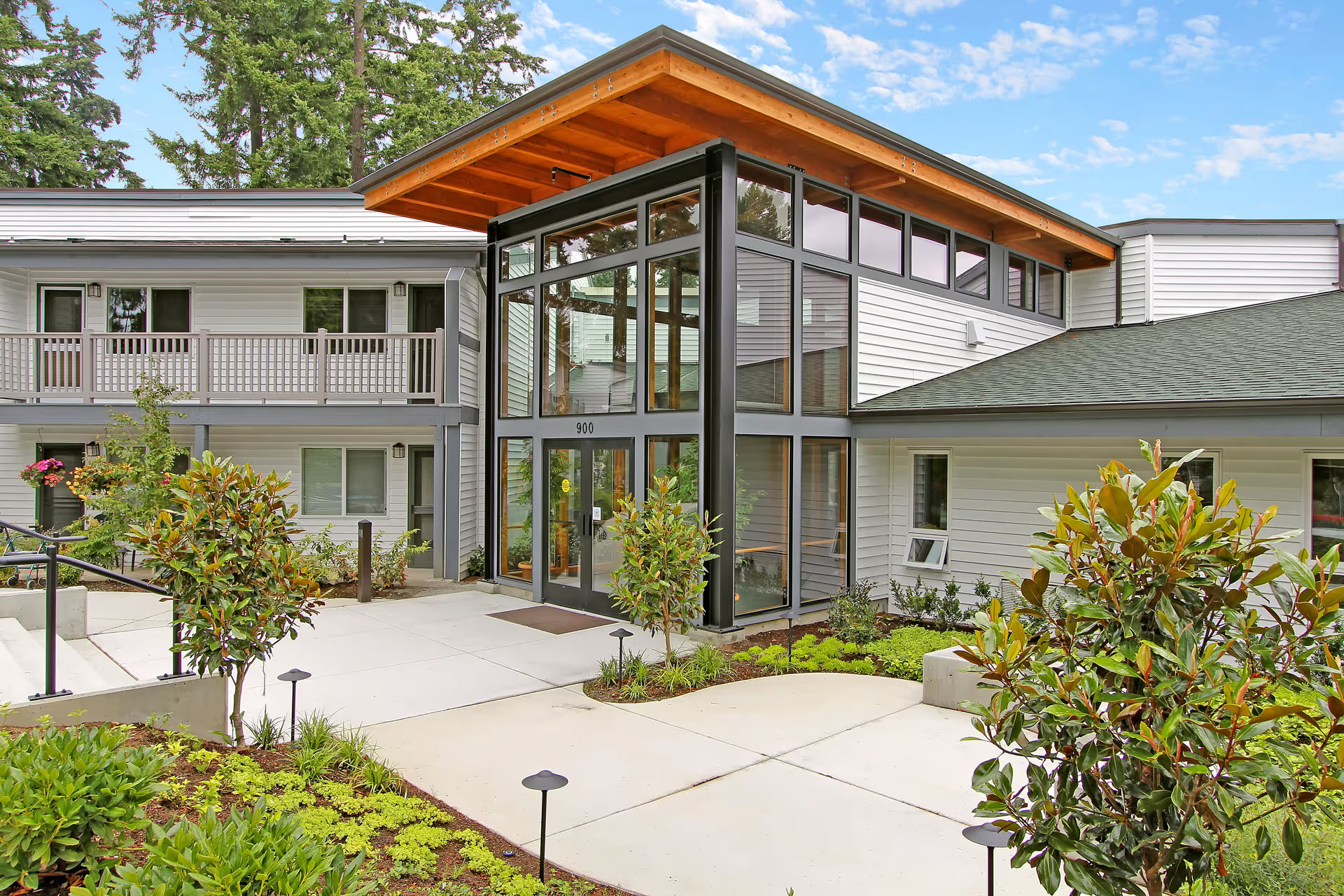
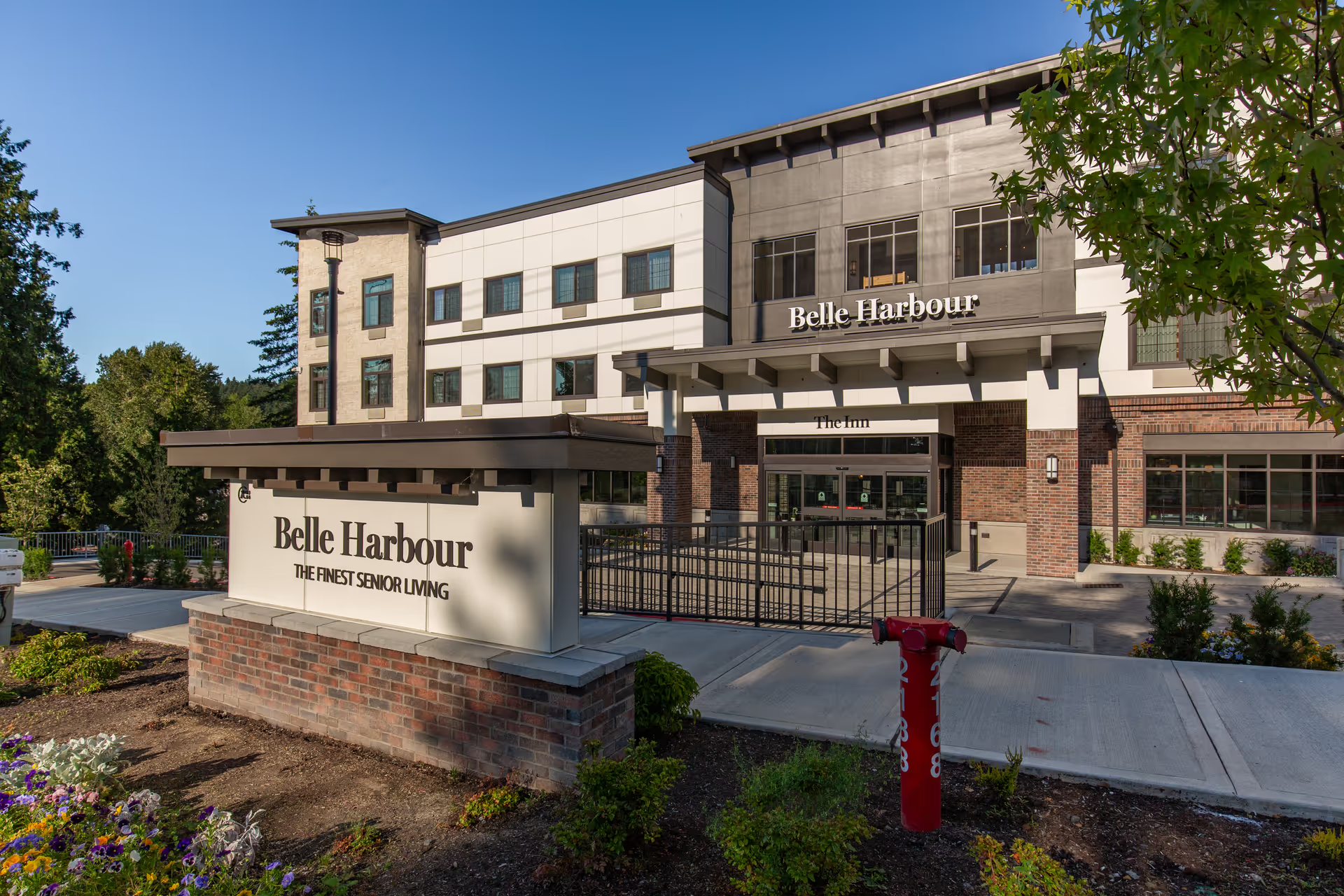
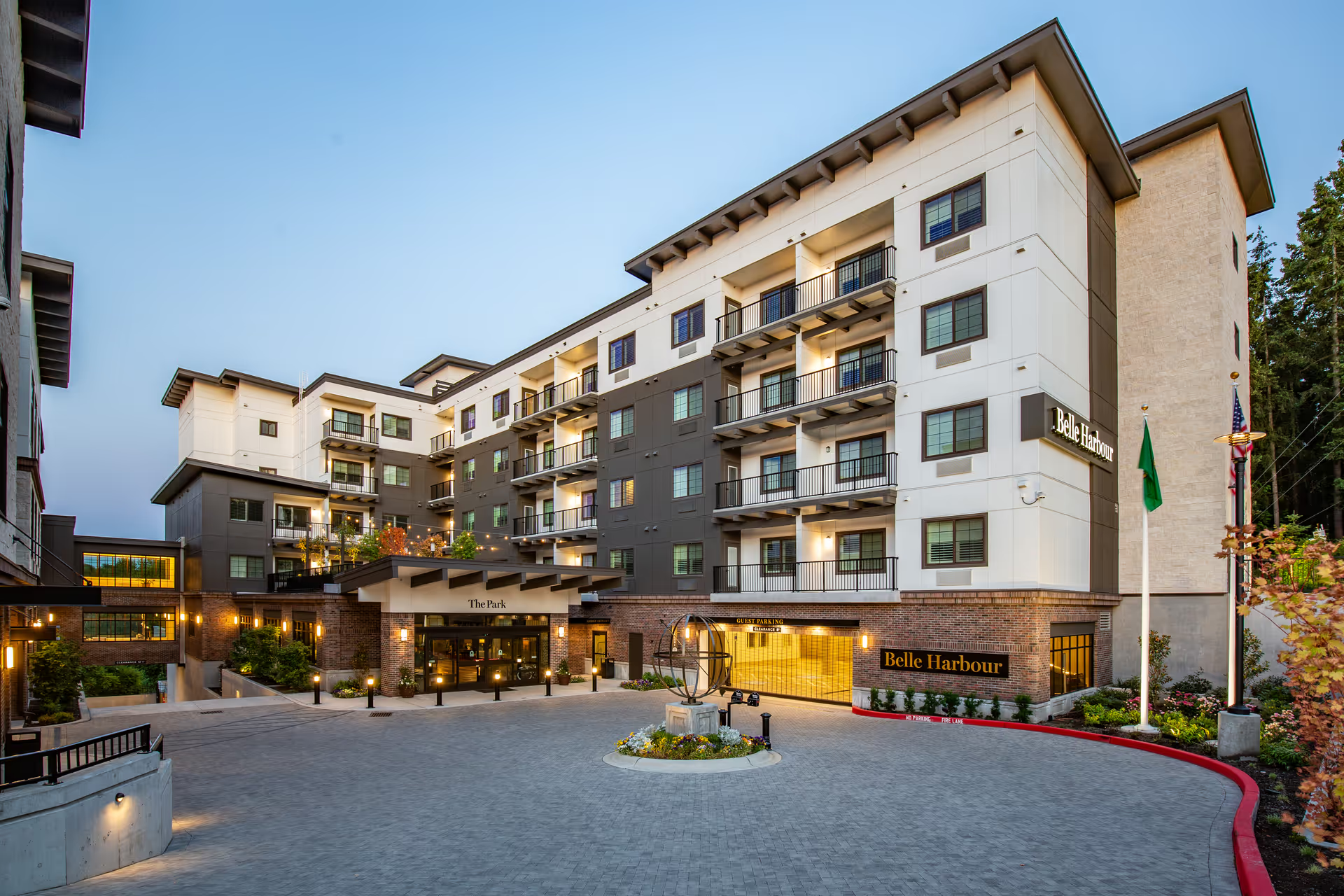
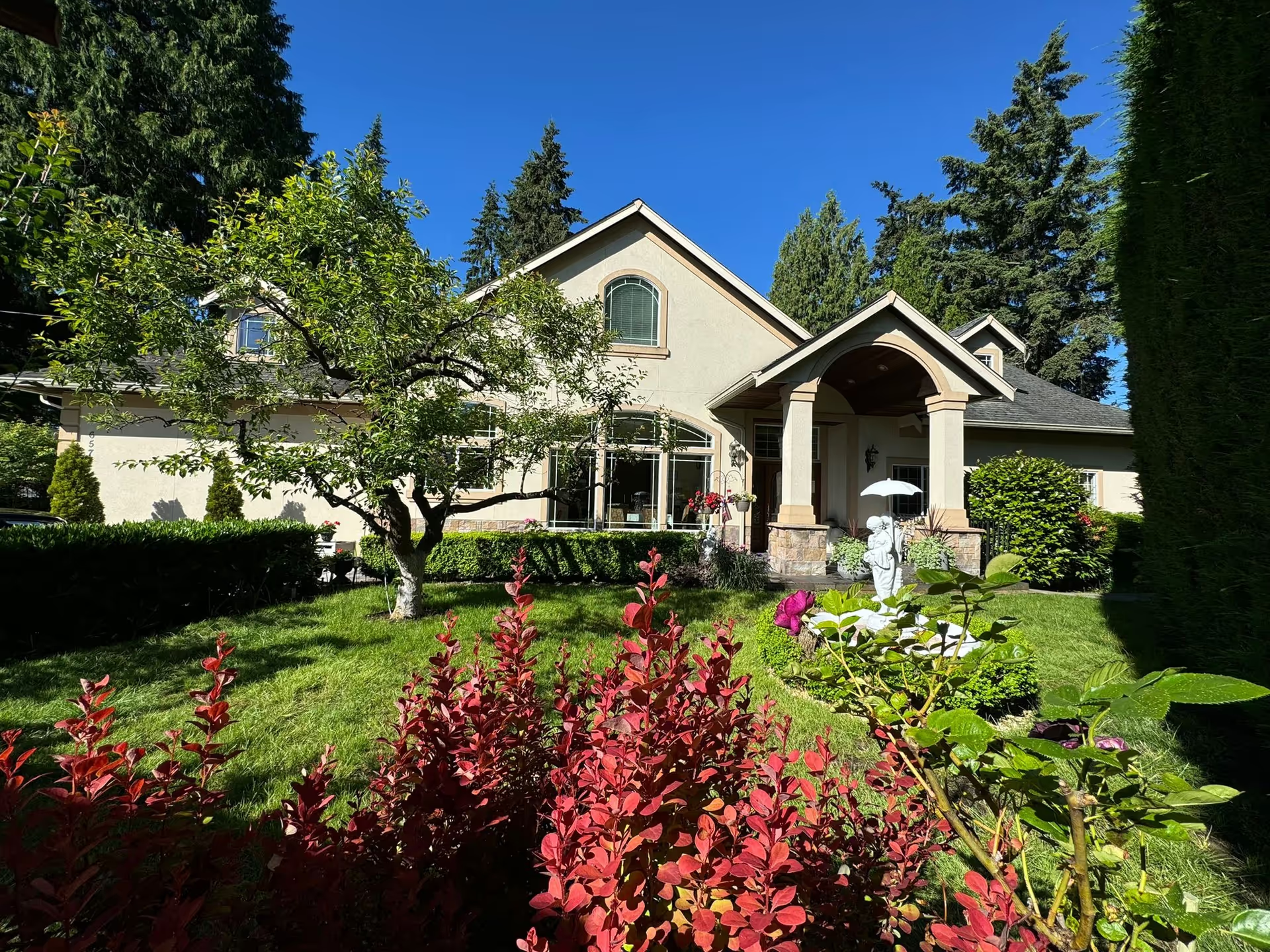
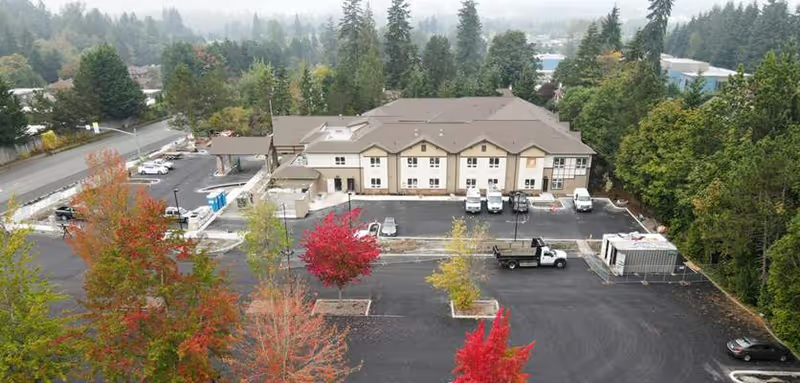
The Gardens at Town Square presents as a professionally run, hotel‑style senior living community with many elements that reviewers praised: bright, updated apartments; well‑maintained public areas and courtyard; a strong culinary program led by an affirmed head chef; and a wide range of activities, lectures, and organized outings. Families and residents commonly describe a warm community atmosphere, engaged front‑desk and dining staff, attentive housekeeping, and a variety of amenity spaces (bistro, library, theater) that contribute to an overall high‑end feel.
Care quality and staffing are mixed in the reviews. Numerous comments highlight caring, compassionate caregivers, dedicated nurses, and a wellness team that provides personalized attention and reassurance to families. At the same time, there are consistent operational concerns about the facility’s ability to manage advanced memory‑care needs: reviewers cite limited clinical capacity in memory care, understaffing in that unit, and inconsistent personal‑care responsiveness (particularly toileting and bathing schedules). These clinical and staffing gaps are linked in some accounts to increased hospital visits and infections. Staffing instability and frequent management changes were mentioned as organizational patterns that can affect continuity of care.
Dining and activities are strong points for many residents. The food quality and kitchen team receive frequent praise, and programming is varied — from line dancing and low‑impact classes to lectures, speakers, nightly movies, and off‑site excursions. Reviewers would like more cognitively focused activities (brain games, cross‑area social engagement) and noted that participation levels vary; some activities appear well attended while others have low engagement. A few accounts describe reduced pre‑pandemic amenities or temporary changes (for example, meals delivered to rooms and limited dining‑room access), and there are concerns about dining‑access restrictions and how à la carte charges accumulate.
Facility, logistics, and administration generate a mixed picture. Physically, the building and apartments are frequently described as spotless, bright, and tastefully appointed with a “grand‑hotel” vibe. Practical issues include garage and visitor‑parking limitations for larger or handicap vehicles, occasional sanitation or odor concerns in specific areas, and reports of clutter in some spaces. Administrative themes include positive, friendly leadership at times but also frequent manager turnover and uneven communication with families — examples range from delayed updates about moves to unclear policies around visitation and dining access. Billing practices are described as complex; an à la carte fee model and escalations in cost lead to affordability concerns for some families.
Notable patterns for prospective residents and families: The Gardens appears to offer a high‑quality living environment, strong dining, and engaging programming that suit many active older adults and those needing assisted living support. However, if advanced dementia care or highly intensive clinical management is required, families should carefully evaluate the community’s memory‑care staffing ratios, clinical protocols, medication‑management responsiveness, and documented processes for personal‑care needs. Ask for specifics on staffing continuity, sample care plans for advanced dementia, dining access policies, a full breakdown of fees and add‑ons, and examples of family‑communication workflows. Touring the memory‑care unit during different shifts and speaking with the nursing leadership about contingency plans for clinical escalation will help determine whether the facility’s strengths align with a particular resident’s needs.