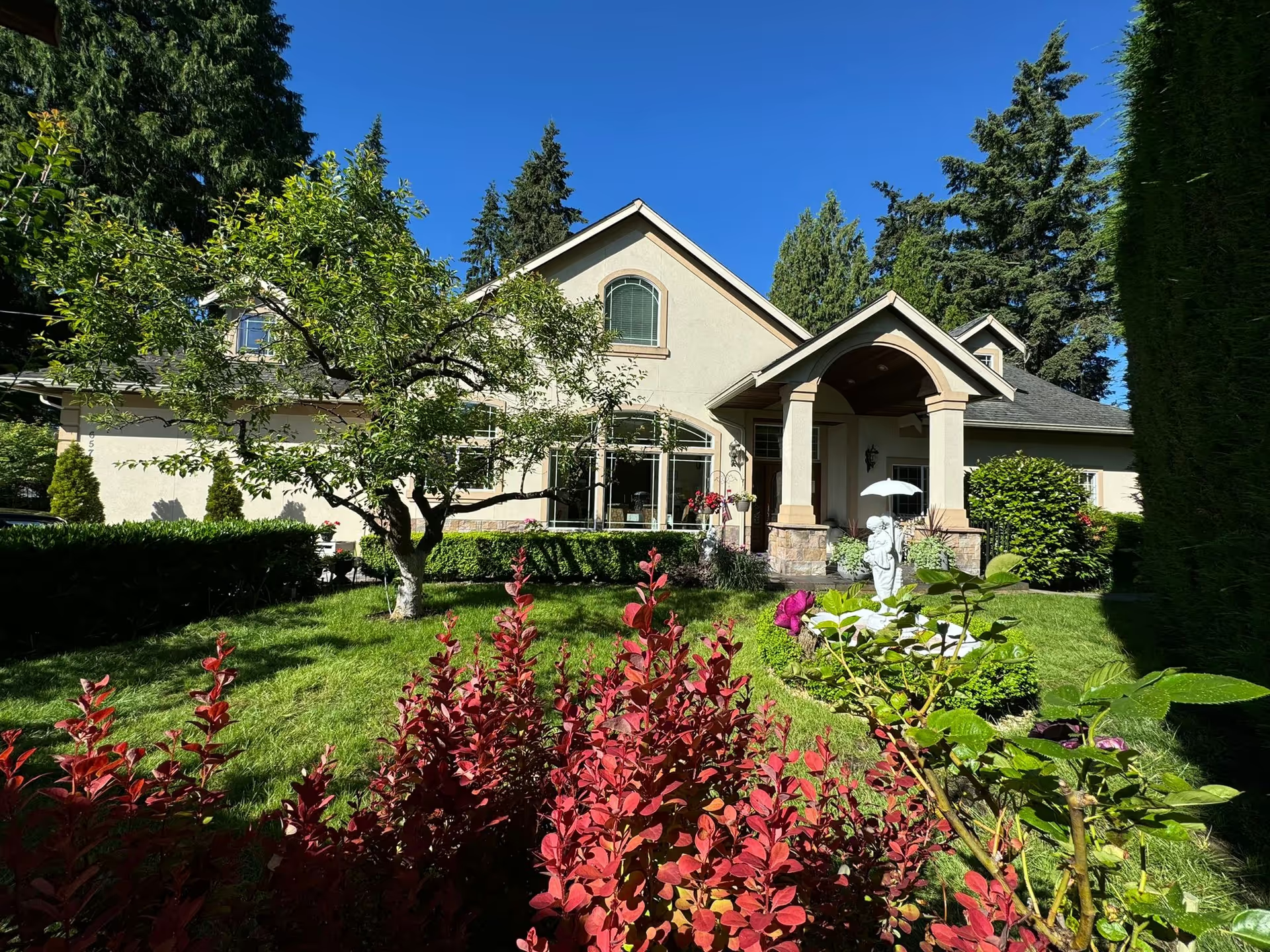
Overall impression: Review excerpts portray a community with strong relational strengths and active programming, led by caregiving staff who are frequently described as compassionate, attentive, and familiar with residents' needs. Families repeatedly cite meaningful one-on-one interactions, dementia-aware approaches, and health-leadership that supports stability for residents. Many reviewers highlight a home-like apartment model, regular social dining, and programming that keeps residents engaged and connected.
Care and staff: Staffing is a clear strength in terms of staff attitude and resident rapport—employees are commonly described as warm, emotionally sensitive, and willing to provide individualized reassurance (including late-night comfort and room visits during lockdowns). The community appears to have staff trained in dementia care and an emphasis on sustaining resident dignity. At the same time, staffing patterns are uneven: weekend and night coverage, and turnover, are cited as operational weaknesses that can reduce continuity of care and responsiveness.
Dining and kitchen operations: Mealtime is generally a social and restorative element for many residents; several families reported appetite improvement and appreciation for communal dining. However, reviewers also described inconsistencies in food quality, portioning, and dietary accommodation—particularly on weekends—and isolated food-preparation lapses that raise food-safety and quality-control concerns. Kitchen staffing levels and service continuity emerge as operational areas that affect residents' experience.
Activities and community life: Programming and activities are frequent positives. The community offers organized social events, outings (when allowed), and staff-led engagement that foster friendships and a sense of purpose. Reviewers note that staff often tailor activities for residents who cannot leave their rooms and that family involvement is encouraged, supporting a lively, active environment for many residents.
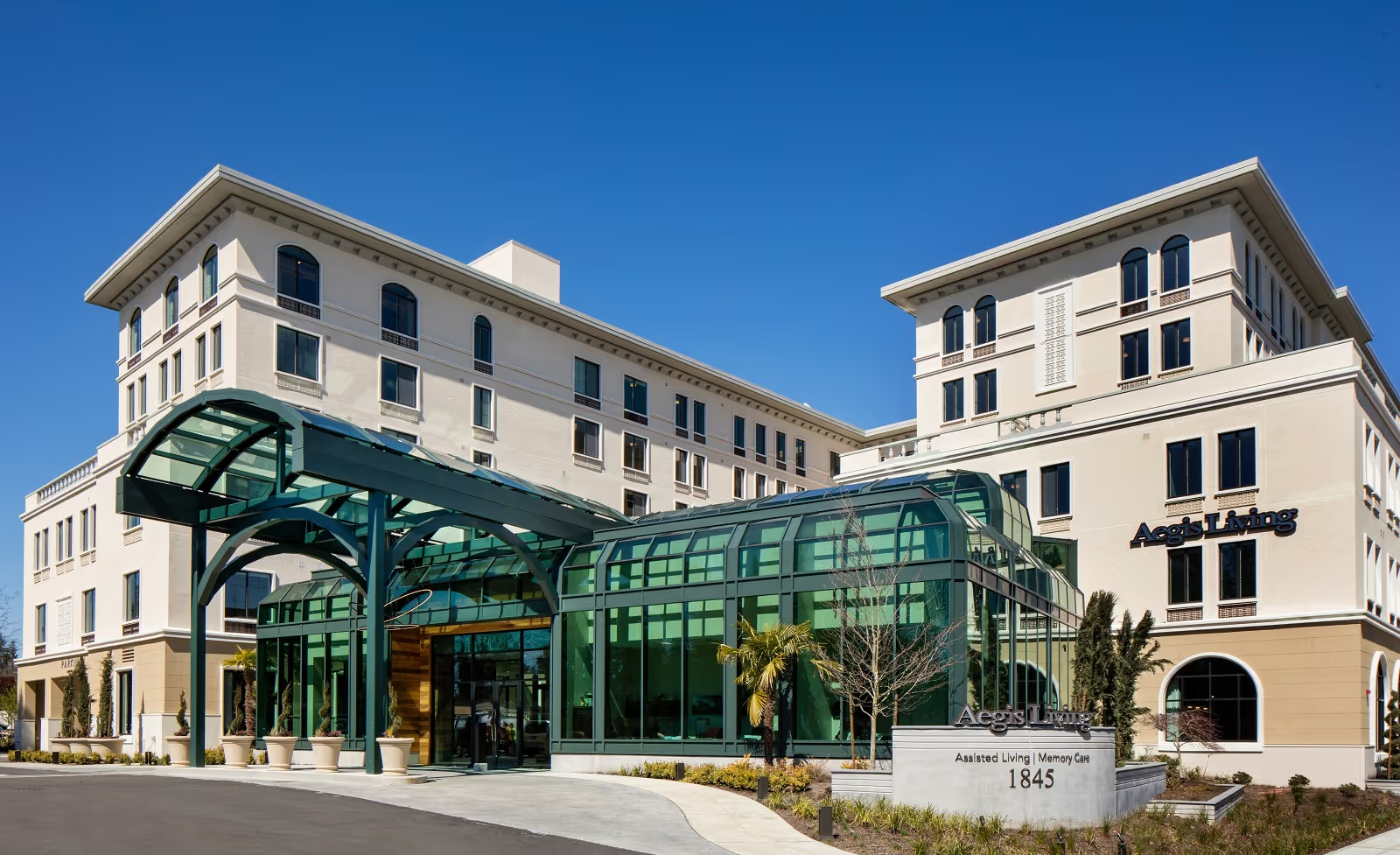
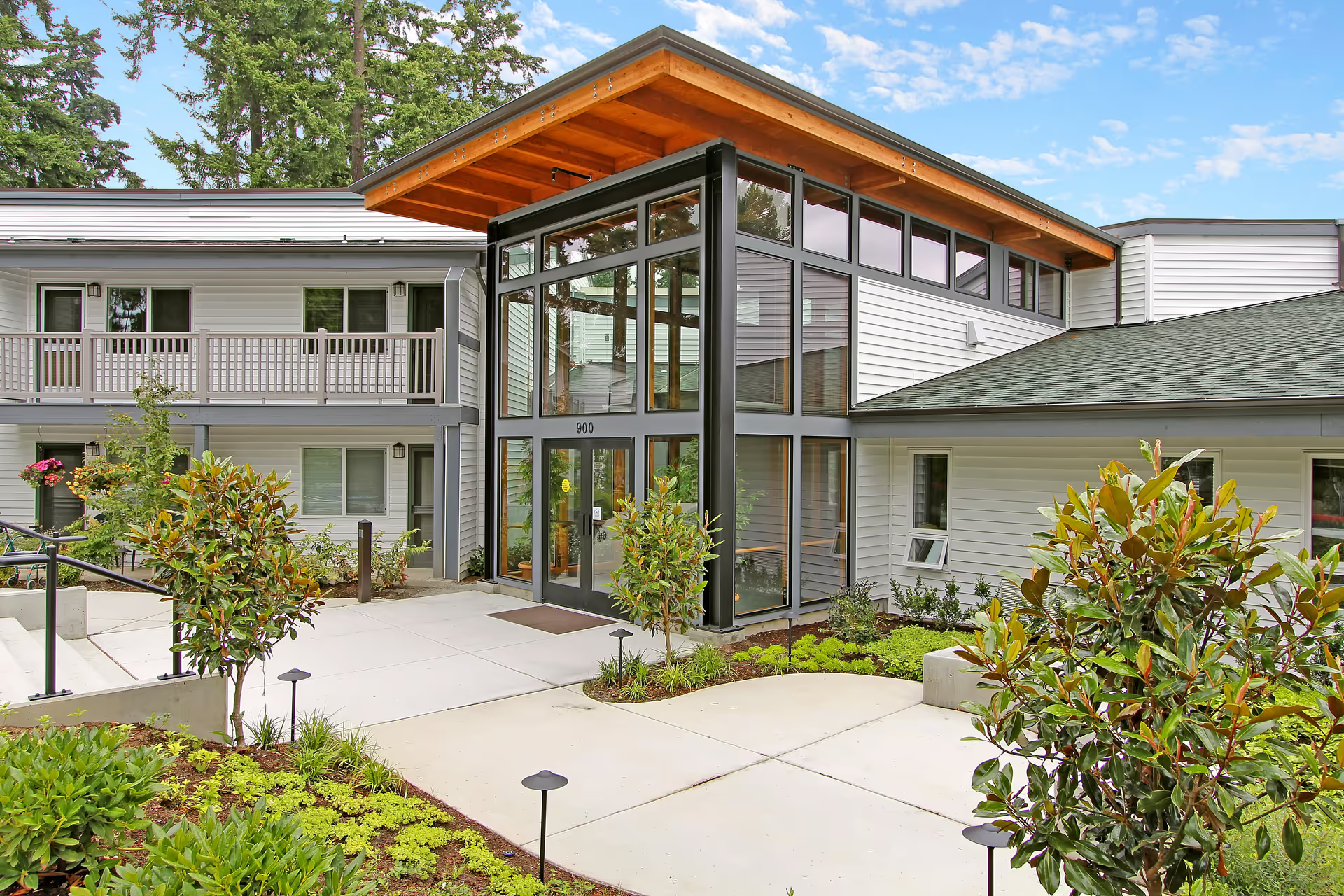
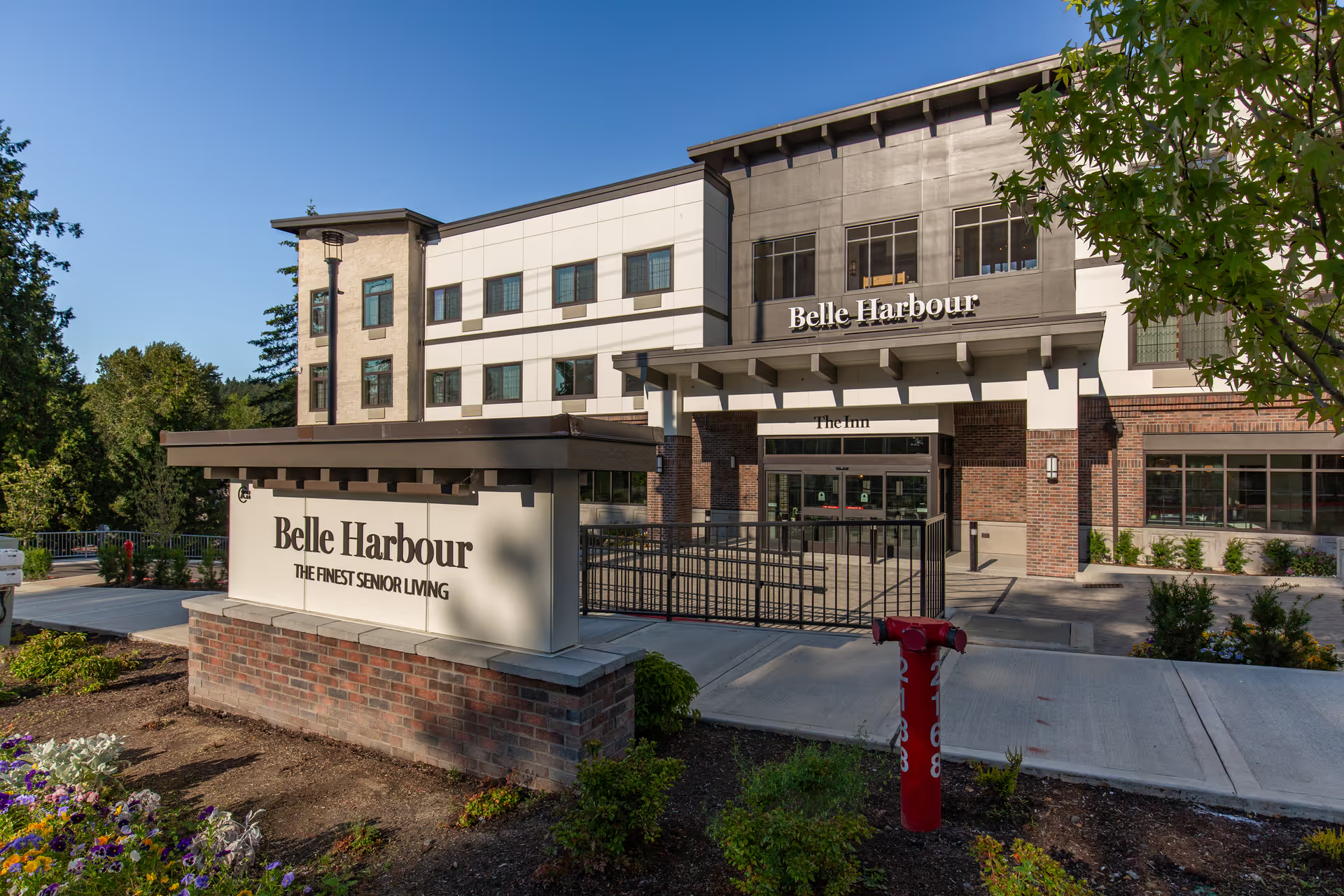
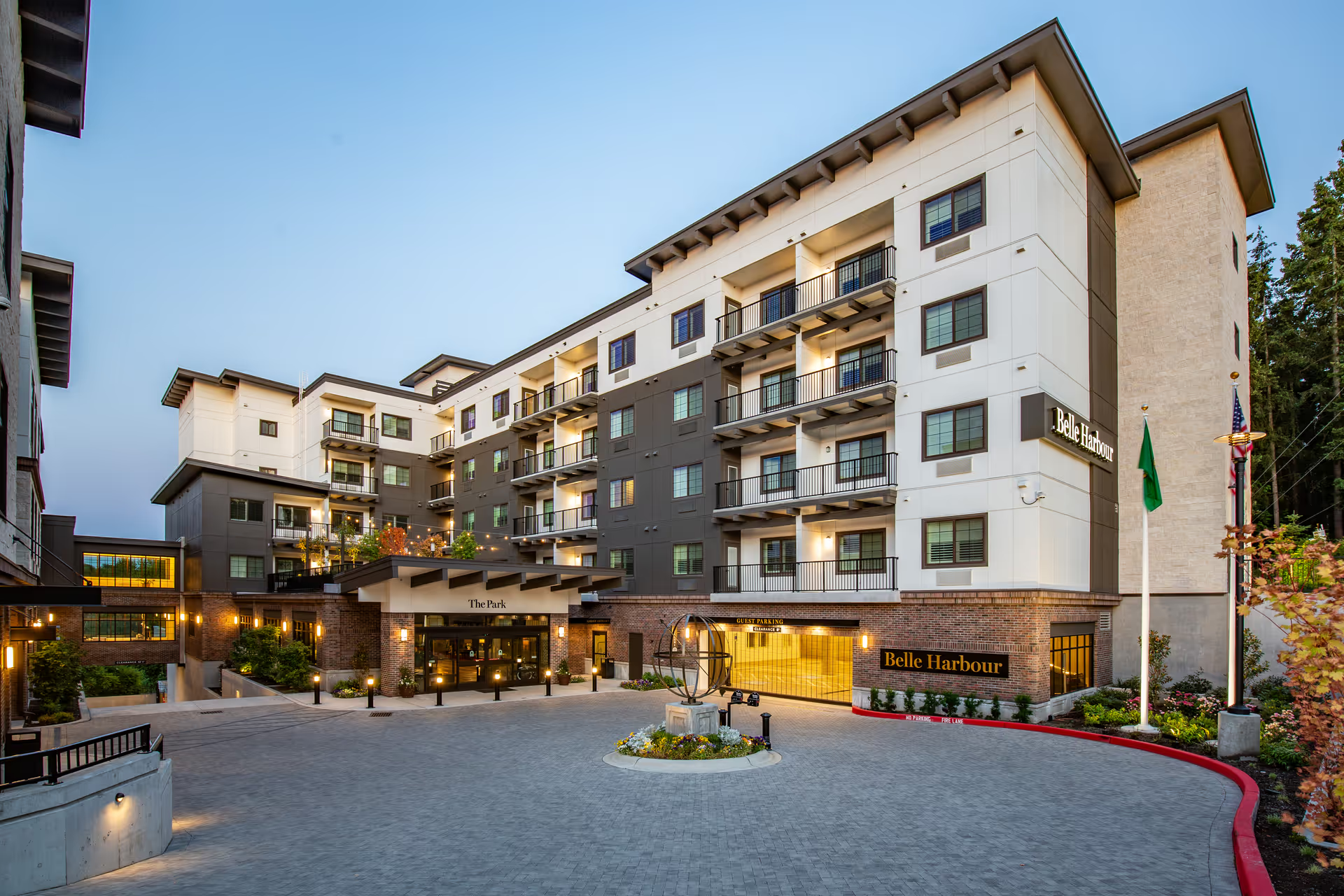
Facilities and infection-control: Physical spaces are described as attractive, well-maintained, and resort-like by some reviewers; residents appreciate private apartment features such as balconies and a small-community feel. During infectious-disease events, the facility implemented strict infection-control measures and, in several cases, flexible solutions (outings, staff visits) to balance safety and engagement. Those same restrictive measures could be emotionally difficult for families when visitation or contact was limited.
Management, communication, and financial practices: Admissions and marketing staff are often described as personable and welcoming, and families report regular outreach from care management. Conversely, billing and charge transparency are recurrent concerns: upfront monthly payment structures, unclear adjustments, and extra fees for standard accommodations generated confusion. There are isolated accounts of problematic staff conduct or communication tone and instances where marketing expectations did not fully align with day-to-day experience; these suggest opportunities for clearer representation and consistency between leadership messaging and operational delivery.
Notable patterns and guidance: The dominant themes are strong relational caregiving and engaging programming paired with operational inconsistency in staffing, food service, and financial transparency. Prospective residents and families who prioritize close staff relationships, dementia-aware care, and active programming are likely to find strengths here. Those for whom consistent weekend/night coverage, strict billing clarity, and rigorous food-preparation controls are high priorities should ask targeted questions during touring and contract discussions—specifically about weekend staffing ratios, kitchen oversight and food-safety practices, toileting-assistance schedules, and a detailed explanation of fees and billing adjustments.