Highgate Senior Living receives many positive comments centered on frontline staff, social programming, dining, and facility presentation. Families commonly describe caregivers as compassionate, attentive, and familiar with residents; front-desk and reception functions are seen as effective daily coordinators. Clinical strengths cited include reliable medication management, coordination with outside providers (podiatry and specialists), individualized care plans, and proactive follow-through for scheduled needs. The community offers an active calendar with frequent outings, drives, and field trips, and multiple reviewers praised a chef-driven dining program with varied, health-conscious menus.
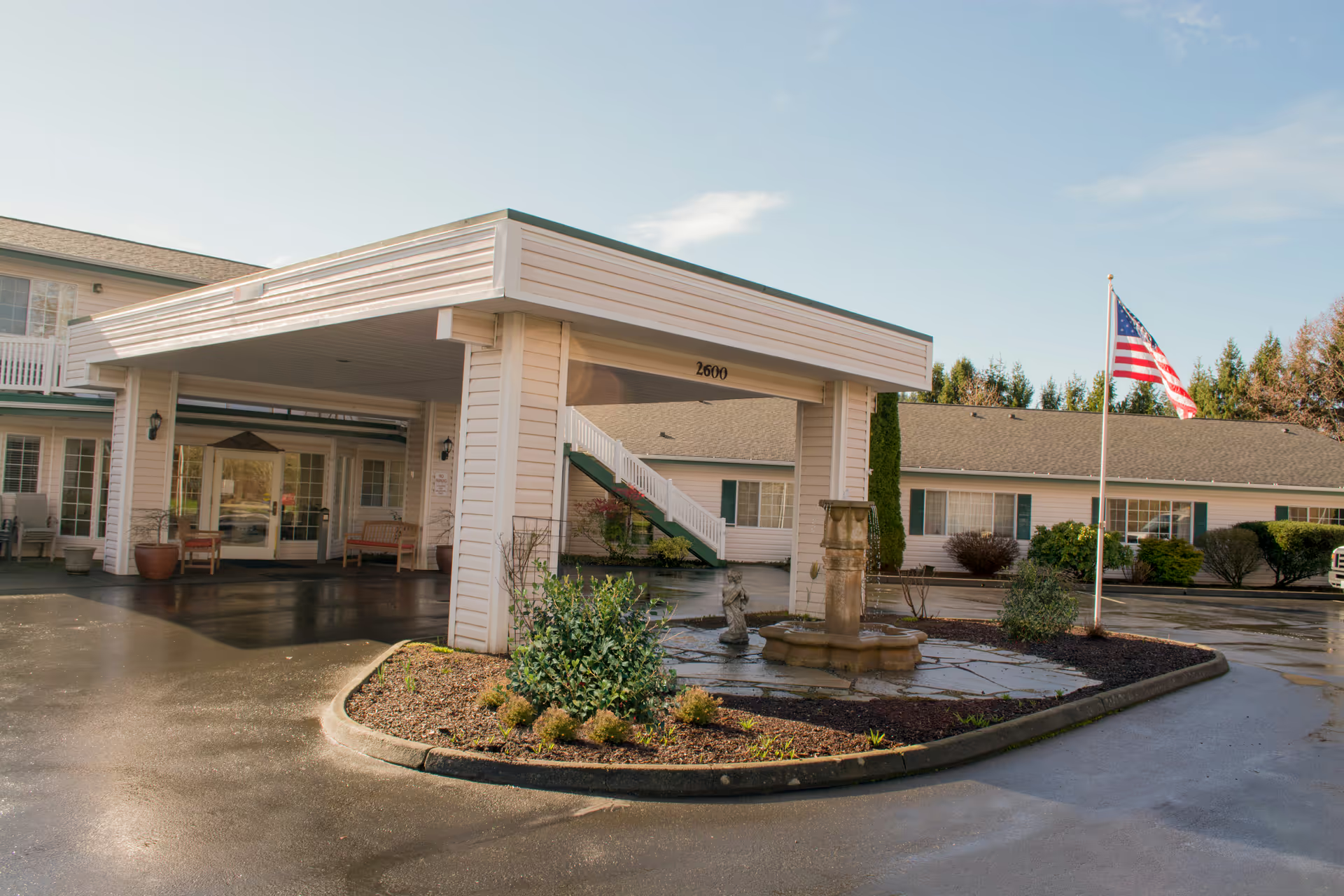
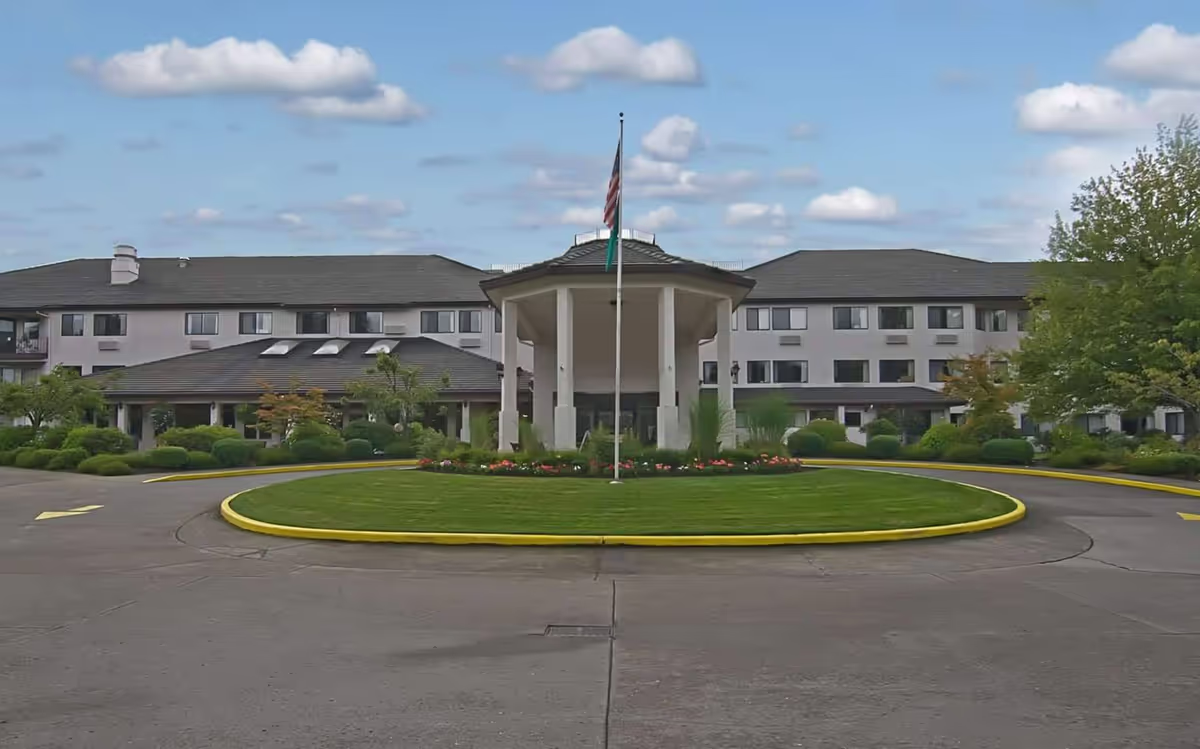
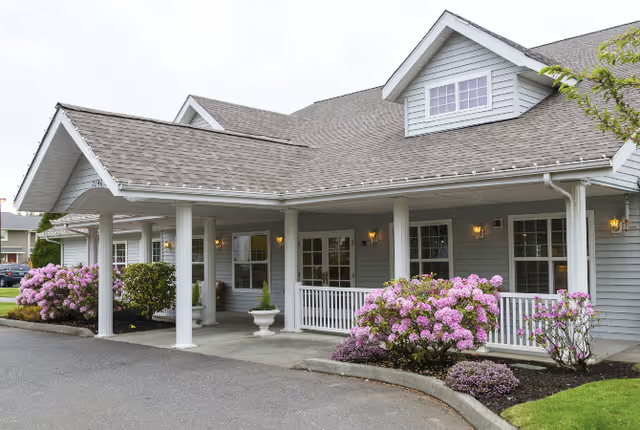
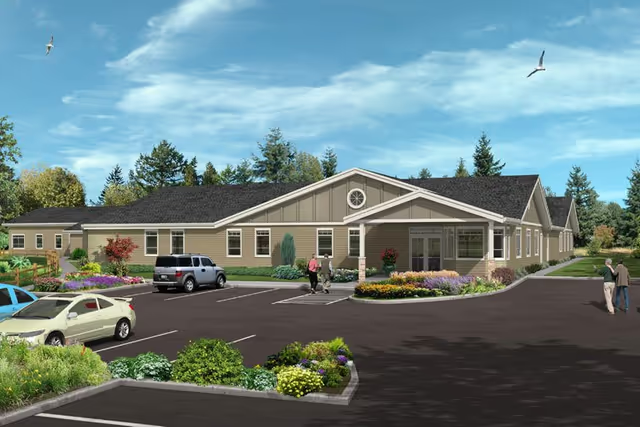
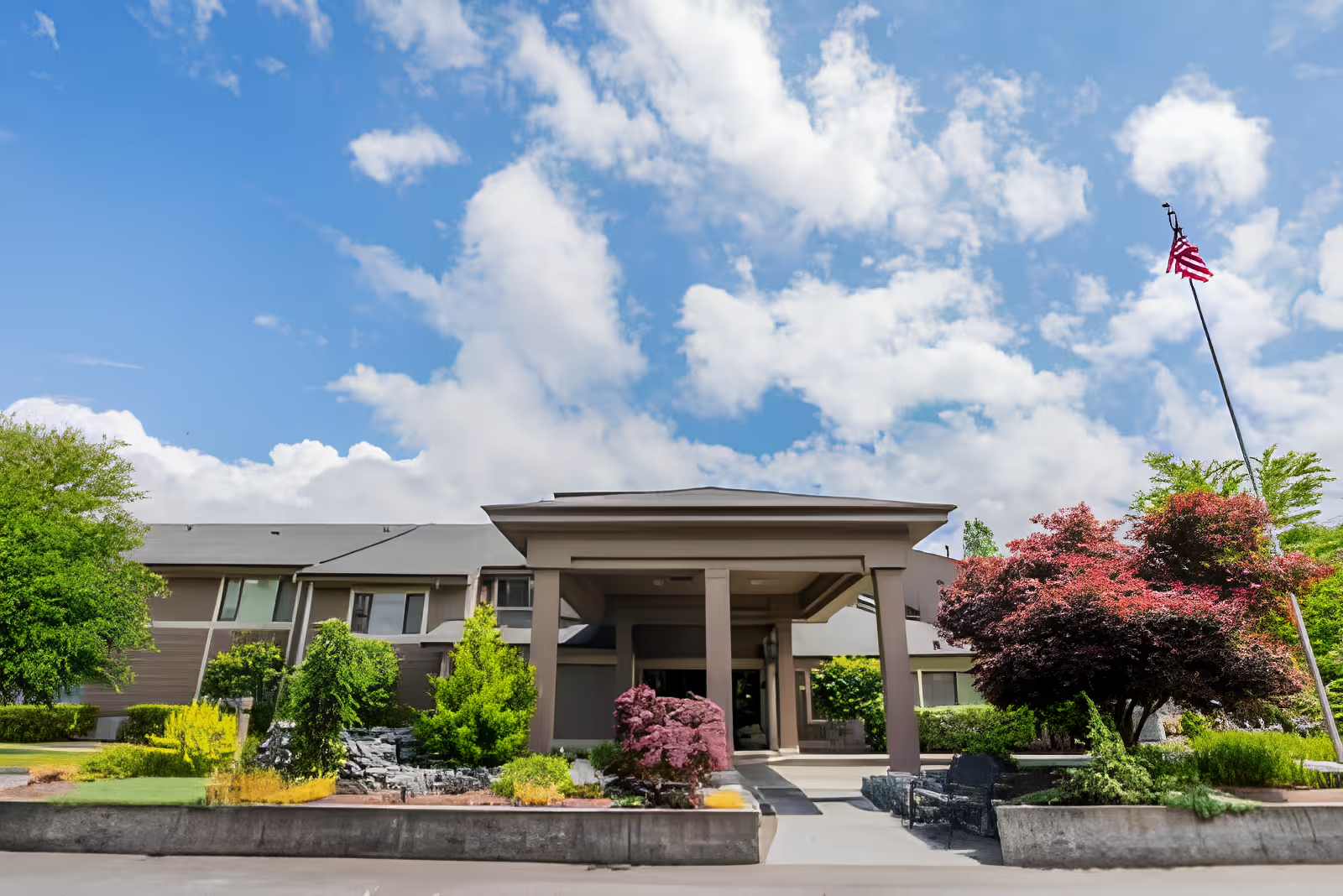
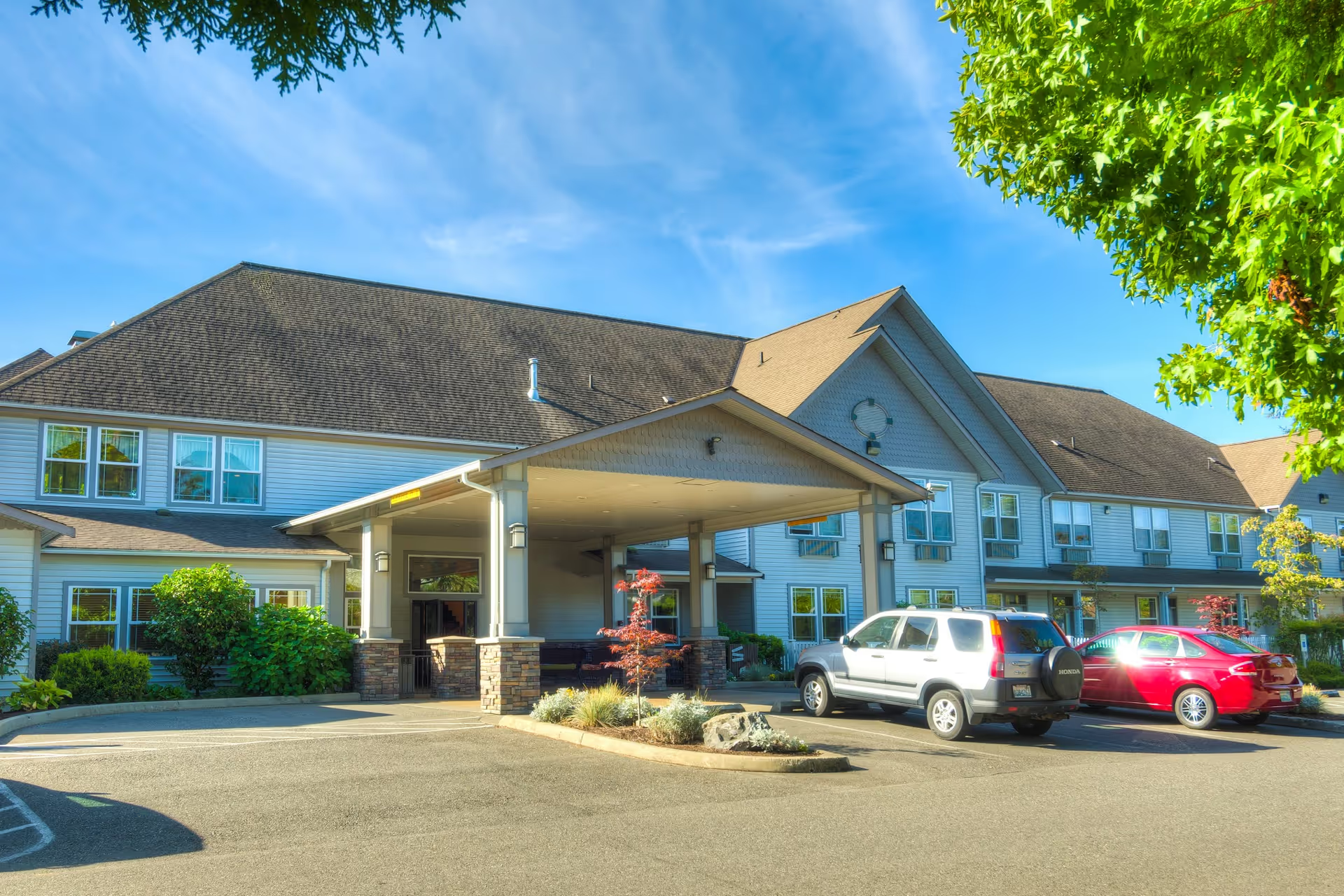
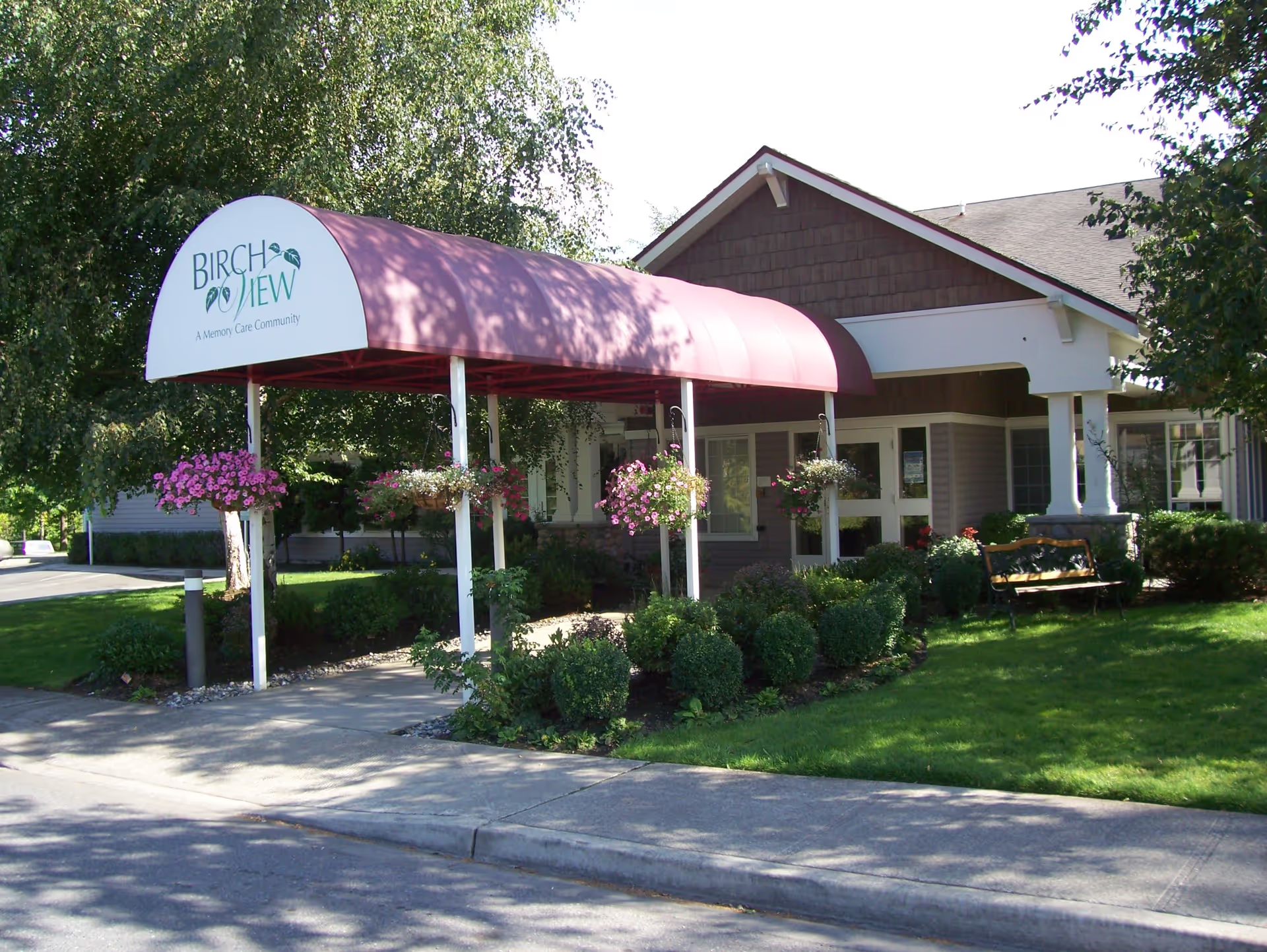
The physical environment is generally described as modern, clean, and well maintained, with a small, home-like feel in many parts of the community. Memory-care residents are housed in a separate cottage that reviewers often characterize as having favorable caregiver ratios and a family-like atmosphere. Many families also highlighted accessible record-keeping, prompt communication from administrative and nursing staff, and supportive transitions for hospice or other care changes.
Despite these strengths, several operational patterns emerged as concerns. Dementia-care competency and readiness for higher-acuity needs appear uneven: while some families reported strong memory-care experiences, others noted gaps in staff expertise and care at more advanced stages. Staffing continuity is inconsistent in some units, with turnover noted as a recurring issue; this can affect perceived consistency of care and resident familiarity with caregivers. Housekeeping and sanitation standards were described as variable in certain areas, generating occasional odor concerns and related dissatisfaction.
Management and leadership receive mixed evaluations. Many families praised accessible and transparent administrators who communicate promptly and manage billing accurately; however, others identified leadership gaps in clinical oversight and perceived decisions that prioritized financial incentives or staffing metrics. Pricing transparency and sizeable upfront fees were flagged as barriers for some families, and several reviewers said the community feels less well equipped or cost-effective for residents who require the highest level of clinical care or end-of-life services. A small number of serious, individual allegations involving crisis handling and law-enforcement involvement were described; these are isolated in the dataset but noteworthy and suggest the need for careful inquiry during touring and admission.
Overall, Highgate appears to be a strong option for residents who benefit from attentive caregiving, robust social programming, and an elevated dining experience in a smaller community setting. Prospective residents and families should weigh those strengths against reported variability in dementia-specific expertise, leadership consistency, housekeeping standards, and the cost/value balance at higher-acuity levels. When considering admission, families may wish to ask specific questions about staff continuity, dementia-care training, infection-control and housekeeping protocols, fee structure and refunds, and demonstrated experience with end-of-life care to align expectations with the facility’s capabilities.