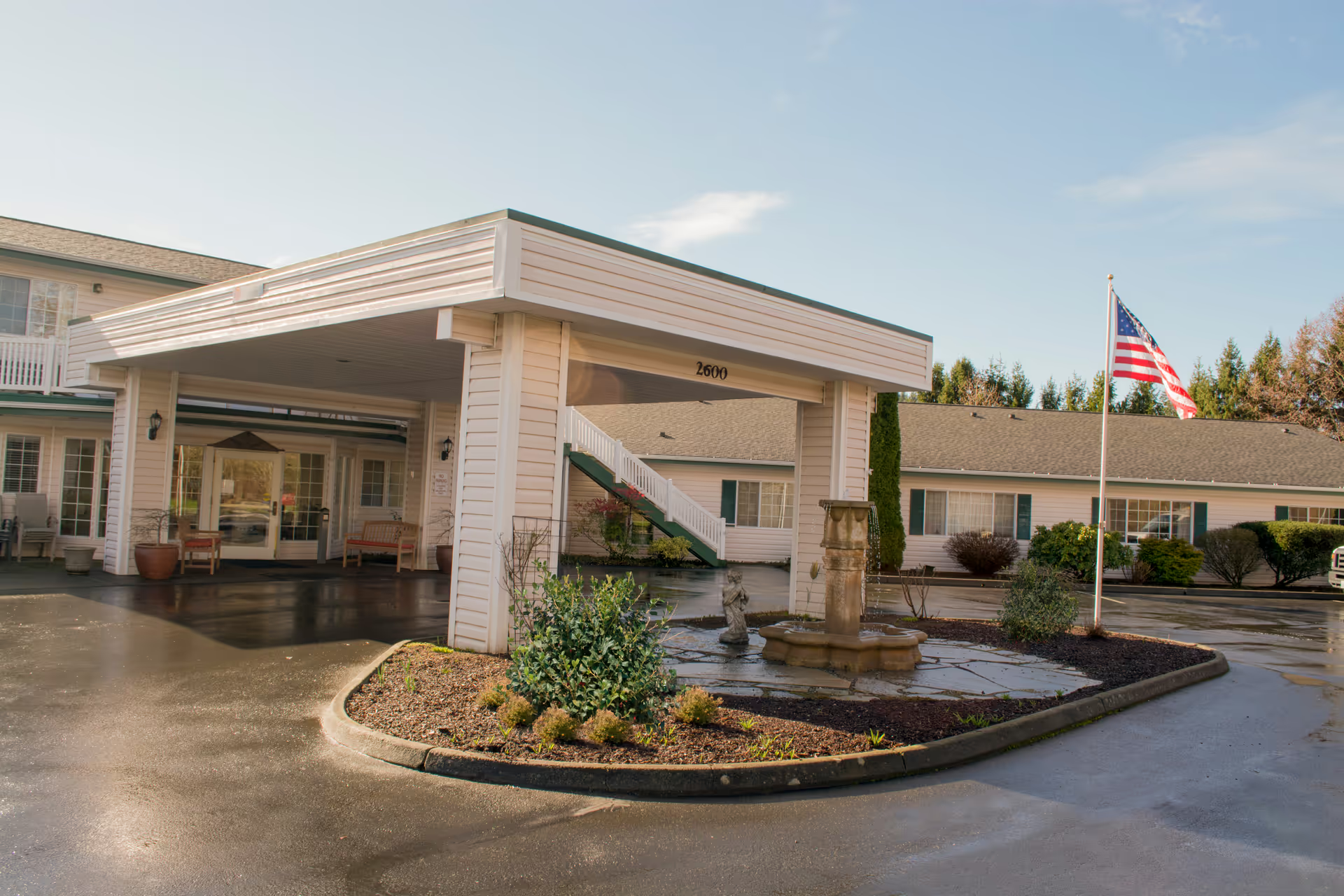
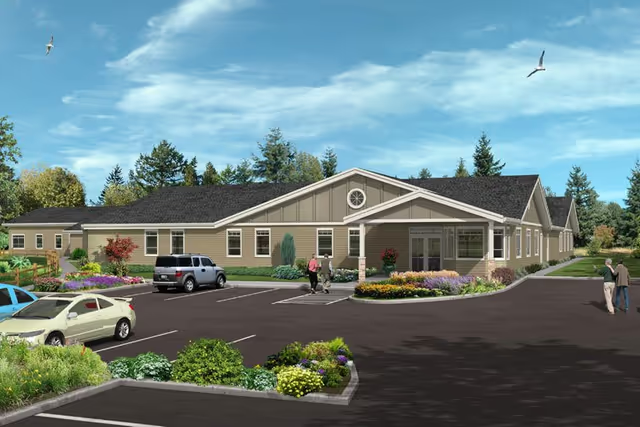
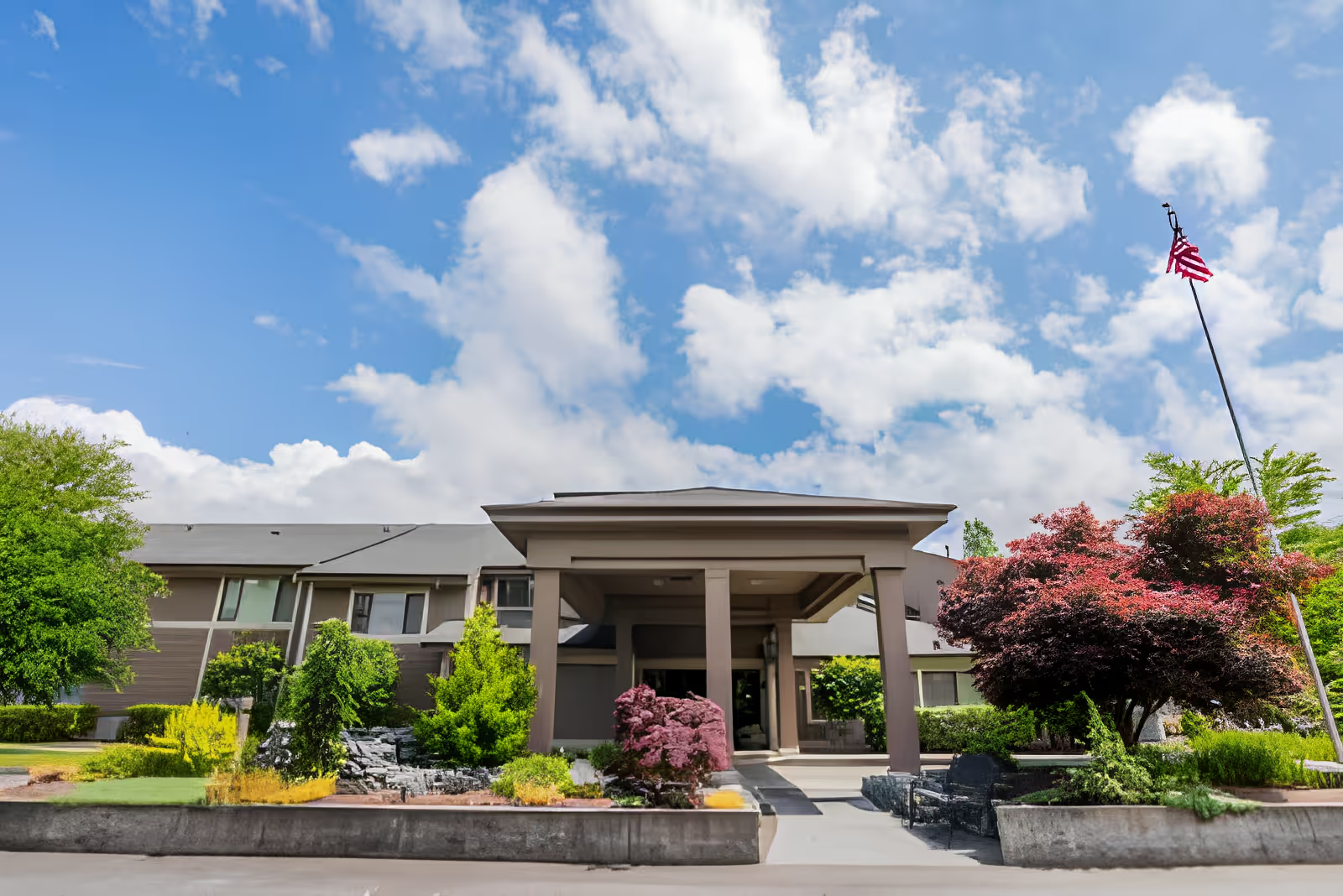
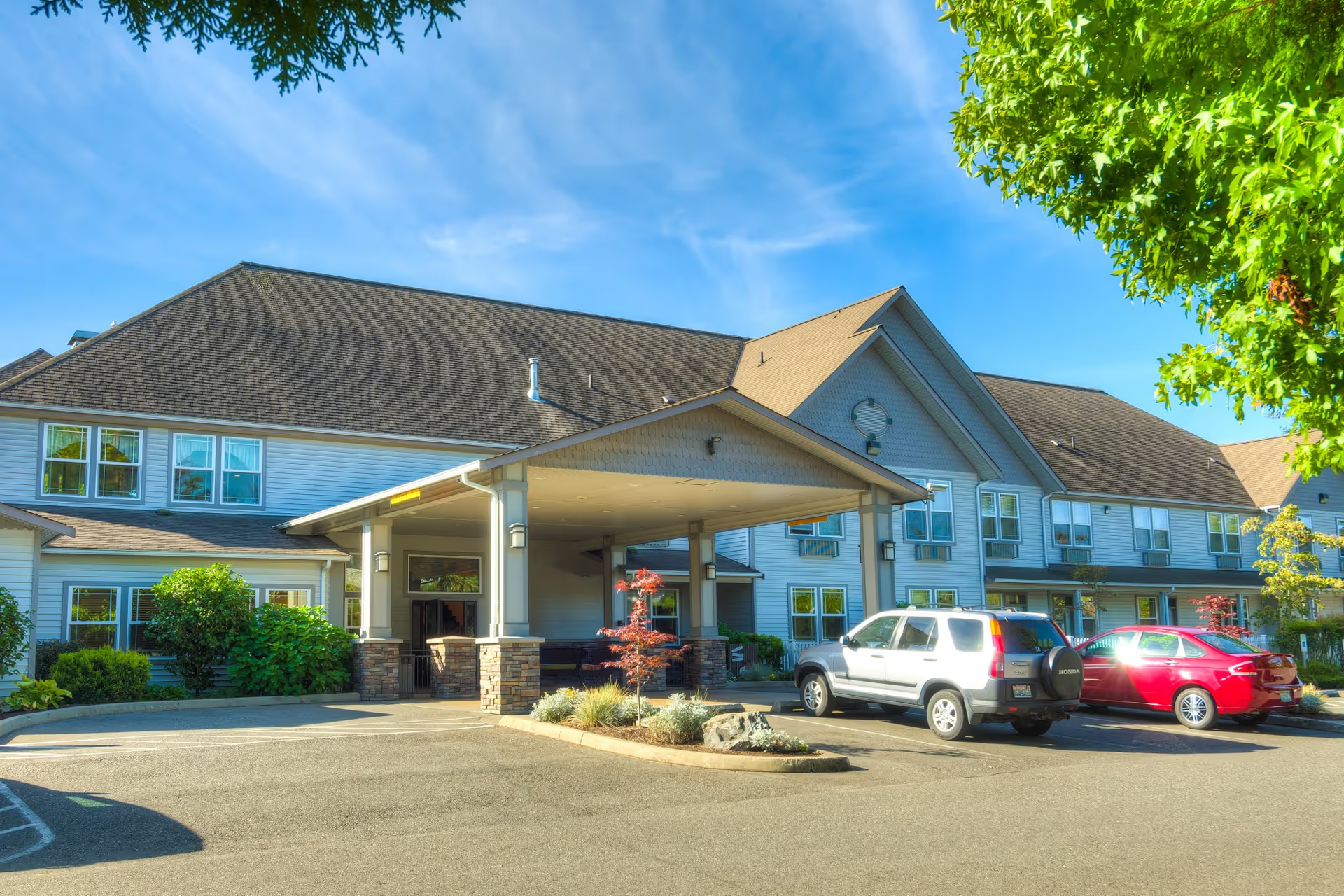
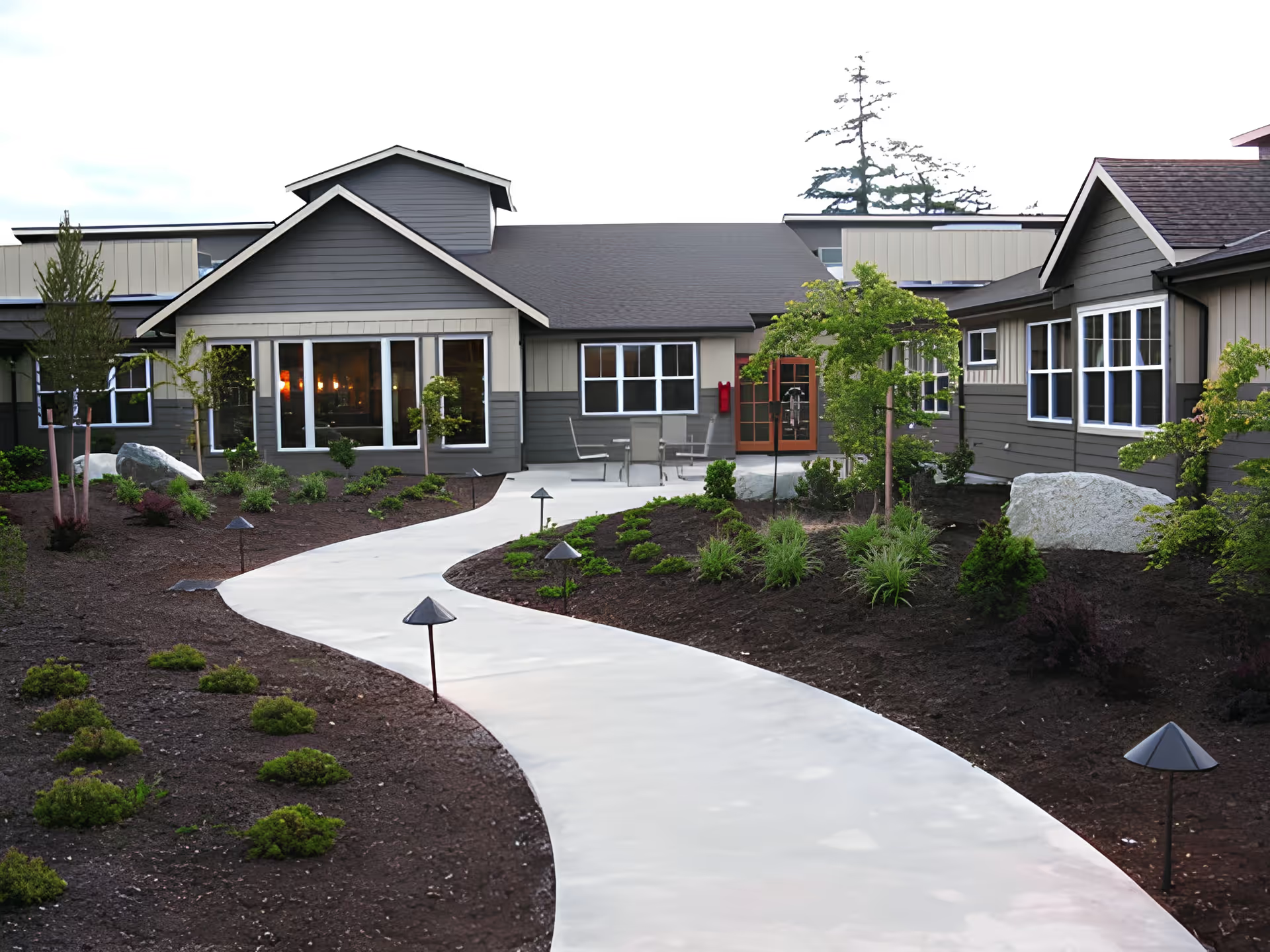
Avista Senior Living Ferndale elicits broadly mixed impressions: many families and residents emphasize a warm, intimate setting with compassionate caregivers and an active social program, while others raise operational and leadership concerns that have affected consistency of care. The community's physical attributes — a single-level layout, wide hallways, modernized common areas, and a pleasant courtyard with outdoor seating — are consistently cited as strengths that support easy navigation and socialization. Housekeeping and laundry services are generally described as efficient, and the small, home-like scale of the community fosters family-like relationships and personalized attention.
Care quality and staff performance are heterogeneous. Numerous reviews describe caregivers who are attentive, respectful, and willing to go above and beyond; several highlight that residents are greeted by name and that individual staff members provide strong family support. At the same time, frequent staff turnover and variability in caregiver training are recurring themes. These patterns have been associated with service delays at times, uneven skill levels among caregivers, and gaps in clinical continuity. The facility also appears to have experienced periods without consistent full-time nursing coverage, which families identified as a significant concern for residents with higher clinical needs.
Dining and kitchen operations are an area of divided opinion. Some families praise the restaurant-style dining room, outdoor dining options, and pleasant lunches or special meals; others describe a sustained decline in meal quality, limited menu variety, repetitive entrées, and operational interruptions (kitchen outages, to-go containers) that reduced the dining experience. More serious operational concerns include sanitation and kitchen-safety issues and inconsistent adherence to food-safety practices, which have contributed to family unease about meal-service reliability.
Activities and communal life are commonly cited positives. The activity schedule—bingo, daily crafts, weekly live music, happy hours, gardening, and outside entertainers—supports regular resident engagement and social opportunities. The small size of the community can increase social cohesion, though a few reviewers felt that the limited resident population sometimes constrained program variety or created occasional social isolation for residents seeking more diversity or stimulation.
Facility management, administration, and financial practices are the most frequently raised areas of concern. Reviews reflect perceptions of inconsistent or absentee leadership, abrupt fee increases or deposits without clear explanation, and uneven follow-through on family communications and billing issues. There are stated allegations of managerial misconduct and intimidation in a subset of accounts; families also described situations that prompted external reporting or regulatory attention. Ownership transition and COVID-era operational changes were cited as inflection points that preceded declines in some operational areas.
Notable operational patterns for prospective families to evaluate in person include: current staffing levels and turnover metrics; documented nursing coverage and on-call clinical support; recent health- and safety inspection results and kitchen-safety protocols; menu samples and meal-service continuity plans; written policies on fees, deposits, and rate increases; medication administration procedures and documentation; and examples of activity calendars. Many reviewers who had positive experiences recommended the community for its compassionate caregivers, small scale, and active programming, while those with concerns advised caution around managerial stability, clinical coverage, and dining/kitchen operations. A careful, up-to-date review of staffing rosters, clinical oversight, and contractual billing terms is advisable before placement.