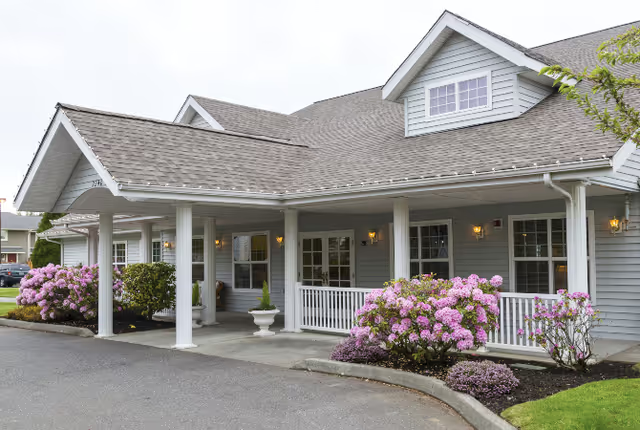
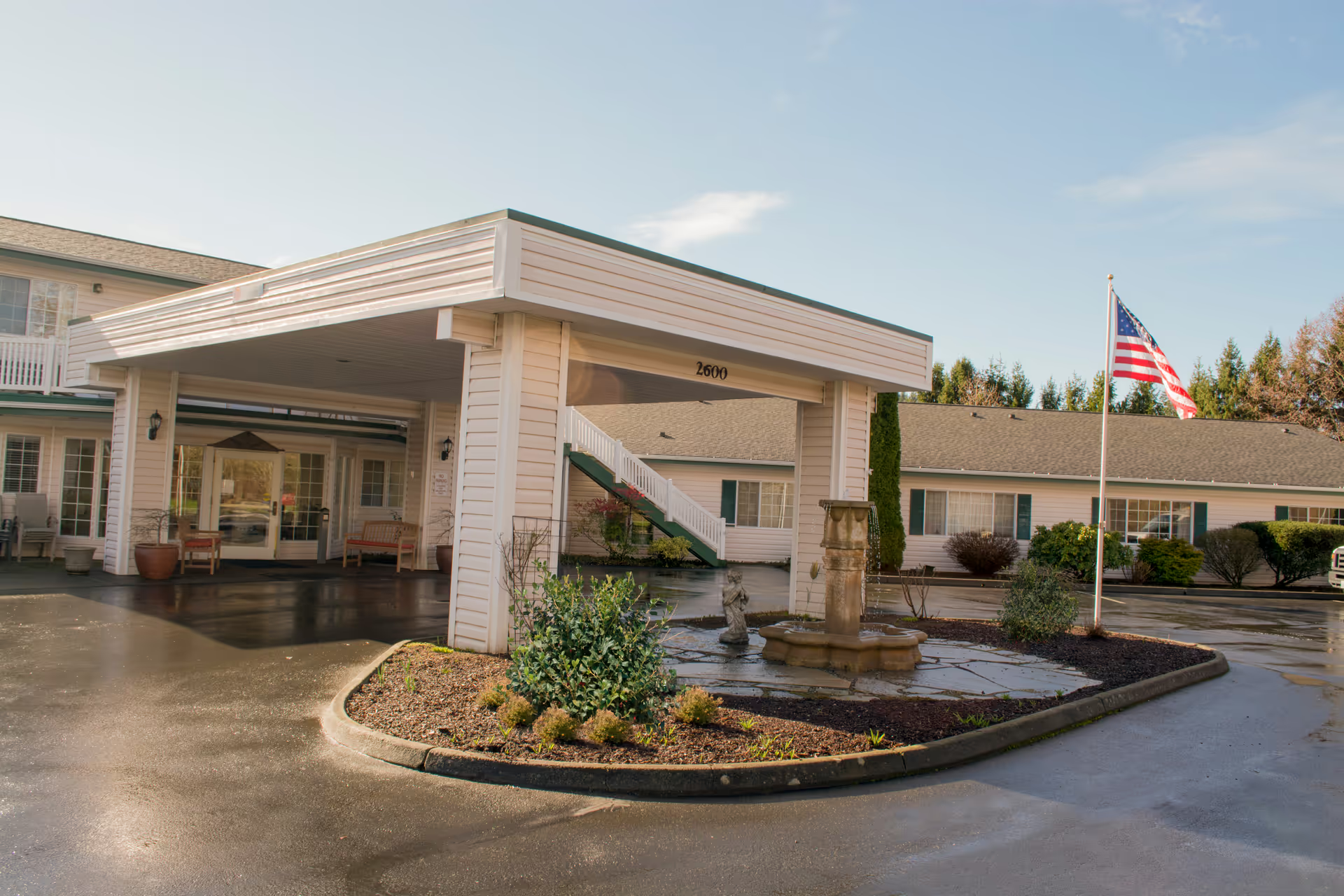
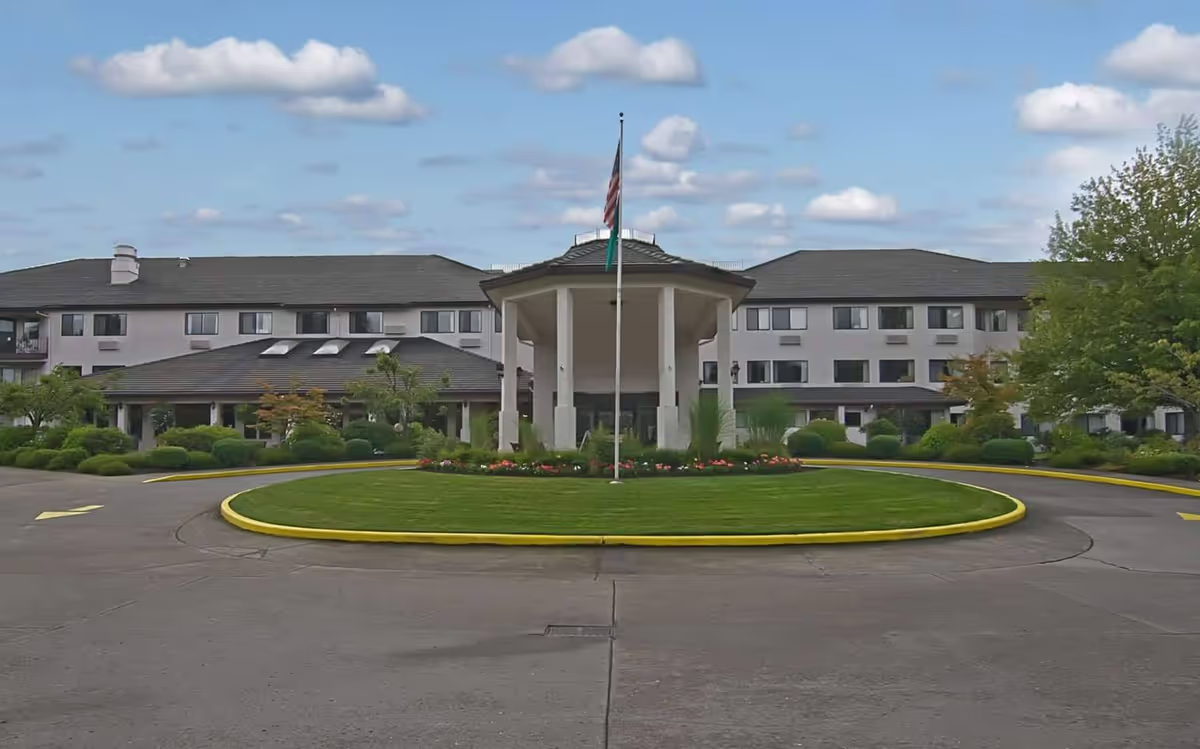
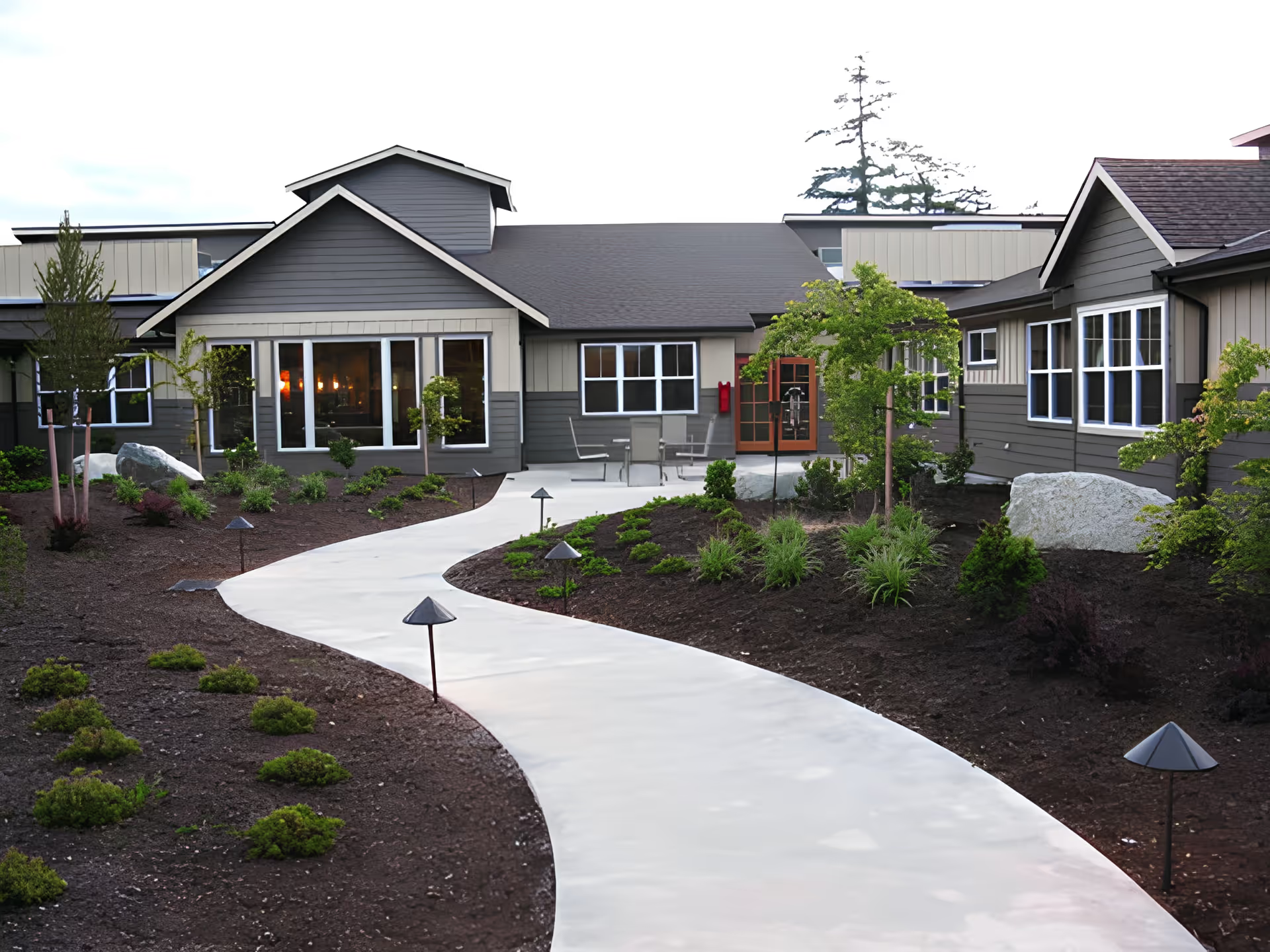
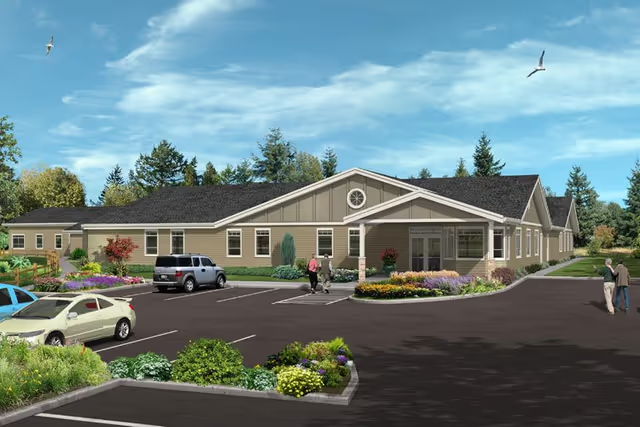
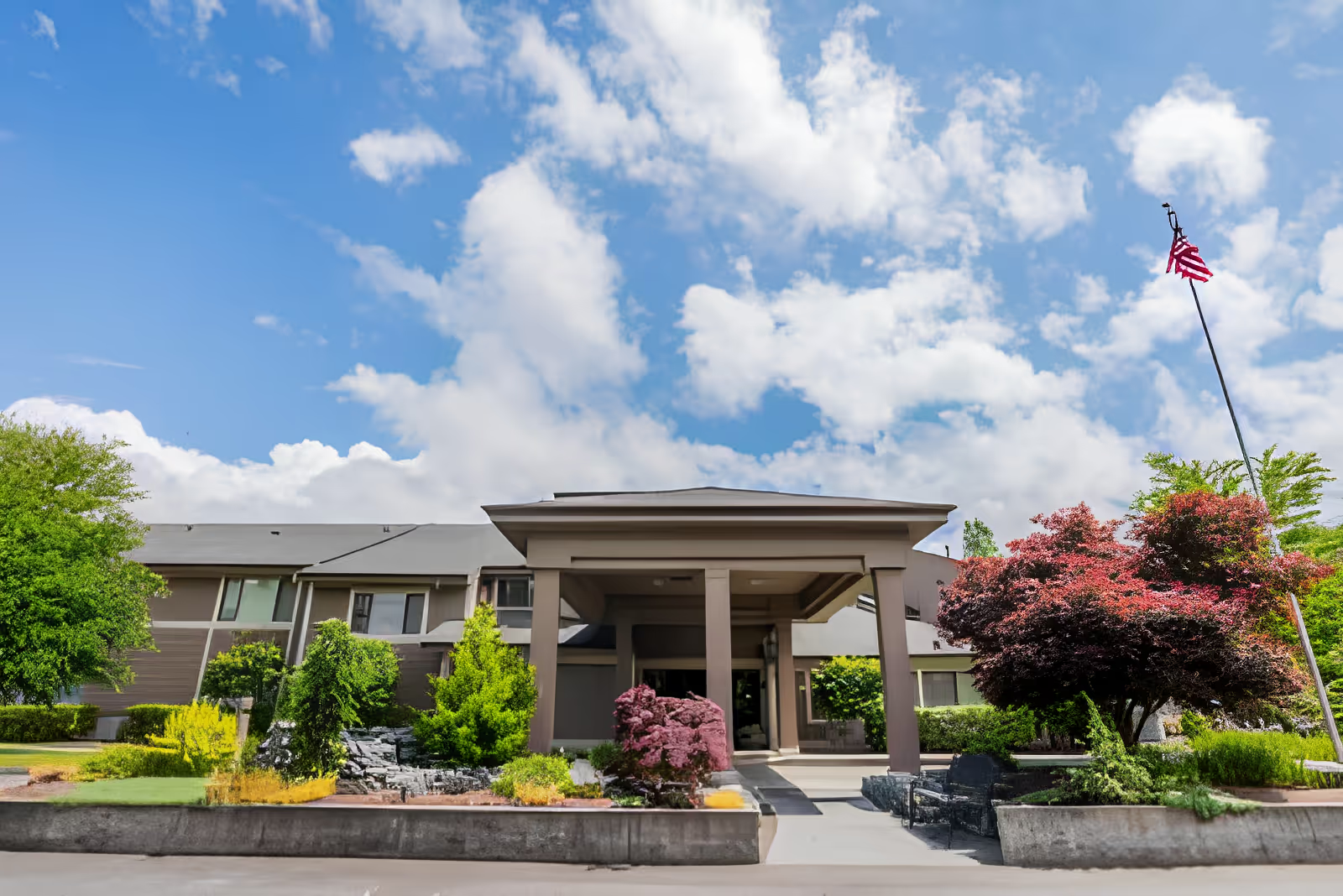
Stafholt Health and Rehabilitation by Cascadia Healthcare presents a mixed profile that combines strong rehabilitation capabilities and a generally pleasant physical environment with operational inconsistencies that families should weigh when considering placement. The facility is organized around a rehab-hospital model and receives consistent praise for its physical and occupational therapy programs; therapy staff are frequently described as skilled, knowledgeable, and effective in achieving rehab goals. A recently renovated wing offers updated rooms and amenities, while common areas such as the large, airy dining room and welcoming reception area contribute to a home-like atmosphere.
Clinical care impressions are mixed. Several accounts describe a thorough and caring initial assessment and attentive nursing at admission, but other reports raise concerns about medication-management practices and informed-consent processes for certain medications. Reviewers also cite inconsistent adherence to individualized care plans and instances where medication administration or documentation did not align with family expectations. These patterns suggest variability in clinical processes rather than uniform practice across the facility.
Staff behavior and responsiveness show a similar split. Many families and residents commend front-line caregivers, therapists, and social services for friendliness, responsiveness, and making residents feel at home. At the same time, there are recurring notes about slow response times to call buttons and occasional delays in attending to non-emergent resident needs. These delays appear to affect perceptions of day-to-day care reliability even where staff are generally described as caring.
Dining and daily-living services are generally viewed positively in terms of environment and affordability; the dining room is often described as homelike and the food as adequate. However, some reviewers note inconsistency in meal textures and meal-service delivery (for example, modified-texture meals), which could reflect variable implementation of dietary plans or kitchen-to-floor communication gaps.
Facility condition is another area of contrast. The new wing and many public spaces are described as immaculate and comfortable, whereas the older wing is characterized as functional but undergoing refurbishment. This unevenness may affect room choice and expectations about amenities. Management and communication practices draw both praise and critique: social services and some nursing staff are appreciated for accessibility and advocacy, but families also report canceled care conferences, uneven follow-up after clinical incidents, and unclear scheduling (for example, shower timing).
Taken together, Stafholt appears to offer strong rehabilitative services, a pleasant environment in renovated areas, and supportive therapy and social-service staff. Prospective residents and families should assess unit-specific conditions and discuss medication-management, call-response expectations, and family communication protocols with facility leadership before admission. Those priorities will help determine whether the facility’s strengths align with an individual’s care needs and expectations.