Care quality: Reviewer feedback is mixed. Many families and visitors praised frontline caregivers for compassionate, patient bedside care and clinical experience, particularly during short-term post-stroke and transitional stays. At the same time, there are consistent operational concerns: therapy frequency and follow-through appear inconsistent, physician-ordered treatments were at times not delivered promptly, and some residents required hospital transfer after brief stays. Several accounts raise questions about the facility’s capacity to manage more advanced cognitive impairment, indicating limited dementia-care capability.
Staff: Direct-care staff receive the clearest positive feedback — described as kind, supportive, and hardworking. Conversely, families noted variability in nursing and supervisory interactions: communication from the social worker and administration was frequently described as unreliable, and the tone and responsiveness of clinical leadership were uneven across shifts. This produces a contrast between the skills and demeanor of bedside caregivers and perceived gaps in higher-level care coordination.
Dining and nutrition: Review content did not center on dining. There is no consistent pattern about meal quality or service; prospective families should request current menus and sample meals during a visit and ask about on-shift dining supports for residents with swallowing or dietary restrictions.
Activities and spiritual care: Several reviewers described a limited activity program and a lack of volunteer pastoral visits, contributing to a less engaging resident experience for some. Activities and spiritual supports appear uneven; families seeking a program-rich environment or regular volunteer pastoral services should inquire about the facility’s activity calendar, staffing for programming, and volunteer partnerships.
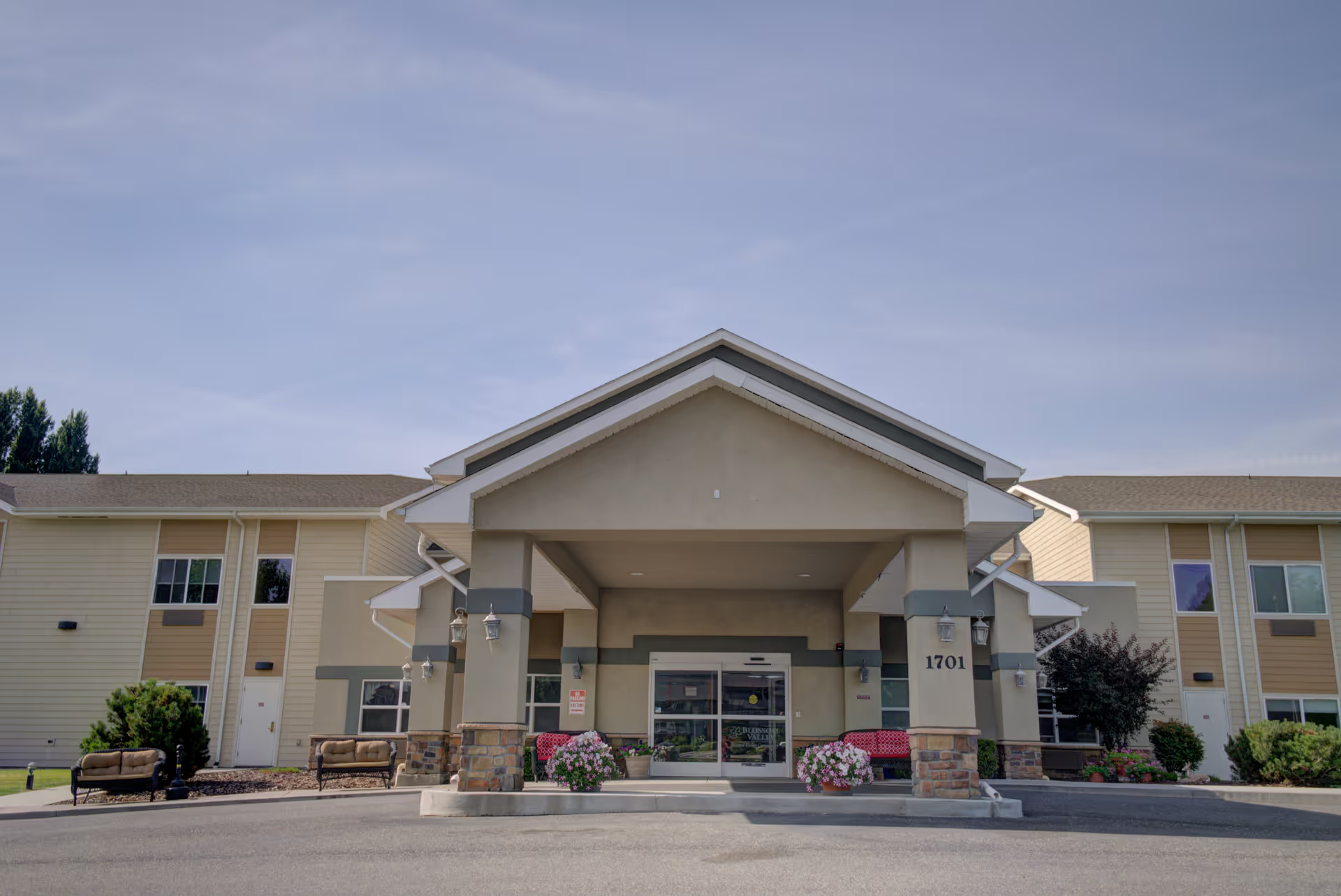
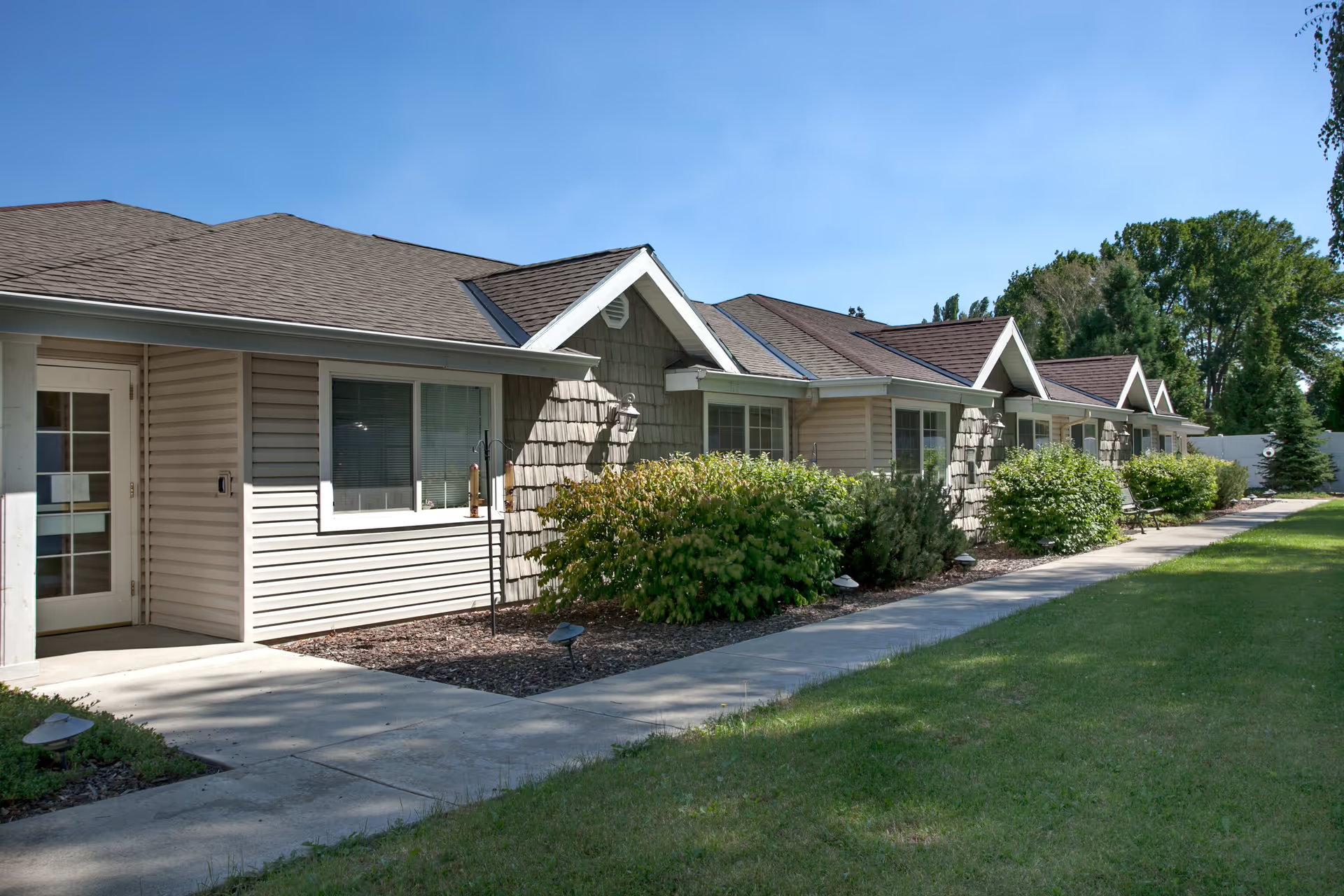
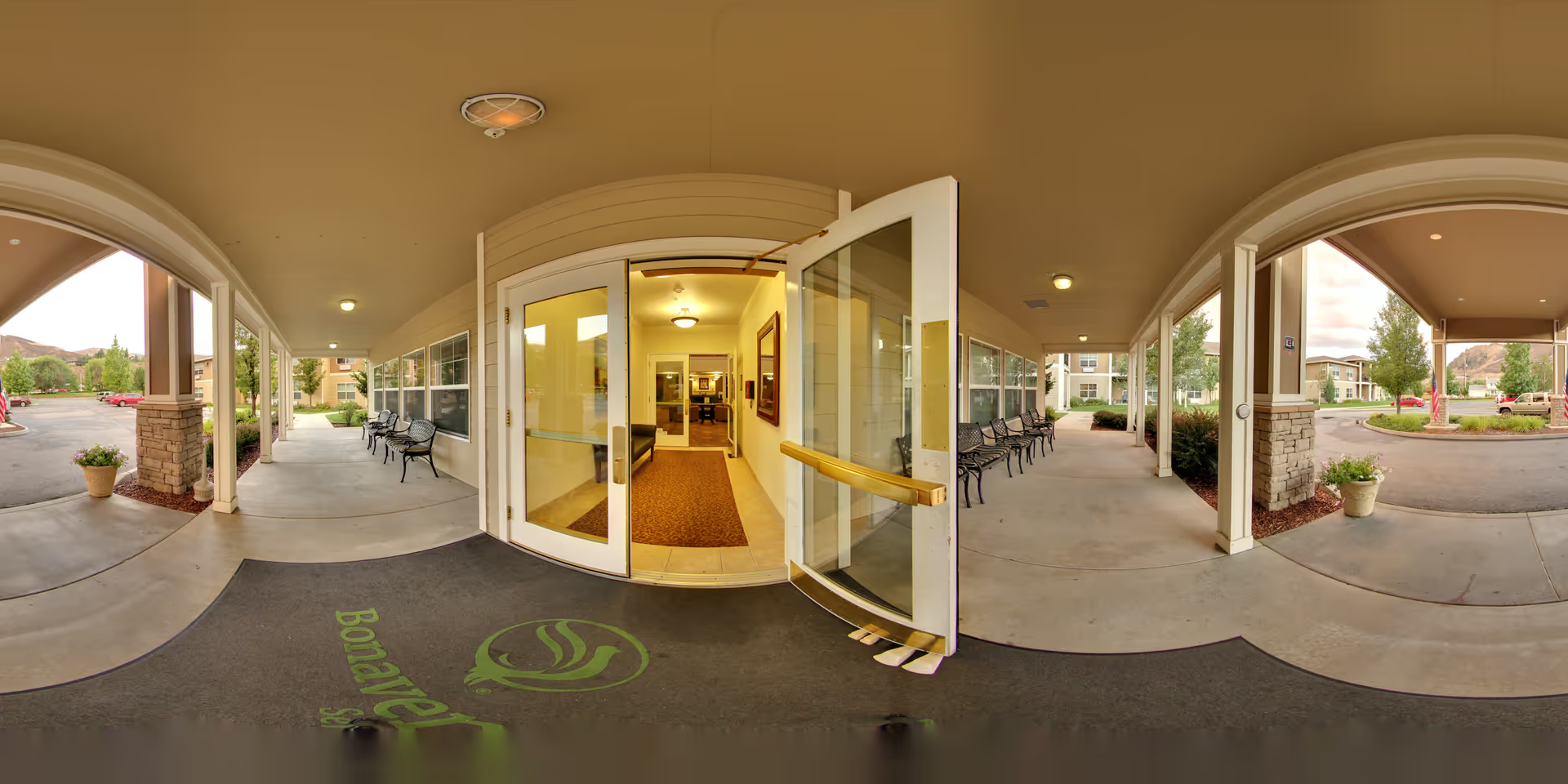
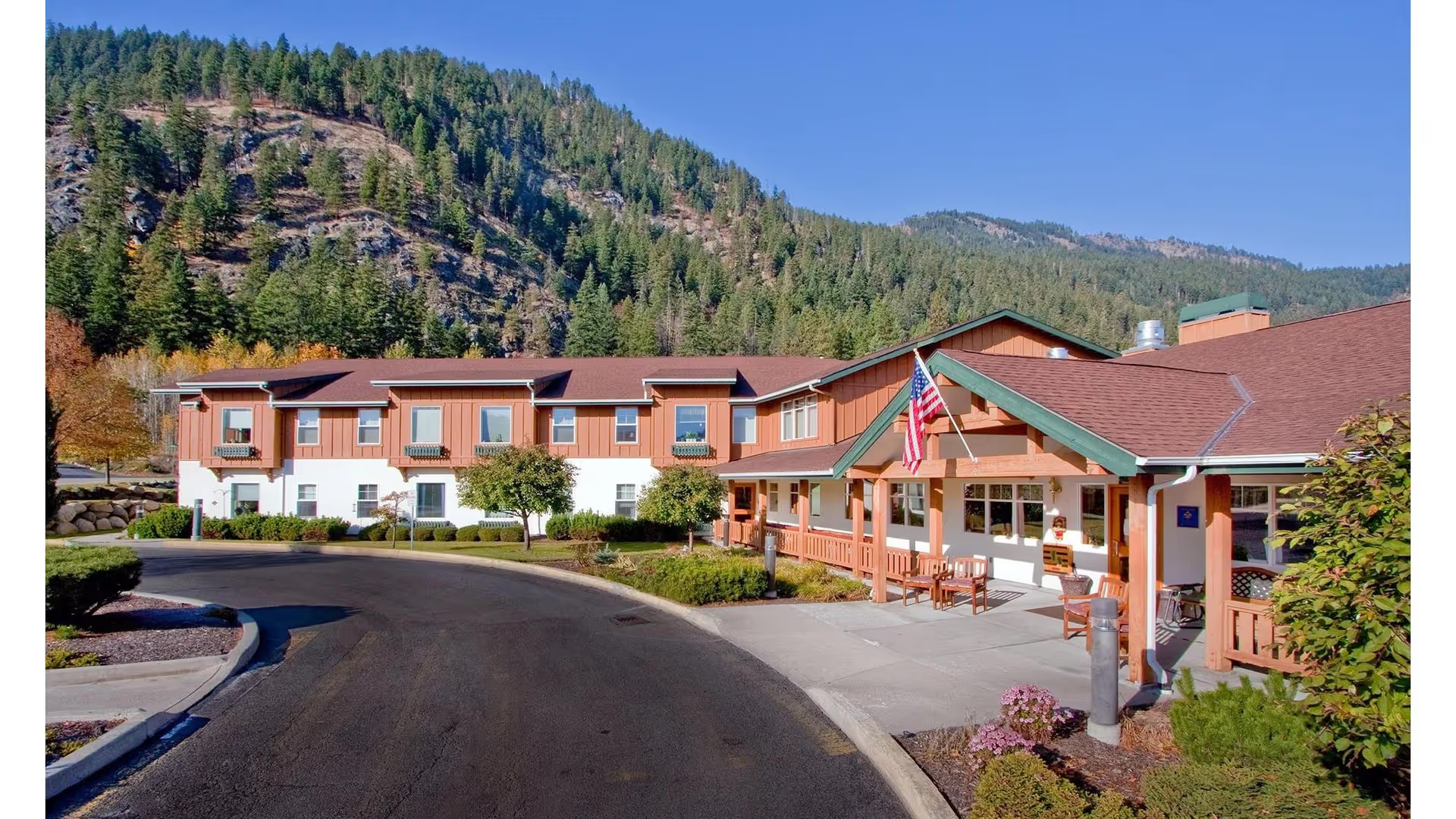
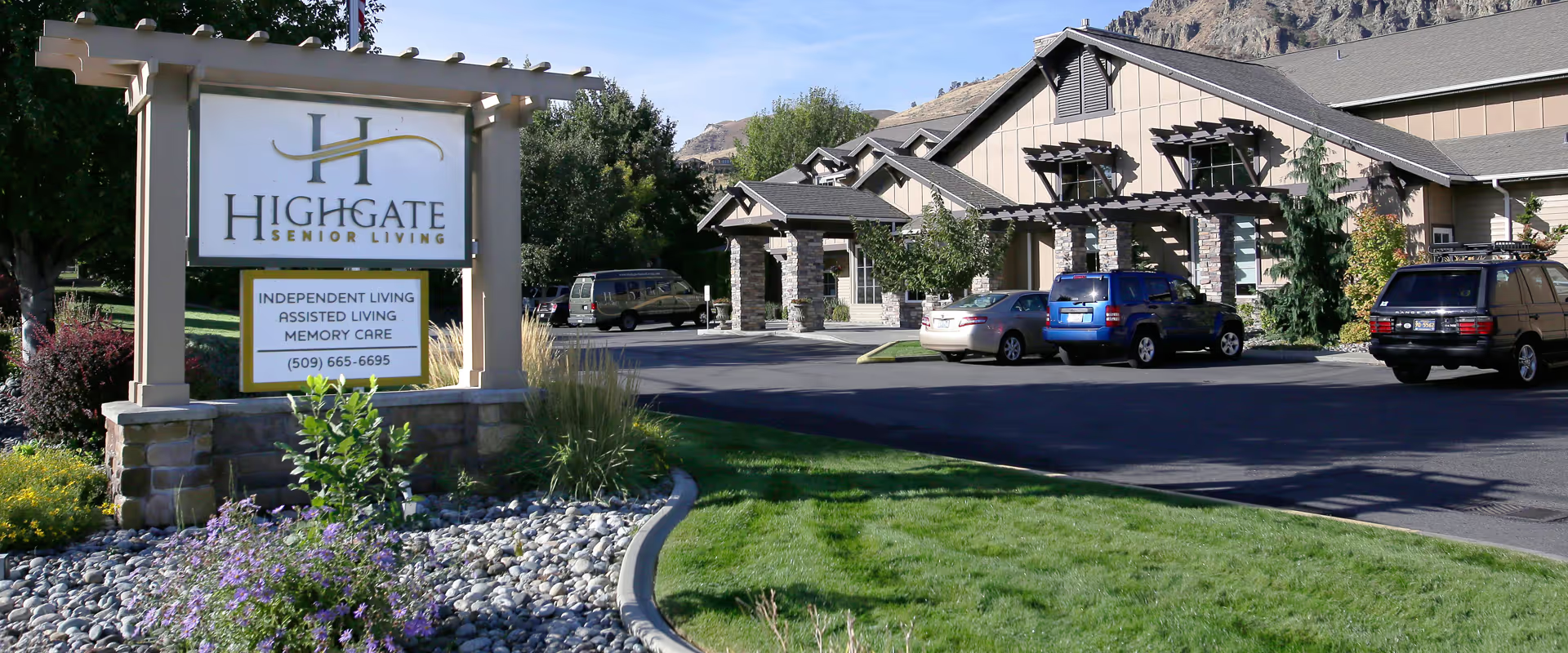
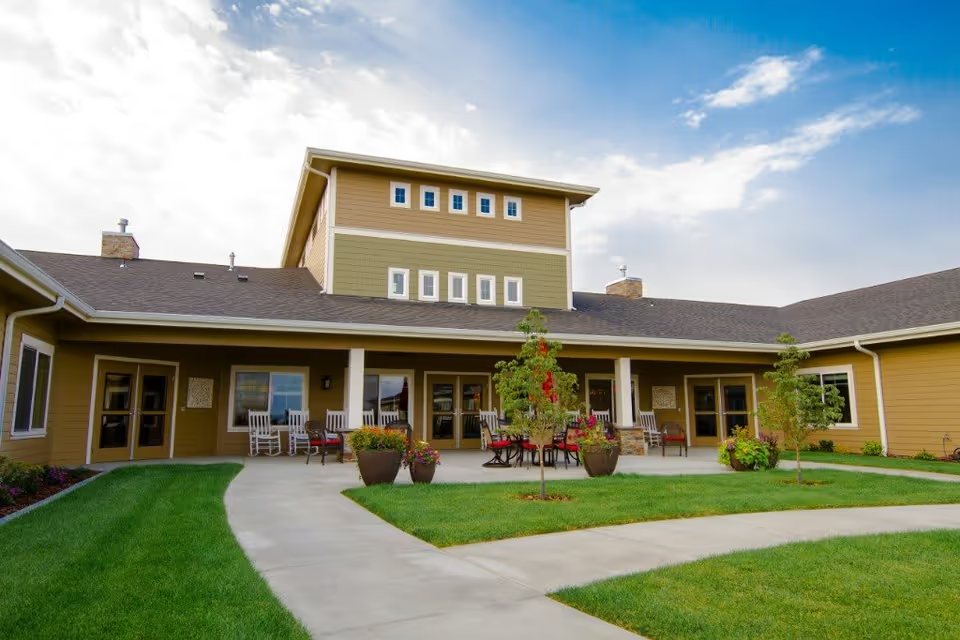
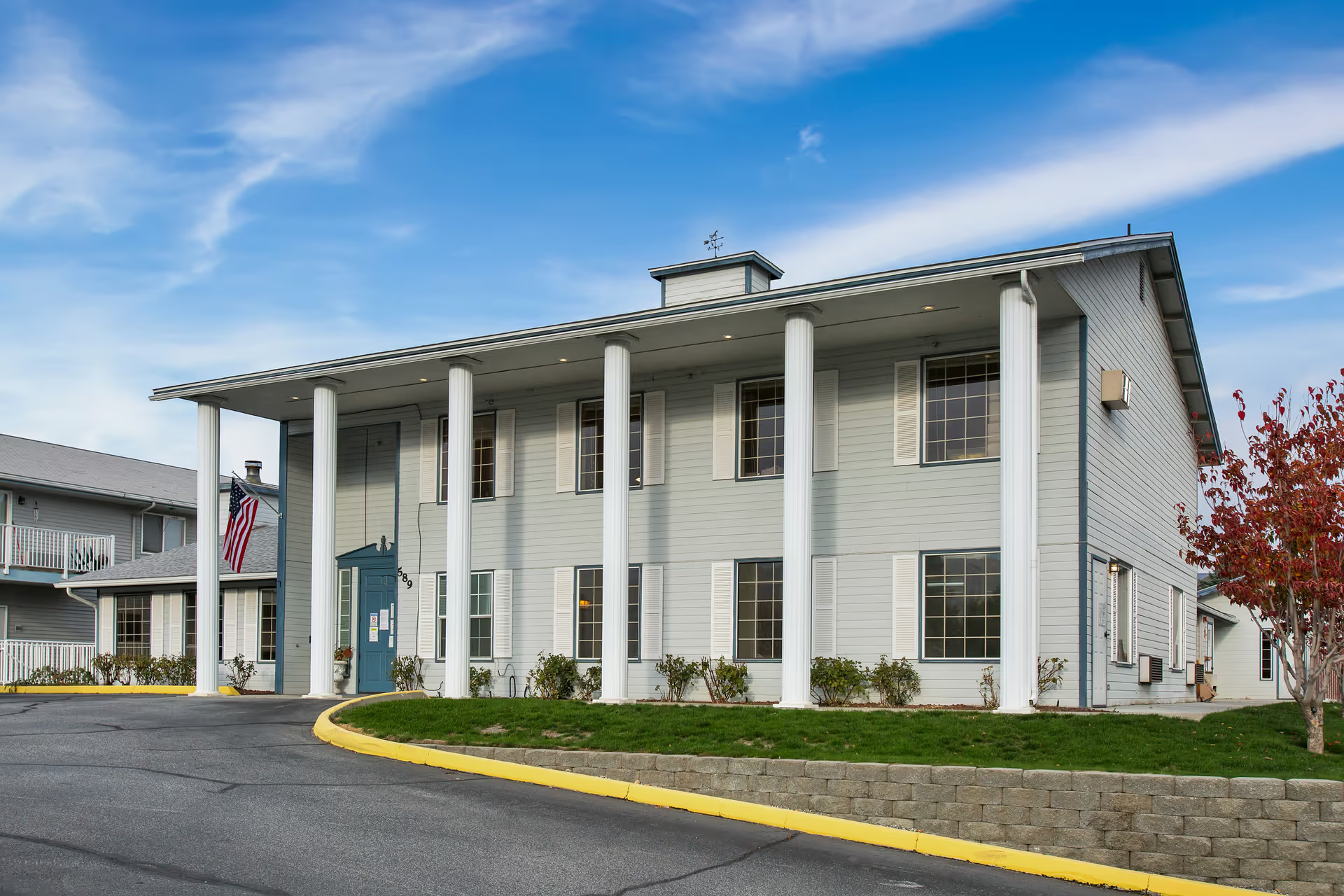
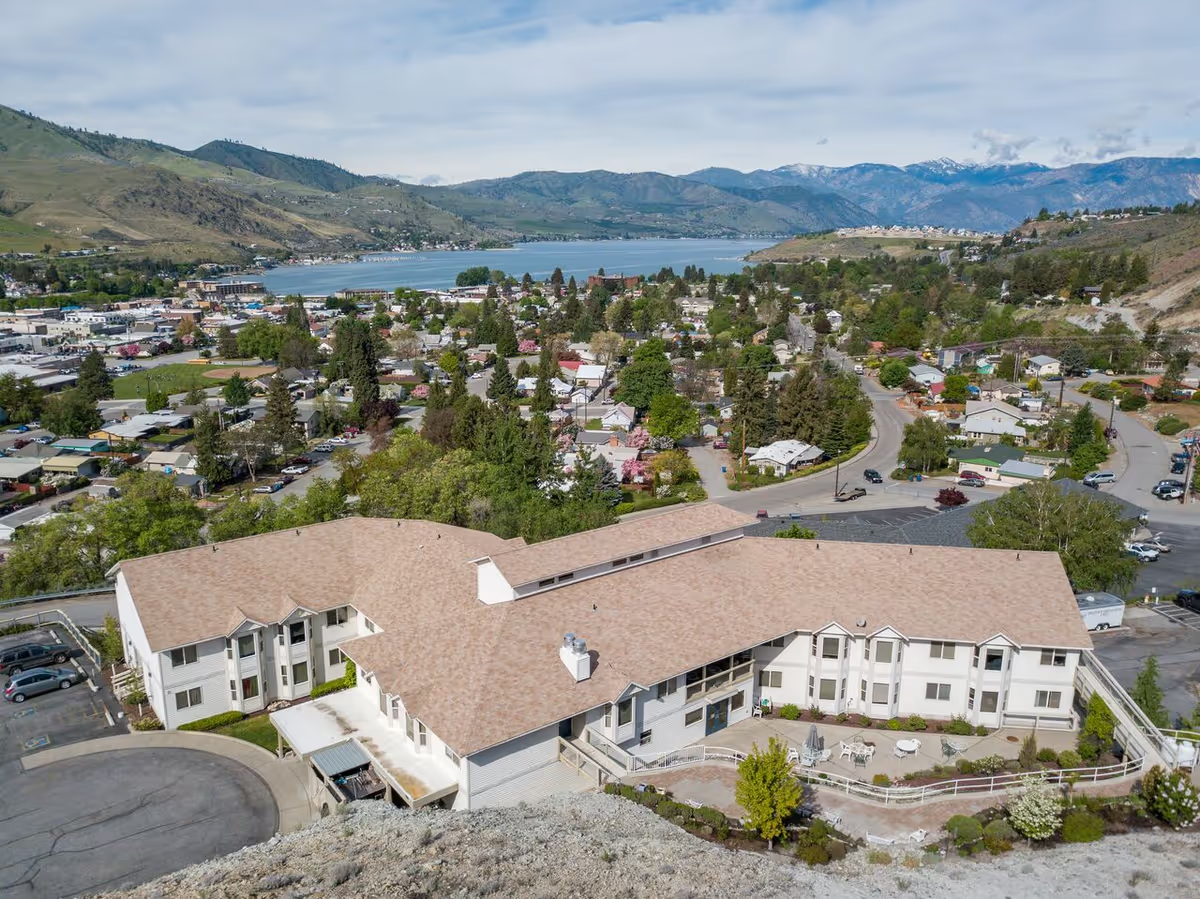
Facilities and environment: The physical plant is described as functional rather than new. Some families observed improvements since a change in ownership and highlighted increased management involvement (for example, assistance with visit logistics). However, safety and monitoring concerns were raised by multiple families, who requested increased surveillance and clearer incident follow-up procedures.
Management and operations: Management performance is described as improving by some, but inconsistent by others. Positive notes include management engagement under new ownership and an expressed willingness to implement audit feedback. Negative patterns include slow or absent callbacks, perceived lack of advocacy for best medical practice, and at least one billing dispute that highlights the need for clearer financial communication and billing transparency.
Notable patterns and guidance: The reviews present a polarized picture — strong, compassionate bedside care alongside operational weaknesses in communication, therapy reliability, dementia care capacity, and safety monitoring. Families considering placement should verify rehabilitation schedules and adherence, clarify how physician orders are tracked and delivered, ask about dementia-care programming and staff training, review incident-reporting and family-notification procedures, and request current audits or quality-improvement documentation. An in-person tour, meeting with the social worker and administrator, and checking recent regulatory or quality reports will help prospective residents weigh the facility’s clear strengths in frontline caregiving against its ongoing operational concerns.