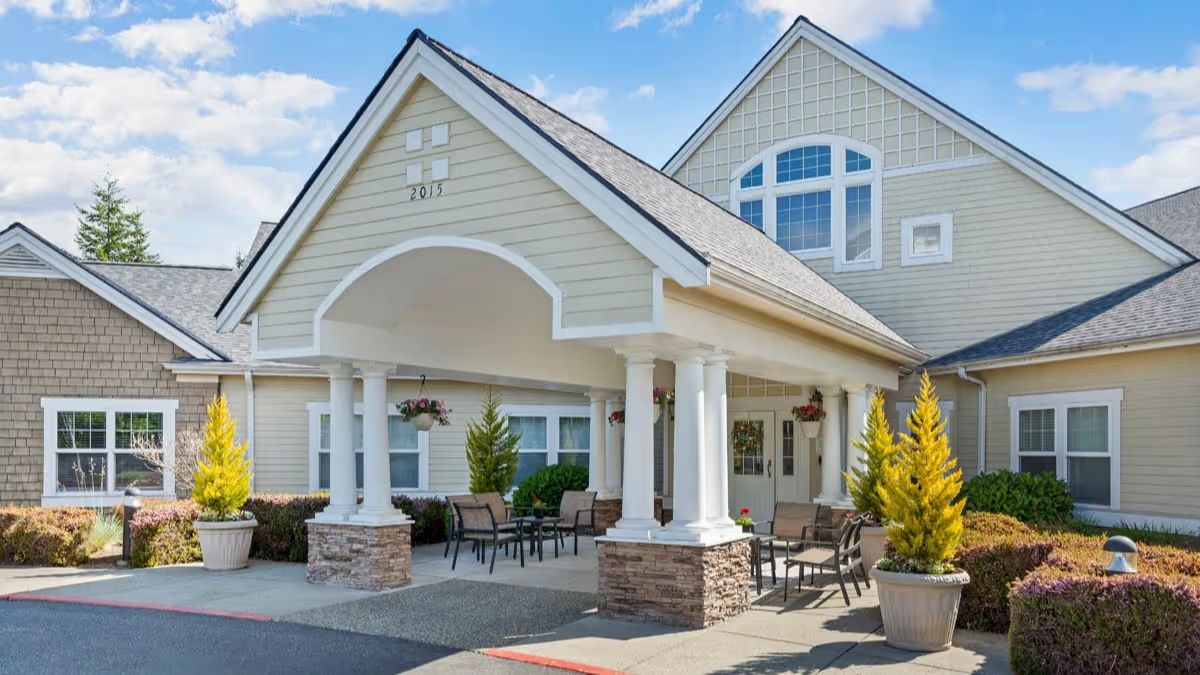
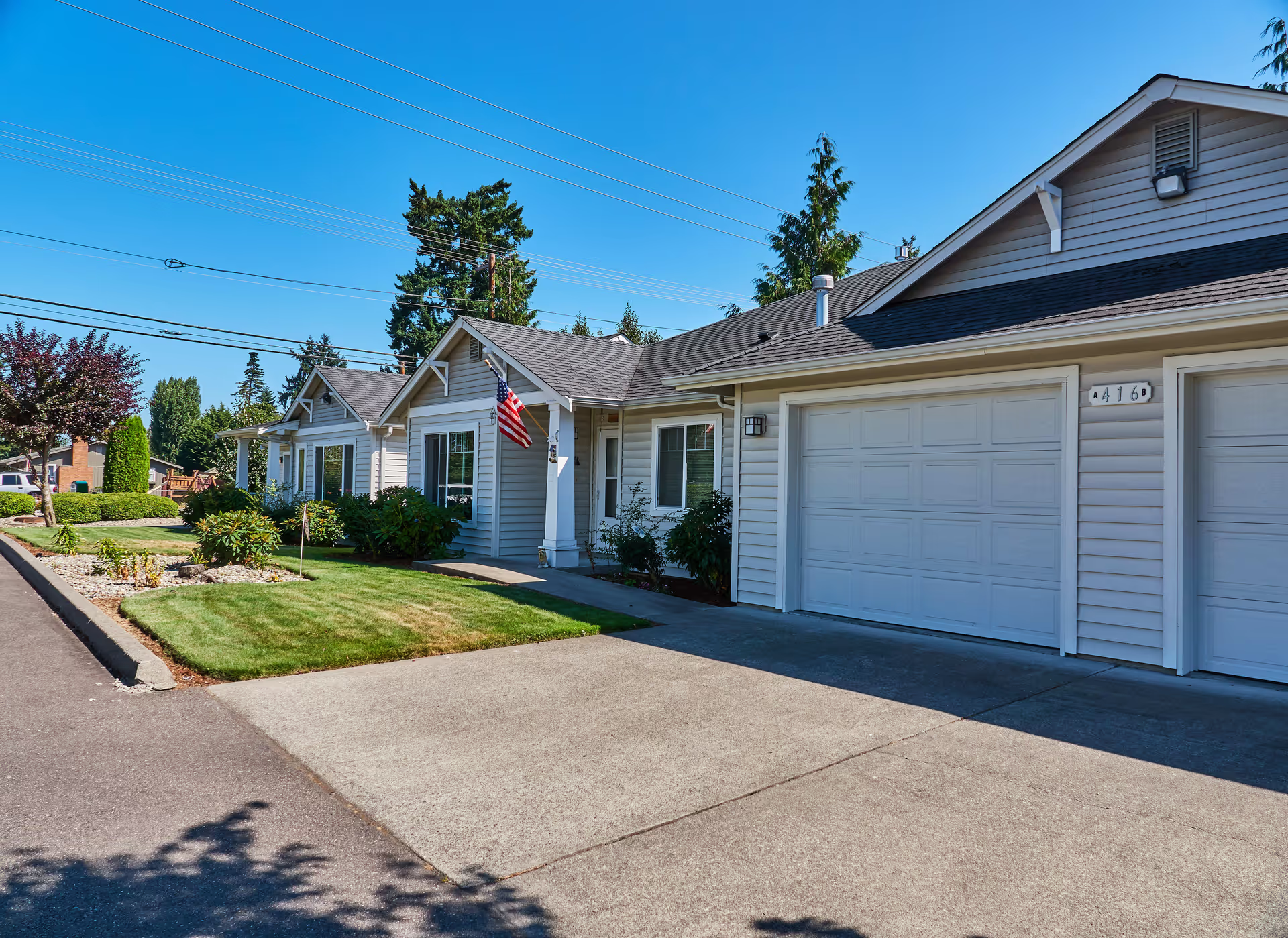
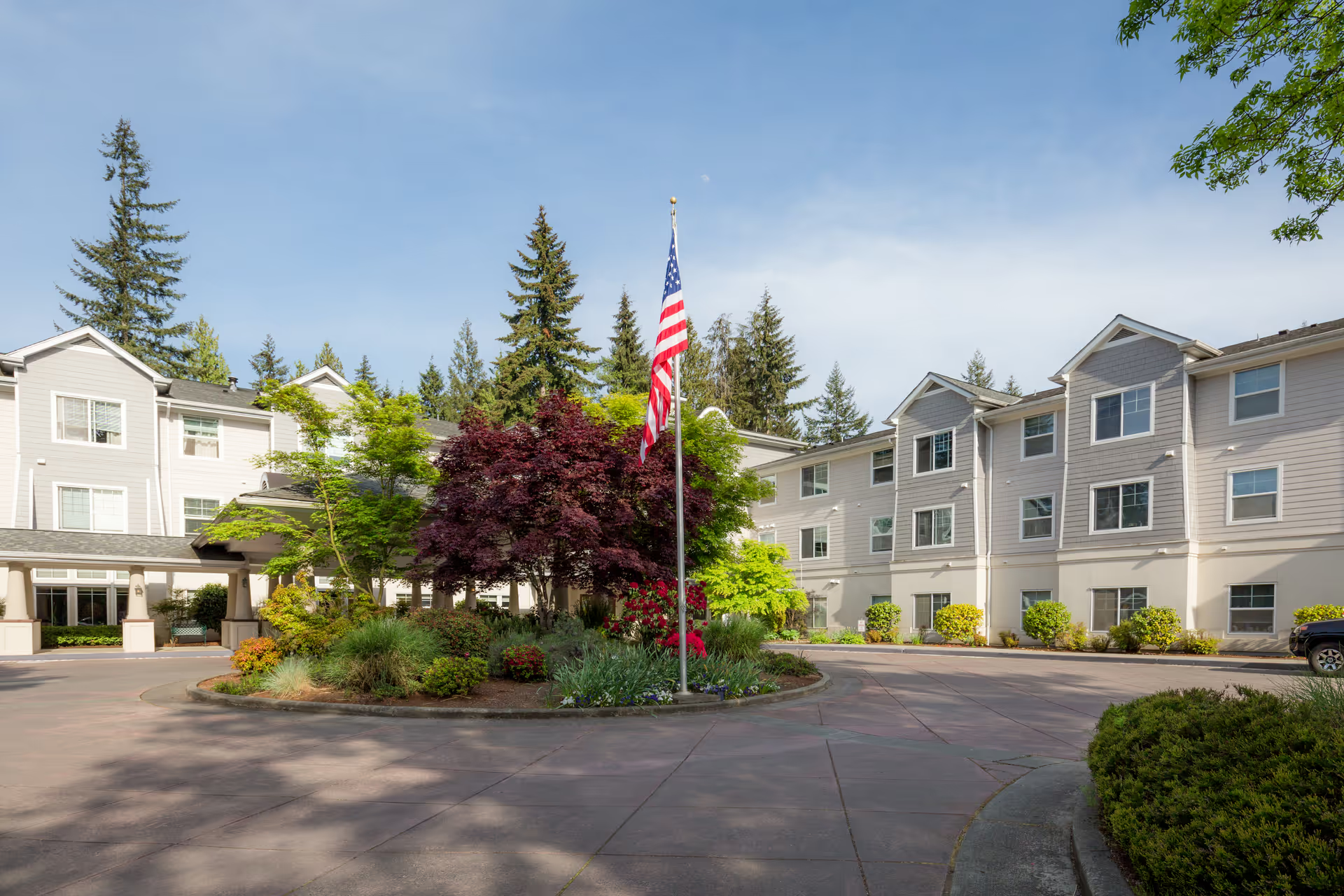
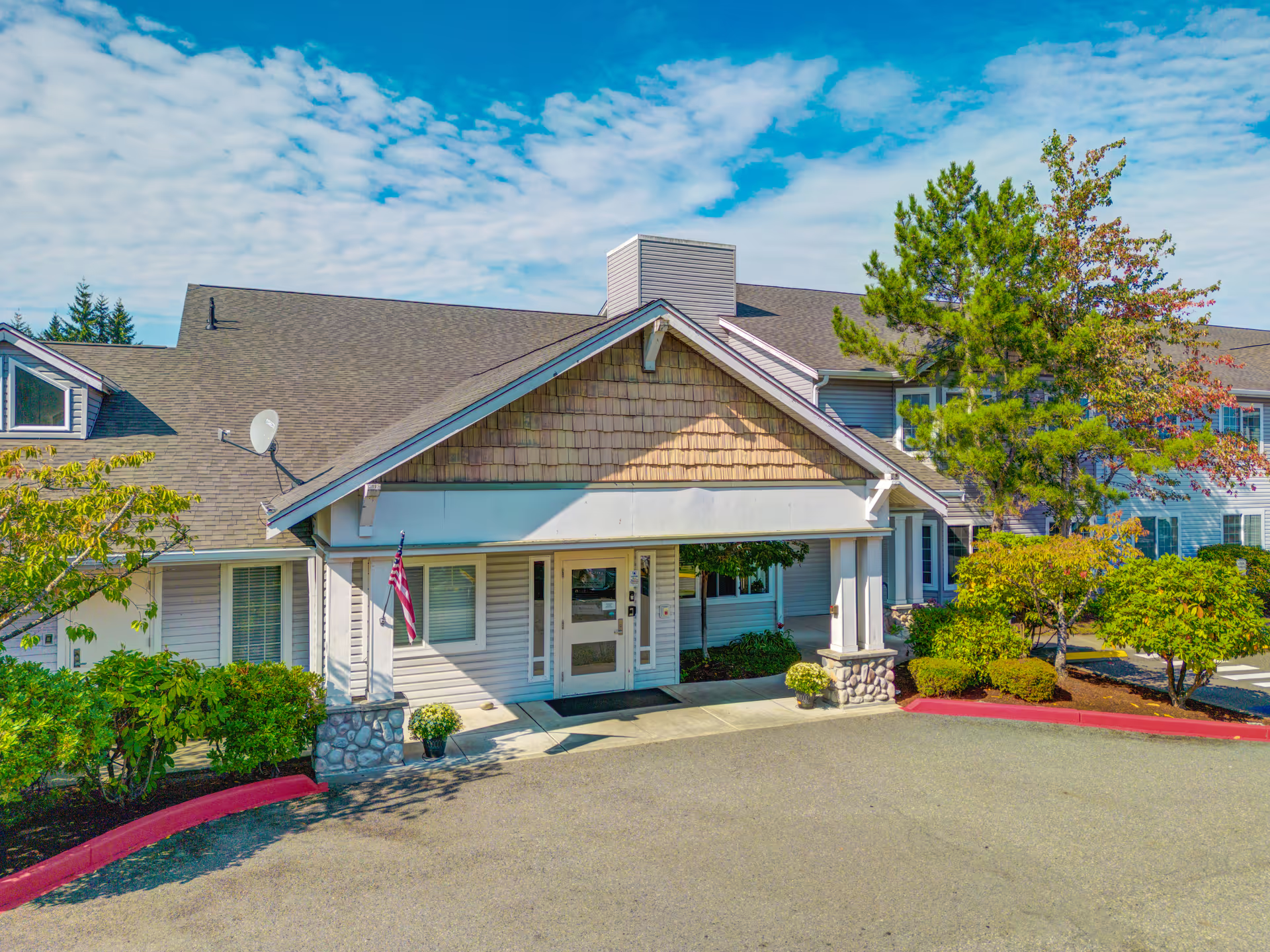
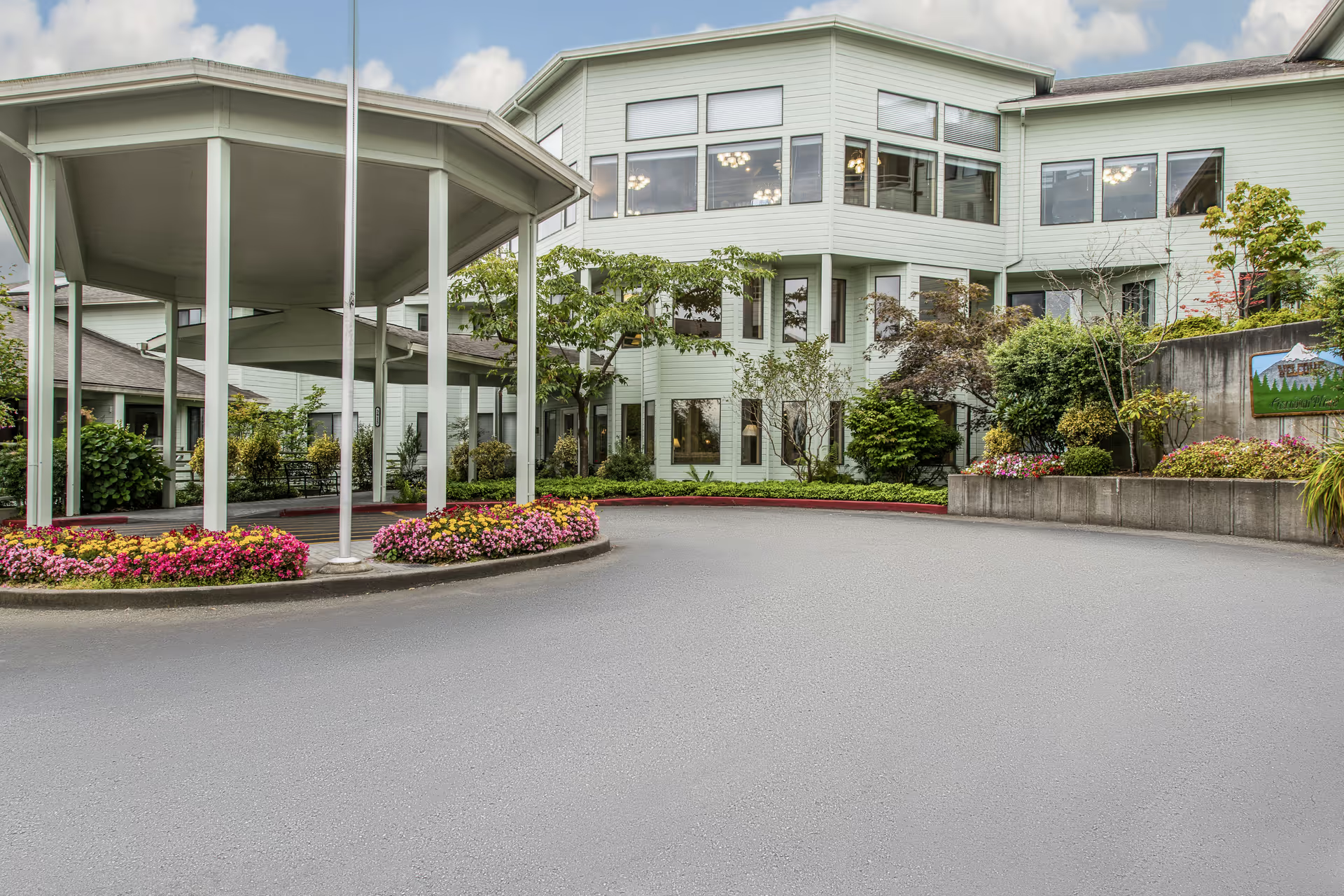
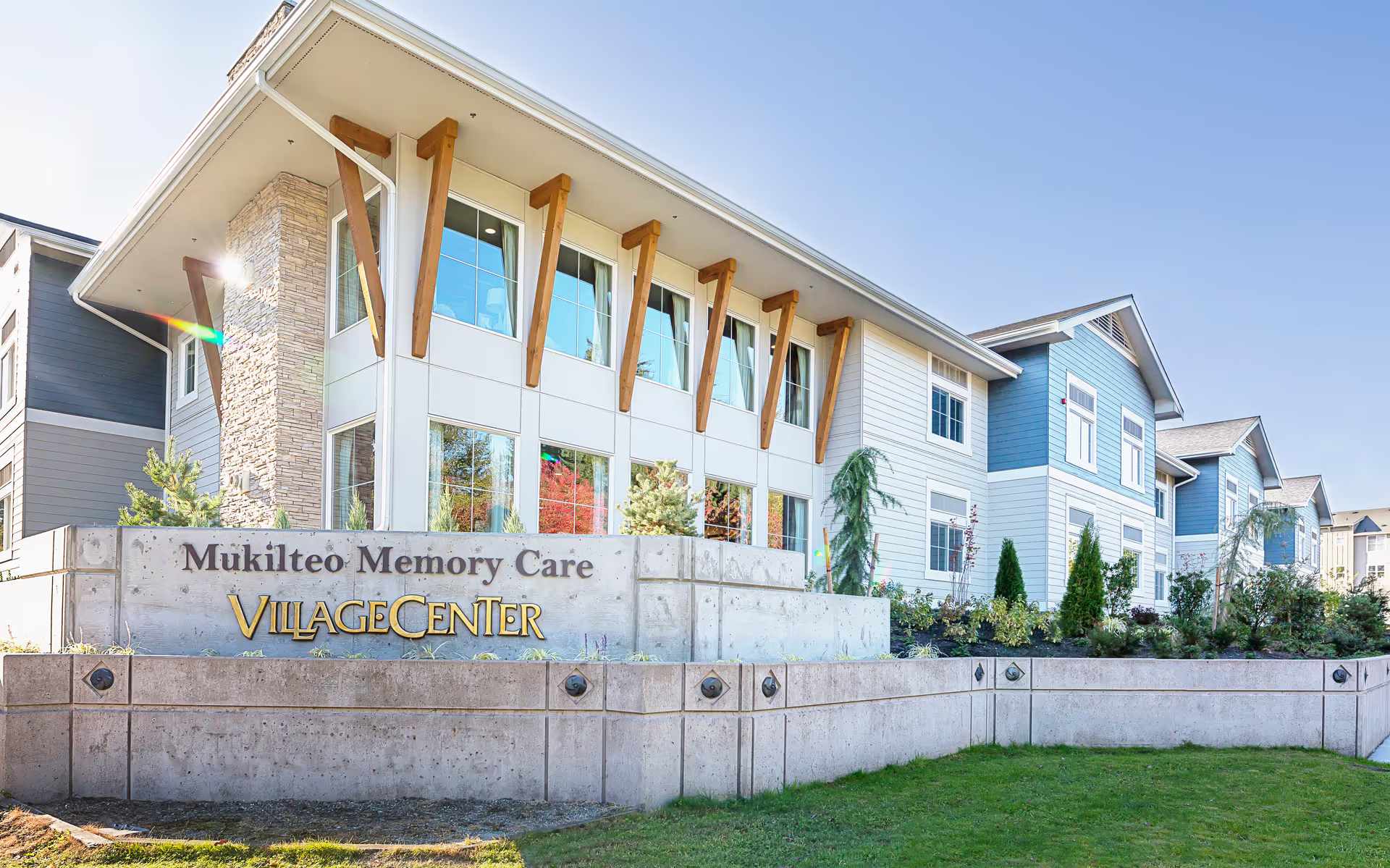
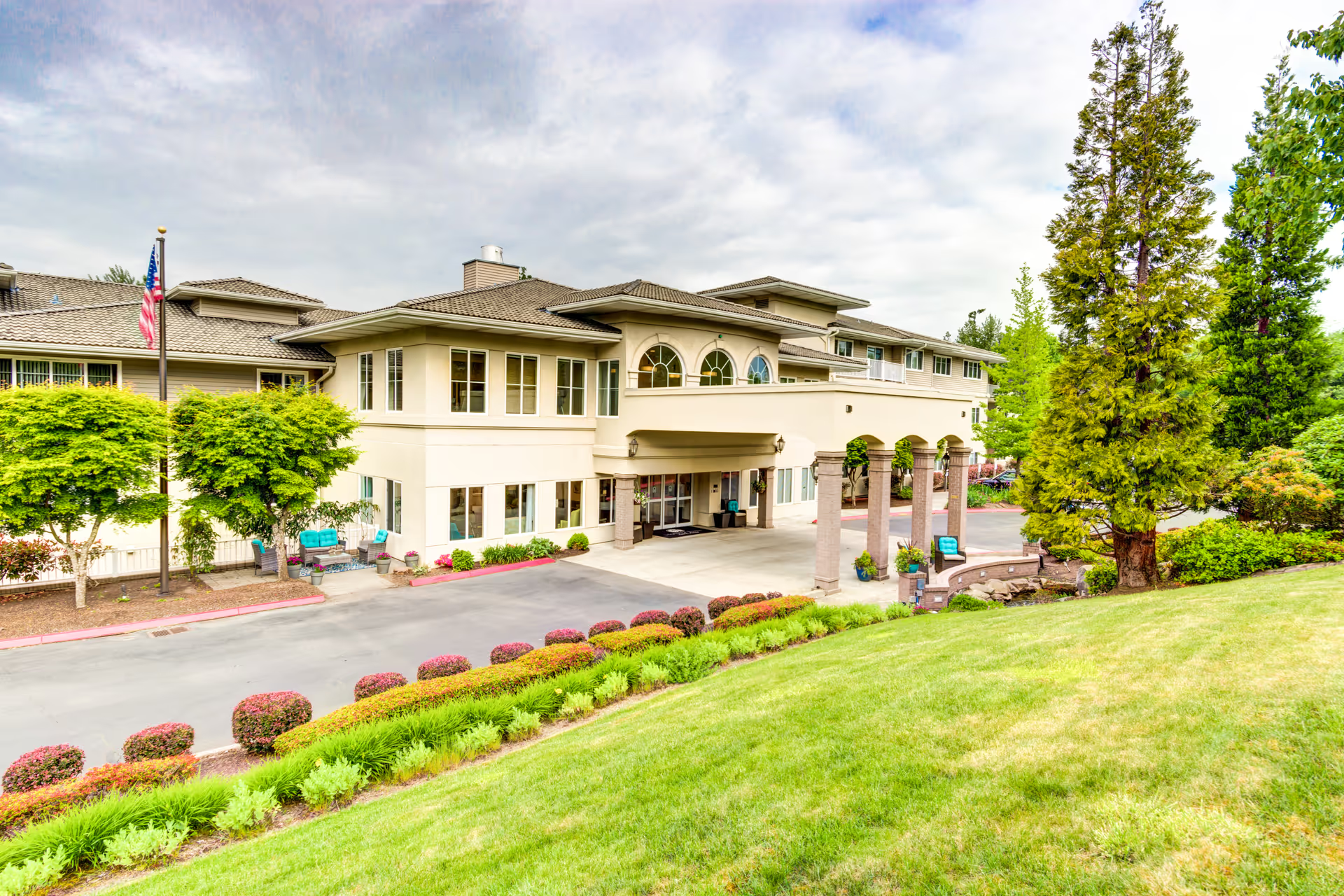
Overall impression: The facility presents a mix of clearly positive care elements and operational staffing concerns. Ownership and on-site leadership are described as capable and engaged, and many families highlight strong, compassionate caregivers and a welcoming atmosphere. The program appears to provide effective dementia-specific support and generally meets residents' personal-care needs. Dining quality is cited positively.
Care and staff: Care delivery is anchored by committed caregivers and hands-on management; dementia care is functioning well and staff are often described as attentive. At the same time, there are consistent concerns about certain staff behaviors and clinical routine knowledge. Specific issues noted include limited patience or problematic conduct by some staff members and gaps in routine-care familiarity. These patterns have affected family confidence in a subset of cases and have led some families to consider alternative placement.
Dining and activities: Dining receives favorable comments for food quality. The overall atmosphere is described as welcoming. Activity and resident-mix observations suggest the environment may be better suited to older residents and those needing dementia care; younger residents or those seeking a different social mix may find alternatives more fitting.
Facilities and equipment: The facility is equipped with standard assistive devices such as electric beds and a Hoyer lift, and bathrooms have basic accessible fixtures. However, some living areas may lack comfort furnishings (for example, recliners), which can influence resident comfort and family satisfaction. Availability of preferred rooms or furniture may be limited.
Management and notable patterns: Management and ownership are strengths in terms of responsiveness and commitment to resident needs. Conversely, hiring decisions and the addition of ad hoc staff — including family-member hires — have contributed to staffing continuity issues and interpersonal tension. The net pattern is a facility with strong core caregiving and useful clinical equipment, tempered by operational weaknesses around staff selection, training consistency, and fit for certain resident preferences.
Practical considerations: Prospective residents and families should weigh the facility's dementia-care strengths and positive dining/atmosphere against the potential for variable staff behavior and sporadic disruptions to staffing continuity. Recommended preparatory steps include meeting lead staff, asking about training and staffing-change policies, observing daily routines, and confirming availability of desired room furnishings and the resident mix.