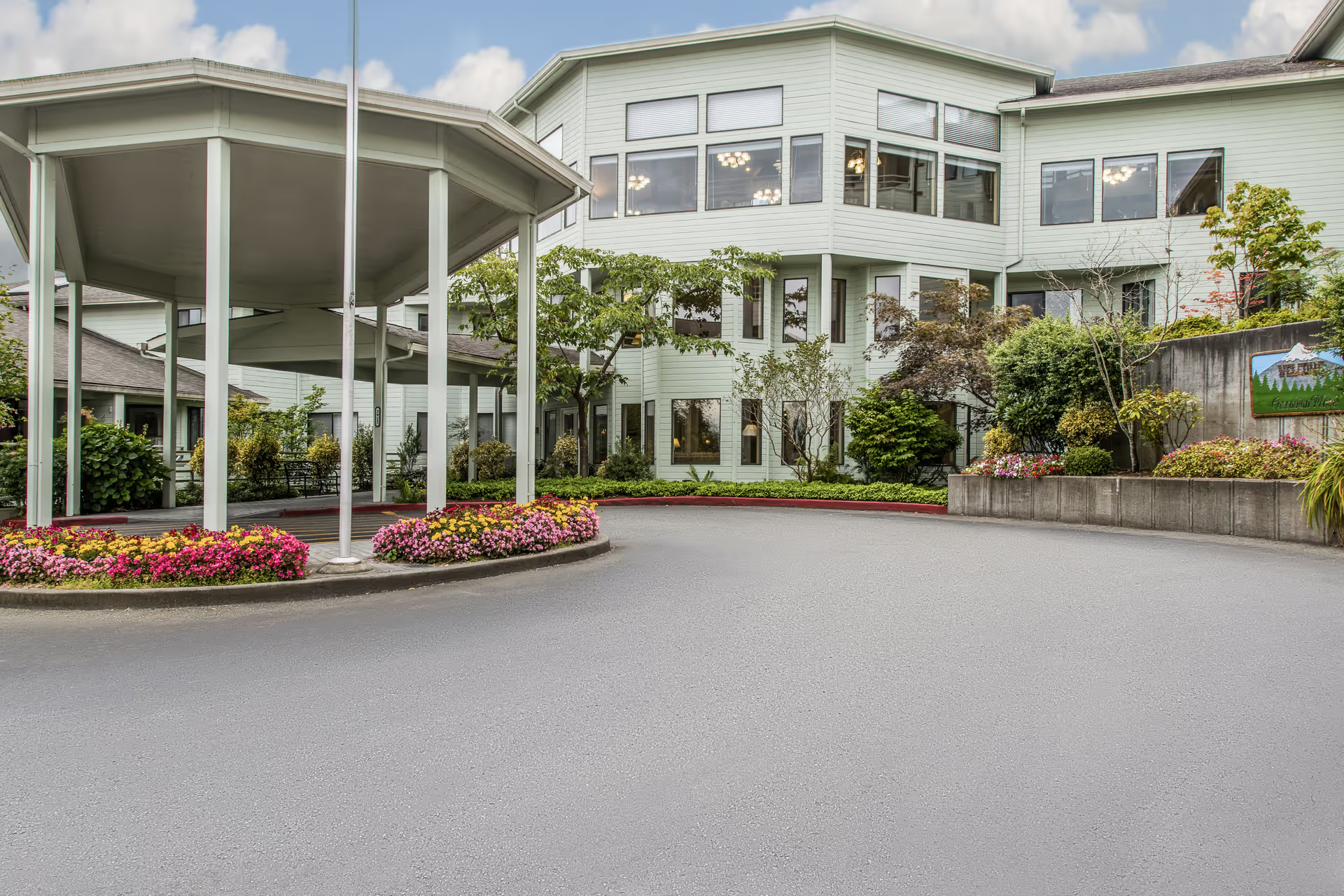
Overall impression: Reviews describe AFH at Silver Lake as a small, well-kept adult family home that emphasizes personalized, compassionate care and a family-style living environment. Families consistently highlight attentive caregivers, visible RN oversight, and individualized care plans; reviewers attribute improvements in mood and engagement to proactive medication adjustments and close clinical monitoring. End-of-life and palliative support are also noted as available and effectively coordinated through hospice involvement.
Care and staff: The dominant theme is relational caregiving. Staff are described as compassionate, respectful, and highly communicative, with owners and named caregivers taking an active role in day-to-day care and family outreach. Communication practices include frequent updates, facilitation of family participation in decisions, and technology-enabled visits (FaceTime) during periods of restricted in-person visiting. The presence of visiting primary care providers, dentists, and hospice services is emphasized as part of the clinical support model.
Dining and activities: Dining is regularly framed as a strength — home-cooked meals, culturally tailored menus (notably Asian dishes), fresh fruit, and onsite-sourced eggs are cited. Activities are varied and socially oriented, including live music, weekly sing-alongs, bingo, movie days, holiday events, outdoor lunches, and occasional animal visits (pony visits). Reviewers report that these programs contribute to companionship and mental stimulation for residents.
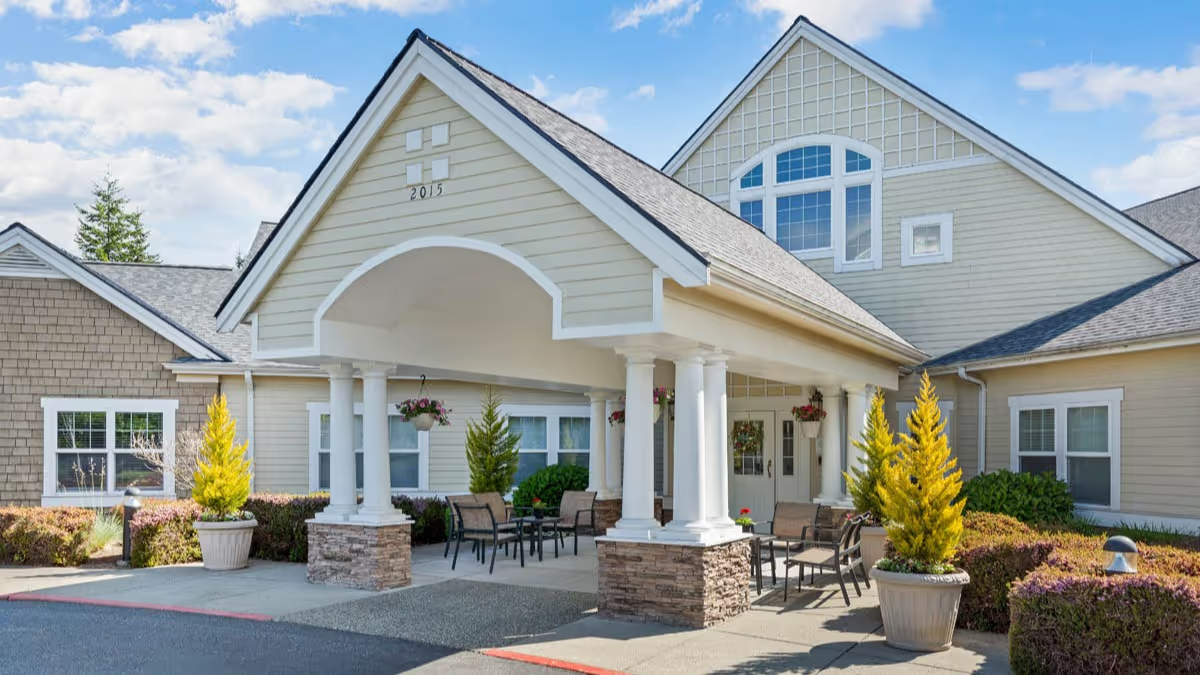
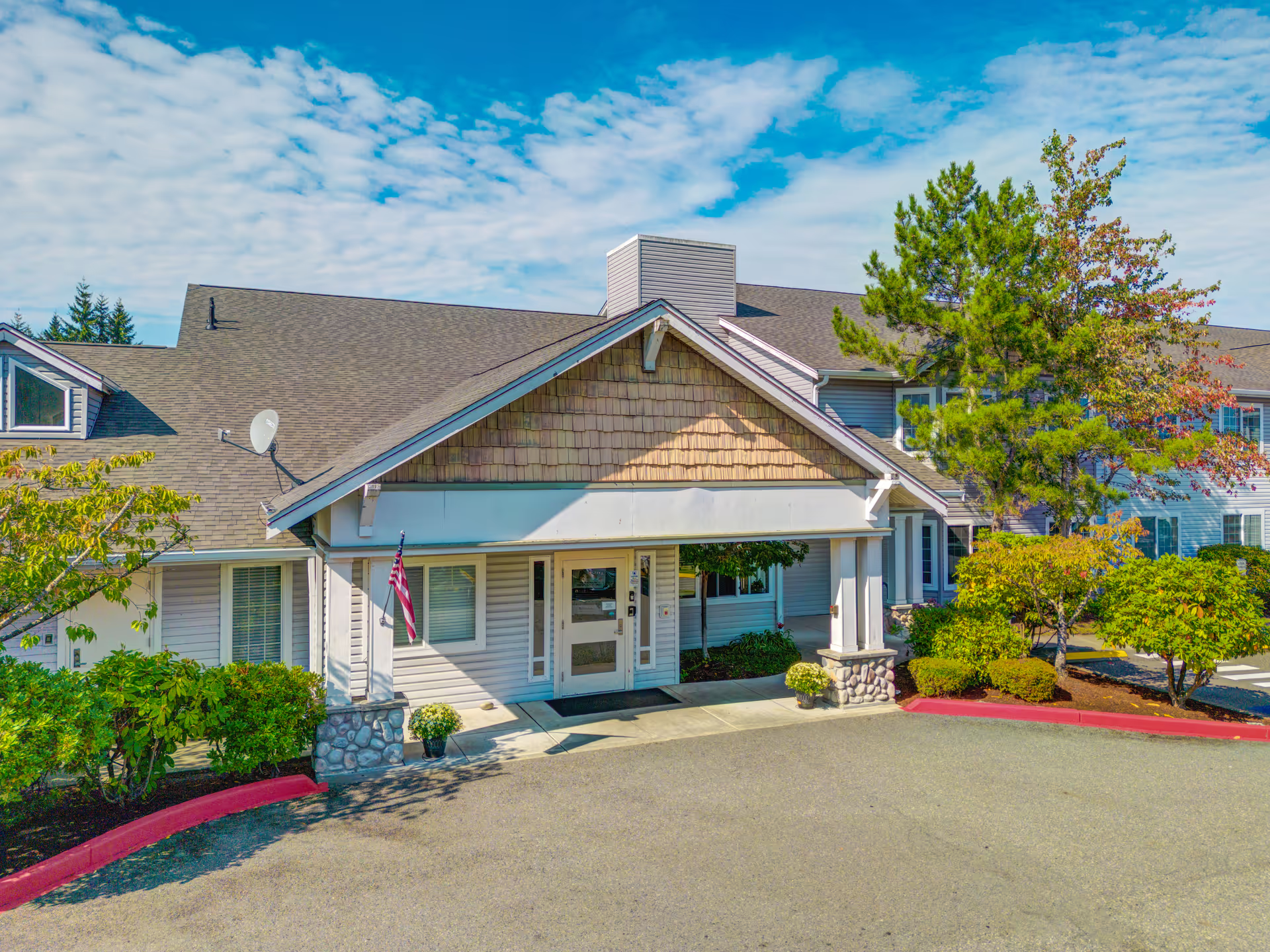
Facilities and operations: The home is described as clean, newly remodeled, and comfortable, with attention to sanitation and safety protocols (including COVID-era measures). The small-home model is seen as an asset for safety and individualized attention, but it carries operational trade-offs: limited capacity and reliance on a compact staff and owner involvement.
Notable patterns and caveats: Praise is broadly consistent across reviews for staffing, cleanliness, and programming. Operationally, potential families should be aware of typical small-home trade-offs: availability may be constrained by limited beds, the resident experience can be closely tied to specific caregivers and leadership (which creates a risk if those individuals change), and some specialty medical or therapy services appear to be provided via scheduled visiting practitioners rather than onsite full-time. For prospective residents with high, continuous specialty clinical needs, it would be prudent to confirm the scope and scheduling of on-site versus visiting medical and therapy services. Overall, the facility presents as a highly rated, personalized alternative to larger skilled-nursing environments, with strengths in relational care, culturally responsive dining, and engaging social programming.