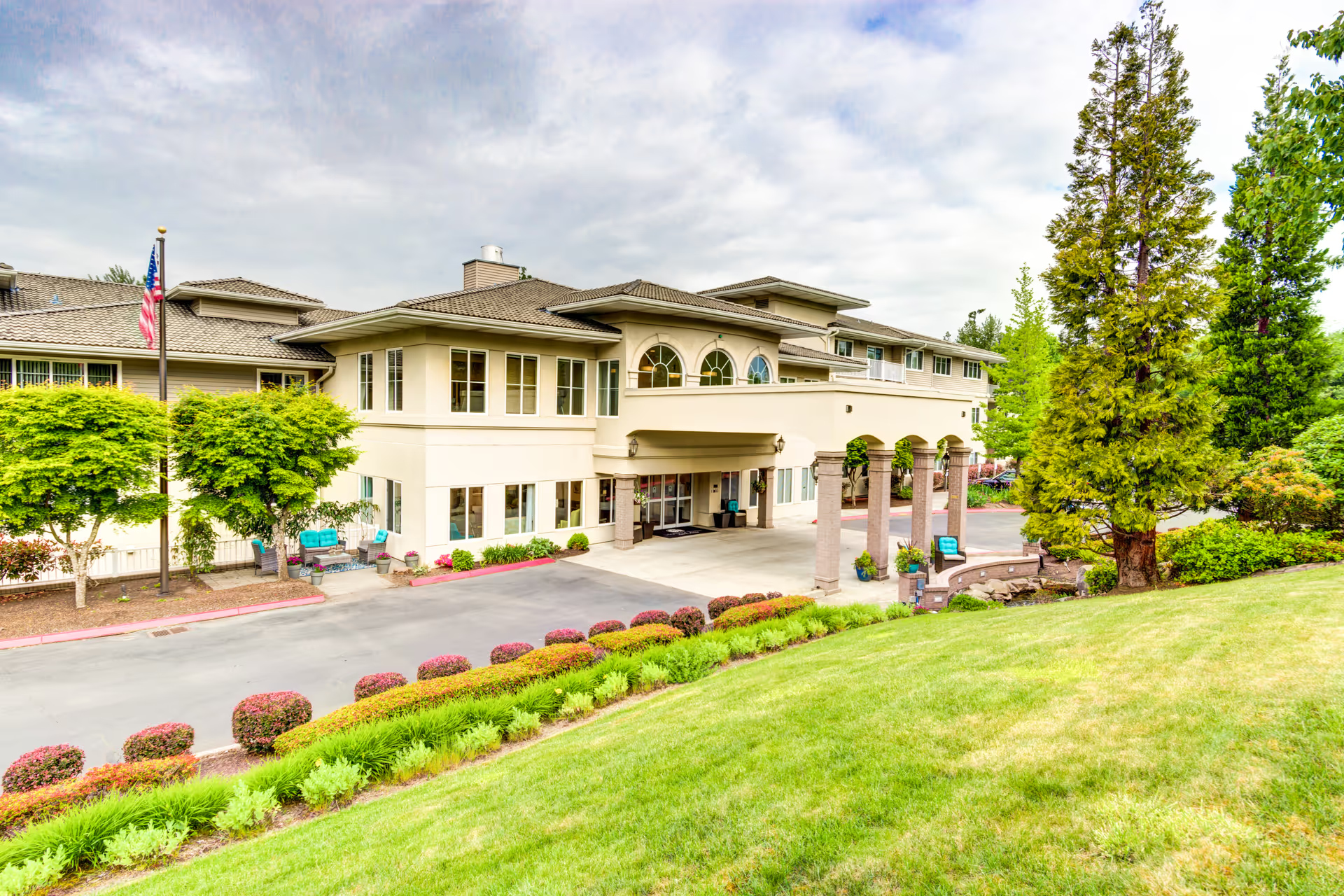
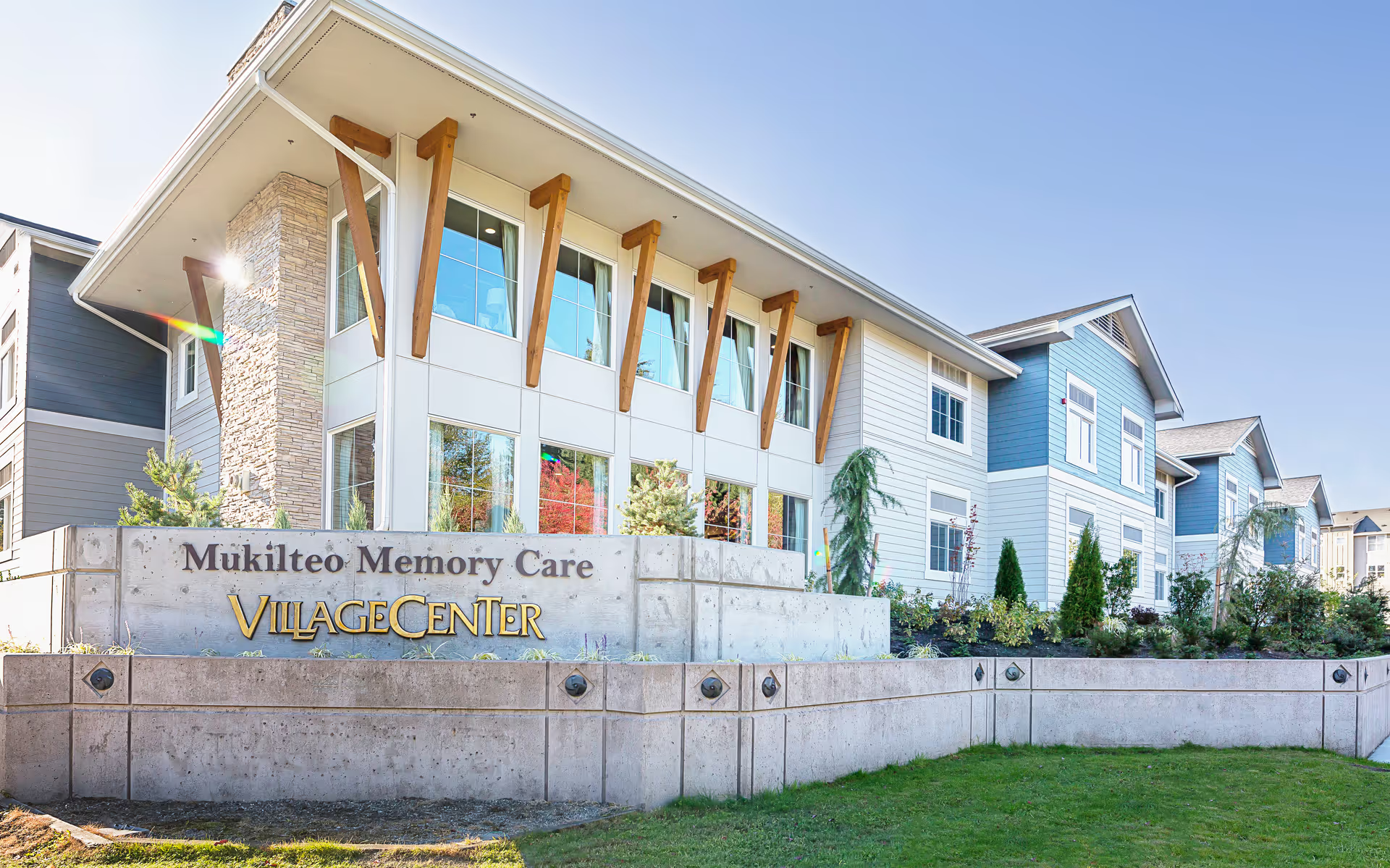
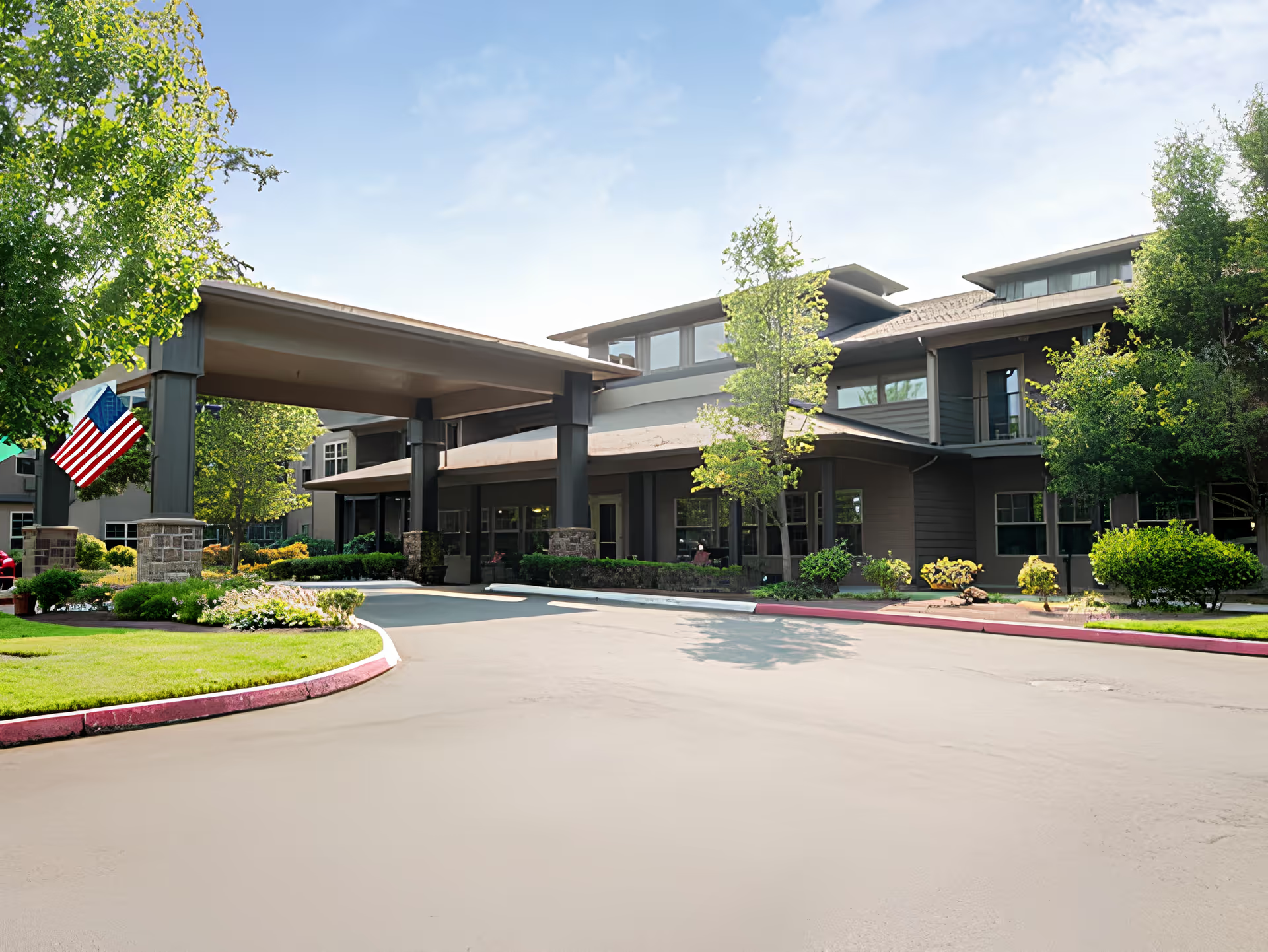
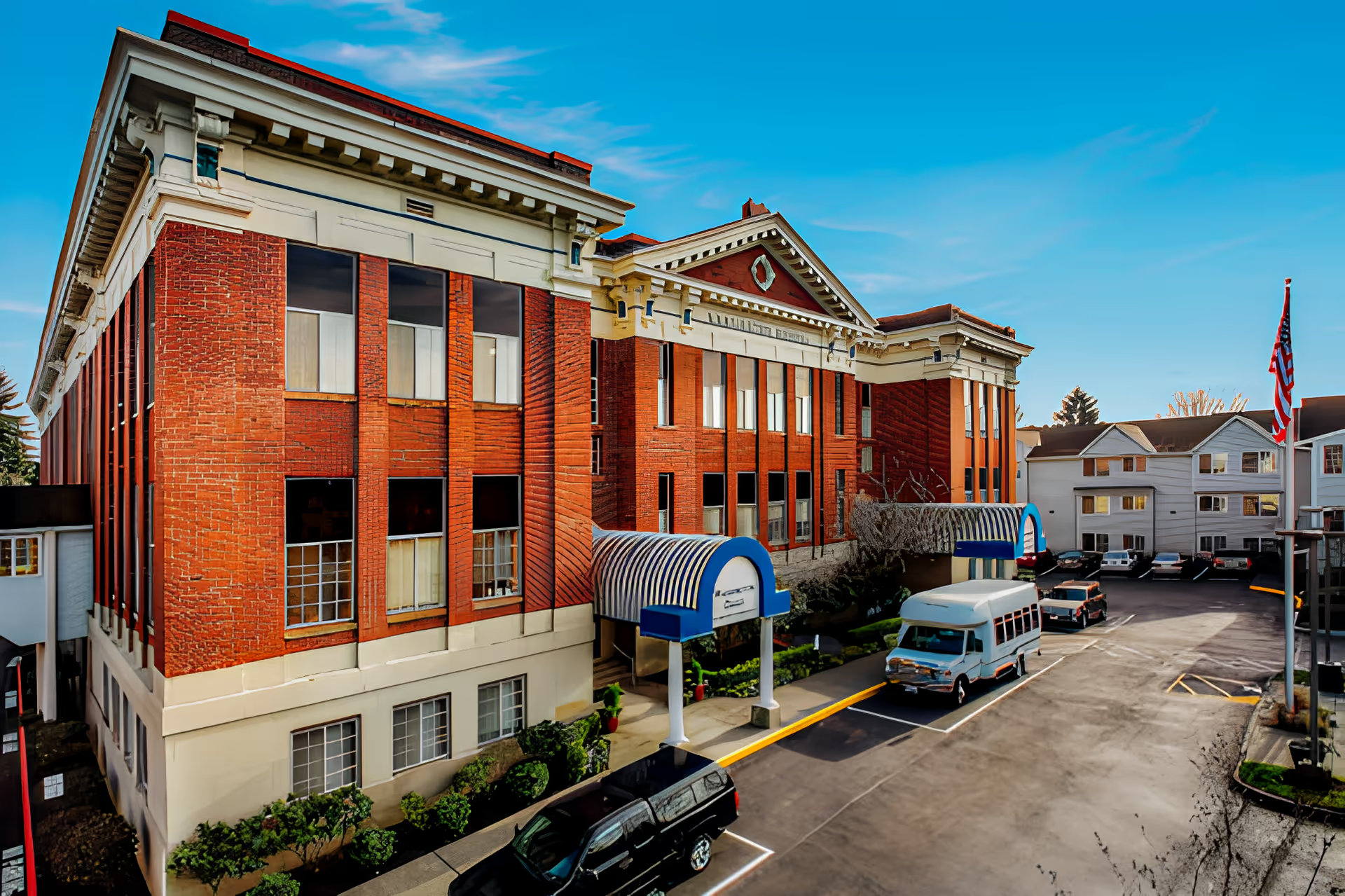
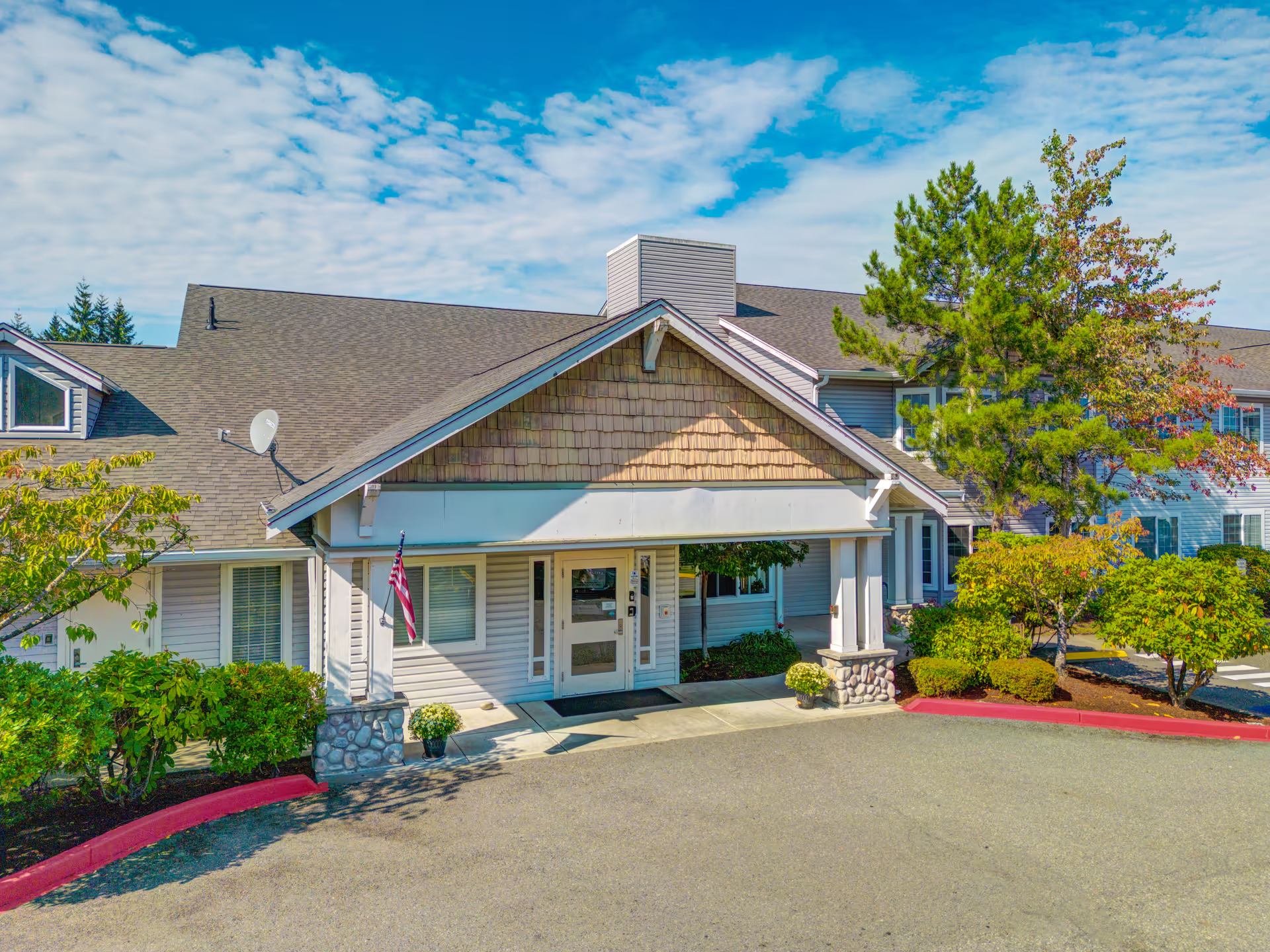
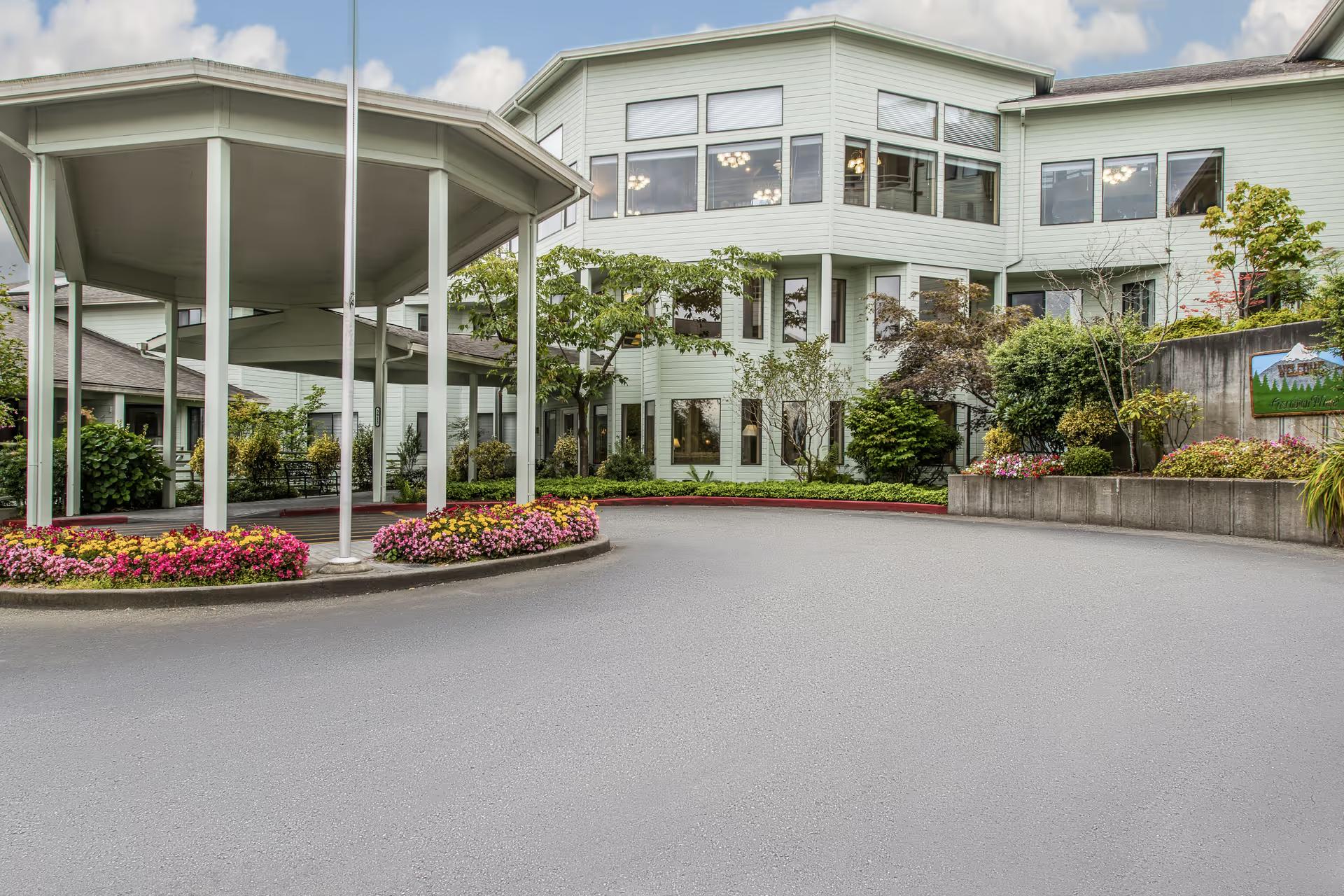
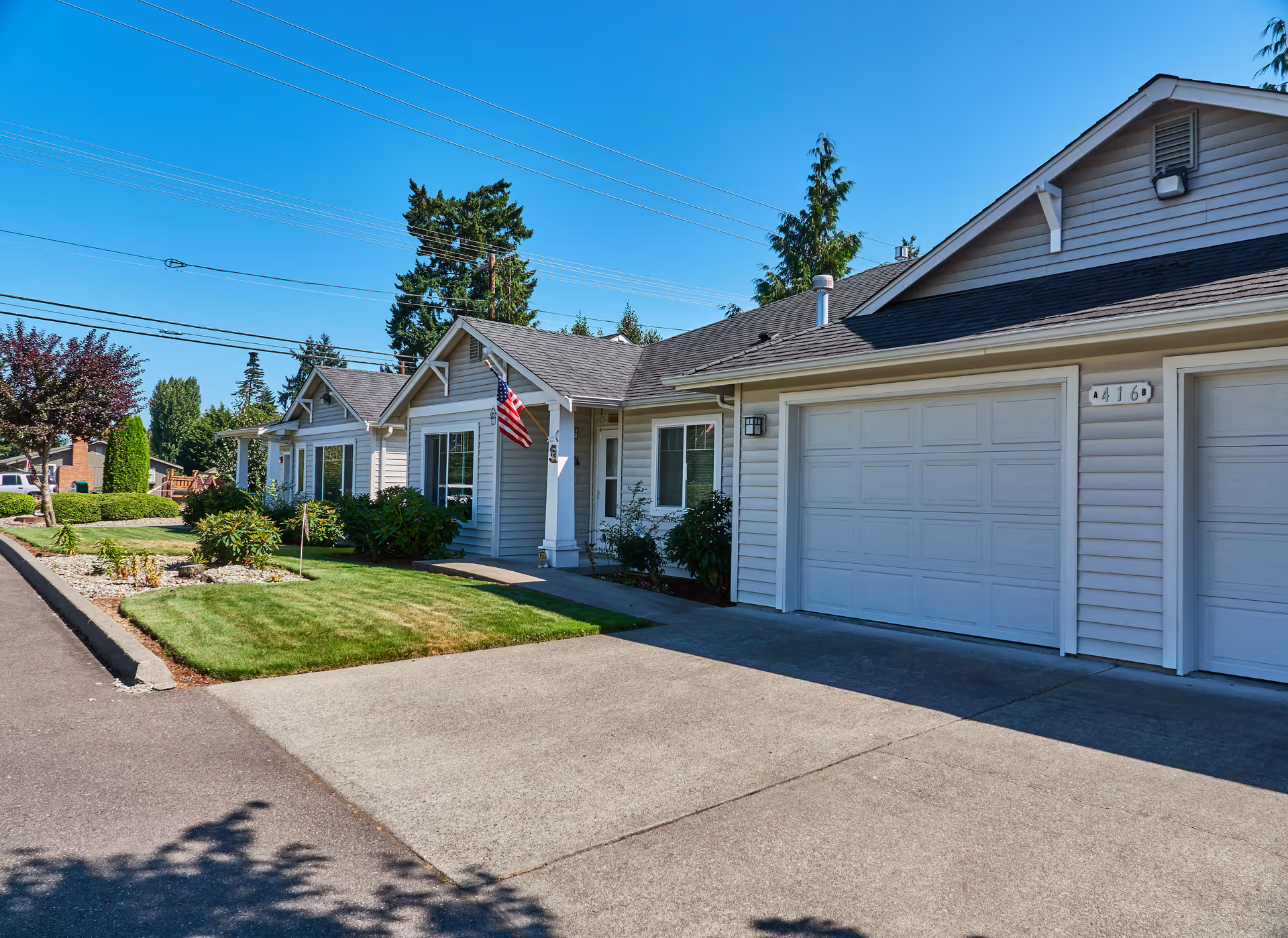
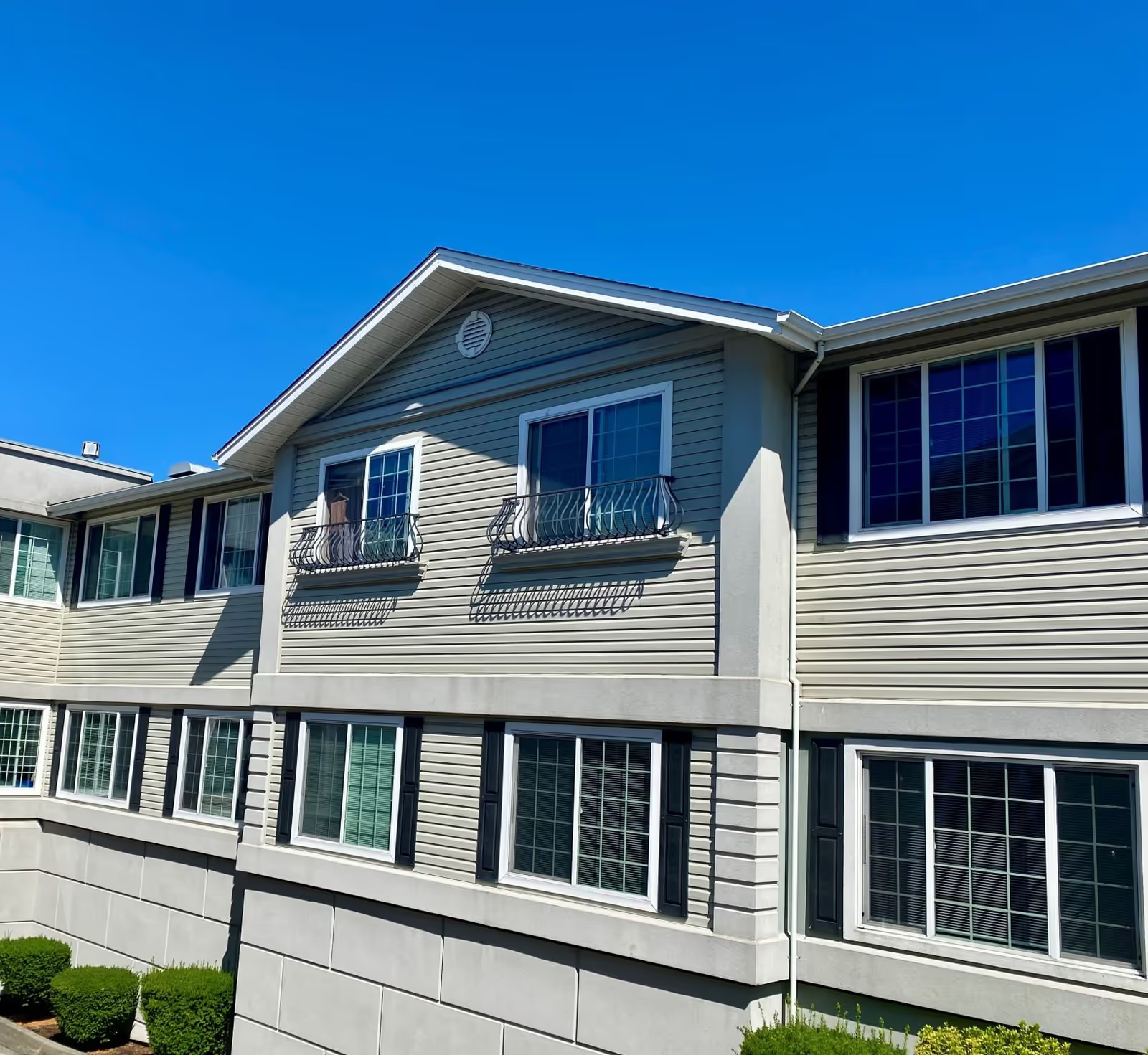
Maple Ridge by Bonaventure presents a mixed but identifiable profile: a physically appealing community with spacious, well-laid-out apartments and accessible circulation that many residents and families find comfortable and convenient. Apartment features such as large windows, ample storage, accessible bathrooms with handrails, and the ability to connect adjoining units are repeatedly cited as strengths. Common areas are described as clean and hotel-like by many, with attractive interior finishes, an on-site salon, and private dining spaces that support family gatherings and special requests.
Staff performance is a central theme with divergent experiences. Numerous accounts praise compassionate, helpful caregivers, program staff who know residents by name, and managers who are responsive and proactive; families attribute a strong sense of community and continuity of social programming to those staff strengths. At the same time, there are recurring operational concerns: staffing levels are described as inconsistent, clinical oversight and nursing engagement vary, and some families reported gaps in medication-management processes. These concerns point to variability in care quality that appears linked to staffing patterns and leadership consistency rather than the physical environment itself.
Dining and activities are often highlighted as positives: several families indicate an active events calendar, meaningful opportunities for socialization, and improved dining under a newer chef with accommodation for individual preferences. However, dining service continuity—particularly in-room meal delivery timing and occasional variability in food quality—emerges as an operational weakness in other accounts. Families seeking a highly dependable meal-service model or frequent in-room dining may want to clarify procedures and contingency plans during touring and intake.
Facility maintenance and logistics show a similar pattern of strengths and weaknesses. The community’s layout, accessibility, and amenity set are seen as favorable for independent and assisted residents, and trained staff are available for safe transfers. Conversely, some households describe slow responses to maintenance requests, inconsistent unit climate control (window heating), and cleanliness or housekeeping issues in particular areas. Admissions and front-desk interactions are generally positive in many narratives, but there are notable reports of unhelpful or brusque communication during tours or at intake, and an unclear or complex fee structure has led to dissatisfaction for some families.
Management stability is another notable pattern. Positive experiences often reference engaged directors and available managers; negative experiences frequently cite administrator turnover, perceived lack of engagement from leadership, and difficulty coordinating transfers or higher-acuity care off-site. For prospective residents and their families, this suggests that individual staff and leadership at the time of move-in can strongly influence the lived experience. It is advisable to ask about current staffing ratios, medication-safety protocols, maintenance response times, billing practices, and the orientation/onboarding process during a visit.
Overall, Maple Ridge offers many built-environment and community strengths—spacious, accessible apartments; social programming; and a number of highly regarded caregiving staff—but the facility shows operational variability in clinical oversight, staffing consistency, meal-service reliability, and maintenance responsiveness. Prospective residents should weigh the facility’s physical and social advantages against these operational considerations and verify current practices and leadership stability before committing.