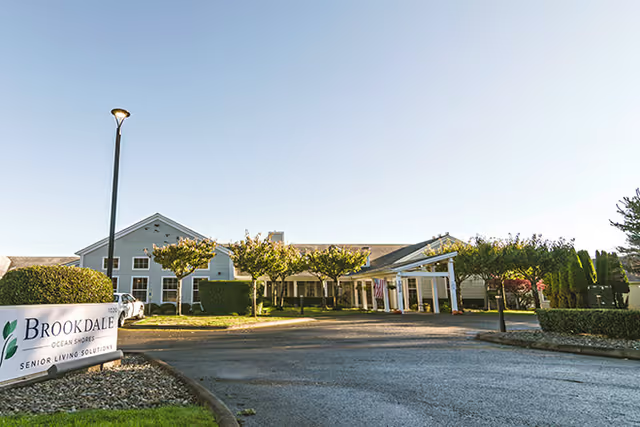
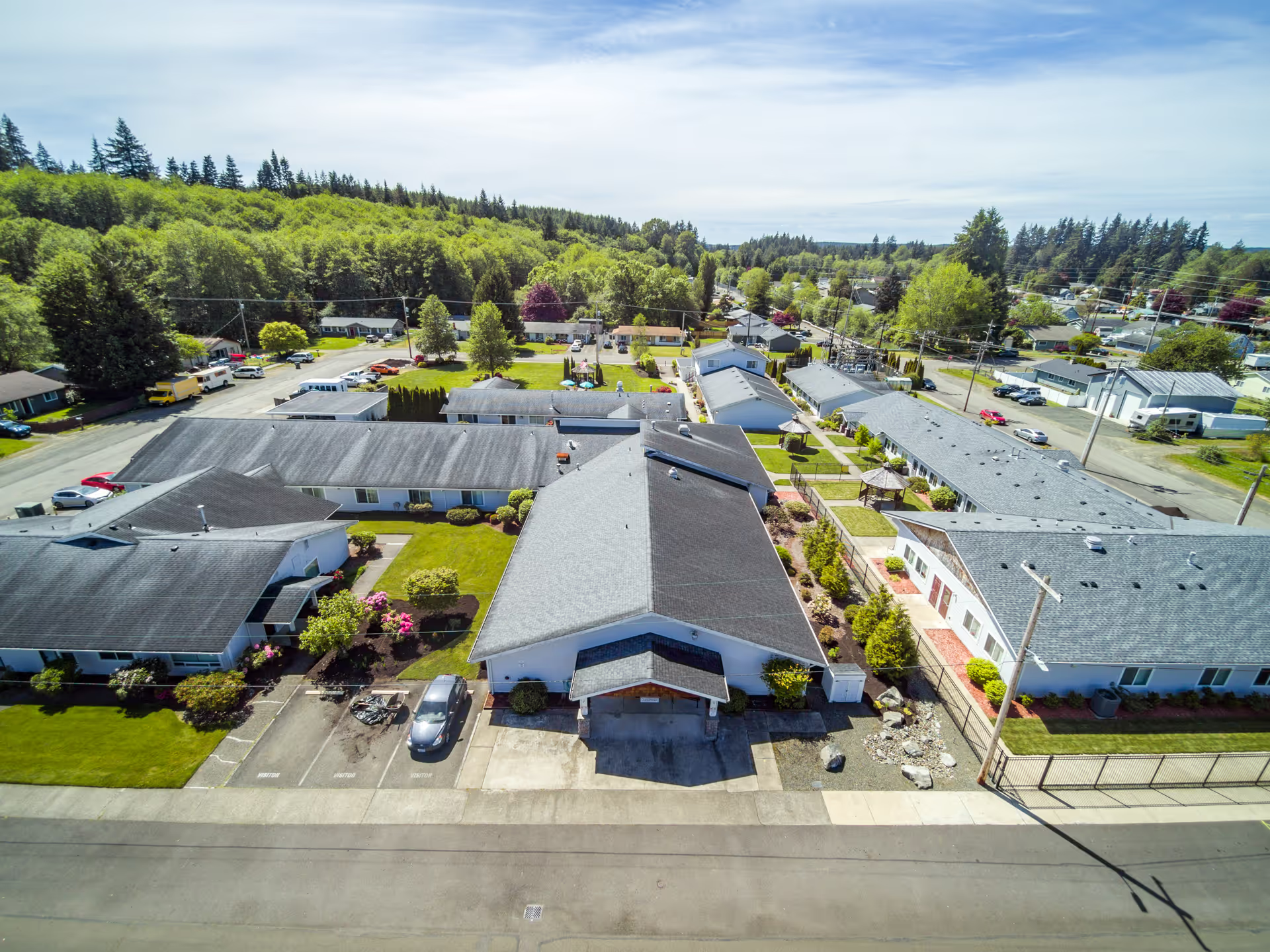
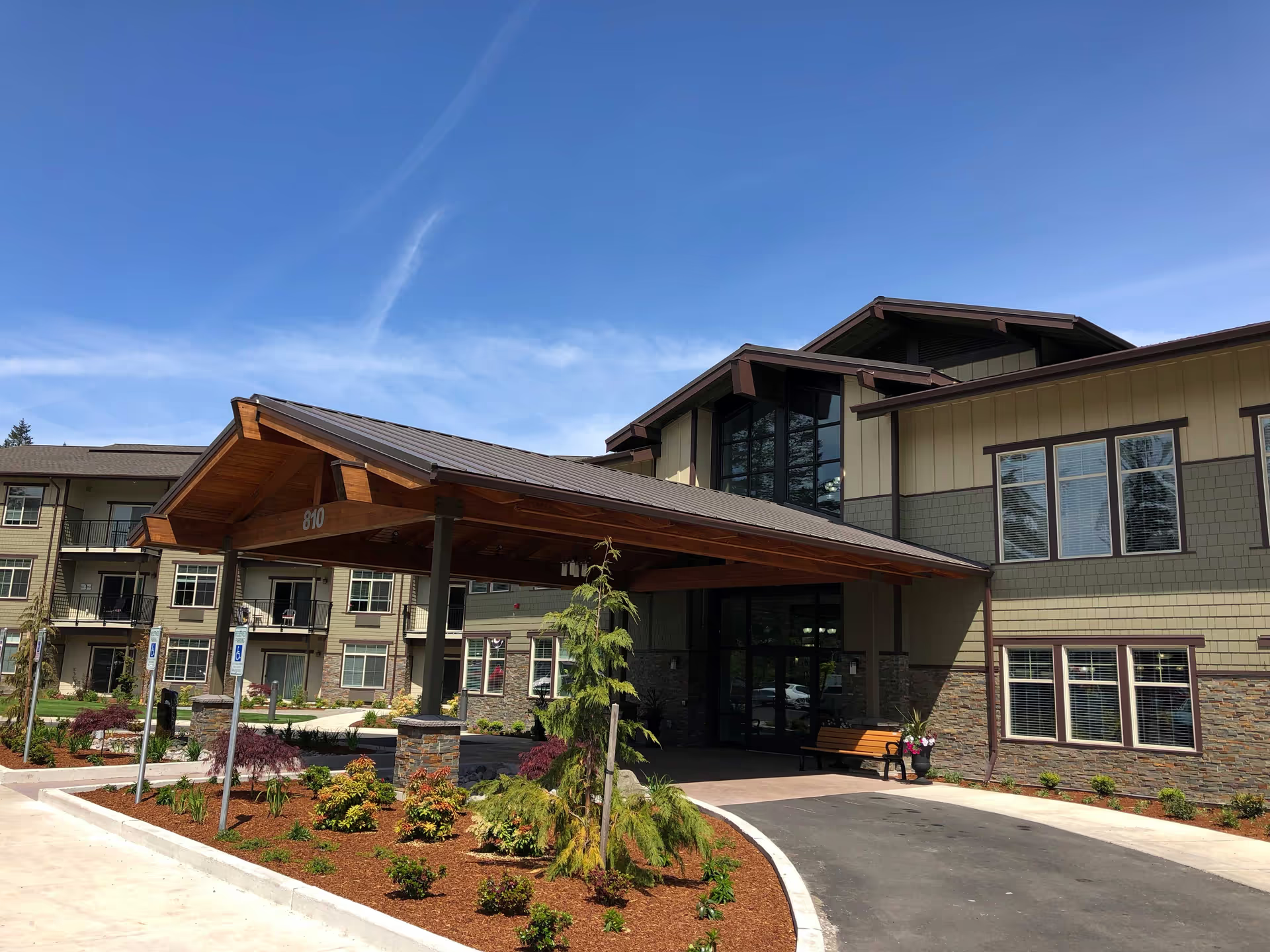
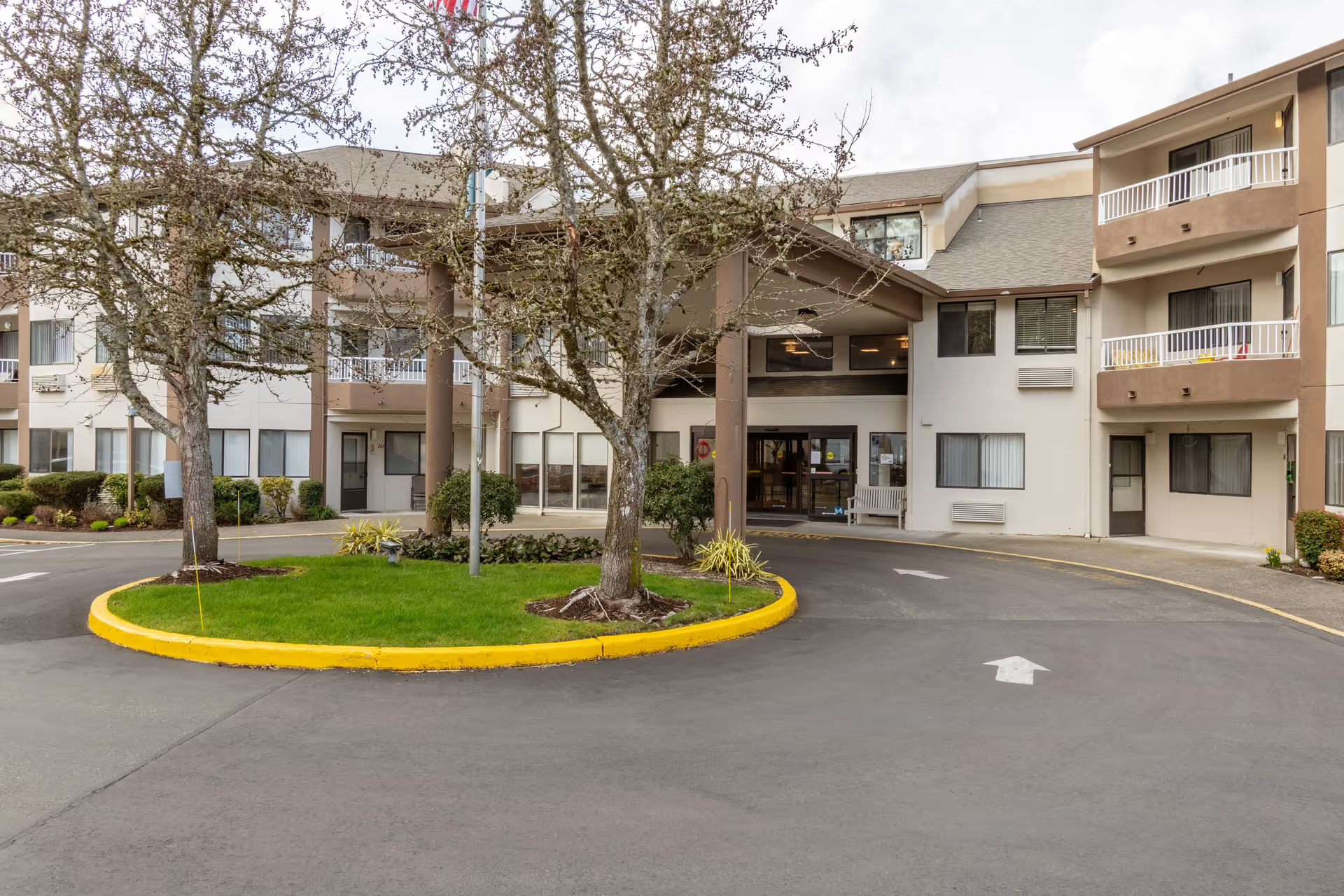
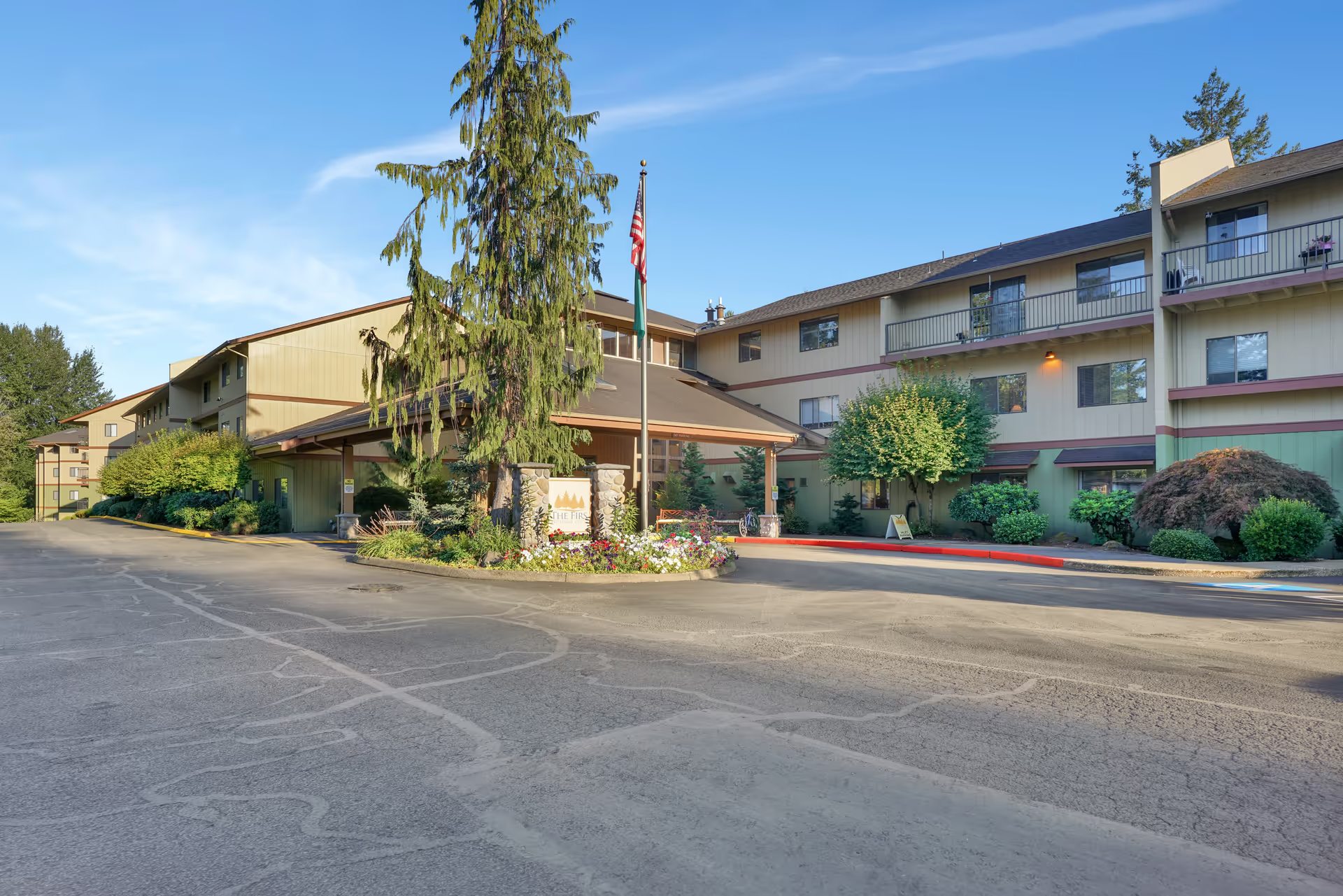
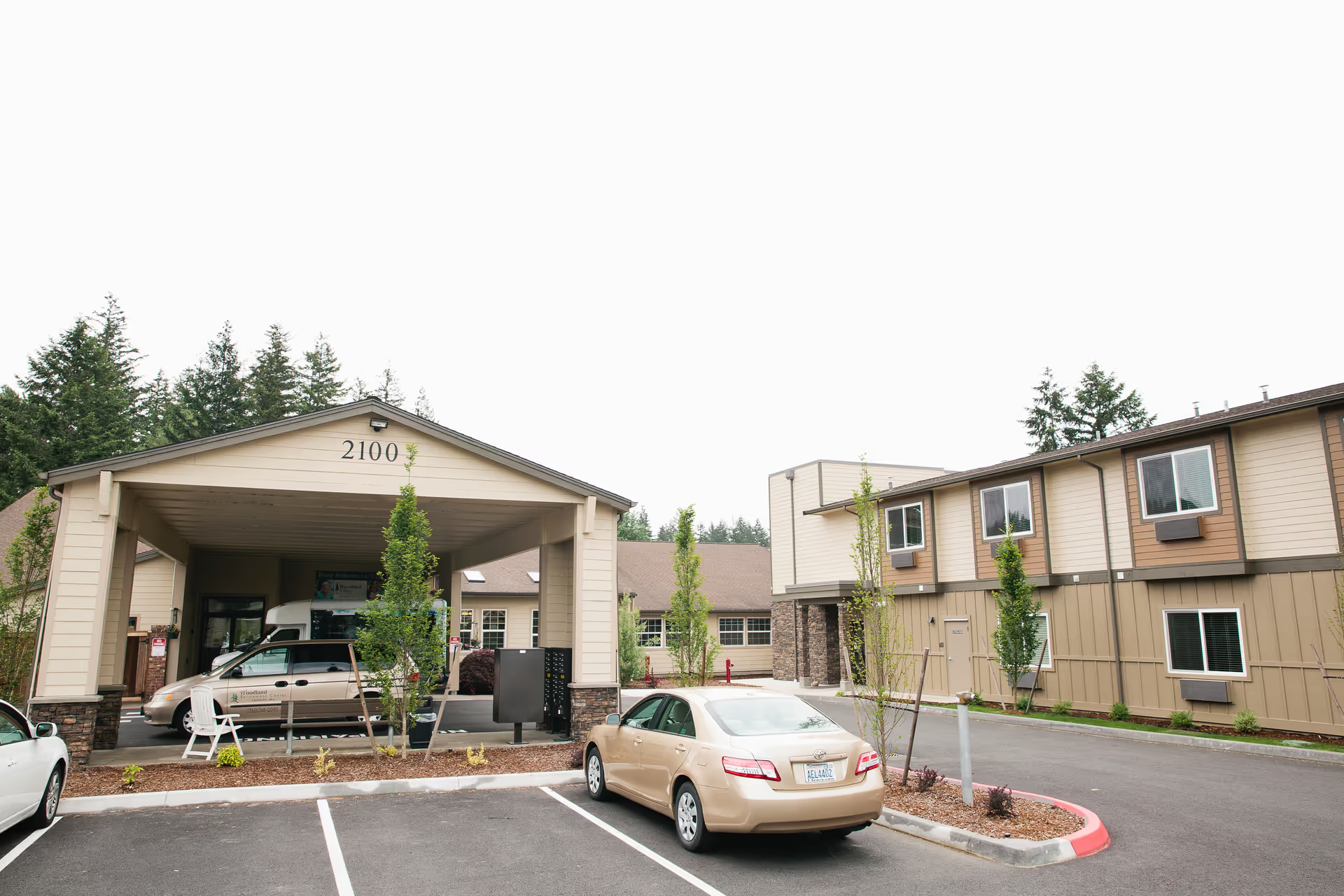
Riverside Place Memory Care is consistently described as a warm, home-like memory-care setting with a strong emphasis on social engagement and caregiver attention. Reviewers commonly highlight compassionate, informed staff who create positive, friendly interactions with residents; many comments describe smiling, laughter, and family-like relationships. The facility's physical environment is reinforced as clean and well-maintained, with a non-hospital aesthetic, accessible outdoor areas (courtyard and garden), crafts and social spaces, and small private apartments that include a bathroom, mini-fridge, microwave, and television. The secure memory-care design and organized transportation support routine outings and supervised community trips.
Programming and activities are a clear strength. Riverside offers a full activity schedule — games, music, crafts, picnics, ice cream socials, holiday decorating, and weekly field trips — and reviewers note both organized trips and volunteer involvement that boost resident engagement. Families also cite proactive communication and updates from staff and management, describing the team as responsive, supportive during transitions, and willing to coordinate with families. Several accounts praise recent management and operational organization, noting that staff appear motivated and enjoy working with residents.
Areas for consideration include several operational patterns raised by families. A subset of comments suggests inconsistency in dementia-specific care training and execution; these accounts indicate variability in how staff handle complex behaviors or progressive needs, and in some cases families felt additional supervision or presence was necessary. Dining is generally acceptable to many families, with regular snacks and positive food comments, but the facility appears to have limited capacity to accommodate some complex clinical diets (for example, renal-restricted menus), so prospective residents with specialized nutritional requirements should verify meal plans and clinical diet support.
Communication practices also present mixed impressions: while many families appreciate proactive updates, others described frequent or intrusive non-urgent phone contacts, which may reflect outreach procedures that could be adjusted. Finally, cost is a practical consideration — the monthly rate cited by one reviewer is relatively high, so prospective families should compare fee structures against the level of clinical and staffing resources they require. Overall, Riverside Place projects a strong social and environmental model for memory care with engaged staff and active programming; prospective residents and families should discuss individualized dementia-care plans, dietary accommodations, and family involvement expectations during touring and contracting to ensure alignment with clinical and supervision needs.