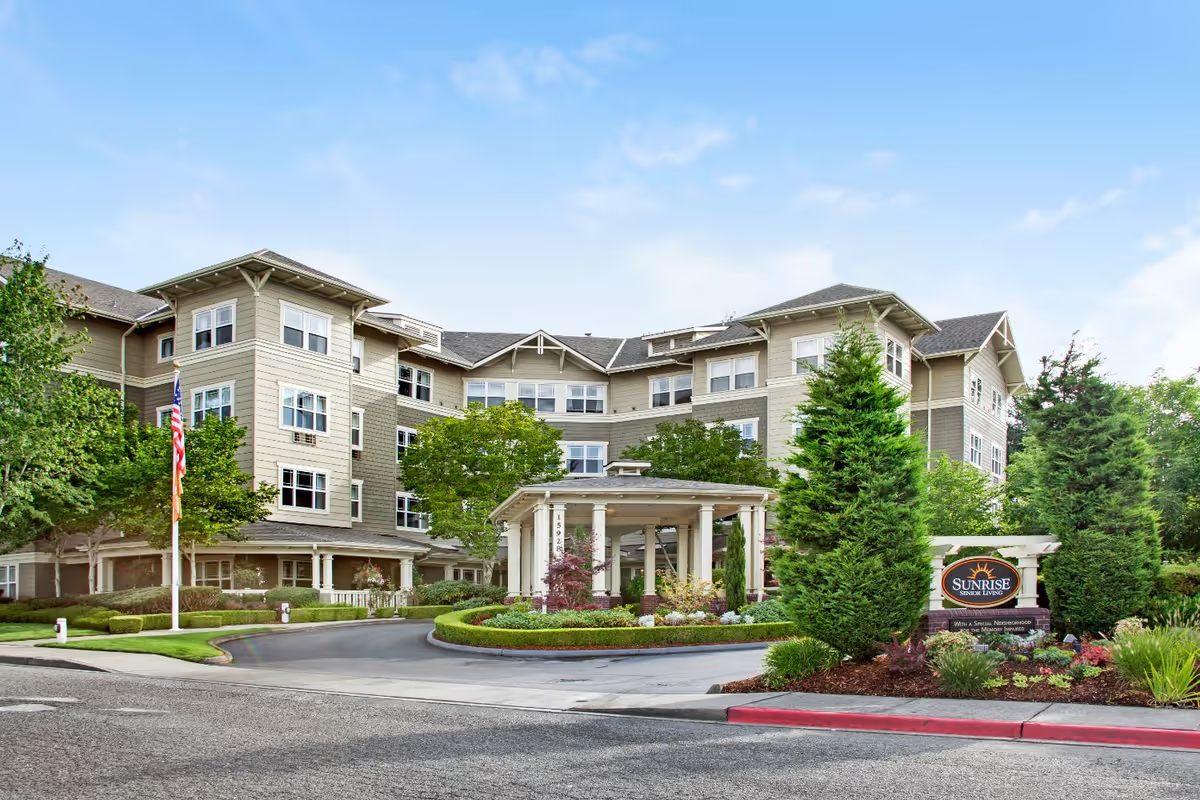
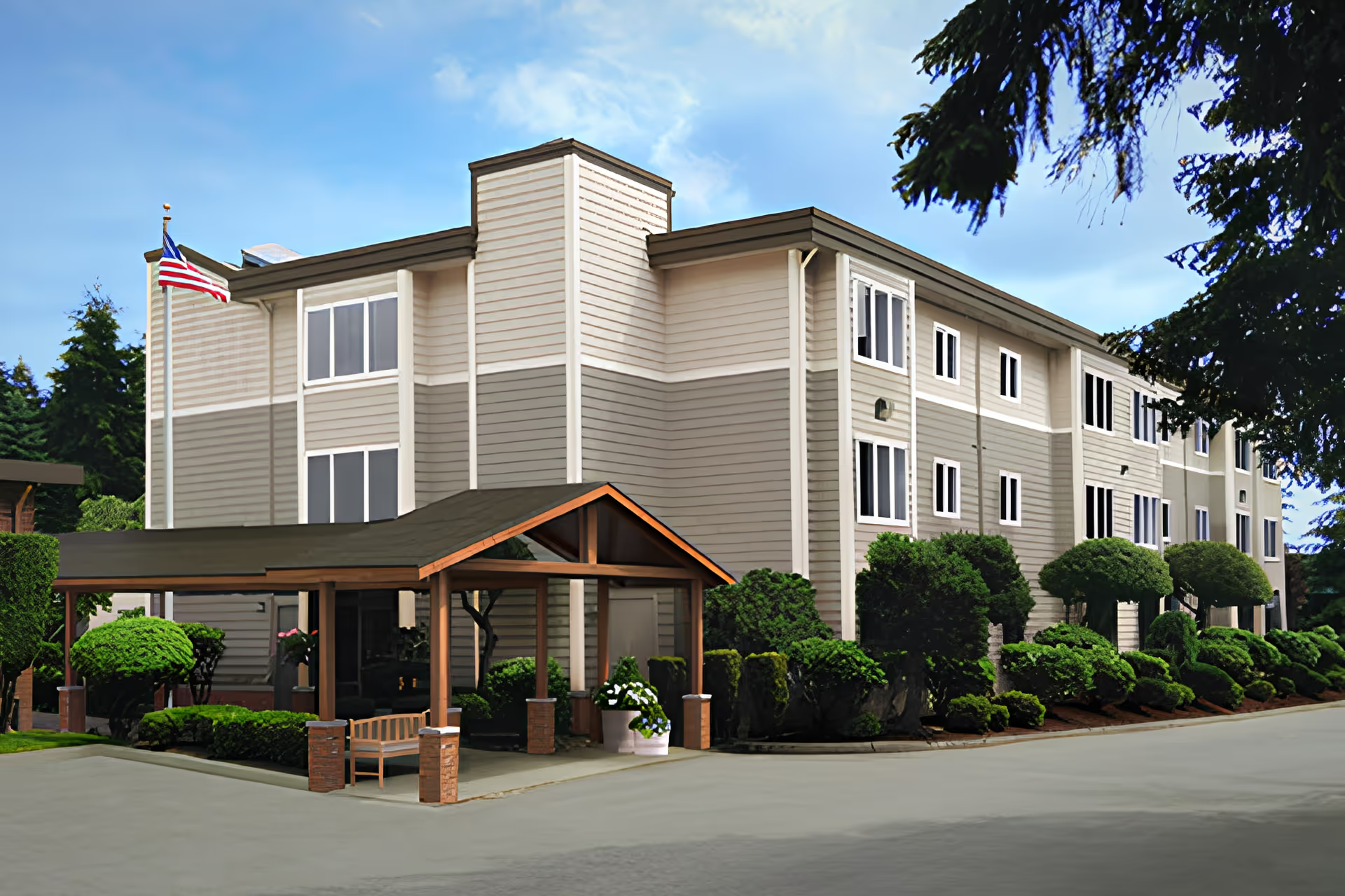
Sunrise of Issaquah is consistently described as a bright, newly built community with a hotel-like, well-furnished interior and attractive outdoor views. Families and residents commonly praise the aesthetics, cleanliness, and upkeep of common areas and suites. The community offers a range of on-site amenities — large dining space, salon, media and craft rooms, outdoor decks with water features — which contribute to an atmosphere described as resort-like and welcoming.
Care and staffing are prominent strengths in the reviews. Caregivers, nurses, and med-techs are repeatedly characterized as compassionate, attentive, and personable; low staff turnover and a family-like culture support continuity of care. Reviewers highlighted thoughtful dementia- and end-of-life care, individualized Alzheimer’s plans, and examples of staff “going above and beyond.” Communication with families — including updates by phone, text and email — and a smooth, rapid move-in process were also noted as organizational strengths.
The community offers a robust activity and social program with frequent, varied events tailored to resident abilities: exercise classes, holiday and family events, themed parties, tastings, and small-group activities. These programs were credited with helping residents socialize and adjust after transitions. Dining is largely seen as a positive feature (including breakfast cooked to order), though a subset of reviewers described variability in meal quality and noted a more rigid meal schedule in some units.
Operational patterns that prospective residents and families should weigh include clinical scope and pricing. Several reviews indicate the community handles routine assisted-living needs well but has limits when residents require higher-acuity, post-acute, or complex medical management; one case described the facility as unable to accept a returning hospital patient with increased care needs. Relatedly, there are a small number of comments about inconsistent clinical follow-up for complex symptoms and about supervision practices for residents at higher fall risk.
Price and billing transparency are recurring practical considerations: the community is positioned as premium and several reviewers flagged cost as high; a limited number raised concerns about billing transparency. Other practical notes include some dissatisfaction with menu flexibility and fixed dining times, and constrained suite-layout options for families with specific space preferences.
Overall, Sunrise of Issaquah is portrayed as a well-run, warm, and amenity-rich community with strong relational caregiving and an active lifestyle program. Prospective residents should balance those strengths against the facility’s premium cost and confirm whether the community’s clinical scope, fall-prevention protocols, dining options, and apartment layouts align with their specific medical and lifestyle needs before committing.