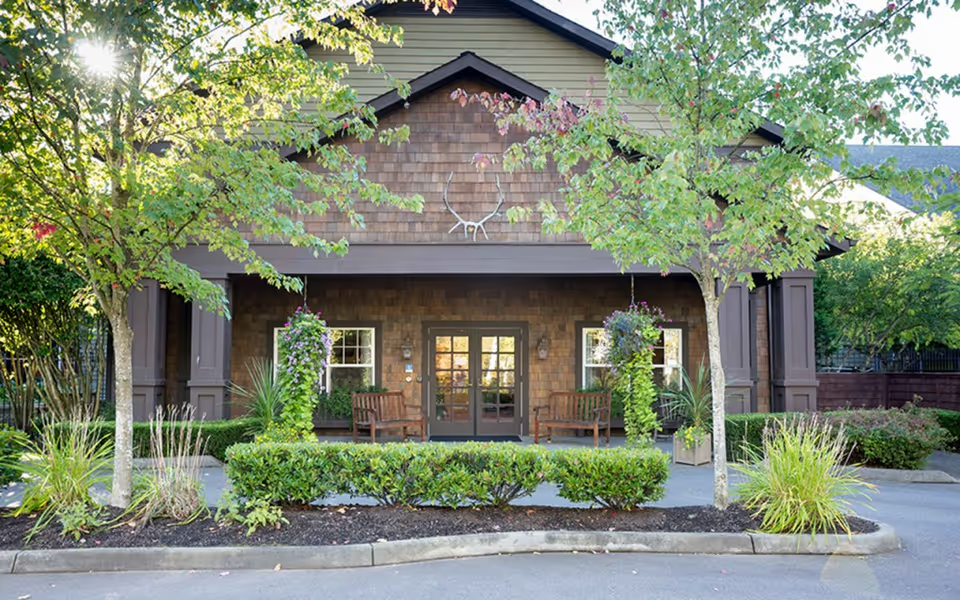
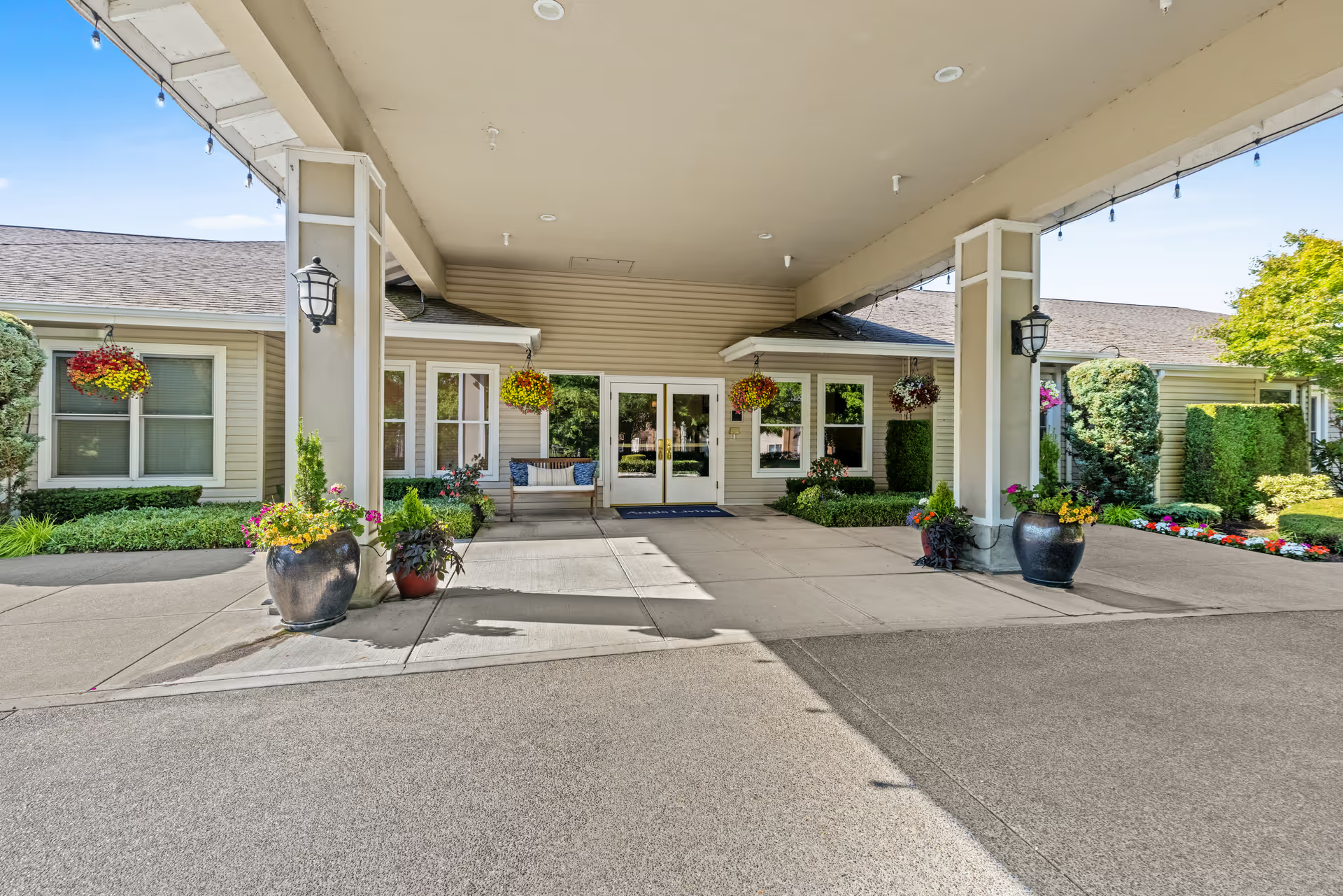
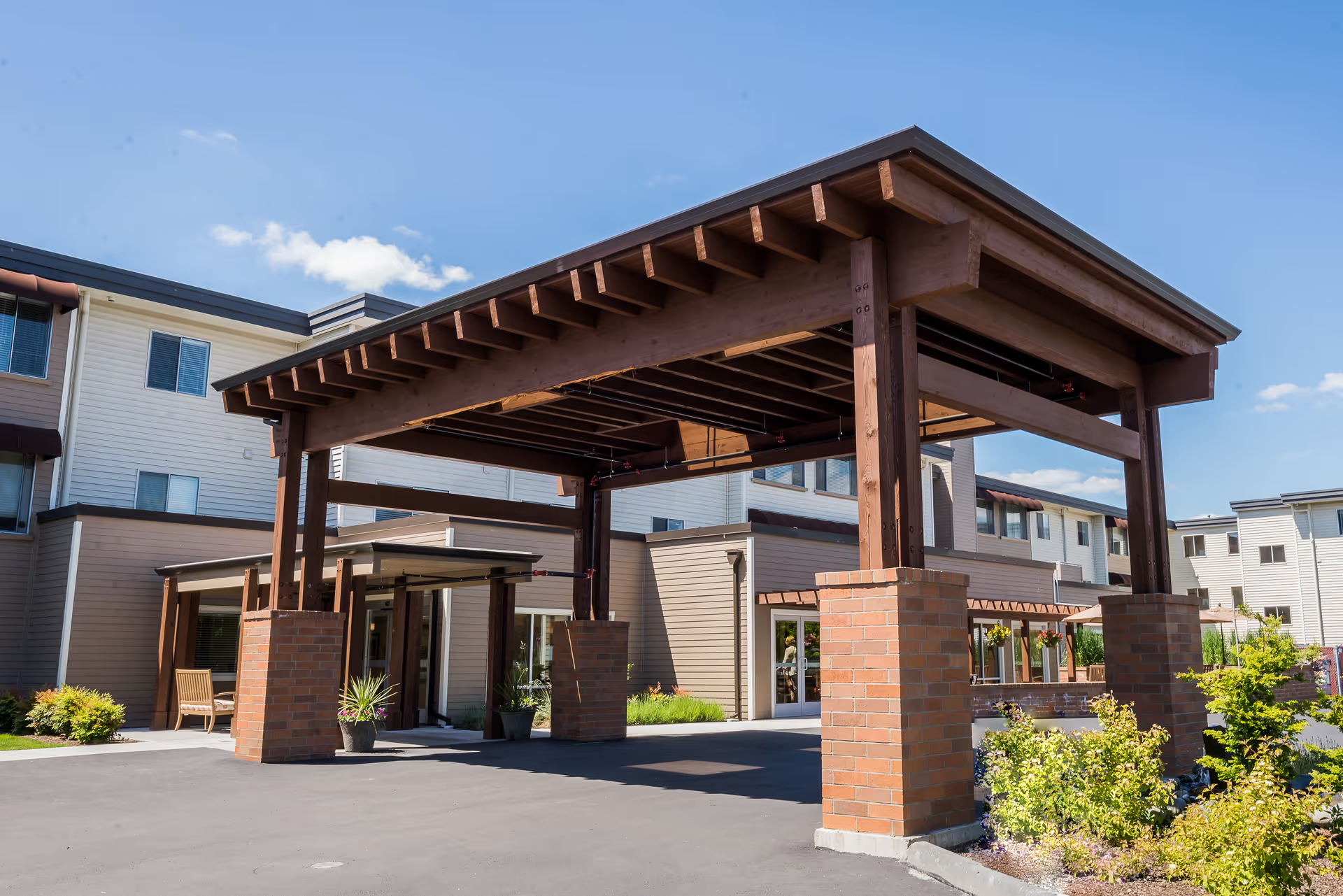
Overview: Reviews of Ruthaven Senior Care Home present a mixed picture. Many family members express clear appreciation for the compassion and dignity afforded to residents, particularly at end of life, while other accounts raise operational concerns that affect day-to-day experience. Prospective families should weigh the facility’s evident strengths in person-centered care against reported gaps in routine clinical and environmental practices.
Care quality: Several reviewers praised the facility’s focus on dignity and comfort, noting compassionate attention during end-of-life care and an overall ethos of respect. At the same time, there are substantive concerns about clinical processes: reviewers described problems with medication timing and with the consistency of routine resident checks. These descriptions suggest variability in adherence to clinical protocols and monitoring schedules rather than a uniformly reliable clinical program.
Staff: Comments describe a broadly caring and committed caregiving team and single-out nursing leadership as accessible and compassionate. Conversely, there are reports indicating variability in staff responsiveness and the tone of staff–resident or staff–family interactions. Those accounts point to an operational issue around staff conduct standards and consistency in interpersonal communication.
Facilities and cleanliness: Positive remarks about staff compassion coexist with concerns about environmental upkeep. Reviewers cited cleanliness and sanitation shortcomings in resident rooms and bathrooms, including inconsistent stocking of hygiene supplies and surface-cleaning issues. These indicate gaps in housekeeping processes and supply management rather than a uniformly maintained environment.
Dining and activities: Reviews do not provide a clear consensus about dining quality. Activity-related feedback is limited, though at least one reviewer reported loud music and noise concerns, which may reflect a need for improved noise control or activity scheduling that better accommodates resident comfort and rest periods.
Management and communication: There is a division in perceptions of leadership. Some reviewers describe well-managed operations and explicit policies intended to prevent care deficits, and they singled out an engaged nurse-owner. Others described inconsistent managerial follow-through and poor communication with families when issues arose. This pattern suggests that while formal policies may exist, their consistent execution and family-facing communication may vary over time or by shift.
Notable patterns and guidance: The dominant positive theme is compassionate, dignity-focused caregiving and engaged nursing leadership. The dominant negative themes are operational: medication-timing controls, resident monitoring routines, environmental cleaning and supply management, staff conduct consistency, and communication/follow-through from management. Prospective residents and families would be advised to visit in person, observe staffing patterns across shifts, ask for written medication- and monitoring protocols, inquire about housekeeping and supply-check routines, and request examples of how the facility addresses concerns and documents follow-up.