Overall impression: The reviews present a bifurcated picture. Direct care and the physical environment are described positively — reviewers consistently highlight compassionate, attentive caregiving, skilled nursing personnel, and a welcoming community atmosphere. Living spaces and common areas are noted as comfortable, well-maintained, and sanitized, and activity programming is described as varied and engaging. Several comments indicate long-term residency, which suggests sustained satisfaction for many residents.
Care quality and staff: Frontline staff receive strong praise for respectful interactions, individualized attention, and going beyond baseline expectations for residents and families. Skilled nursing staff and directors are singled out as caring and accessible in many accounts. These patterns indicate consistently strong person-to-person care and a staff culture oriented toward resident wellbeing.
Dining and activities: Direct commentary about dining quality is limited in the material provided; reviewers emphasize comfortable quarters and well-kept amenities more than specific meal feedback. Activity programming and social life receive positive mention, with a warm resident community and varied offerings that support engagement and social connection.
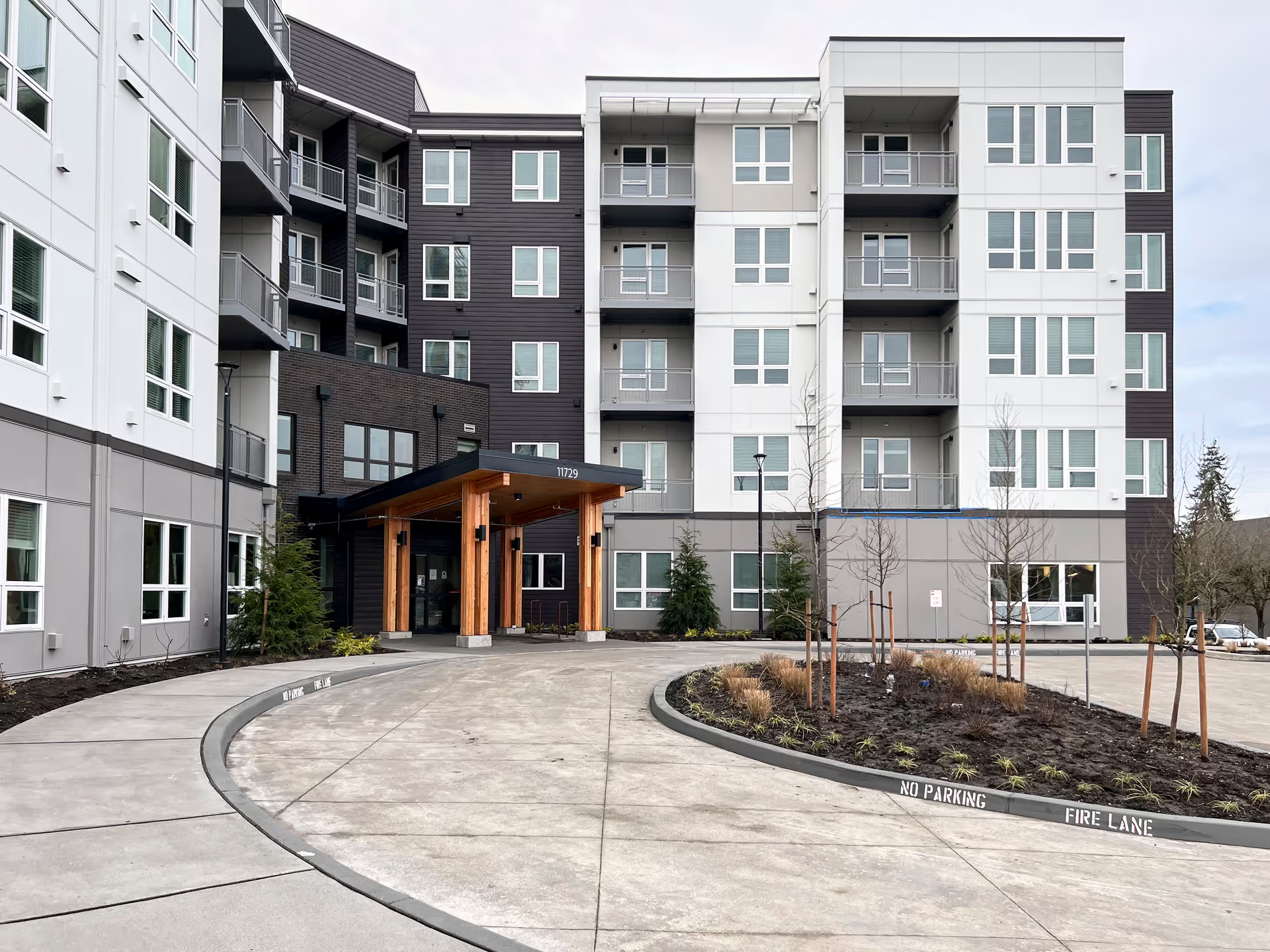
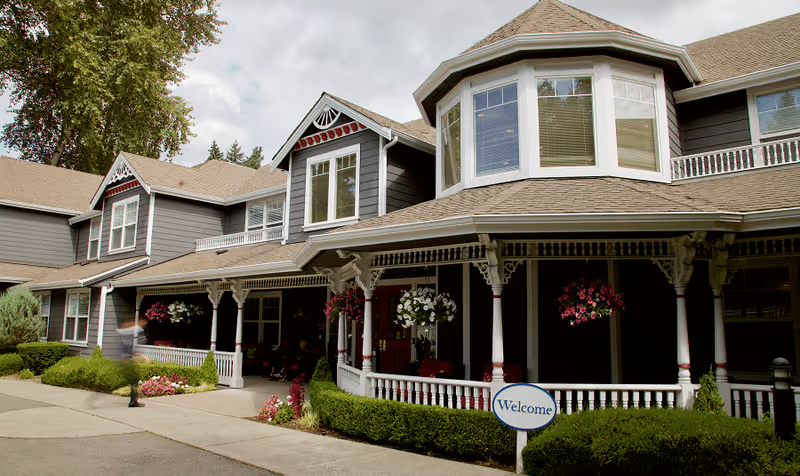
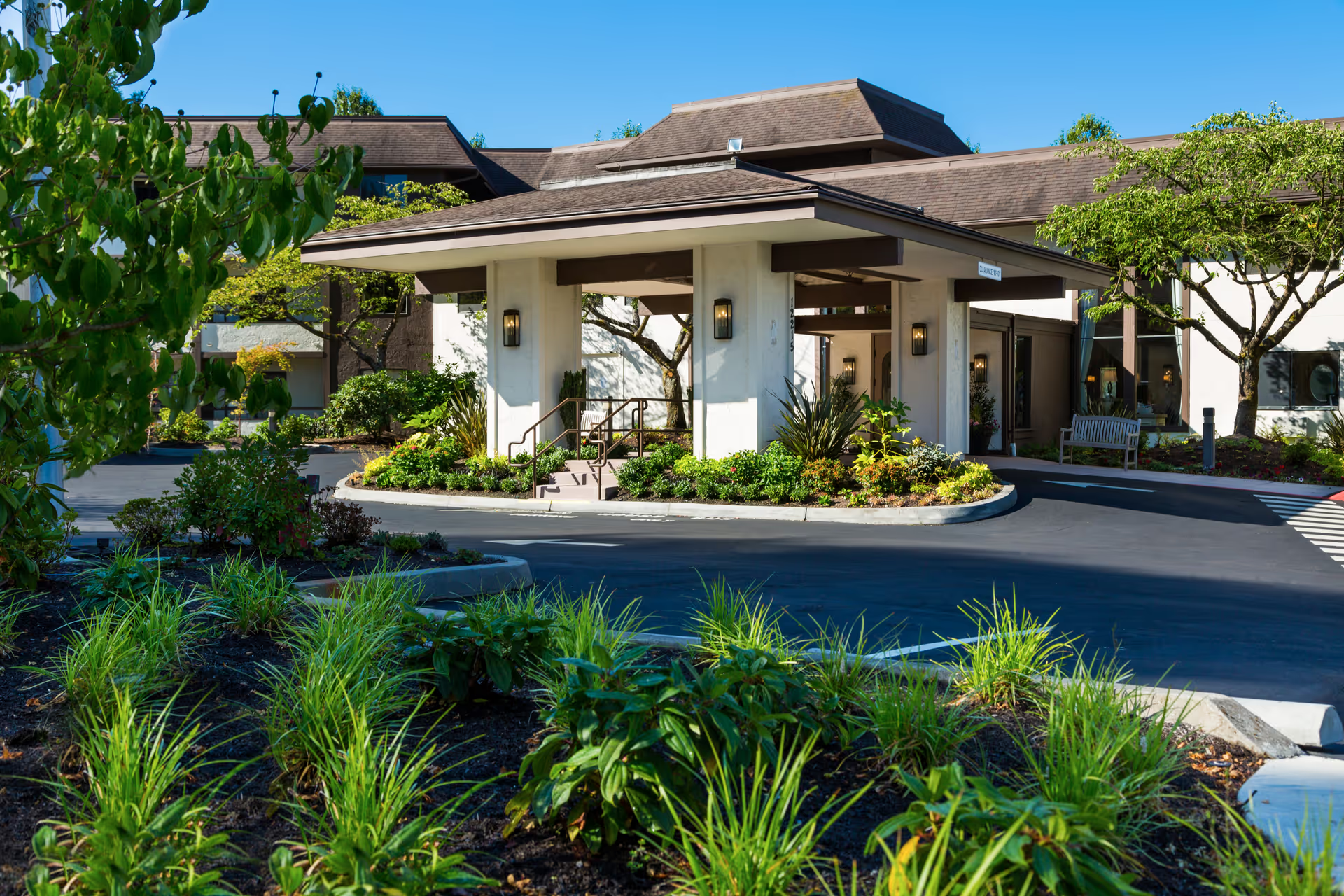
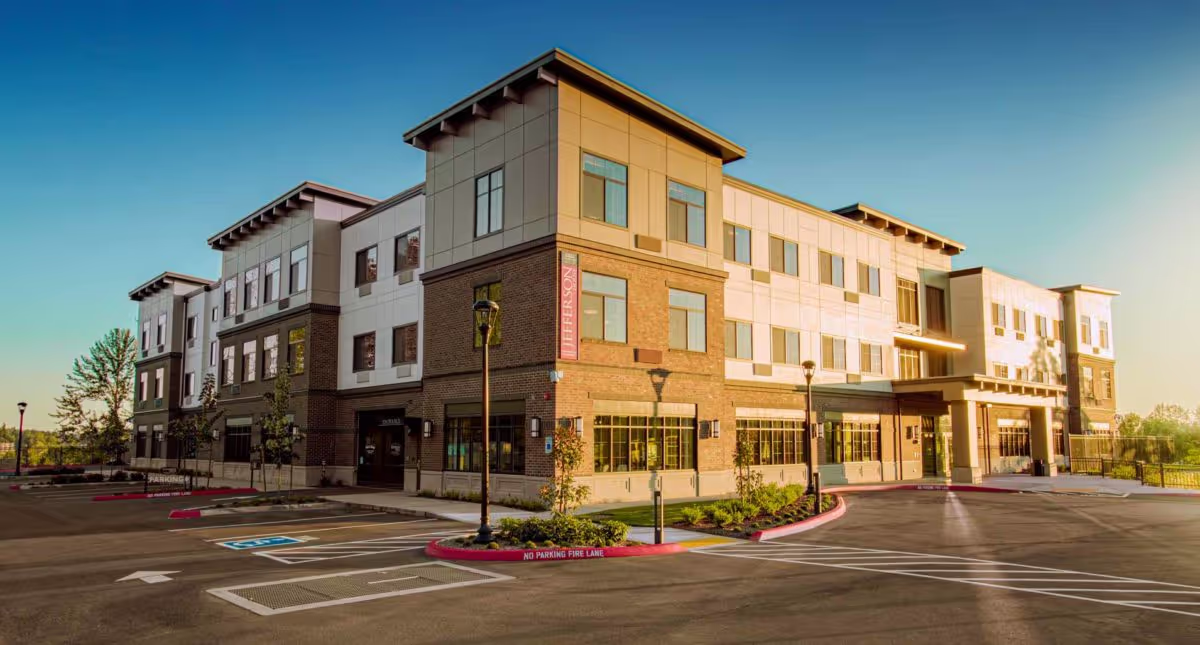
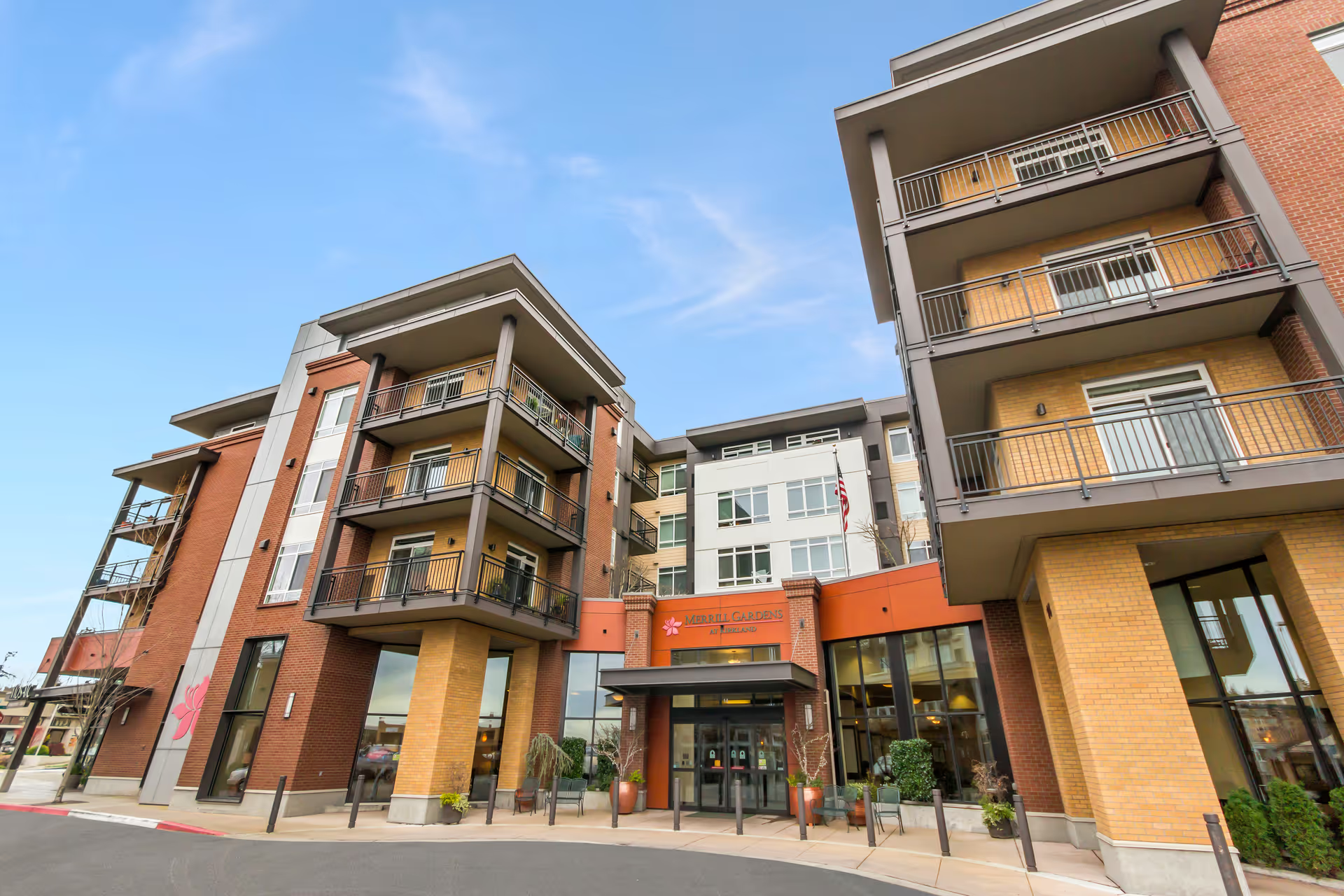
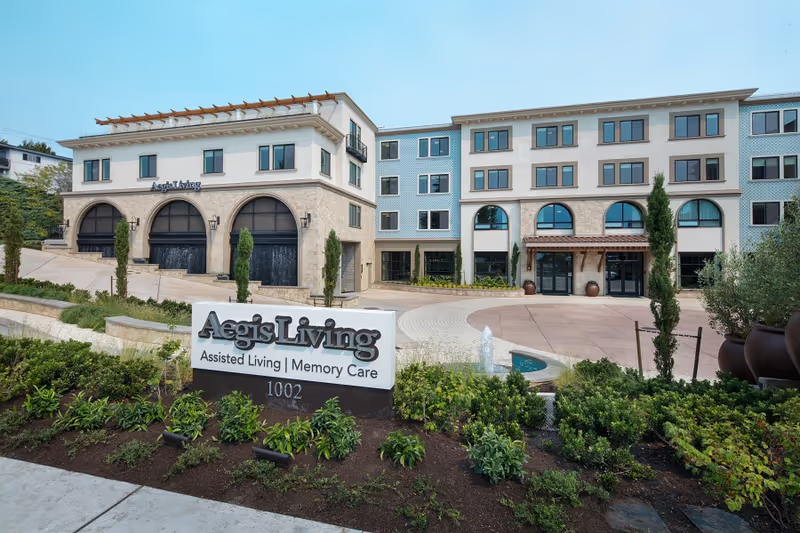
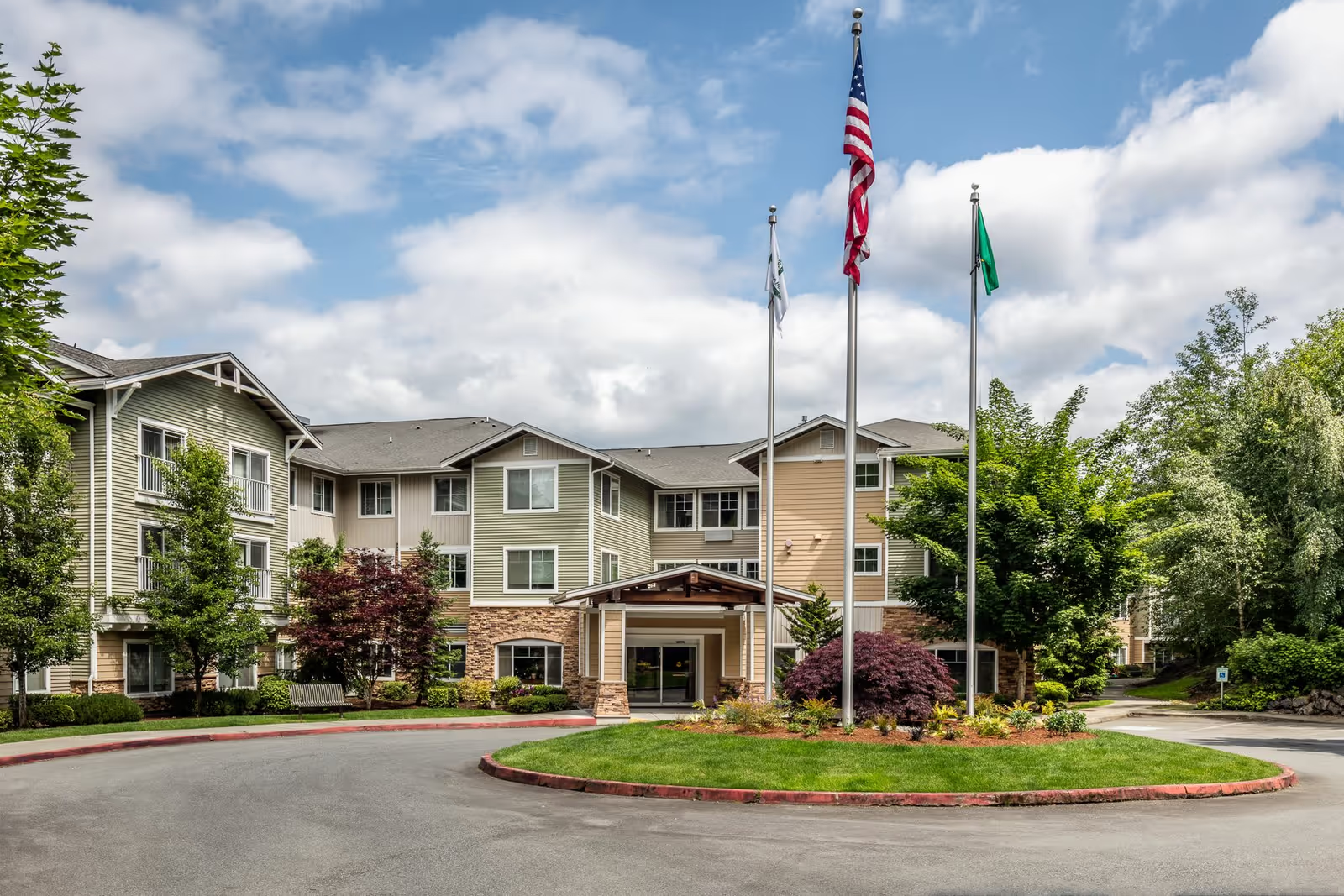
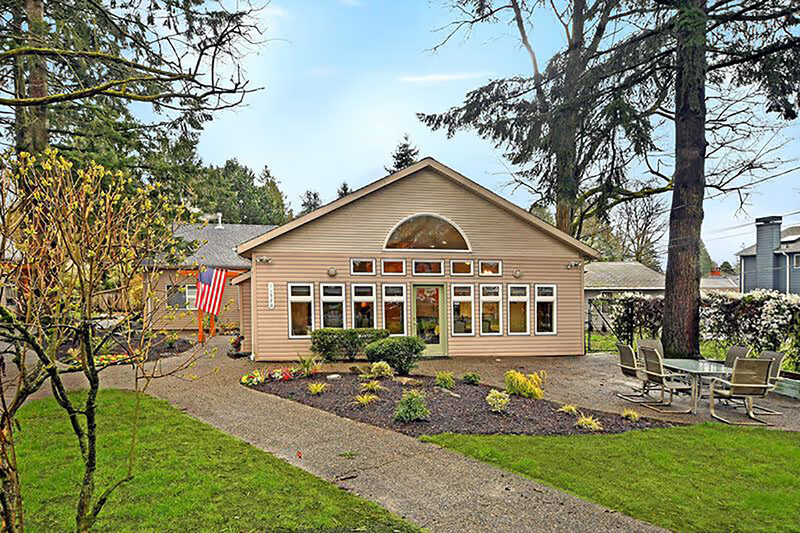
Facilities and cleanliness: The facility’s physical plant and amenities are described as well maintained and sanitized. Common areas and living quarters are characterized positively, and reviewers note attention to housekeeping and upkeep.
Management, transparency, and safety: The primary area of concern centers on facility-level communication, governance, and clinical oversight. Reviews raise issues about limited transparency, gaps in how incidents are disclosed to families, and broader questions about management responsiveness and accountability. One review referenced an alleged cover-up; while singular, that comment amplifies perceptions of opaque incident handling. Taken together, the pattern suggests an operational gap between the strengths of frontline caregiving and the facility’s incident-management and communication processes.
Notable patterns and considerations for families: Prospective residents and families should weigh the facility’s clear strengths in daily caregiving, nursing skill, and a well-maintained physical environment against documented concerns about leadership transparency and incident communication. Families who prioritize warm staff interactions and active programming may find the community appealing; those who require a facility with strong, demonstrable incident-disclosure practices and high-level managerial transparency should seek clarifying documentation and ask targeted questions about protocols for reporting, investigating, and communicating clinical events before committing.