Overall impression: Reviewers convey a generally positive view of the facility, with frequent emphasis on a compassionate and professionally trained staff, strong rehabilitative services, and comprehensive supportive care including mental health, emotional, spiritual, and hospice services. Many families framed the facility as a trusted long-term option that offers attentive nursing, therapeutic rehab, and dignity-focused approaches to resident care. The nonprofit governance model was highlighted as a strength, with funds perceived as directed toward patient services.
Care and clinical services: Praise centers on competent nursing, a knowledgeable clinical team, and readiness to provide end-of-life and intensive treatments when needed. The facility is described as offering effective therapeutic rehabilitation and coordinated hospice placement. At the same time, there were operational concerns that may affect clinical reliability: reviewers noted delays in medication administration and slower clinical responses at times, and raised issues with documentation and administrative processes. Prospective families may want to ask about medication-timing protocols, on-call clinical coverage, and how clinical incidents are escalated.
Staff and management: Staff behavior and culture are among the facility's strongest attributes. Caregivers are characterized as kind, hardworking, and willing to go above and beyond; management is viewed as caring and appreciative. Staff training and professionalism were repeatedly noted. However, staff availability during peak or busy periods was mentioned as a constraint that can reduce time for resident engagement, suggesting workload or staffing-allocation challenges in practice.
Activities and social programs: Positive accounts reference organized activities including music and group visits and caregivers who facilitate participation. Conversely, some reviewers described limited or inconsistent activity offerings that left residents less engaged, particularly in smaller areas without robust programming. Clarify activity schedules, staff involvement in programming, and how the facility supports residents with lower mobility or passive engagement needs.
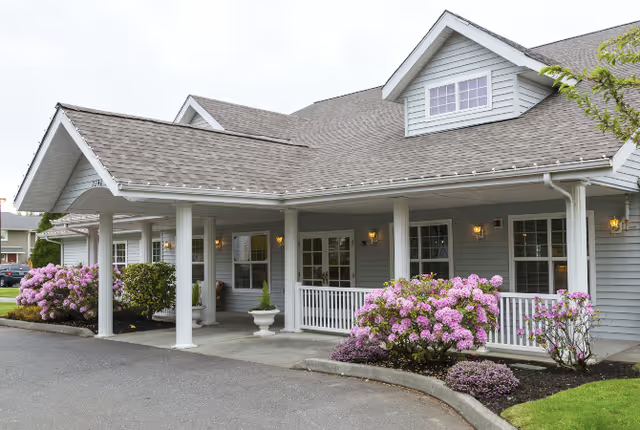
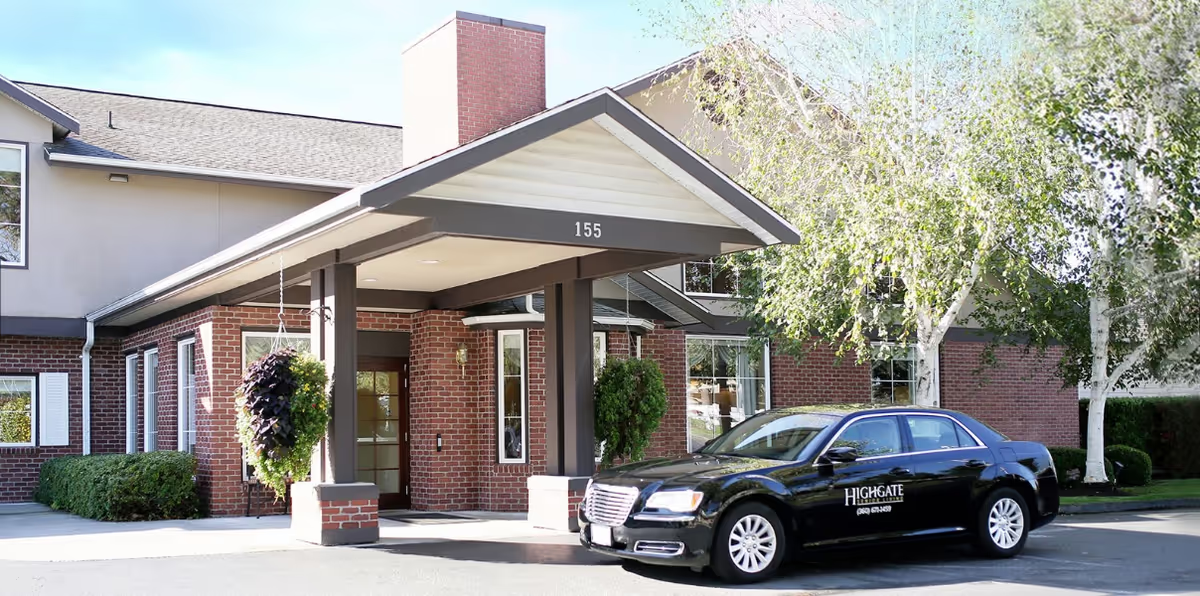
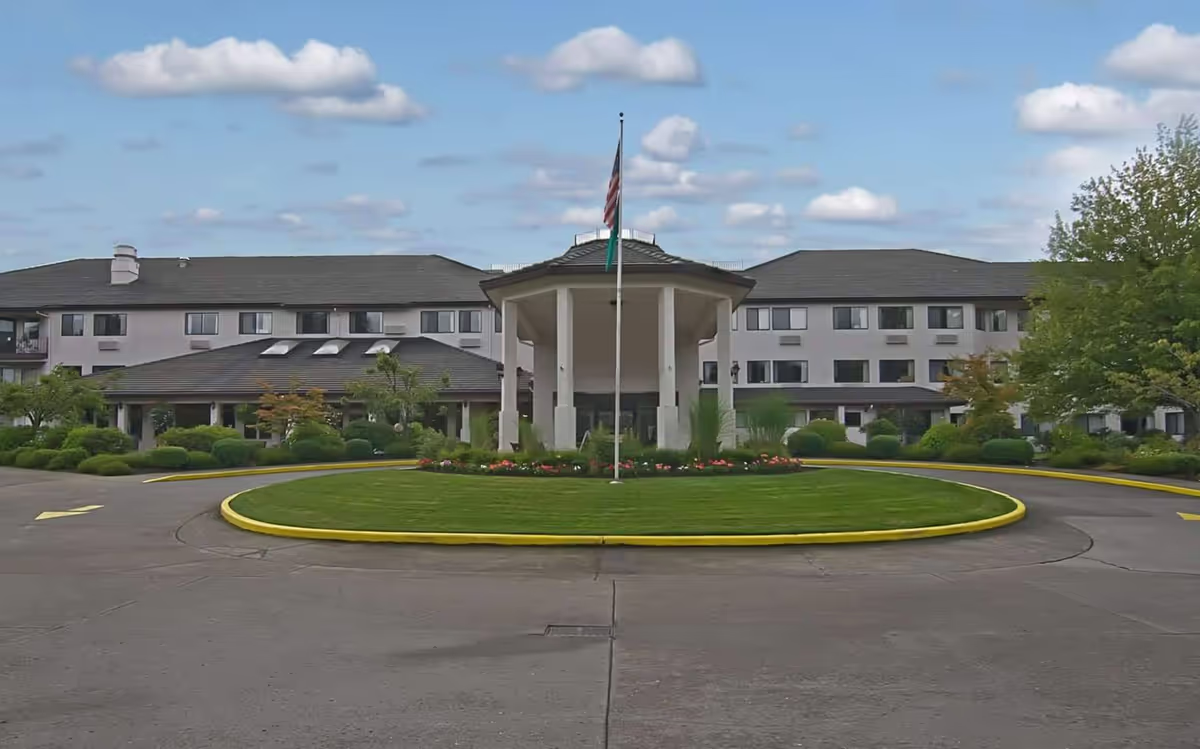
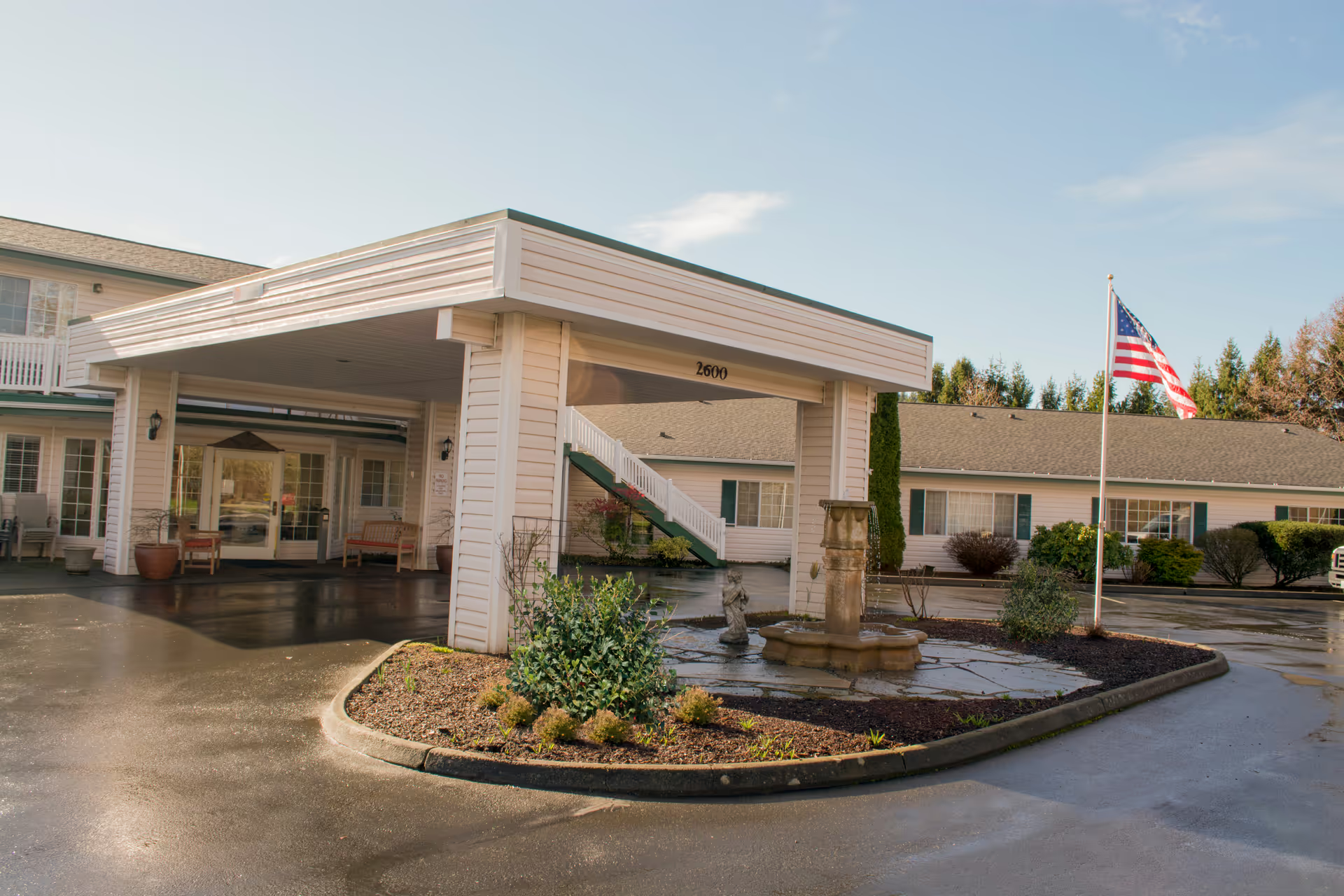
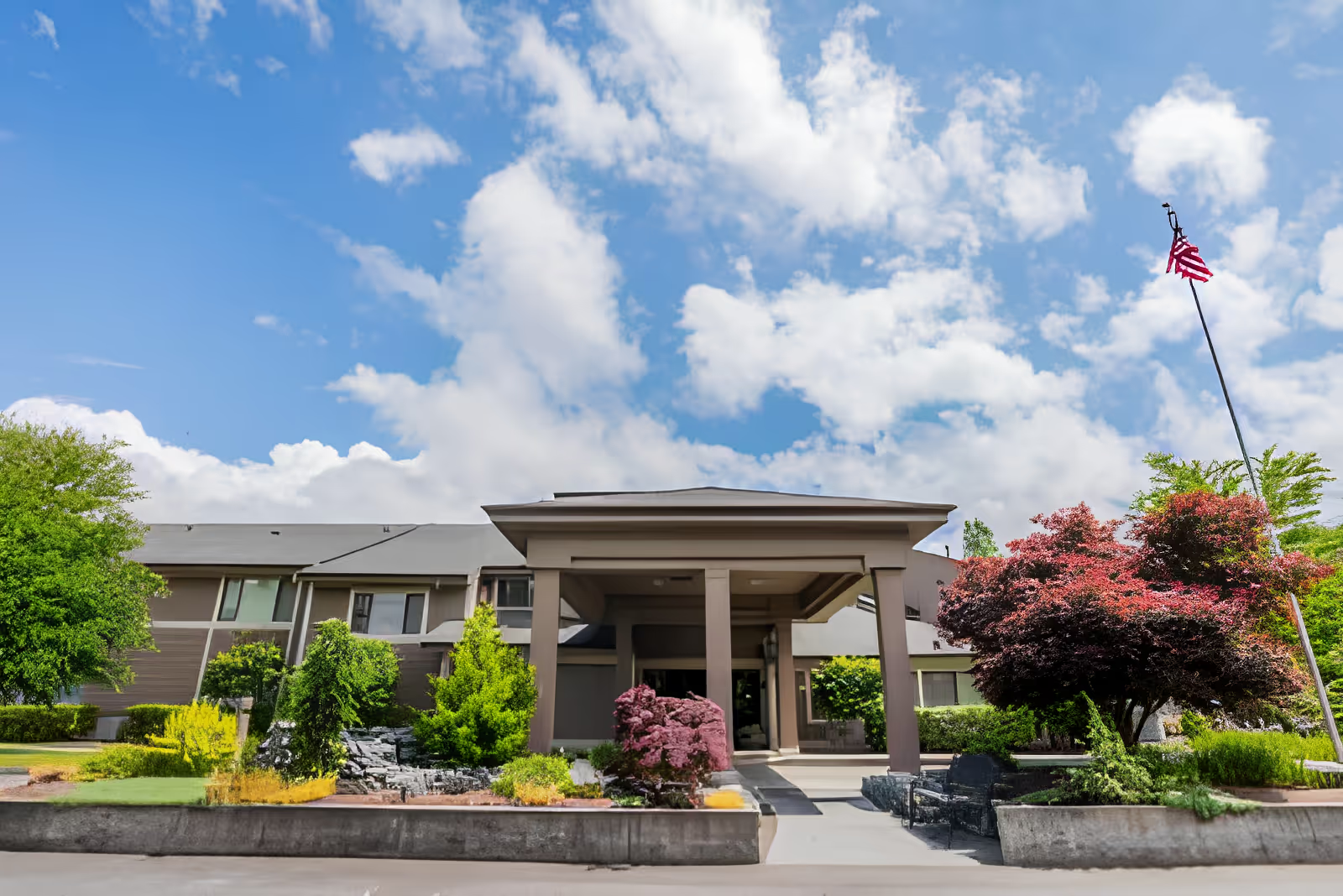
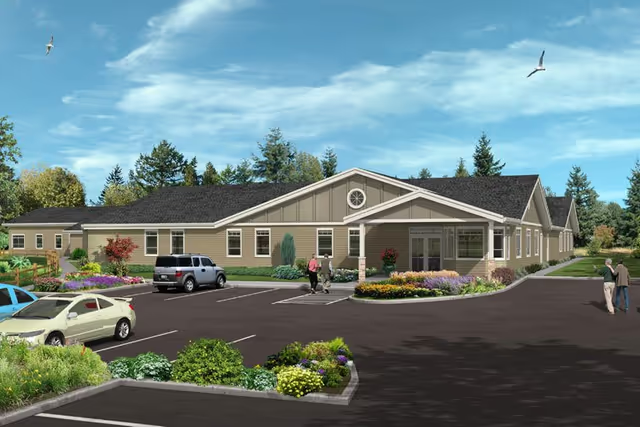
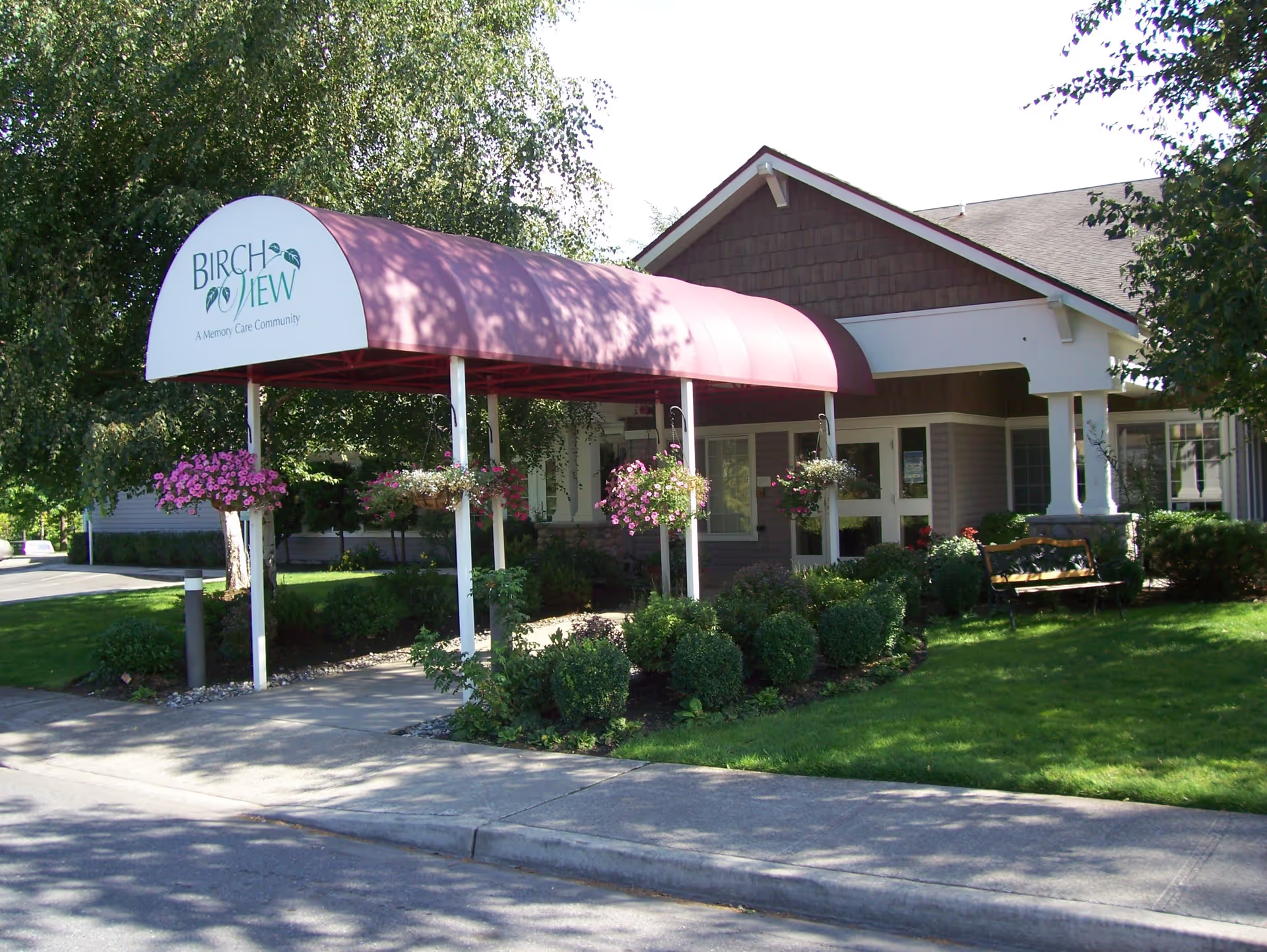
Facilities and dining: The physical environment is described as clean, well-kept, and odor-free, with larger resident rooms and a newer building in parts of the campus. Value for cost was frequently mentioned. Noted limitations include constrained outdoor amenities or absence of a courtyard in some parts of the site, which may affect residents who benefit from outdoor access.
Notable patterns and recommendations: Strengths concentrate on staff compassion, clinical breadth (rehab and hospice), and facility upkeep under a nonprofit model. Recurring operational weaknesses are communication gaps with families, paperwork/documentation issues, medication-timeliness concerns, and uneven activity programming or outdoor amenities. For families considering this facility, a focused tour should include questions about family communication protocols, medication administration safeguards, documentation processes, staffing ratios at different times of day, and specific activity and outdoor access options to evaluate fit for the prospective resident.