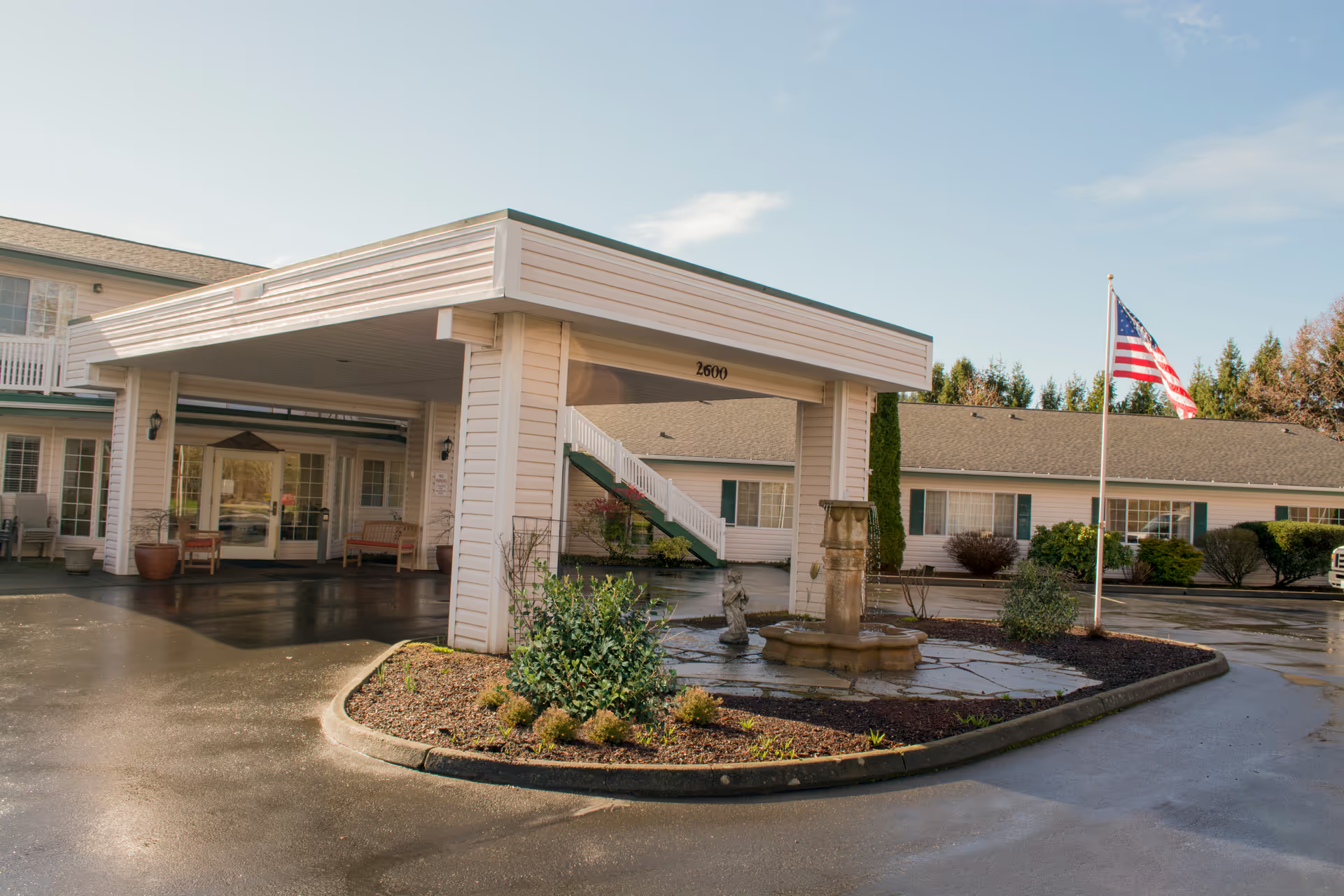
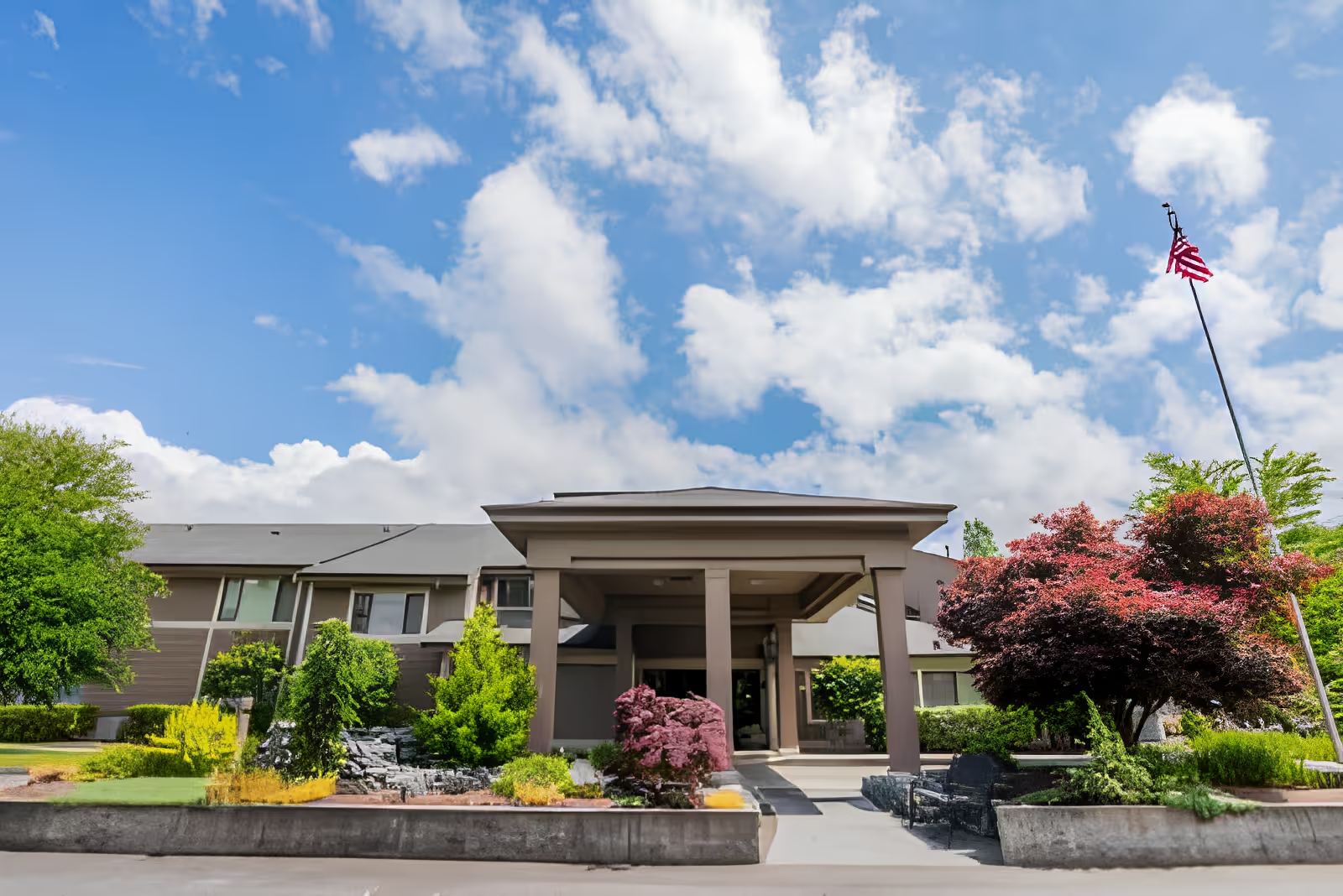
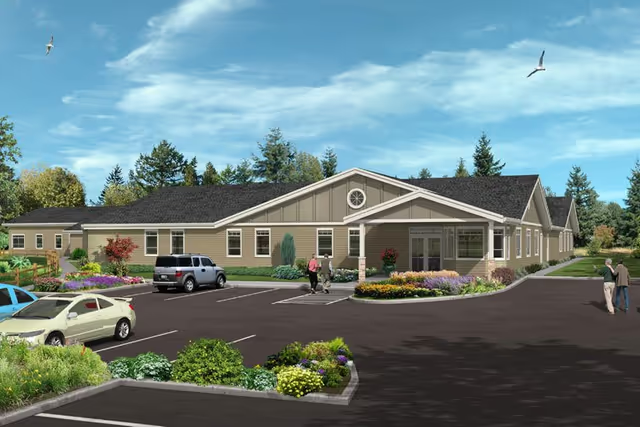
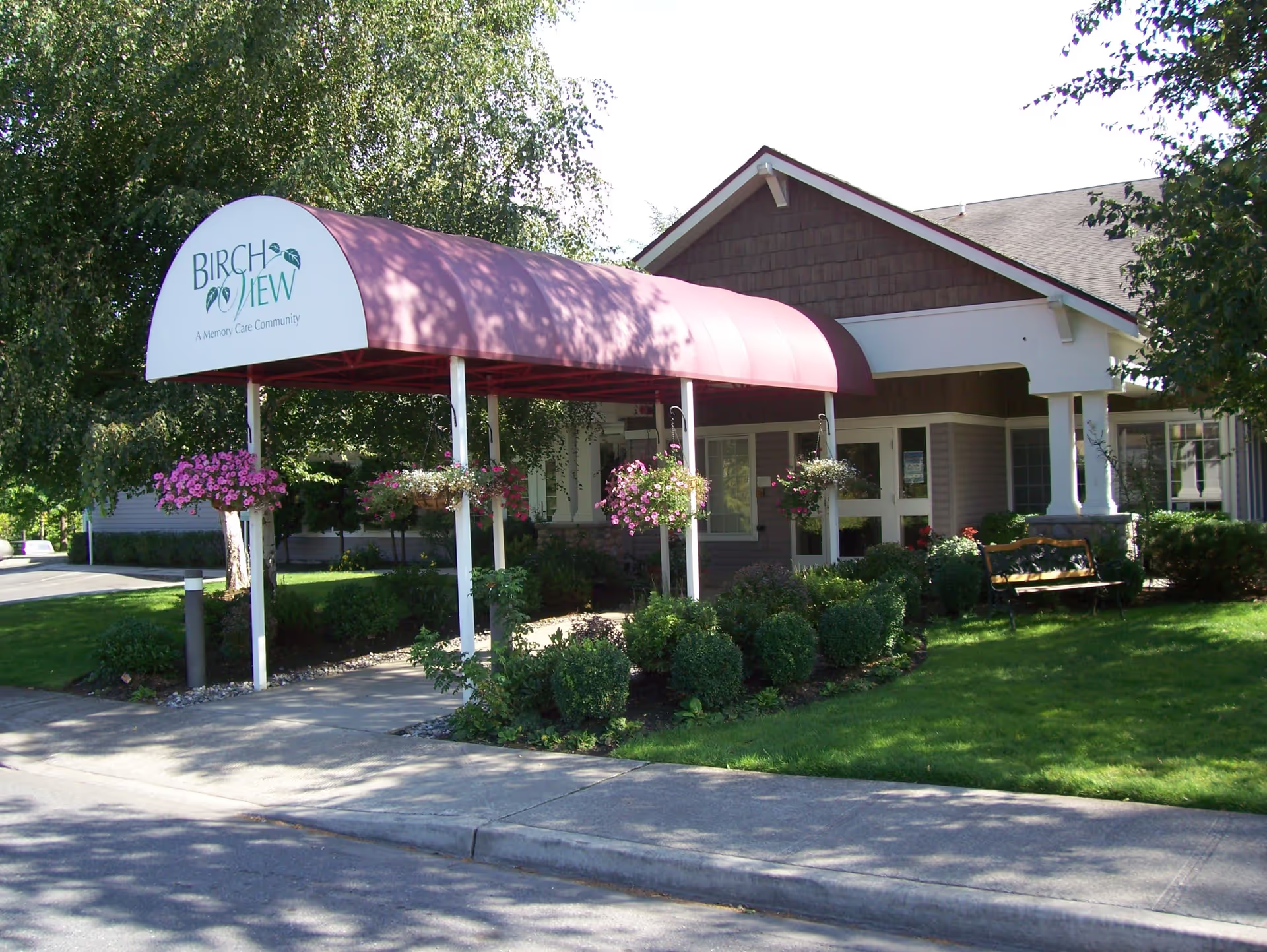
Overall impression: Review summaries convey a facility that offers many strengths alongside several operational inconsistencies. Positive themes include attentive caregiving, a clean and community-oriented environment, private apartments with basic kitchen amenities, and a meal program that meets resident needs. Families and residents report that many staff members are knowledgeable about individual needs and that the overall facility layout and social opportunities support resident well‑being. At Lynden Manor specifically, reviewers note clearer pricing and defined care levels, along with dependable after‑hours administrative access.
Care and staff: Care quality is described as compassionate and attentive overall, with nurses and attendants who are responsive to dietary requirements and who know residents’ needs. However, staffing appears uneven across shifts: some reviewers describe highly supportive day and night teams, while others describe problems on particular shifts, including concerns about staff conduct and medication-administration practices. The facility’s use of agency personnel is associated with variable team cohesion and performance; when staffing is stable, supervision and resident support are described positively.
Dining and activities: Dining is consistently highlighted as a strength — meals are described as good and the dining room meets residents’ needs. Kitchen workload and staffing pressures were noted as factors that can limit staff social time with residents. Activity offerings are generally engaging, with music, simple art projects, animal visitors, and recreational options such as a pool table contributing to social life. Memory‑care programming, however, is described as inconsistent and could benefit from more regular, structured activities.
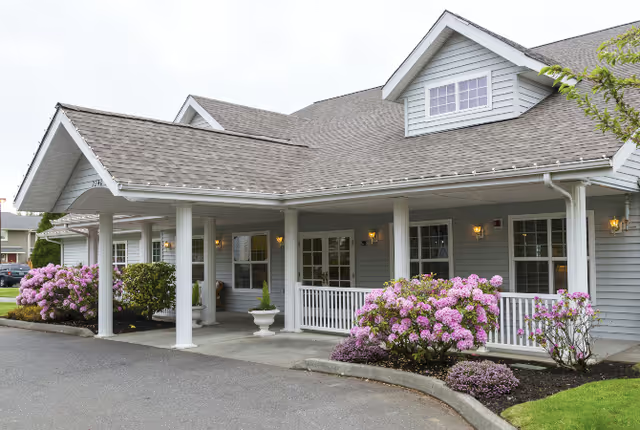
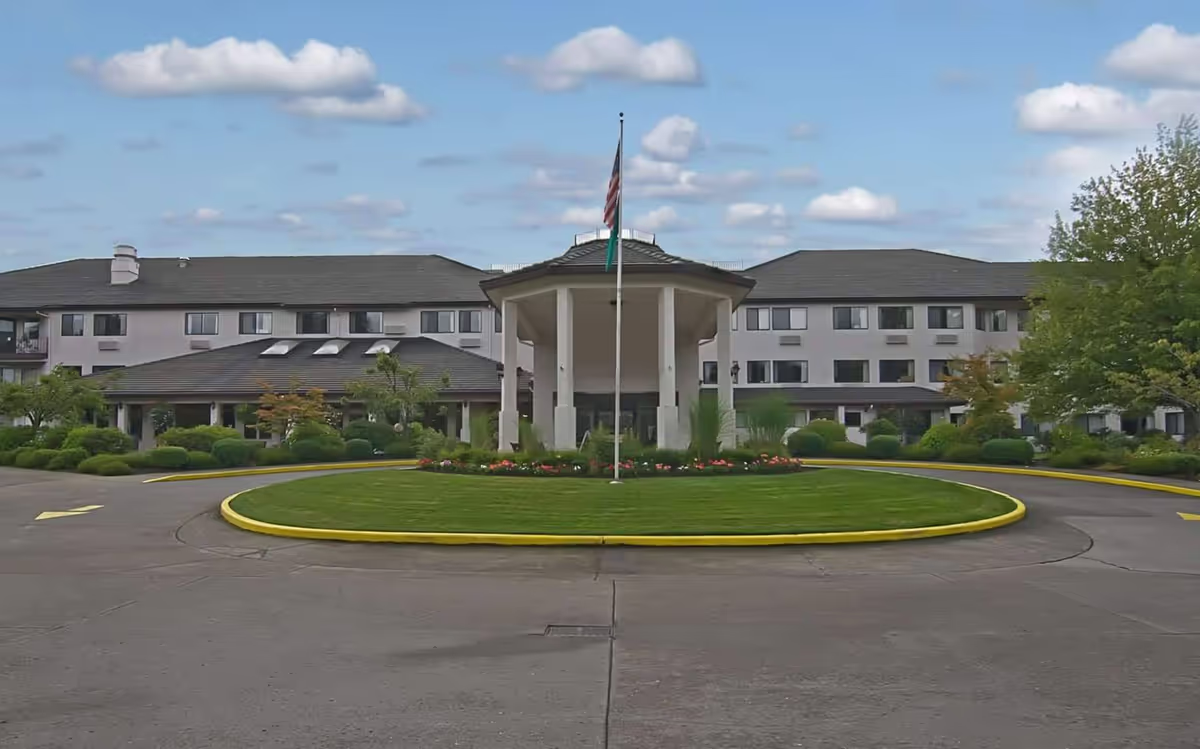
Facilities and accommodations: Physical accommodations receive praise for privacy, cleanliness, and functional layouts that include a sitting area, separate bedroom, bathroom, and in‑room microwave/compact oven and fridge. Room sizes are described as modest in some units, which may be a consideration for residents seeking larger private spaces. Memory‑care areas were noted to need cosmetic updates. The community spaces, including lounges and a gazebo, support social interaction and a strong sense of community when seating and access policies allow.
Management, communication, and safety: Communication and administrative follow‑up are mixed. Some locations (Lynden Manor) are noted for transparent pricing and after‑hours access, while other locations face opaque pricing and difficulties reaching administrators outside business hours. Reviewers indicate gaps in security and safety oversight and express concerns about administrative availability and follow‑through. Removal or restriction of common seating has been perceived to limit resident autonomy and reduce informal social opportunities. Staffing shortages outside core hours also contribute to these operational strains.
Notable patterns and considerations for families: The facility shows clear strengths in caregiving temperament, meal quality, and community life, making it a good fit for residents who value privacy and social programming. Prospective residents and families should weigh these strengths against operational concerns: variable shift consistency, occasional conduct and medication‑management concerns, limited after‑hours administrative coverage at some locations, smaller room footprints, and needed cosmetic work in memory care. Visiting during different shifts (including evenings) and asking about staffing stability, agency‑staff integration, memory‑care programming schedules, and after‑hours protocols will help families assess fit and alignment with individual needs.