Overall impression: Reviewers convey a mixed but specific pattern. Many families and residents praise the facility’s rehabilitative strengths and compassionate caregiving, while a recurring set of operational problems appears to undermine some residents’ experiences. The facility offers evident rehabilitation resources and a supportive clinical team, but operational and communication gaps affect day-to-day care for certain residents.
Care and clinical services: Rehabilitation services are a consistent strength. Physical and occupational therapy receive repeated positive mentions for helping residents regain mobility and prepare for discharge; reviewers note daily in-room exercises and motivated therapy staff. Advanced clinical involvement — specifically nurse-practitioner and dietitian engagement — is cited as a positive element that supports individualized care plans. However, reviewers also describe delays in medication administration and other bedside clinical responses, and some raised concerns about the consistency of point-of-care practices. There are also specific notes indicating gaps in transfer and mobility-safety practices that warrant attention.
Staff and communication: Many reviewers describe caregivers as compassionate and attentive, and several singled out department leadership and front-line staff for responsive assistance. At the same time, staff identification and assignment continuity are inconsistent, which complicates family communication and continuity of care. Communication from administration is variable: some families experienced helpful, proactive managers, while others reported unanswered emails, unclear therapy scheduling, missing progress documentation, and unexpected discharges. Concerns about the tone and professionalism of some staff, including allegations of discriminatory conduct, were raised and are significant enough that families should inquire about staff training and complaint-resolution processes during a tour.
Dining, activities, and daily living: The facility provides organized communal activities and dedicated spaces (movie and board-game areas) that support social engagement. Rooms and many common areas are described as clean and quiet, contributing to a restorative environment for many residents. Conversely, there are inconsistent reports about sanitation and odor-control in some areas, and several reviewers noted issues with laundry handling and meal assistance — including limited menu variety and variable availability of feeding support. Prospective residents should ask about mealtime assistance policies and laundry safeguards.
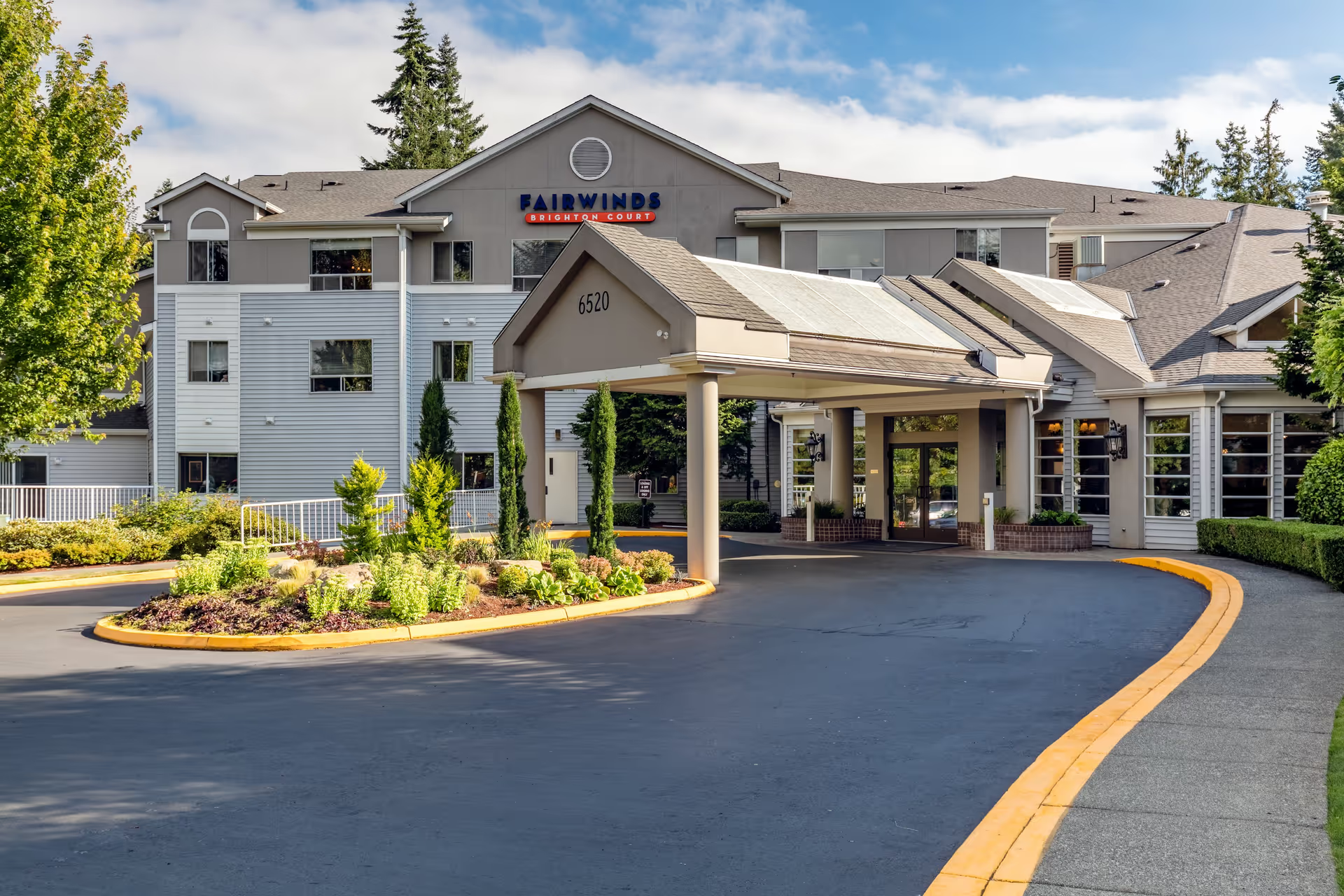
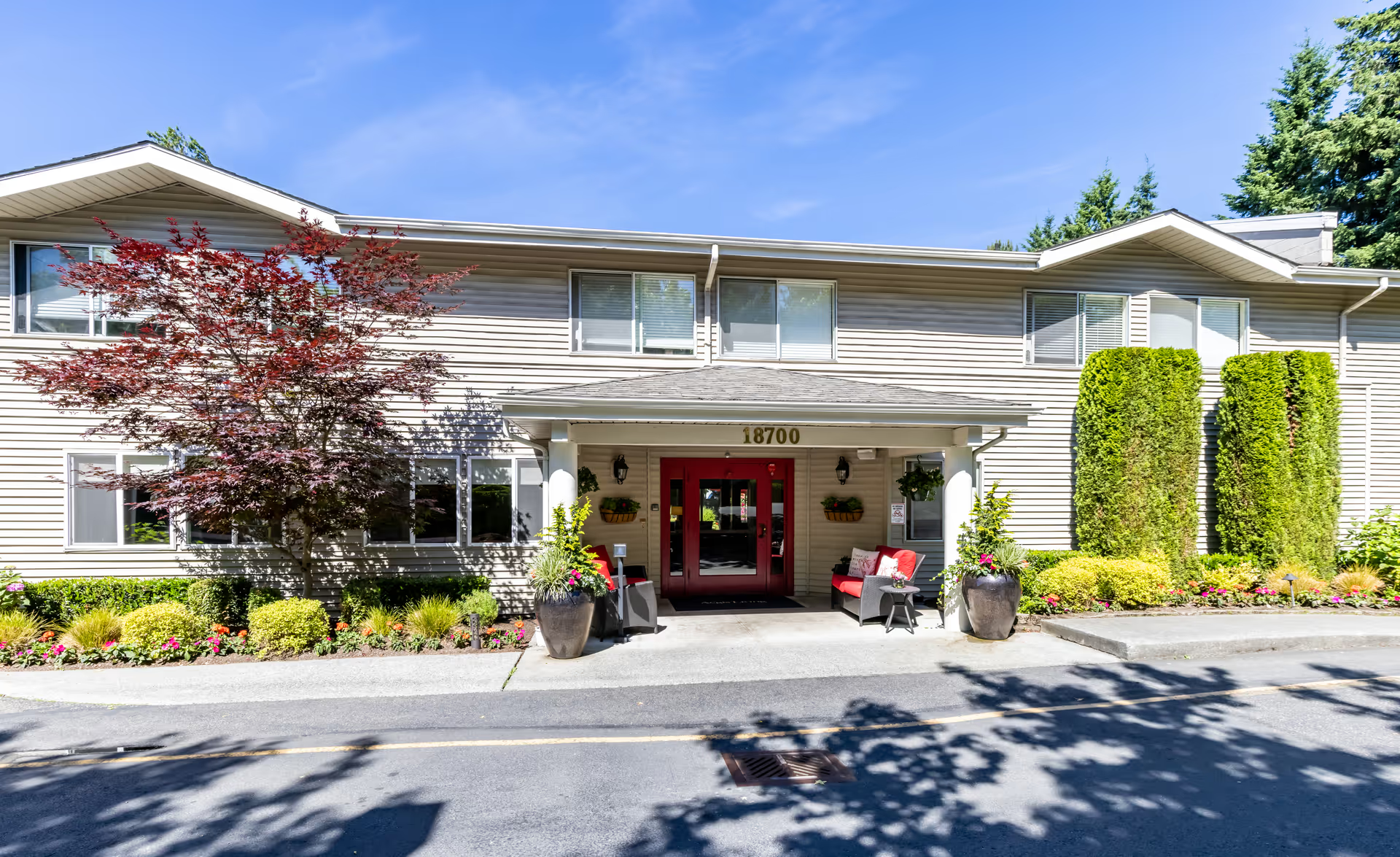
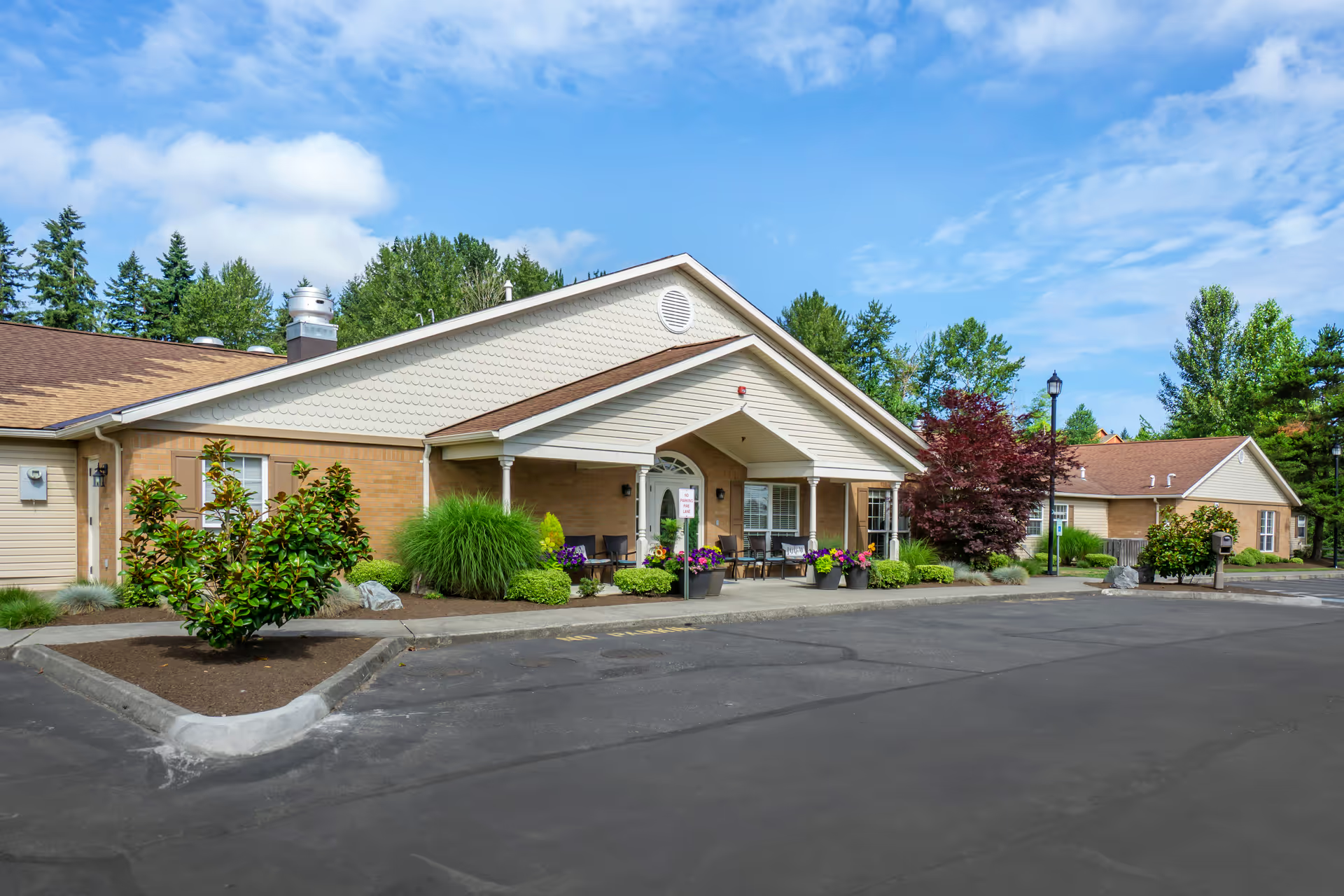
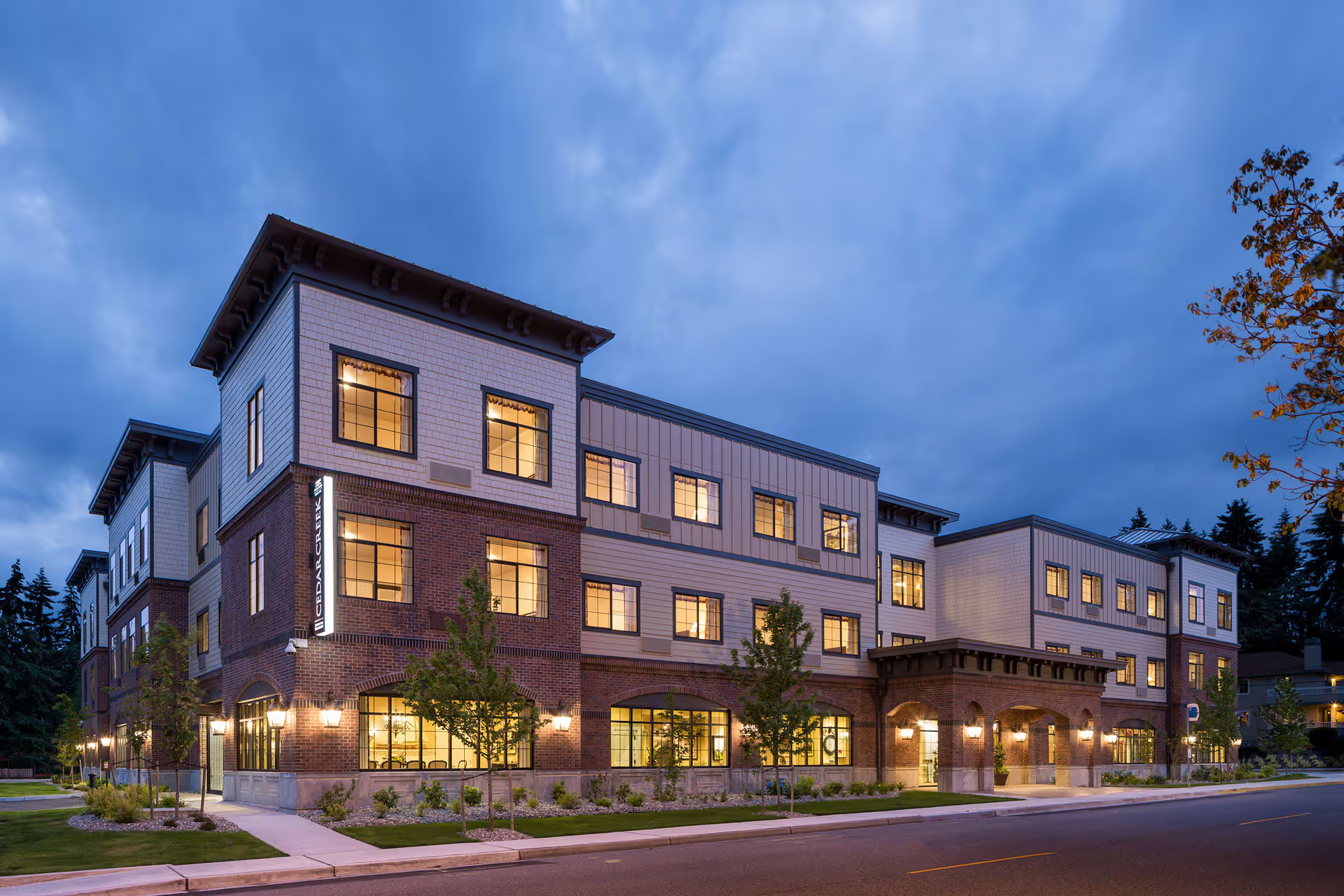
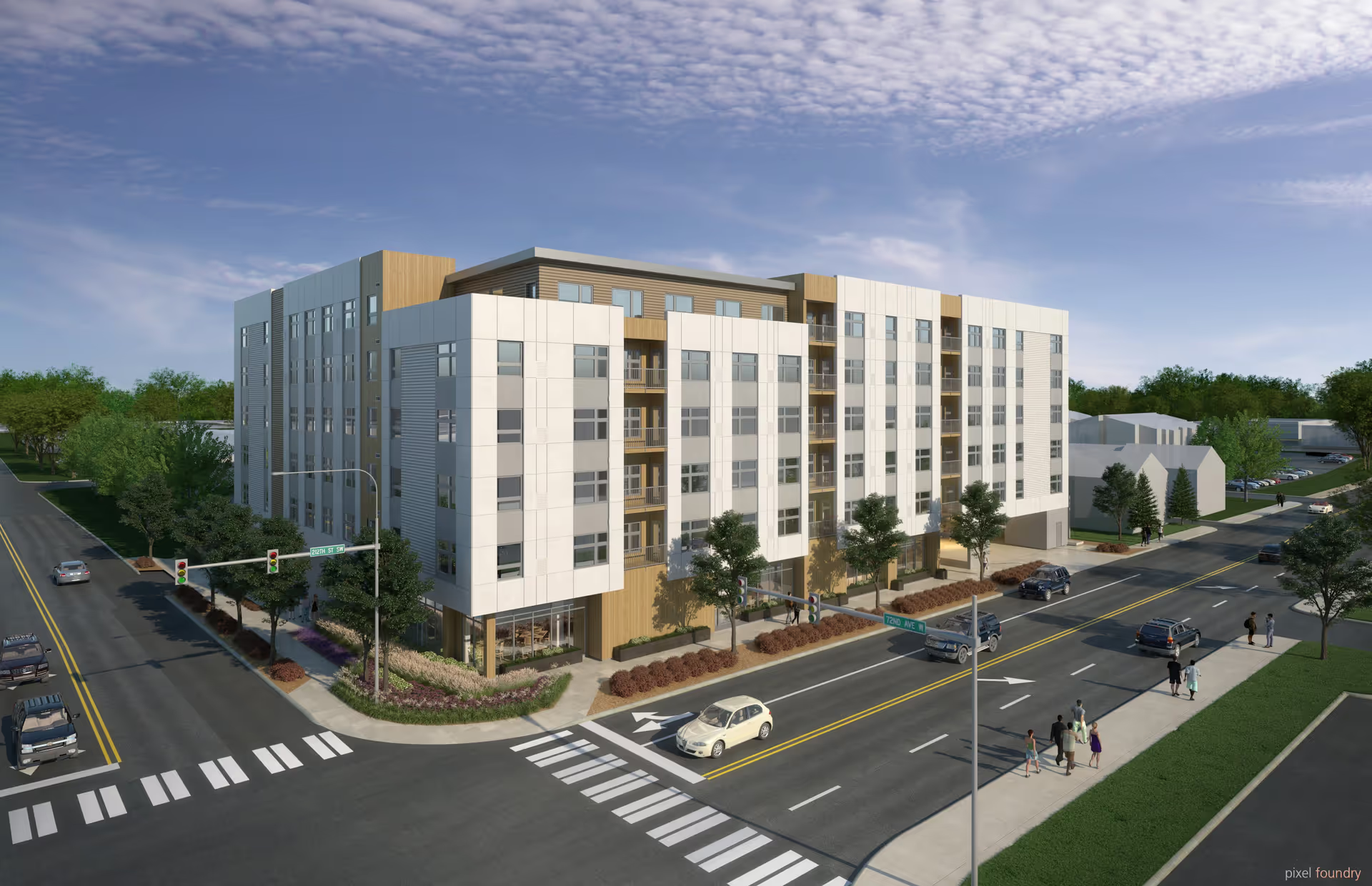
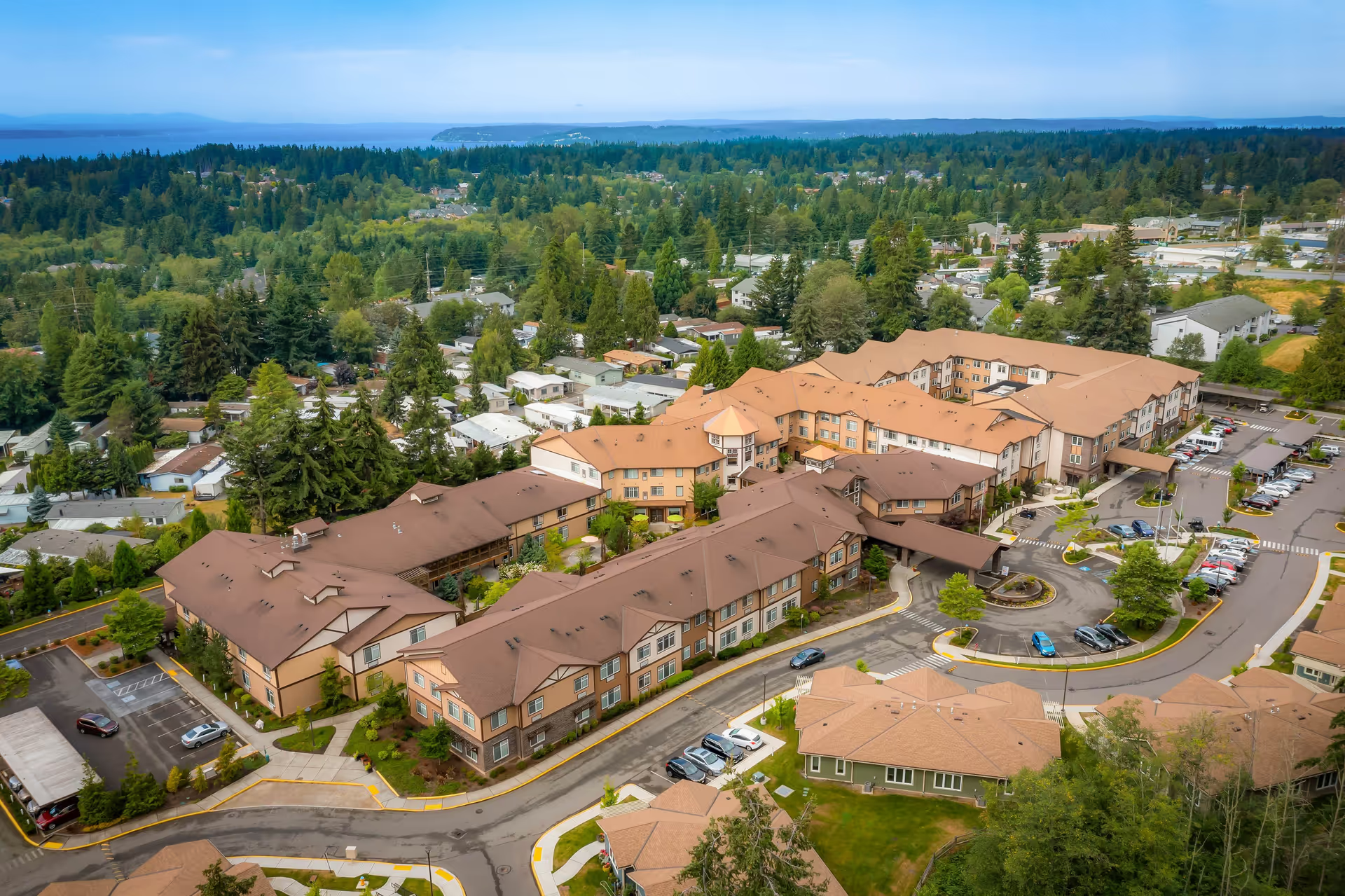
Facilities and logistics: The site is located on a quieter street and includes spaces intended for short-term and long-term rehabilitation. Parking availability was noted as an area for improvement. The physical environment supports rehabilitation goals but operational maintenance in certain units appears uneven.
Notable patterns and recommendations for families: If considering this facility, weigh its demonstrated rehabilitative strengths and the presence of advanced clinical staff against recurring operational weaknesses: slow call-bell responses, sanitation inconsistencies, medication/bedside response delays, gaps in transfer safety, and communication/laundry management issues. When touring, ask to see therapy schedules and progress-report examples, inquire about staffing identification and shift continuity, review transfer-safety protocols (gait-belt and assisted-transfer policies), and get clarity on mealtime assistance and laundry procedures. Also ask management how they handle complaints and what steps they take after any reported conduct concerns. These targeted questions can help families assess whether the facility’s strengths align with a specific resident’s needs and safety priorities.