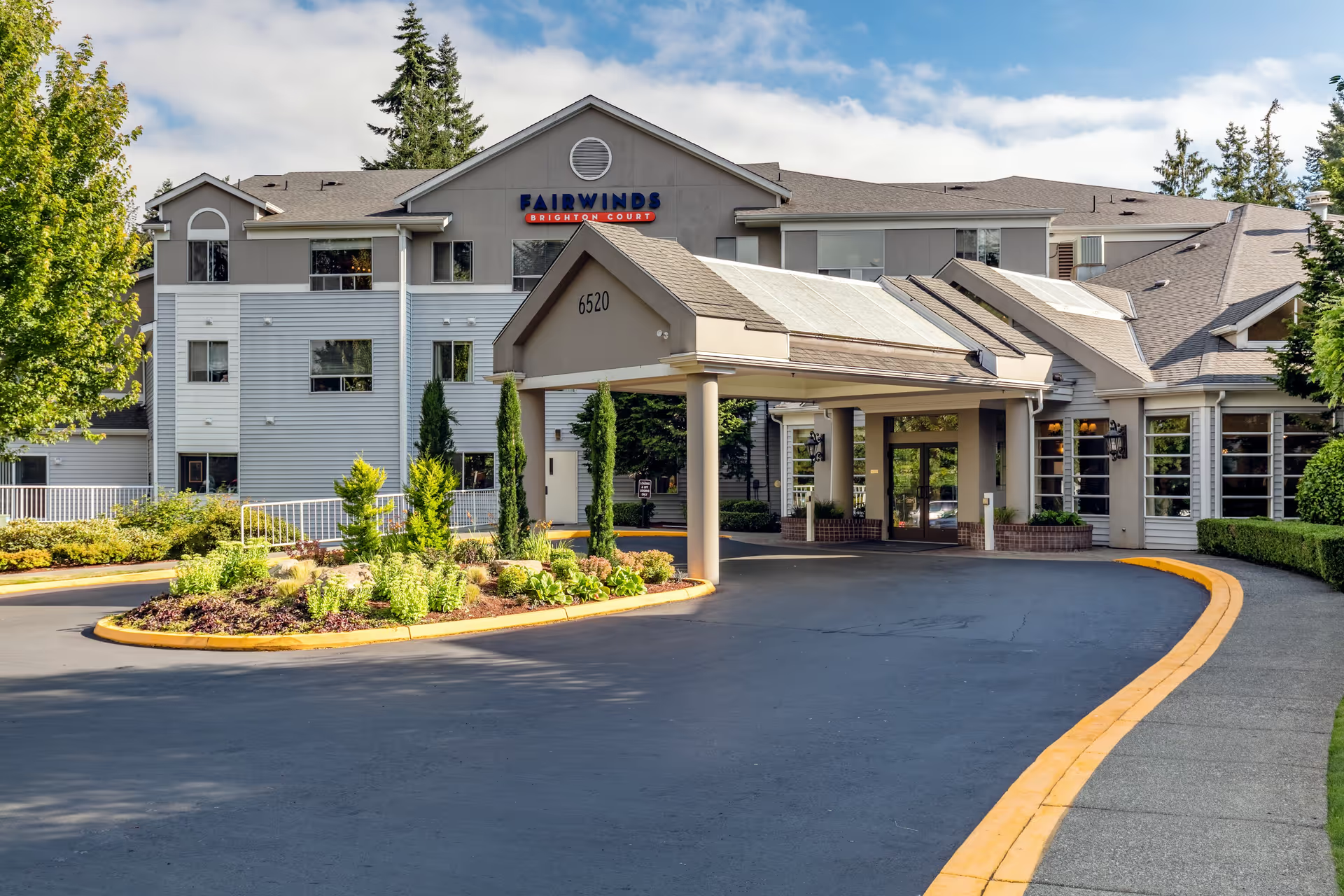
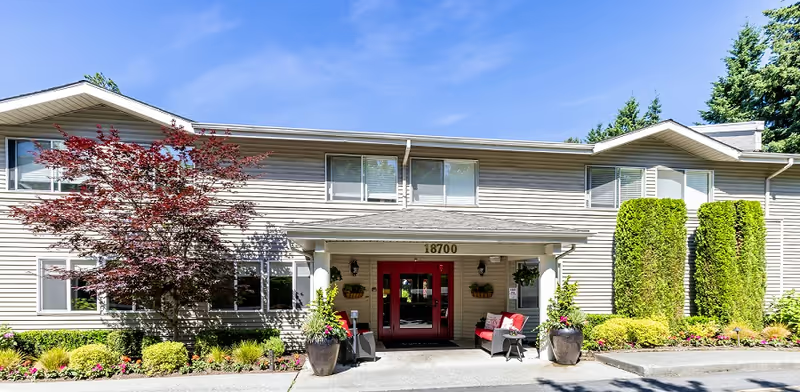
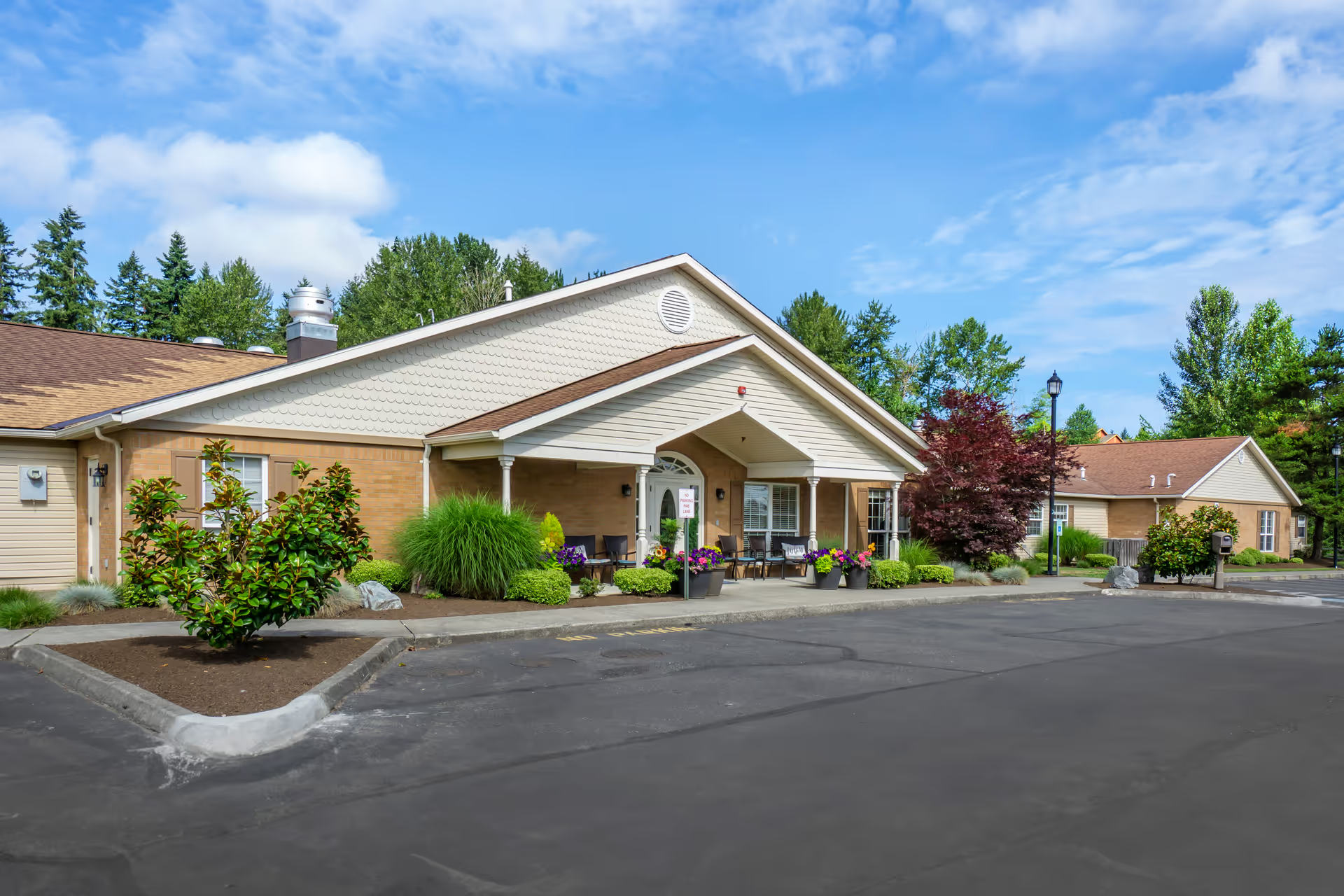
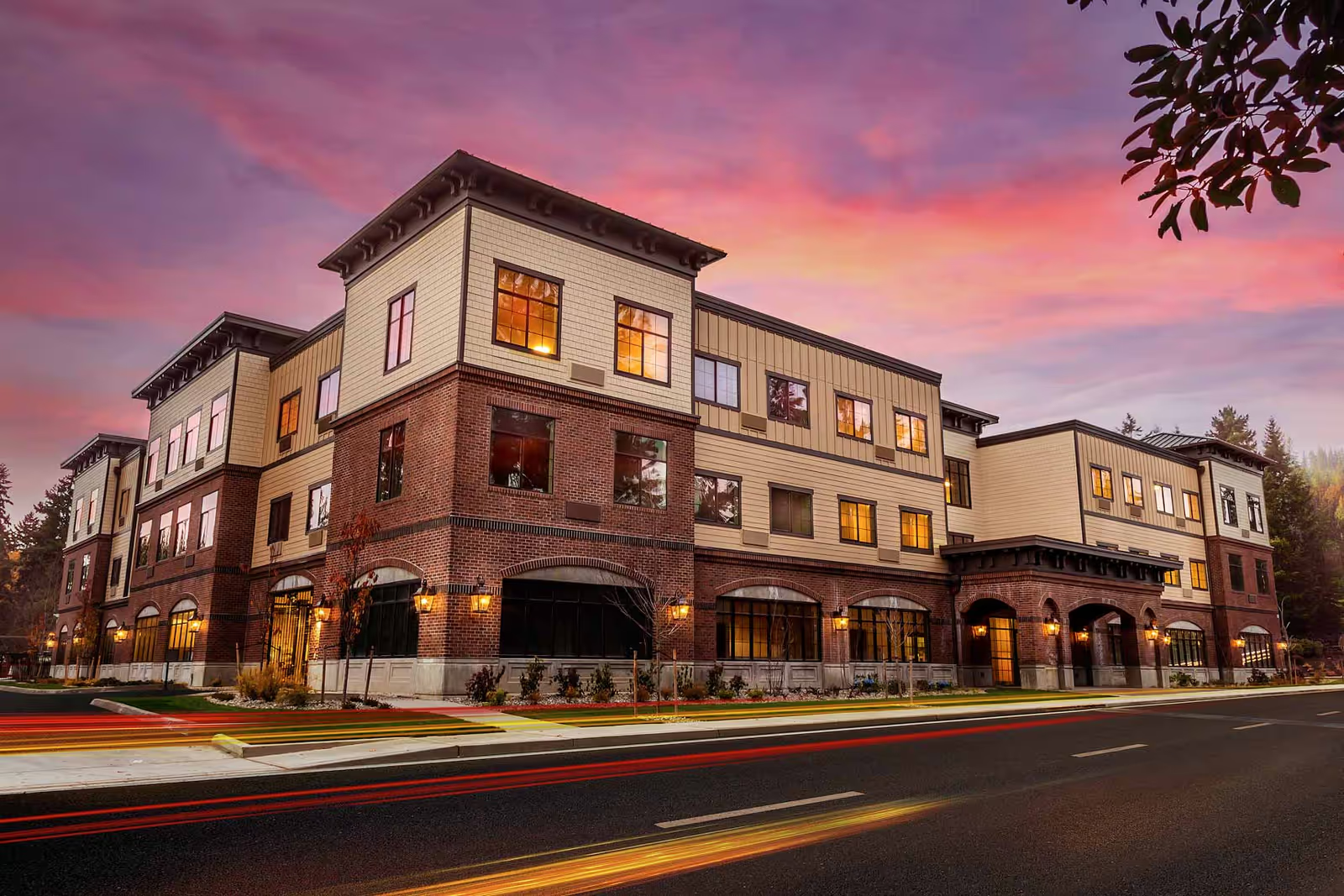
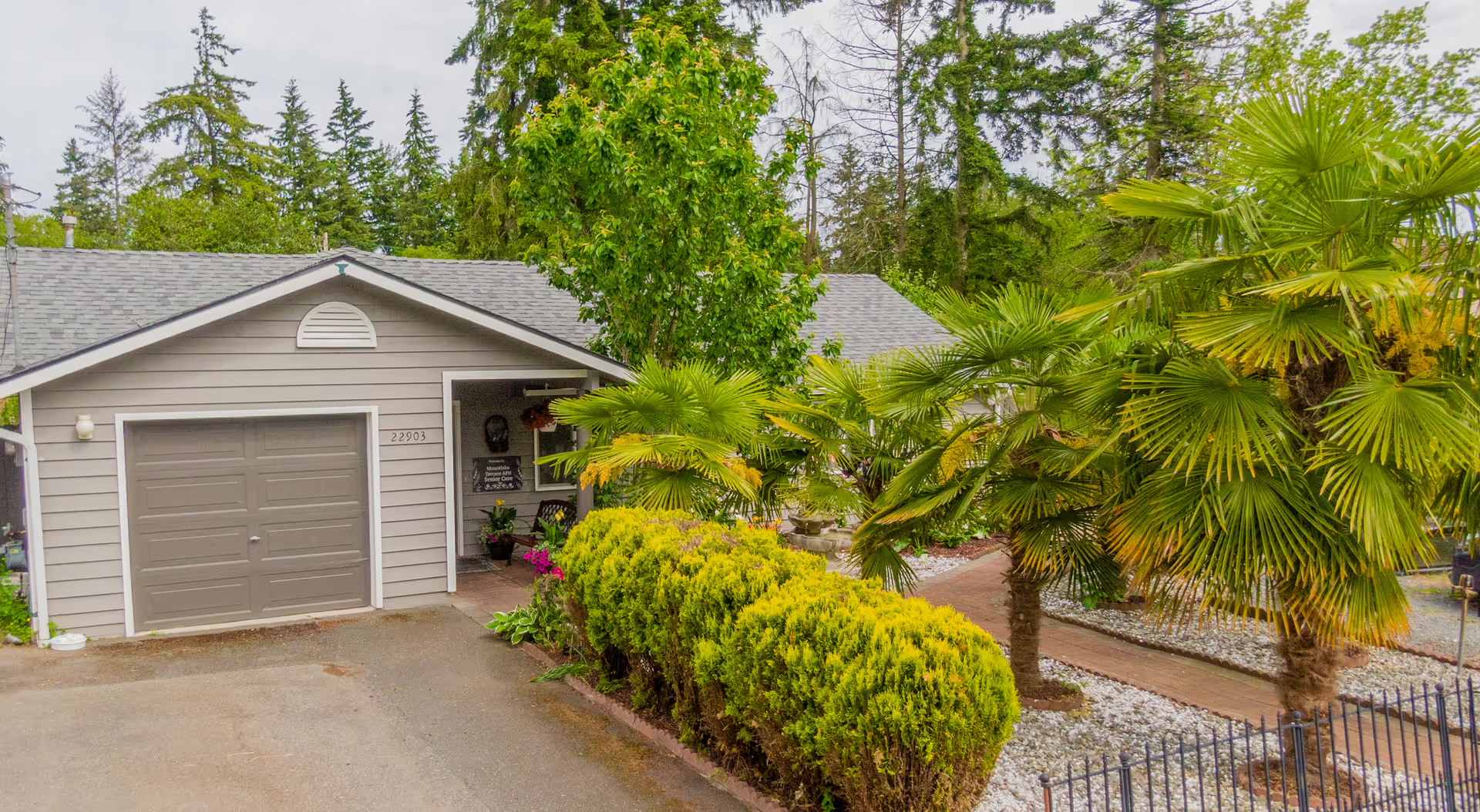
The Cottages of Lynnwood is consistently described as a small, cottage-model community that many families find comforting and home-like. Its strengths center on the physical model—separate small cottages with shared living and dining areas, private rooms with bay windows in some units, garden spaces and walking paths, and several recently renovated interiors. The layout and scale support a family-like atmosphere and more individualized attention for residents, and the community highlights memory-care cottages designed for small groups with a substantial nursing presence and the ability to provide heavier levels of care when needed.
Care quality and staffing present a mixed picture. Numerous accounts praise long-tenured, compassionate caregivers and attentive nurses; families describe responsive bedside care, one-on-one attention in cottage pods, and staff who build relationships with residents. At the same time, there are recurring operational patterns that affect reliability: inconsistent staffing levels, caregiver turnover, and gaps in training. Those operational weaknesses are linked in several accounts to inconsistent personal-care schedules (including bathing frequency), delays in responding to resident needs, and variability in how well staff understand residents’ individualized care plans.
Dining and activities are another area of divergence. Many reviewers commend the home-style meals, convivial dining routines, and specific favorites on the menu; others describe bland or cold meals, limited entrée choices, and instances where dining service failed to meet expectations. Activities programming includes music, art, bus outings, gardening and volunteer opportunities, and these offerings are often cited as a strong point—however, staffing changes and vacancies (for example, activity-director turnover) have sometimes reduced the consistency and frequency of organized programming.
Facility condition and amenities are similarly mixed. The campus and grounds receive frequent praise for their gardens and outdoor spaces, and renovated cottages and modernized common areas are repeatedly noted as attractive. Conversely, several cottages and apartments remain dated, with small rooms, limited closet space, and a shared-shower model that some families consider inadequate. Work-order and maintenance responsiveness is a common operational complaint; prospective residents should verify the current renovation status and timelines for completed upgrades.
Management, communication, and business practices are a notable area of concern for reviewers. Positive experiences include accessible and helpful executive staff, rapid admissions when needed, and effective coordination in some cases. However, a significant number of accounts describe breakdowns in communication between caregiving staff and corporate/head-office, billing discrepancies or unexpected charges, delayed refunds, and in a few cases serious allegations such as missing belongings and coordination failures with external pharmacy/VA services. There are also mentions of licensing or regulatory issues in some reports. These operational and administrative inconsistencies create variability in family experiences: some families feel well supported, while others encountered disputes or unresolved complaints.
Patterns and practical implications: the community’s small-cottage model and many long-standing caregivers are real strengths for residents who need a home-like, social environment and consistent nursing availability. At the same time, variability in staffing, training, dining, hygiene routines, maintenance responsiveness, and administrative transparency is a recurring theme that can materially affect day-to-day experience. Prospective residents and families should tour the specific cottage they would occupy, ask about current staffing ratios and turnover, verify bathing and toileting schedules, request recent menus and meal-temperature/process samples, review medication-administration and pharmacy coordination procedures, ask about maintenance response times and pending renovations, and obtain a clear written explanation of fees and refund policies. Given the polarized set of experiences, careful due diligence focused on the operational items above will give the clearest sense of whether this community will meet an individual resident’s needs.