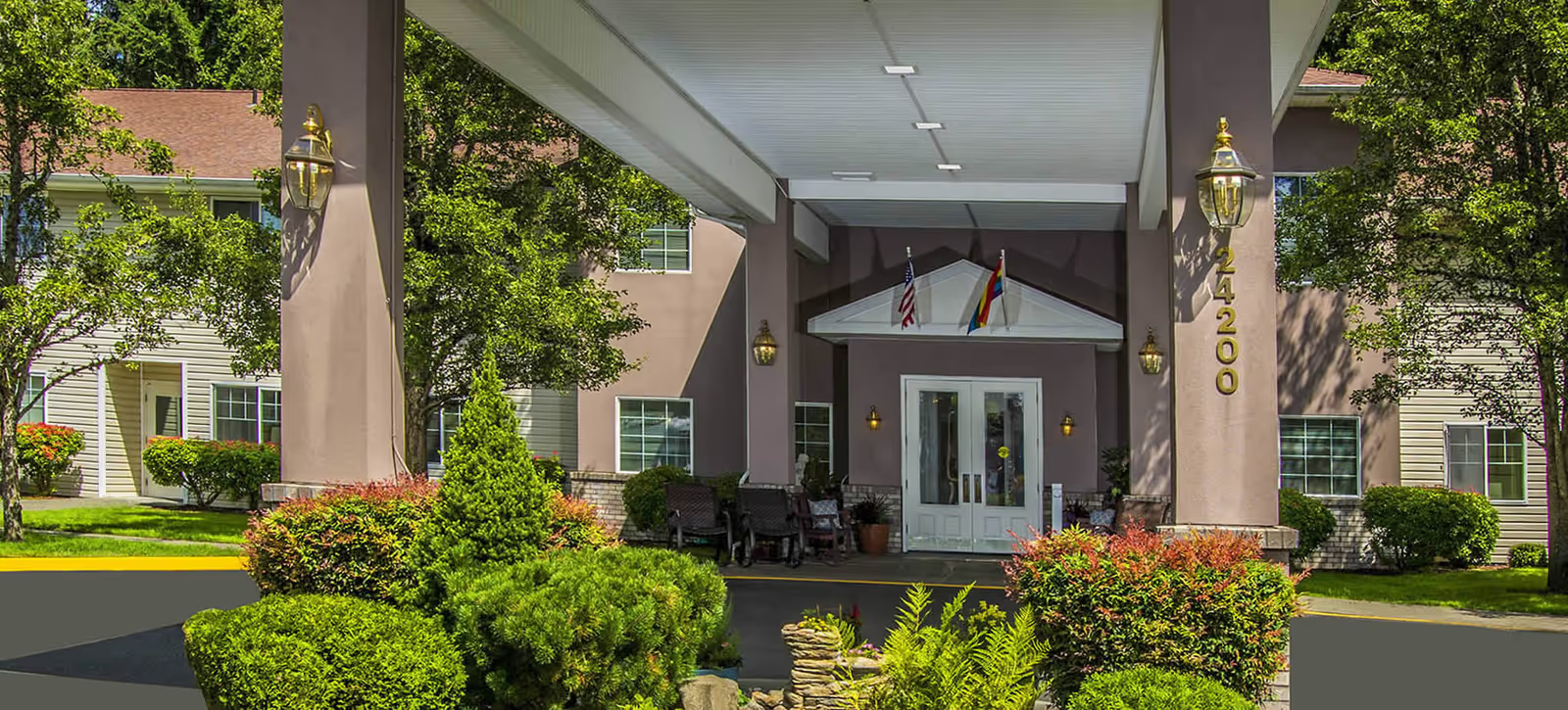
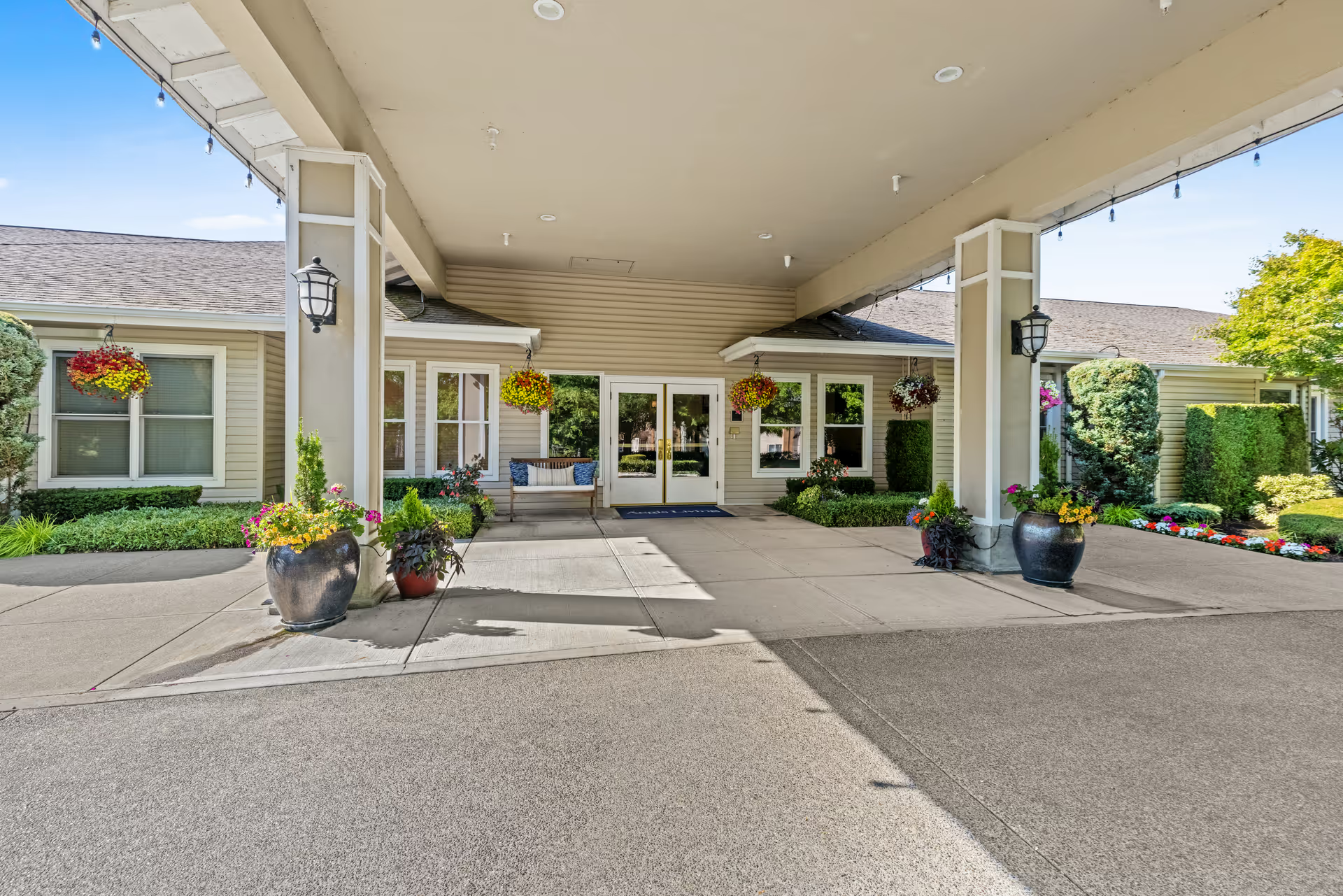
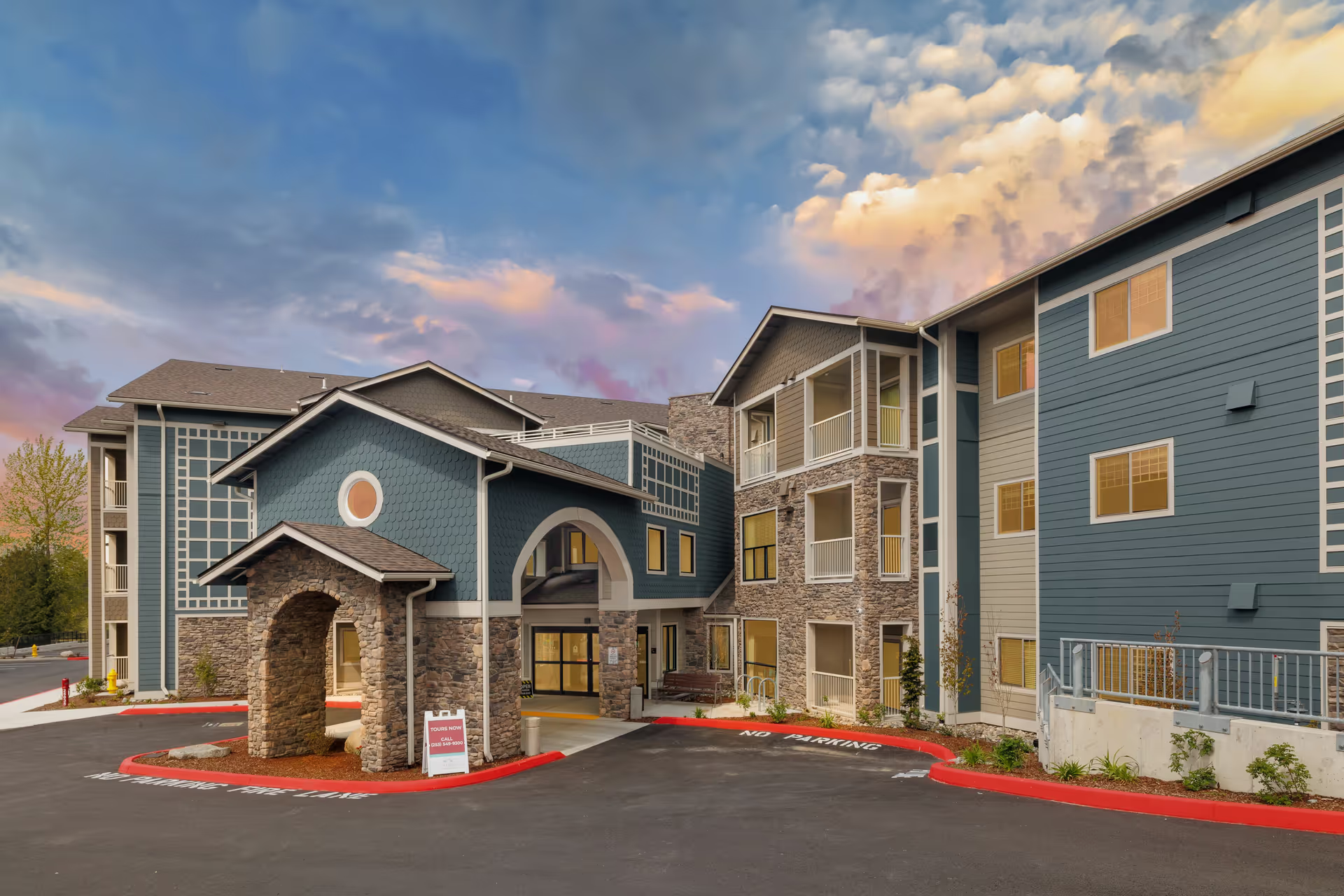
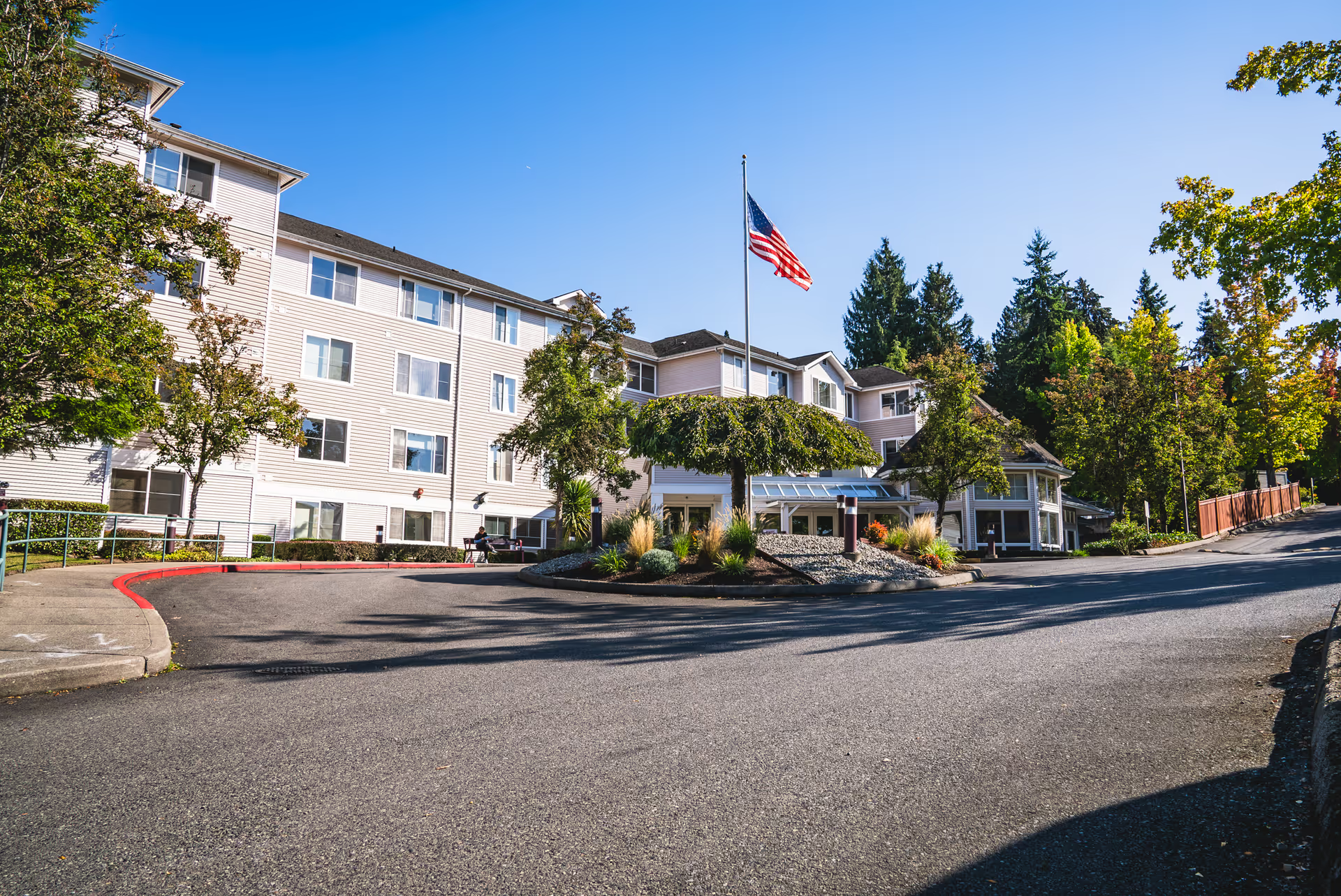
Bonaventure of Maple Valley is consistently described as a new, attractive, resort-style community with sizable apartments and a broad set of amenities. Reviewers highlight well-appointed unit finishes (full kitchens, stainless appliances, in-unit laundry in many units), extensive communal features (golf simulator, movie theater, fitness center, library, gardening areas) and a robust activities calendar that includes outings, special events, and on-site programs. The facility’s scale and aesthetics are clear strengths for residents seeking an active, socially oriented community.
Operationally, however, the reviews present a mixed picture. A recurring theme is high staff turnover and staffing shortages that affect multiple operational areas — dining, housekeeping, personal services, and clinical coverage. These staffing inconsistencies correlate with variable care experiences: some families describe warm, accommodating caregivers and well-run activities, while others describe slow responses to clinical needs, inconsistent medication-administration practices, and limited memory-care programming. There are also accounts of the regional medical leadership being difficult to reach, which reviewers link to unresolved clinical or transfer questions.
Dining and housekeeping emerge as particular pain points. Multiple accounts describe long meal wait times, uneven food quality, and meal-service lapses (e.g., salad bars not refreshed, cold meals in memory care). Housekeeping and sanitation practices are described as inconsistent, with housekeeping schedules and standards that appear to vary. These operational gaps have a direct impact on daily life for residents and are tied to chef turnover and understaffed service teams in some reports.
Accessibility and wayfinding are additional practical concerns. The facility’s large footprint and complex layout are noted to be confusing for residents and visitors; reviewers also flagged limited wheelchair-accessible units and missing ramps in areas such as the theater. Some advertised services and spaces (for example, a salon) have at times been unavailable because of staffing or hiring delays, reducing the realized value of onsite amenities for certain residents.
Management and administrative issues are frequently mentioned. Families describe corporate-style decision-making, price increases, paid parking without assigned spaces, billing or accounts-receivable problems (including late fees), and occasional package-handling or security concerns. There are also references to an internal policy that has blocked transfers from other company facilities; combined with reports of limited responsiveness from regional leadership, these items contribute to perceptions of weak corporate communication and problem resolution. One review mentioned an alleged privacy/HIPAA concern; this type of claim heightens the need for direct verification during a tour and conversation with leadership.
Taken together, the pattern of comments suggests a facility with strong physical assets and an active program of amenities, but with recurring operational and management challenges that can significantly affect resident experience. Prospective residents and families should weigh the community’s appealing layout and activity offerings against documented inconsistencies in staffing, dining, housekeeping, accessibility, and corporate responsiveness. When considering this community, ask targeted questions about current staffing levels and turnover, meal-service processes for assisted- and memory-care neighborhoods, housekeeping schedules, accessibility accommodations, availability of advertised services (salon, transportation), billing practices, and the process for clinical escalation and internal transfers. A focused tour and direct conversations with on-site leadership and the regional clinical director can help clarify whether the current operational environment aligns with a family’s expectations and care needs.