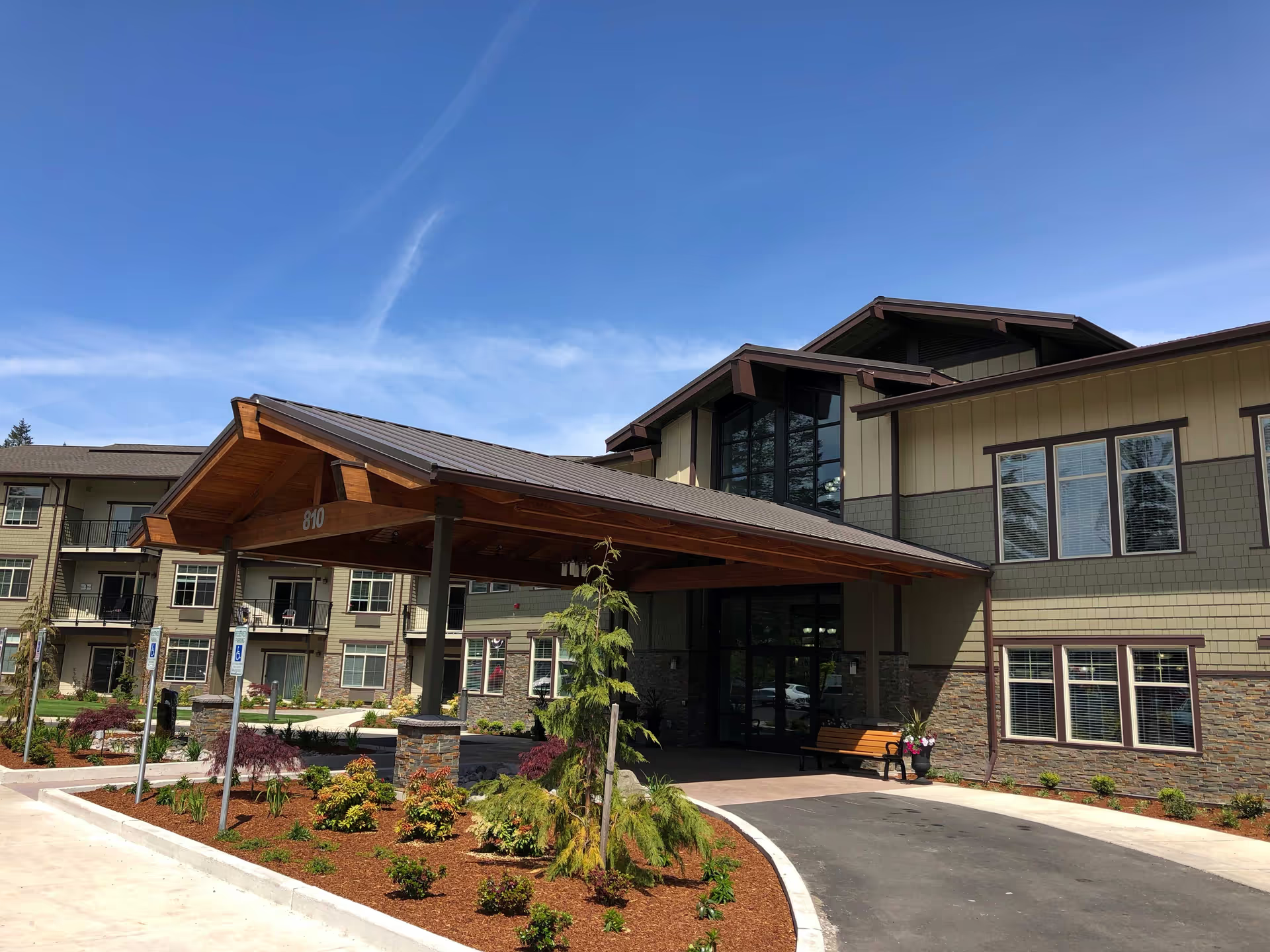
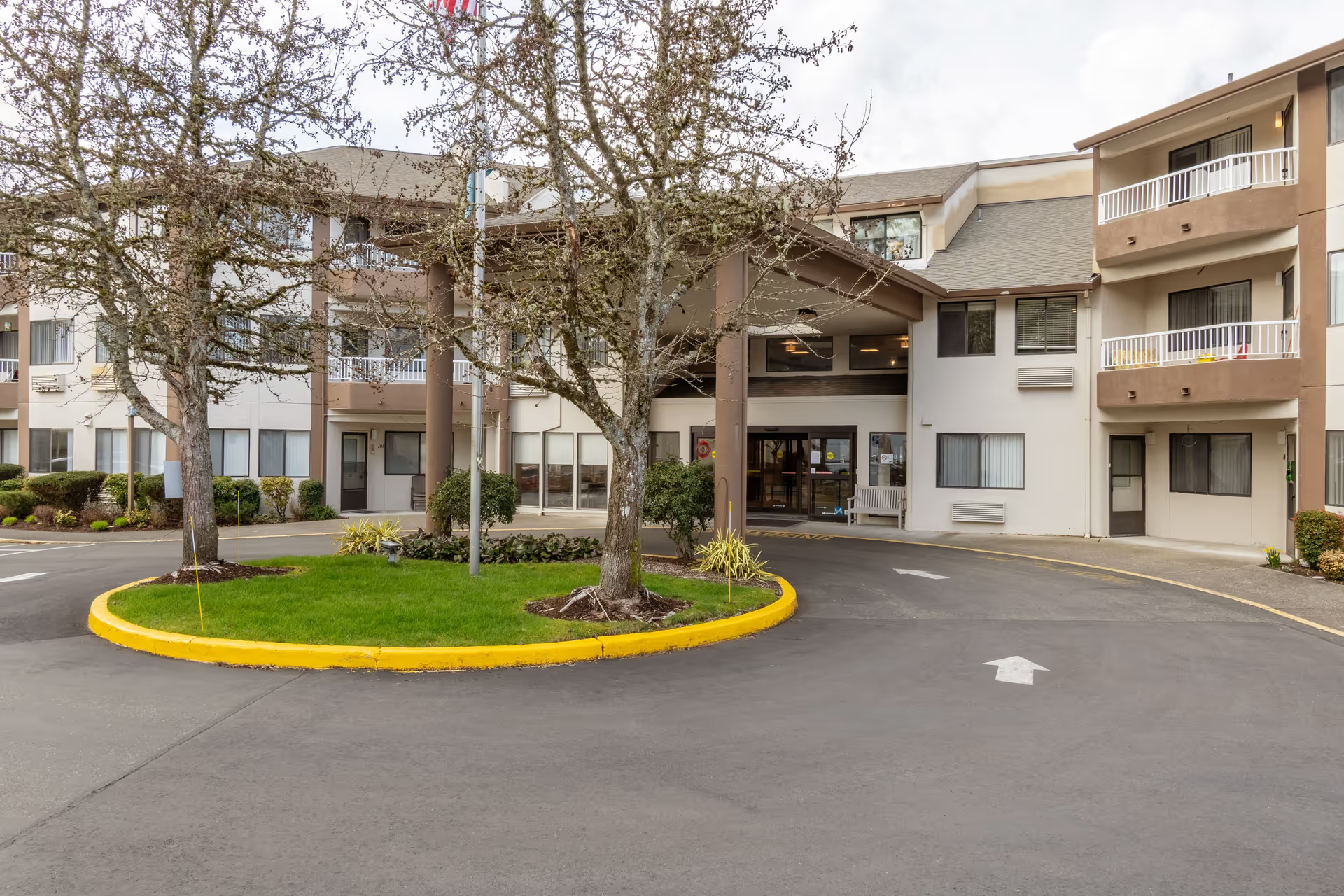
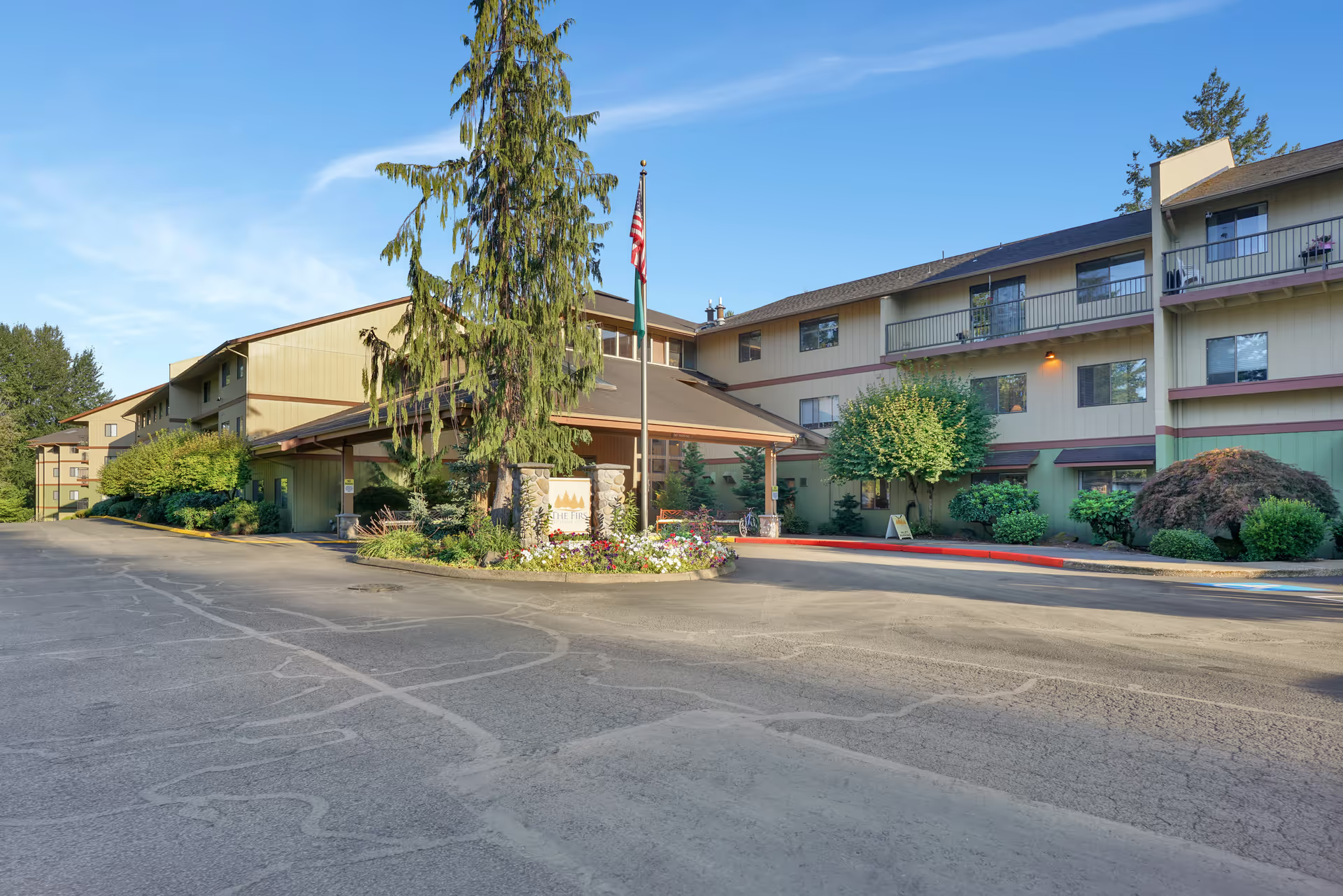
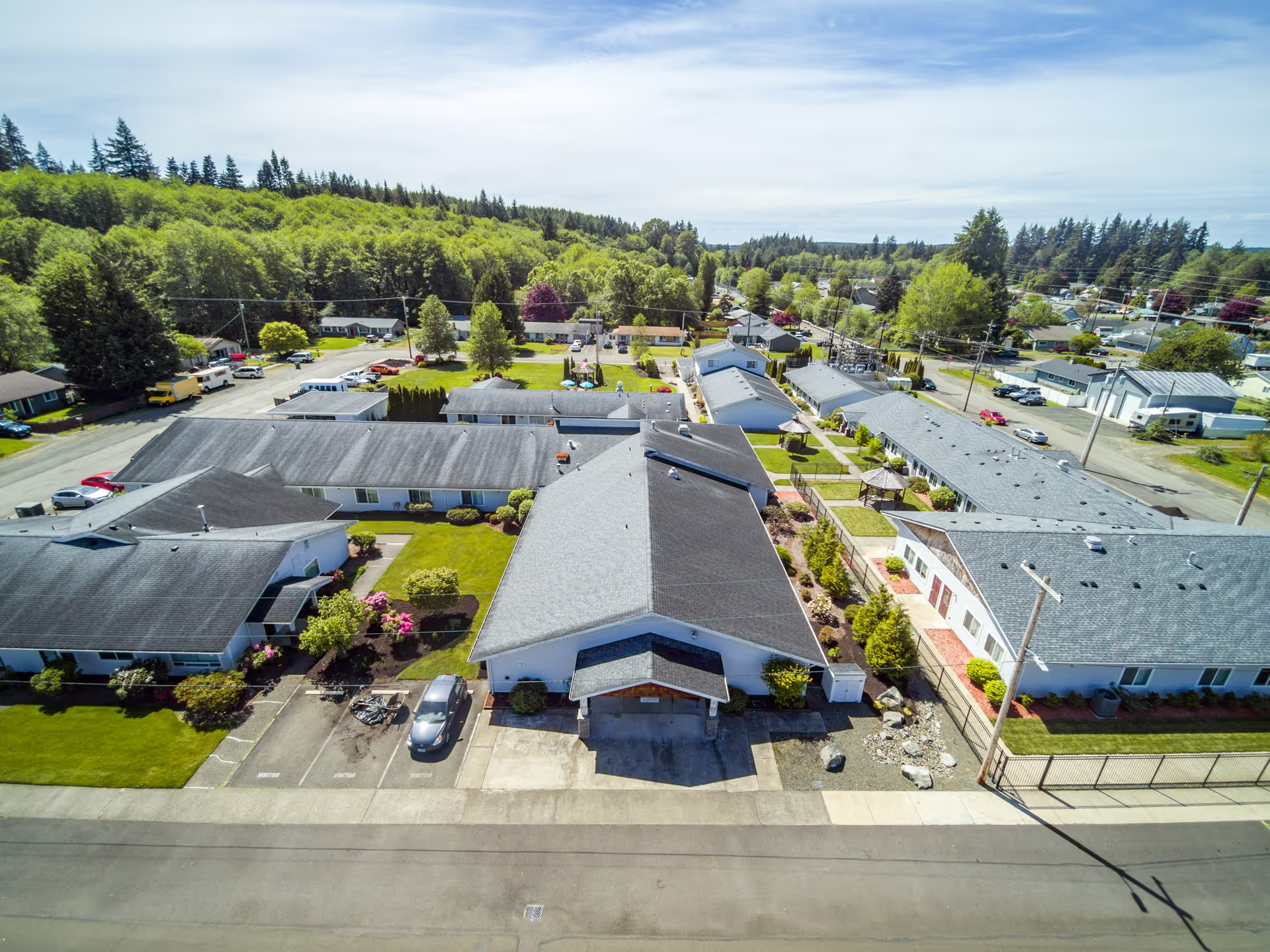
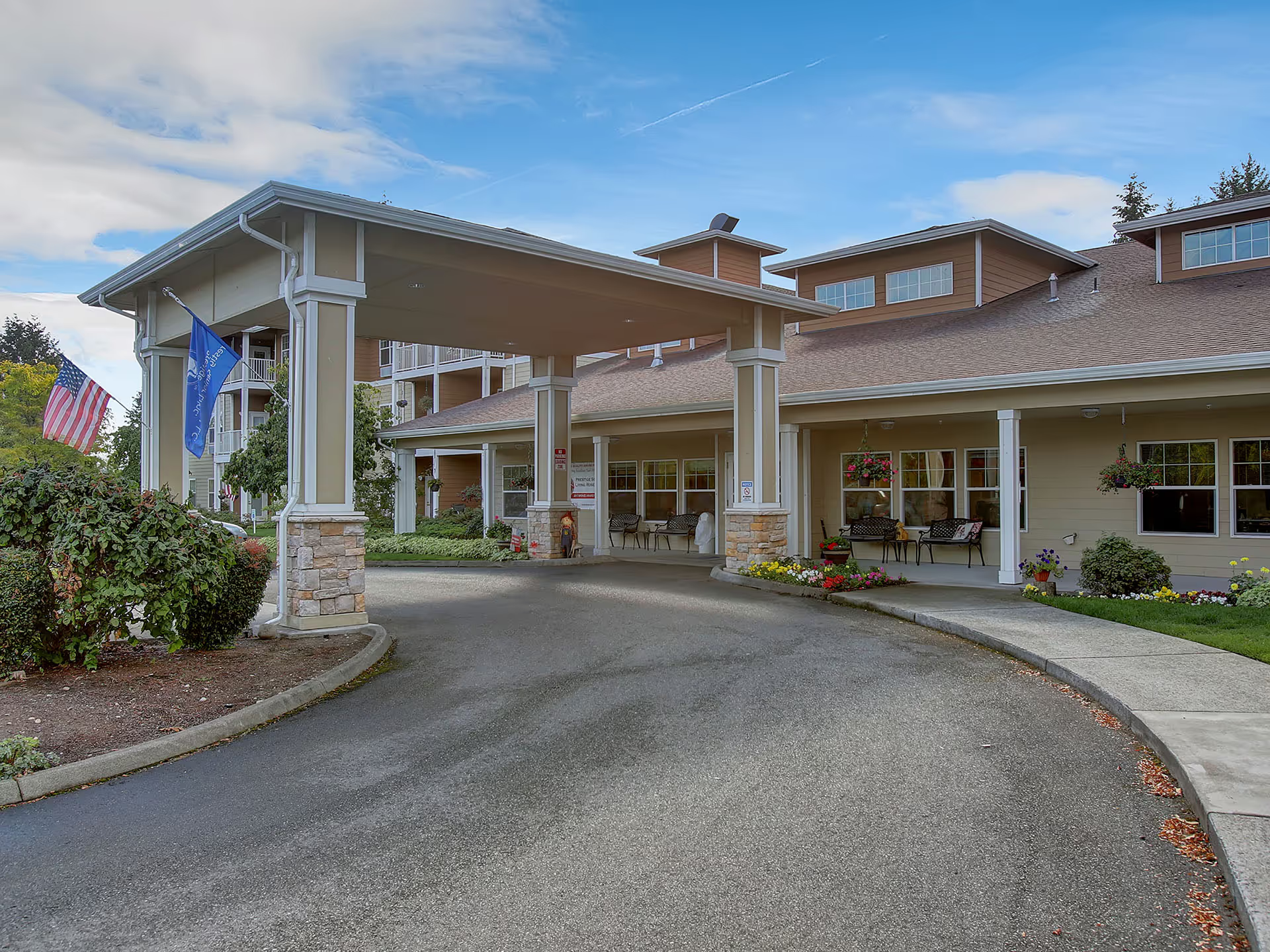
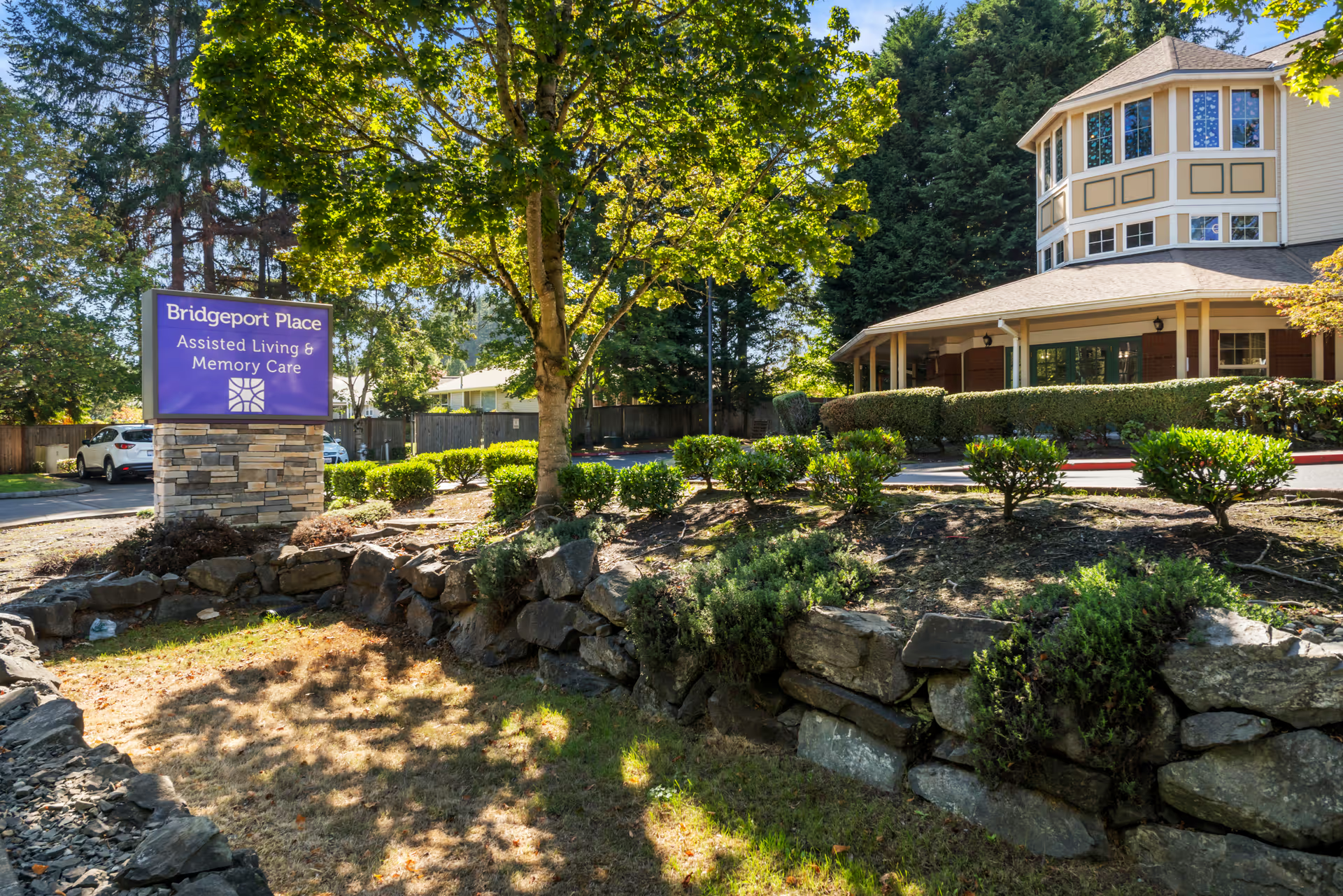
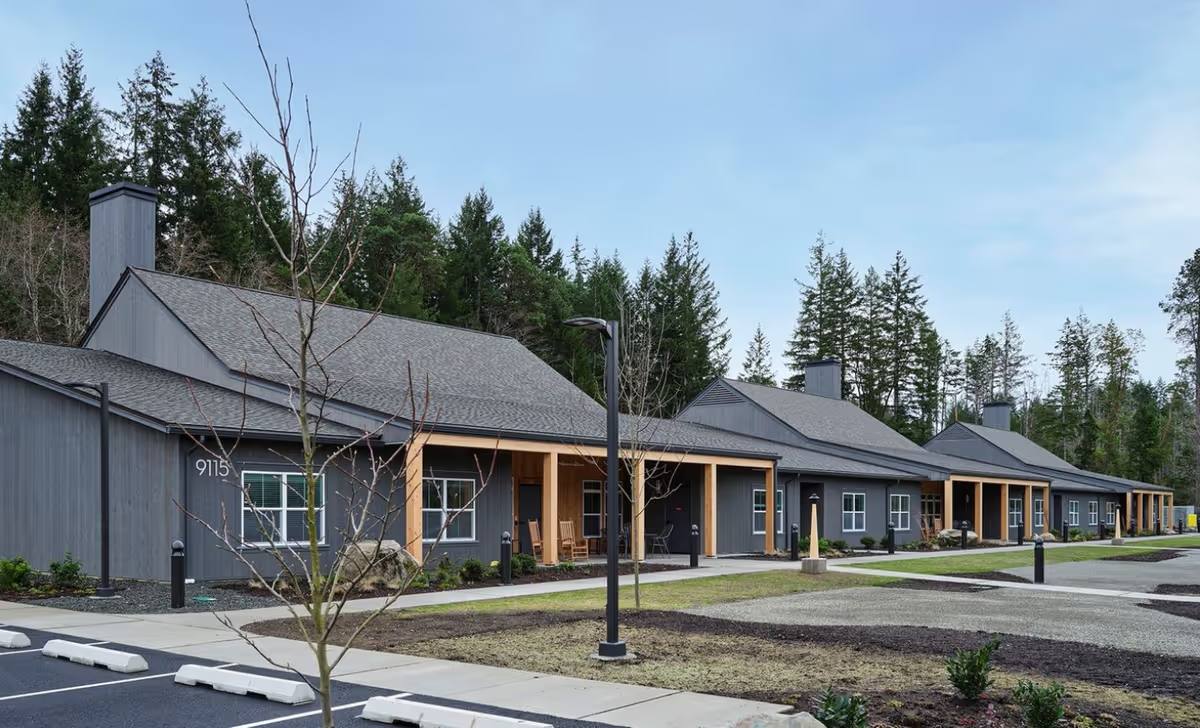
Puget Sound Care elicits strongly polarized impressions. Many reviewers praised the facility’s rehabilitation services, noting effective physical and occupational therapy programs and an attentive therapy team that often expedited recovery. Multiple accounts describe compassionate and skilled nursing staff, a clean and well-maintained building with pleasant outdoor spaces, an active activities calendar, and helpful administrative personnel including front-desk staff and financial coordinators. These positive reports emphasize frequent provider engagement, supportive discharge coordination in some cases, and a welcoming environment that can feel like home for residents.
Contrasting these positives, a recurrent set of operational concerns appears across reviews. Staffing levels and workload are a consistent theme: reviewers describe delayed responses to call bells, long wait times for toileting and bathing assistance, and missed or inconsistent personal-care tasks. Related to staffing are gaps in meal service and dietary management — reviewers reported inconsistent meal availability, food quality variability, and instances where dietary or allergy needs were not reliably managed. Several comments also raise sanitation and odor concerns in specific areas, inconsistent housekeeping, and occasional pest-control concerns.
Clinical coordination and transition-of-care processes show variability. There are multiple references to delayed medical follow-up (labs, equipment, or specialist orders), slow replacement of mobility equipment, and discharge planning errors that created confusion or led to rapid readmission in a few cases. Some reviews described unacceptable communication tone and unprofessional conduct by certain staff members, and others noted privacy or front-desk process inconsistencies (for example, an unexpected sign-in/photo requirement or unattended reception periods). A small number of serious individual claims — including allegations about financial motives and concerns following resident deaths or critical incidents — were also raised; these items warrant direct verification with the facility and, if needed, regulatory follow-up.
Taken together, the pattern suggests that Puget Sound Care delivers high-quality rehabilitation and has many staff and operational strengths, but experiences uneven performance tied largely to staffing, consistency of routine care, and care-transition practices. Prospective residents and families should consider an in-person tour, ask for current staffing ratios and average call-bell response times, review meal-accommodation practices, inquire about infection-control and pest-control protocols, and request specifics about discharge planning and equipment availability. Verifying how the facility documents and resolves clinical incidents, and asking for recent inspection or quality-data summaries, can help families weigh the well-documented clinical strengths against recurring operational concerns.