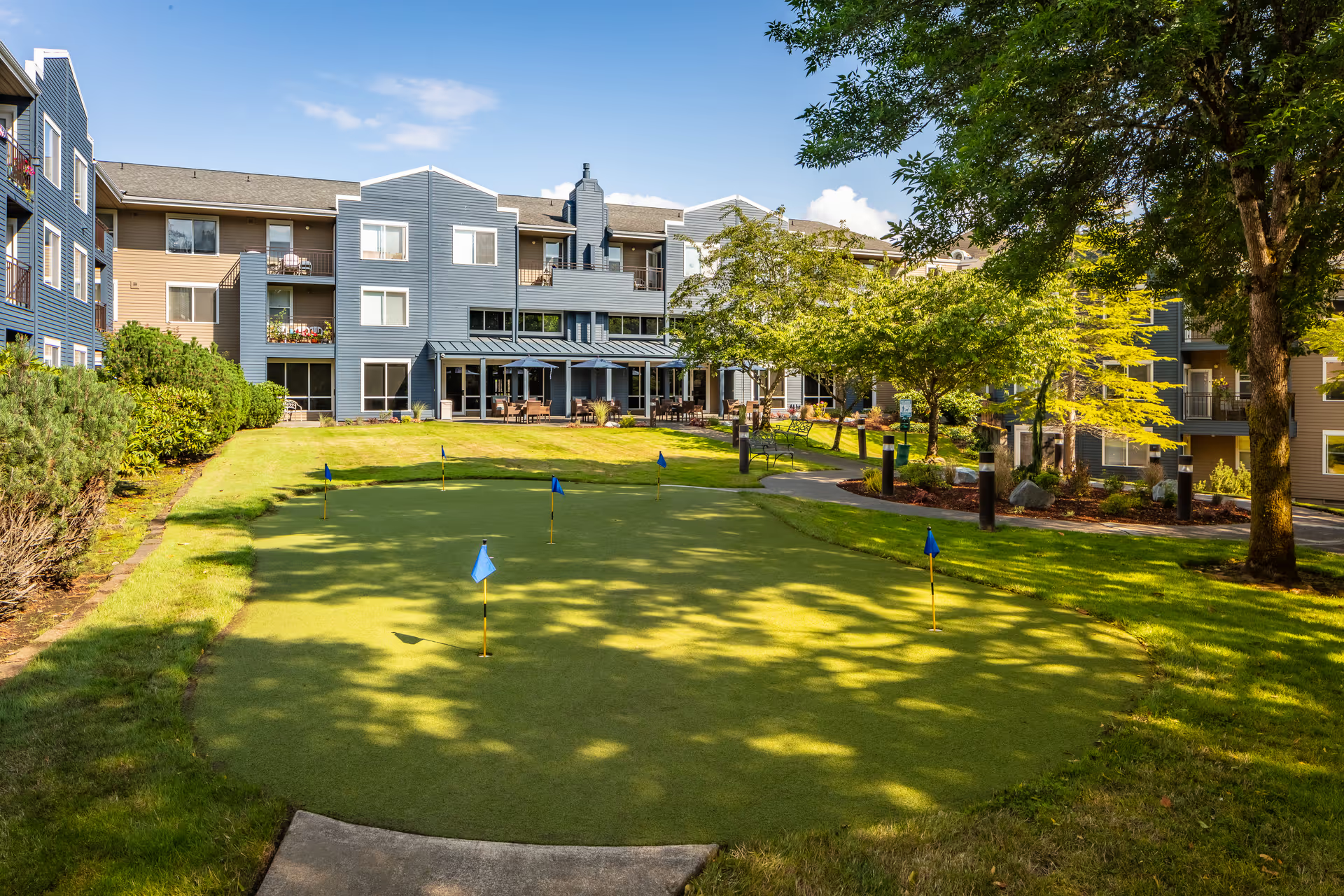
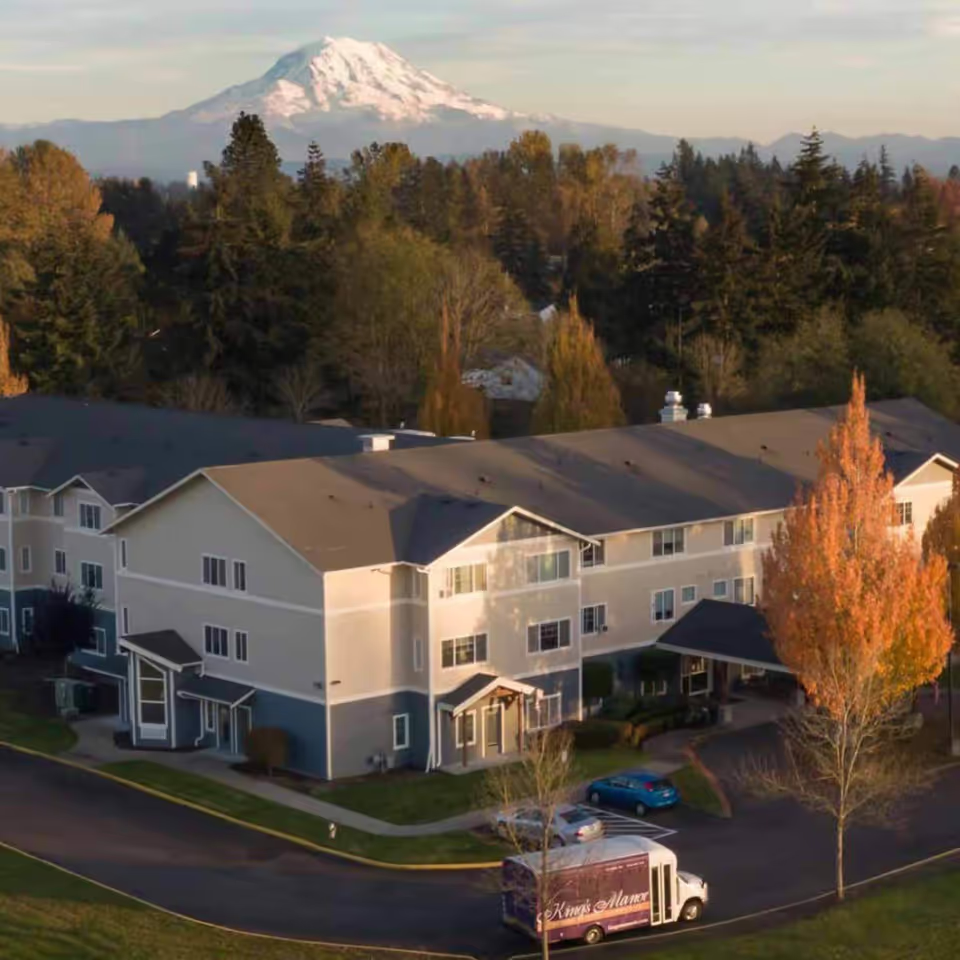
Bridgeport Place presents as a well-equipped assisted living community with numerous strengths centered on resident quality of life. Families and visitors consistently describe clean, roomy private apartments and a variety of attractive common spaces — large dining areas, a library with recreational amenities, media and game rooms, salon services, and secure outdoor areas such as a garden and gazebo. The property offers apartment-like units with kitchenettes, therapy and exercise rooms, and features that support mobility and independence for residents who use walkers or wheelchairs.
The staff and care environment are frequent highlights. Reviewers praise attentive nursing and clinical personnel, welcoming front-desk and tour staff, and named front-line employees who eased transitions. Leadership and on-site management receive positive mention for responsiveness and open communication in many accounts. The community runs an active program of social, cognitive, and recreational activities — music, games, craft programs, holiday events, outings, and weekly programming — that families report as engaging and varied. Transportation to medical appointments and accompaniment services are available for residents who need them.
Dining and personal services are generally regarded as strengths, with an appealing menu, a pleasant dining room environment, and available salon services. At the same time, there are mixed impressions about meal execution: some families note small portions, limited choices, or inconsistency in preparation. The facility provides three meals daily and offers an accessible, social dining experience for many residents, but flexibility around specialized meal modifications and re-admission after hospitalization has been identified as an operational limitation.
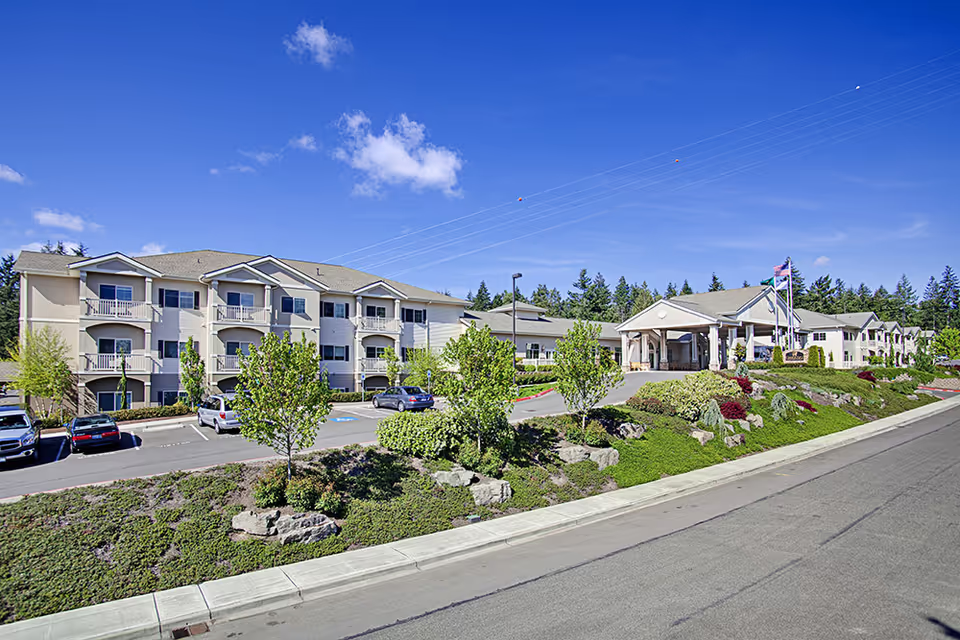
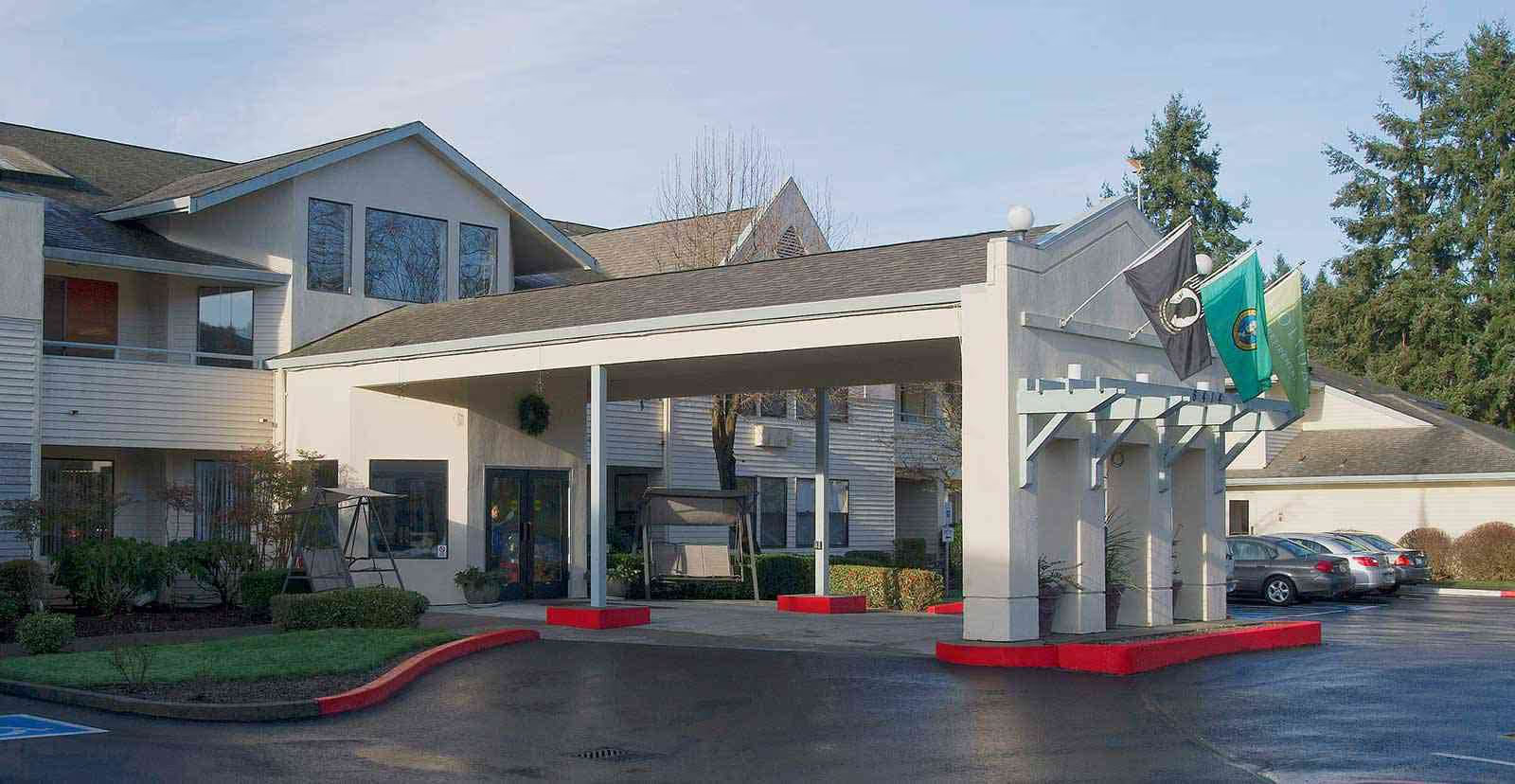
Several operational patterns recur across reviews and should be considered by prospective residents and families. Staffing consistency and experience appear variable; reviewers describe turnover and occasional inexperience that can affect day-to-day continuity of care. Nighttime supervision and clinical coverage are specifically called out as a gap in some accounts. Billing and fee practices are another common concern: minimum charge periods, one-time community fees, post-move or post-departure charges, and delays in refunds have led to disputes and frustration for some families. The physical plant is generally clean and well cared for, but parts of the building show age and would benefit from cosmetic updates; parking and proximity to a busy street are practical considerations for visitors.
Memory-care capability is a mixed picture. There is praise for a light-filled, well-designed memory-care unit with programming and safety features, but also statements indicating the community may not accept or be appropriate for certain dementia diagnoses or higher-acuity memory needs. Prospective residents with complex cognitive-care requirements should confirm clinical scope and admission criteria in advance.
In summary, Bridgeport Place offers a broadly positive assisted living environment with notable assets in cleanliness, amenities, activity programming, and many compassionate staff. Prospective residents should weigh those strengths against operational considerations such as staffing consistency, nighttime coverage, dining-accommodation flexibility, and billing transparency. A focused tour and detailed conversations with management about staffing patterns, meal accommodations, memory-care suitability, and fee policies are advisable before making a placement decision.