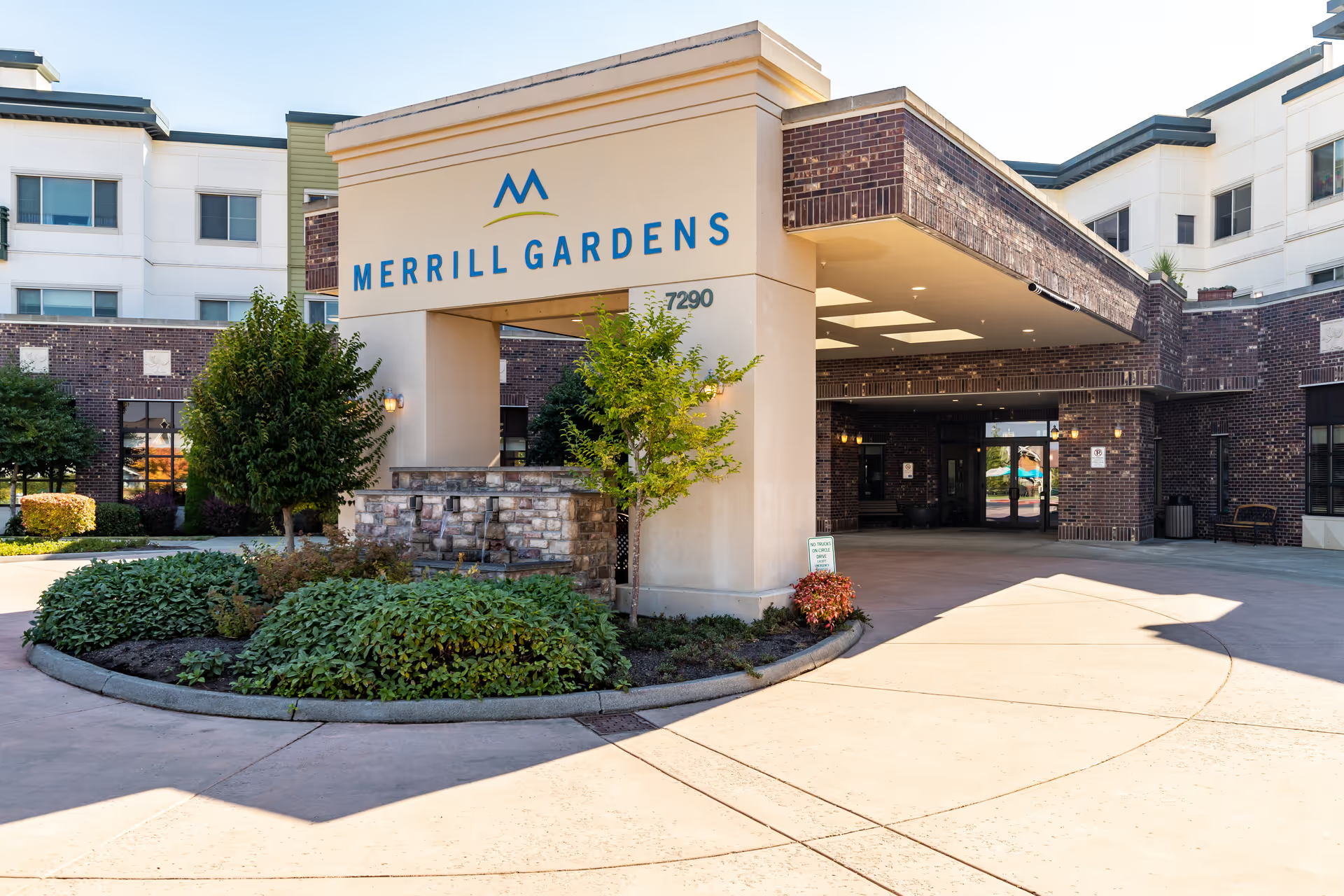
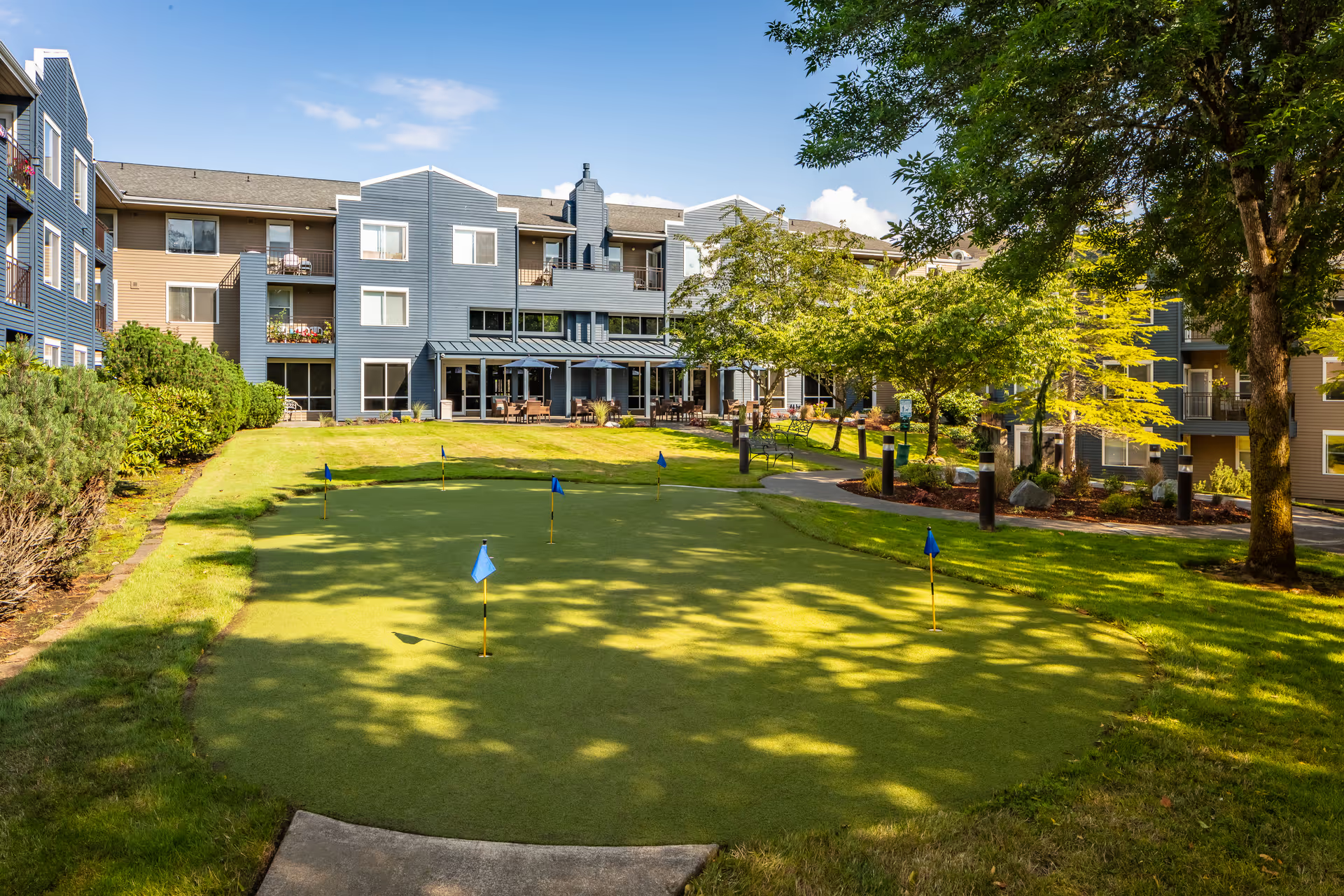
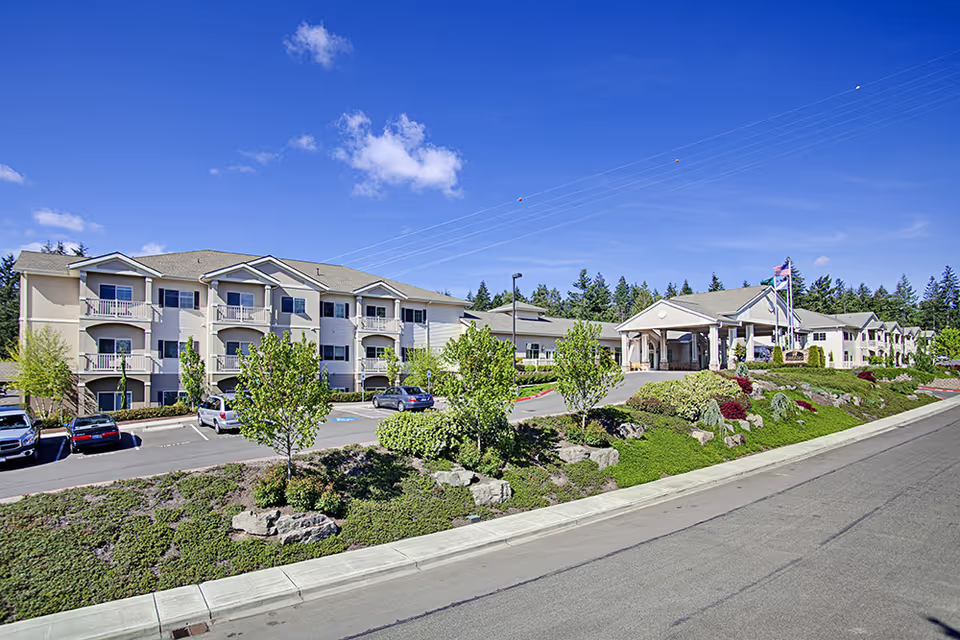
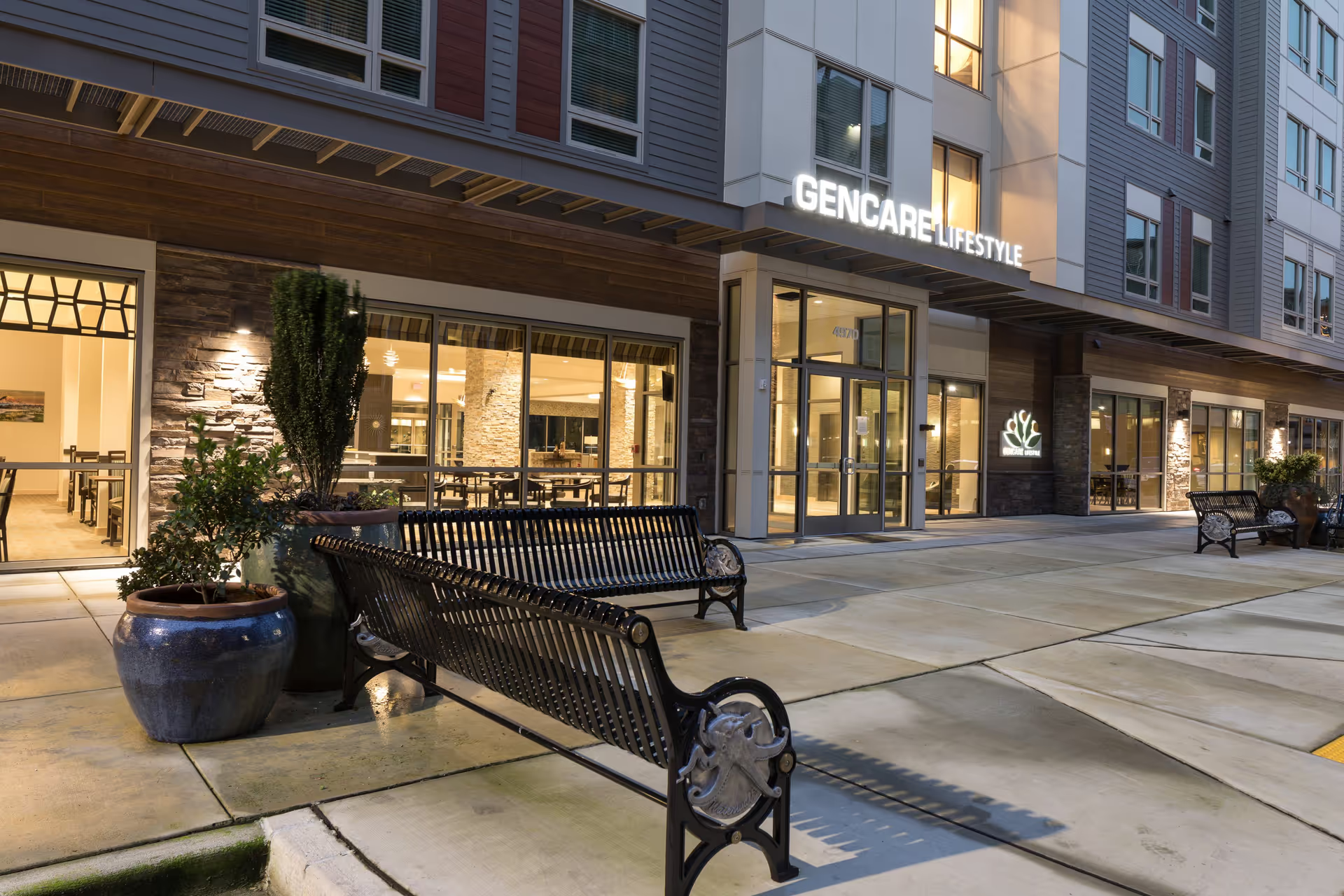
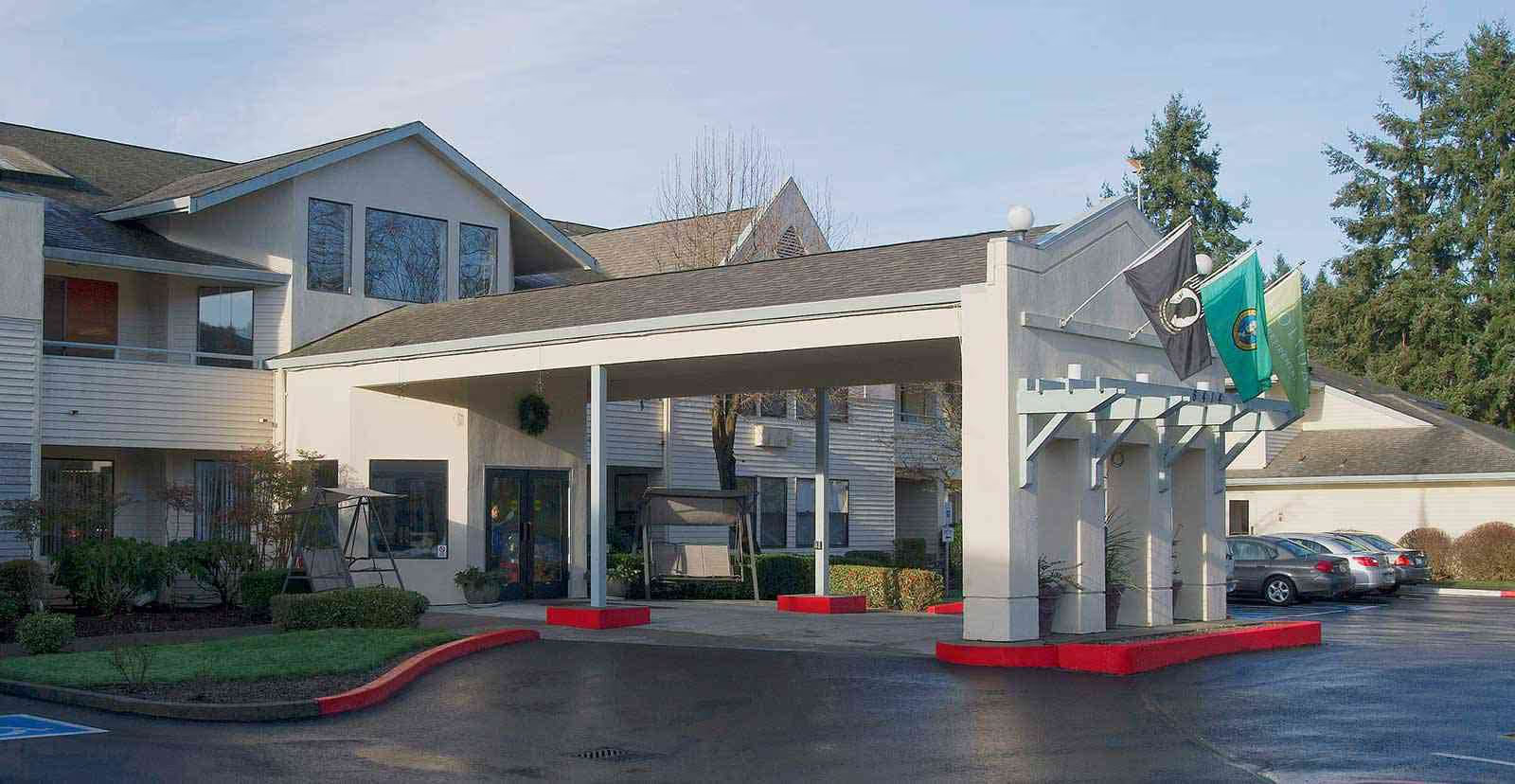
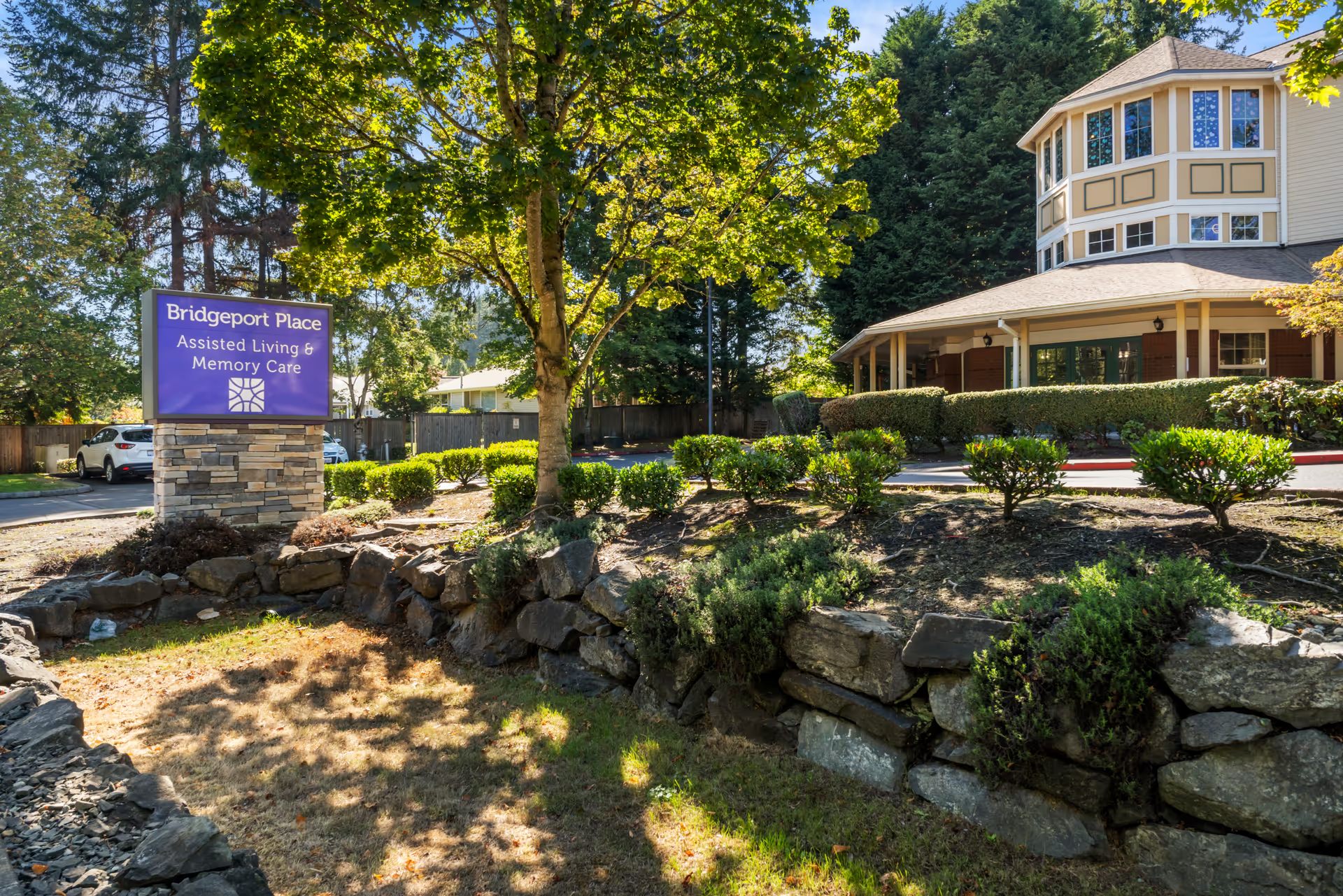
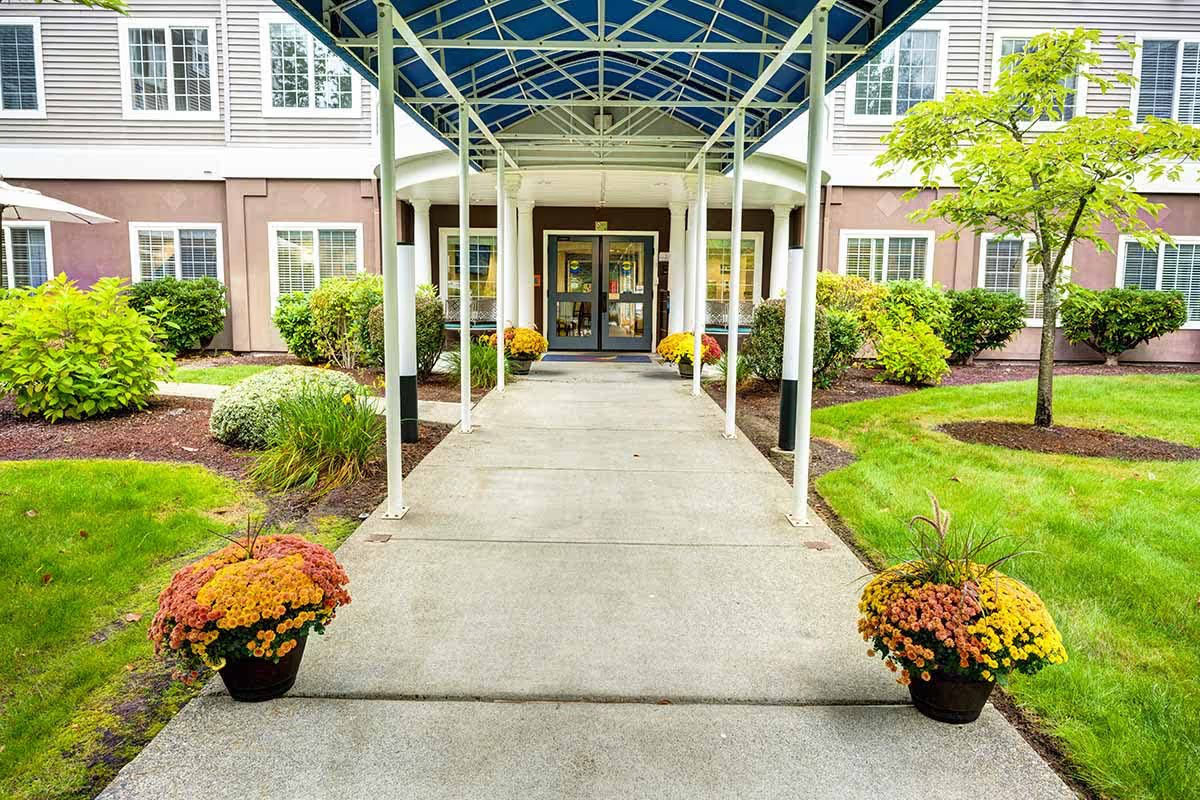
Overall impression Weatherly Inn is described across reviews as an upscale, well‑kept assisted‑living community with a strong hospitality orientation. Reviewers consistently highlight a clean, attractive facility with hotel‑like public spaces, a well‑maintained courtyard, and a range of onsite amenities (salon, gym, library, chapel). Many families perceive the community as warm and family‑oriented, with staff who make a concerted effort to personalize the resident experience.
Care and staff Caregiving staff receive frequent praise for compassion, bedside manner, and responsiveness; long staff tenure and continuity are noted as strengths that foster familiarity and resident recognition. Several accounts describe staff who are proactive about spotting medical changes and coordinating with hospice or hospitals. At the same time, there is a recurring operational concern about inconsistent staffing coverage and rotating caregivers, which can undermine continuity of care for some residents. Reviewers also raised specific clinical operational issues such as delays in medication administration and gaps in clinical communication; these indicate areas where processes and documentation may need reinforcement.
Dining and housekeeping Dining is a prominent positive: the community emphasizes chef‑driven, restaurant‑style service with large portions, themed meals, and accommodations for dietary preferences. Families frequently mention personalized meals and staff engagement in the dining room. Housekeeping and linen services, daily trash pickup, and responsive maintenance are also repeatedly affirming themes. However, a minority of comments point to sanitation or food‑handling concerns and variability in food quality, suggesting that consistency in kitchen operations and food safety oversight should be confirmed during a visit.
Activities and engagement The program mix is broad, ranging from daily exercise and chair yoga to musical entertainment, movies, scenic drives, and frequent outings to parks, restaurants, and local attractions. Activity scheduling appears robust and varied, contributing to reports of improved resident mood and engagement. Reviewers noted that activities for memory‑care residents may be less tailored in some instances, indicating variability between neighborhoods; prospective families should ask about memory‑care programming specifics and staff training for cognitive impairment.
Facilities, logistics, and management Physical plant and landscaping are frequently praised; many describe tasteful decor and thoughtfully appointed common areas. Some parts of the facility were characterized as older or having smaller apartment footprints, and there are isolated mentions of noise from adjacent streets and limited scooter‑friendly outdoor routes. Operationally, the community demonstrates strengths in pandemic safety, visitor communication, and rapid admissions or respite stays. Key management concerns that appear across reviews include affordability (higher pricing and limited Medicaid options), occasional perceptions of favoritism or inconsistent accountability among staff, and a few serious individual allegations such as theft or property‑management lapses that warrant direct inquiry.
Notable patterns and practical guidance Patterns across the reviews point to a high‑quality hospitality model with strong interpersonal care in many cases, matched by active programming and attentive facilities operations. Where caution is advised: verify staffing ratios and turnover, request documentation around medication administration and incident response protocols, ask about kitchen safety and food‑quality monitoring, and inquire about property‑security practices and how personal belongings are managed. Because pricing and payer acceptance are frequent deciding factors, confirm contract terms, community fees, and available financial options. Finally, an in‑person tour (and, if possible, a short respite stay) will help assess caregiver continuity, memory‑care programming, apartment size and noise exposure, and whether the community’s operational practices align with a prospective resident’s specific needs.