GenCare Lifestyle Tacoma at Point Ruston receives broadly positive feedback for its staff, attractive setting, and range of amenities. Families and residents often describe employees as kind, attentive, and responsive, with particularly favorable comments about move-in coordination and help navigating transitions. Several families say staff made an effort to learn residents’ preferences, involve them socially, and adapt support as needs changed. Experiences with higher-acuity care are less consistent: many reviewers praise the PEAK memory-care team, while one family described concerns about the community’s ability to meet advancing needs, including medication coordination and food safety. Another reviewer raised concerns about medication and laundry follow-through. These accounts differ from the otherwise positive descriptions and suggest families should confirm specific care capabilities and service arrangements for their loved one.
Dining feedback is mixed. Some residents and visitors describe meals as excellent or restaurant-quality, while others found the food bland or lower in quality than expected. Reviewers also differ on meal-plan details, with some describing access to three meals and others noting two meals a day. Prospective residents may want to clarify meal frequency, menu options, and how dietary preferences are accommodated. Cost is another consideration: some families felt the amenities and services justified the price, while others viewed the community as expensive; one reviewer also noted a substantial community deposit.
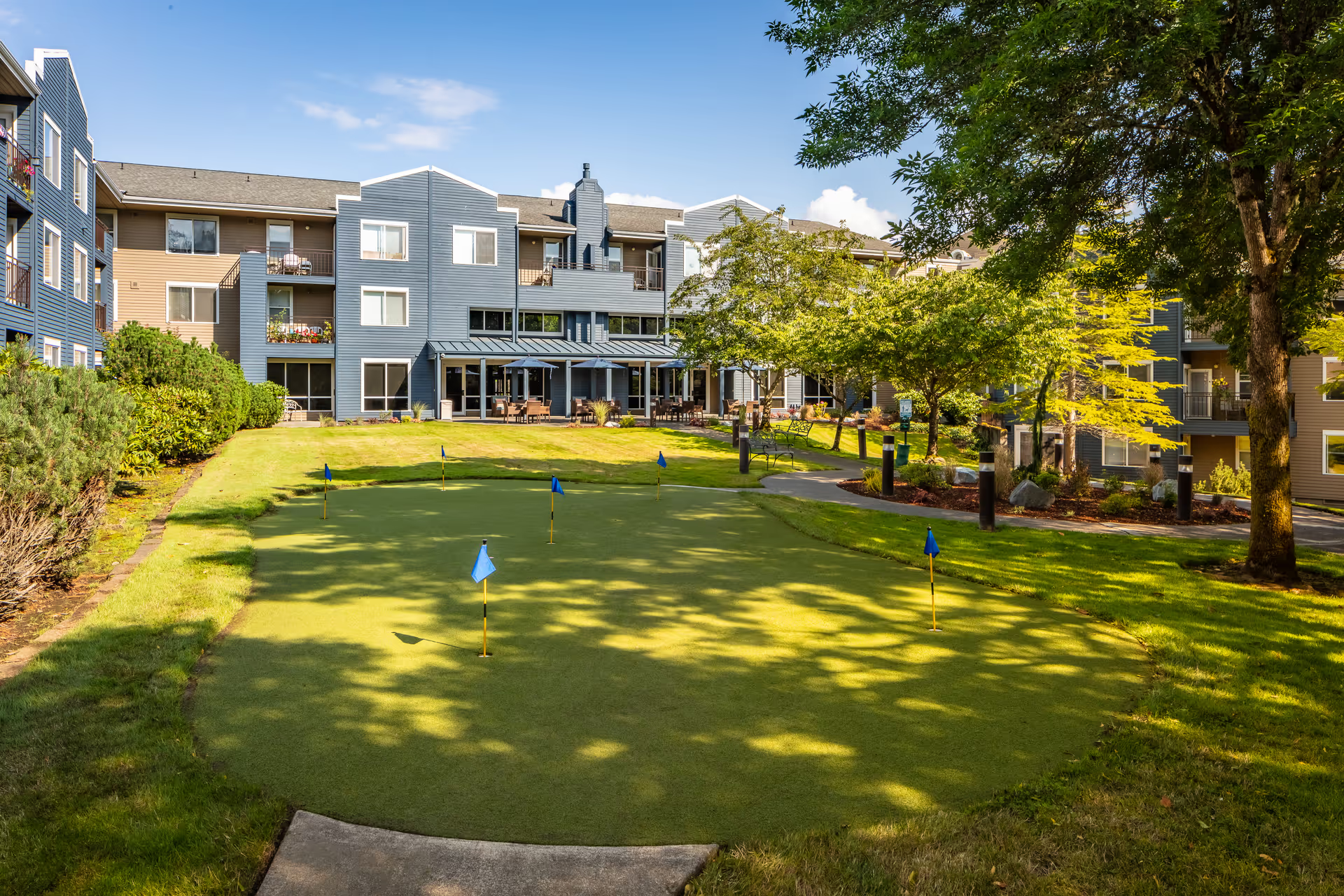
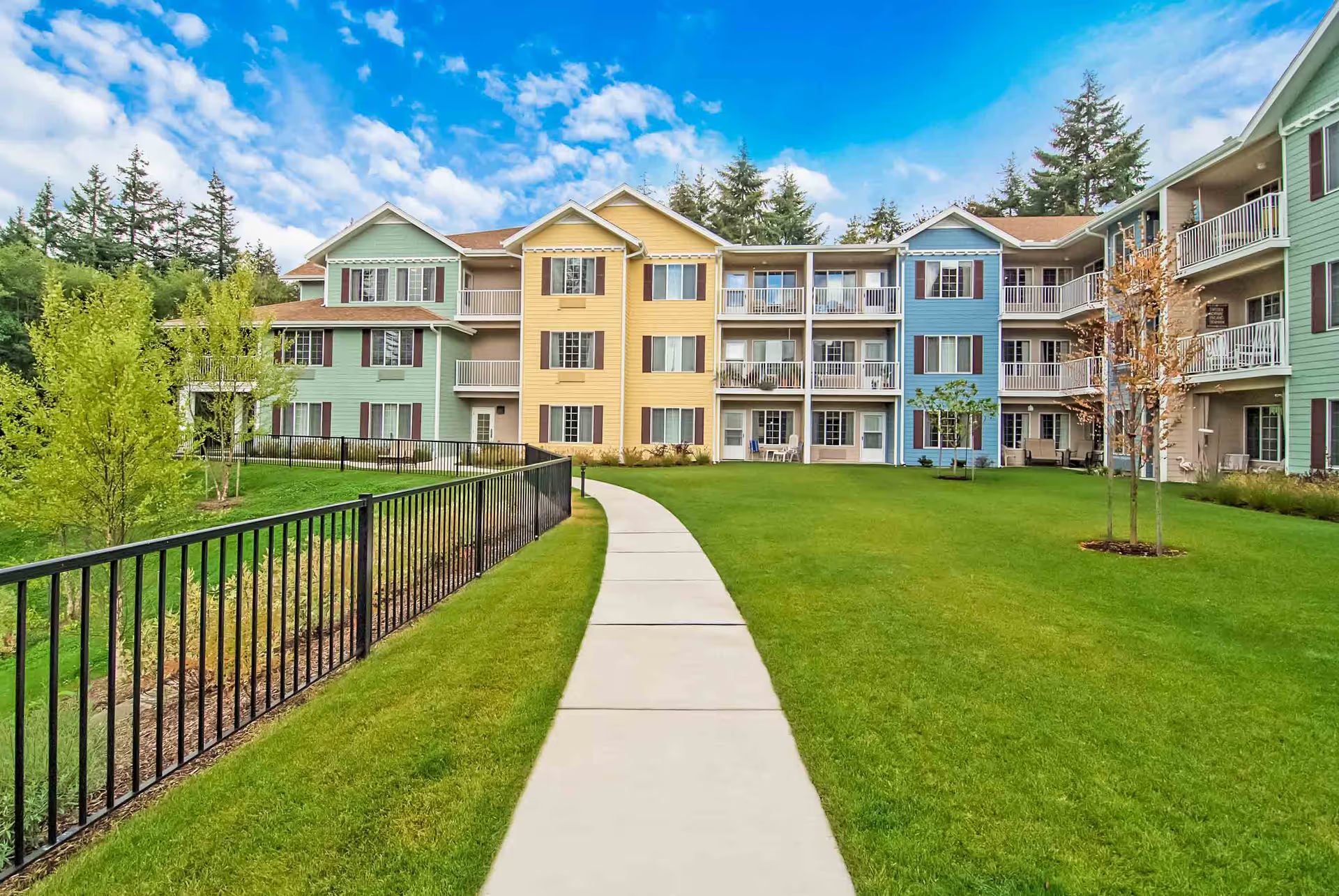
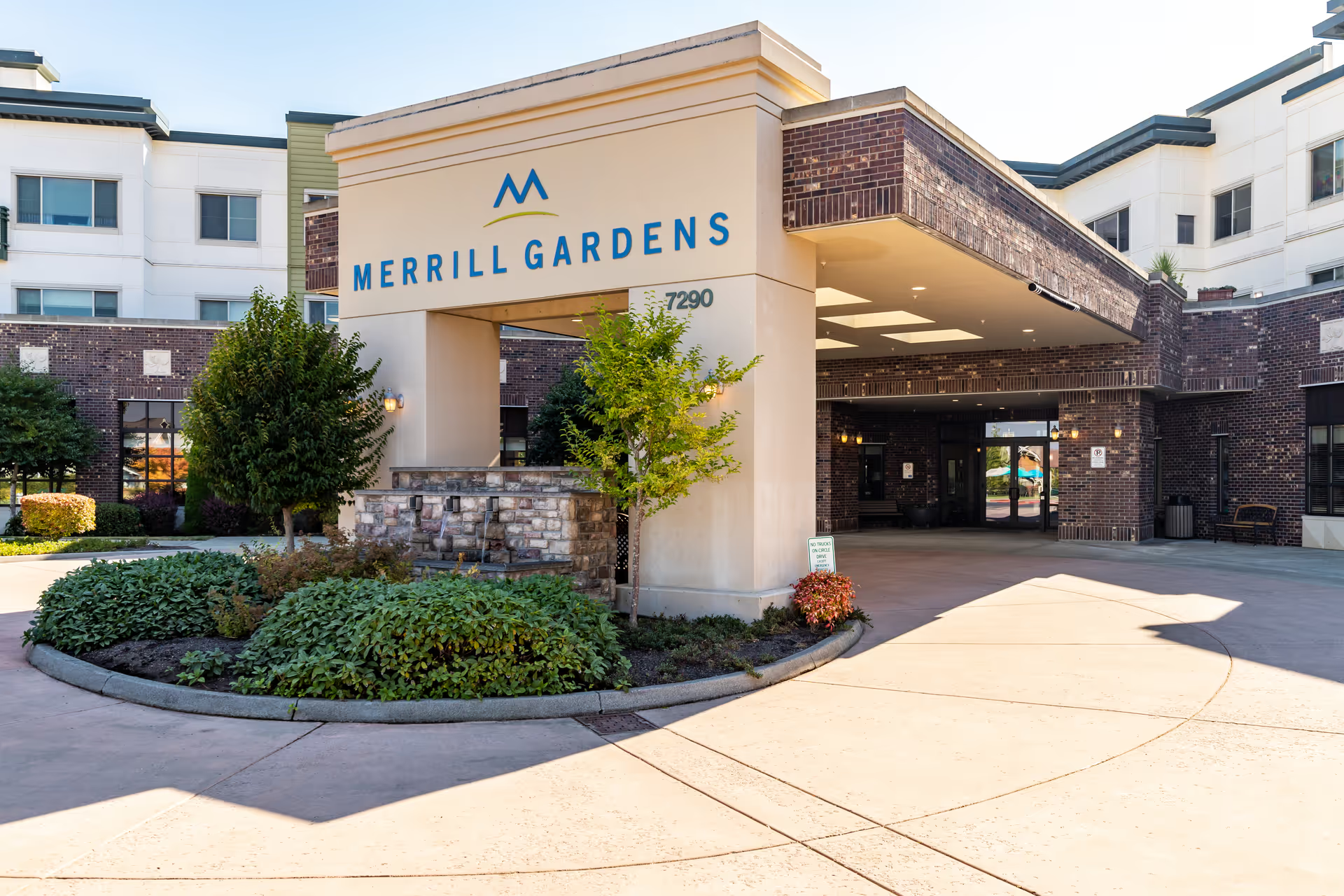
The community is frequently described as new, clean, bright, and upscale, with modern apartments and inviting shared spaces. Commonly praised amenities include an indoor pool, fitness room, theater, bistro, craft and activity areas, and spaces for family gatherings. The Point Ruston location offers waterfront views, walking paths, and nearby shops, restaurants, and services. Apartment preferences may vary: one prospective resident wanted more direct outdoor access and a ground-floor option, while another noted limited built-in lighting in the apartment they viewed. A memory-care tour was also perceived as darker and more confined than another community the family considered.
Activities are a recurring strength, with accounts describing exercise, memory-focused programming, crafts, outings, themed celebrations, music, and social events. Families appreciate opportunities for residents to stay active and connected, including some memory-care residents joining events and dining in shared areas. At the same time, one tour reviewer felt the memory-care area offered less space and activity variety than desired. Reports of staff turnover in nursing and food service are another point to explore when assessing continuity. Some historical reviews describe COVID-era limits on shared dining and common-area access; these reflect conditions at that time rather than necessarily current practice. Overall, reviewers commonly praise the community’s atmosphere and staff, while differences in dining, cost, apartment fit, and confidence in support for changing care needs make an individualized tour and detailed care assessment important.