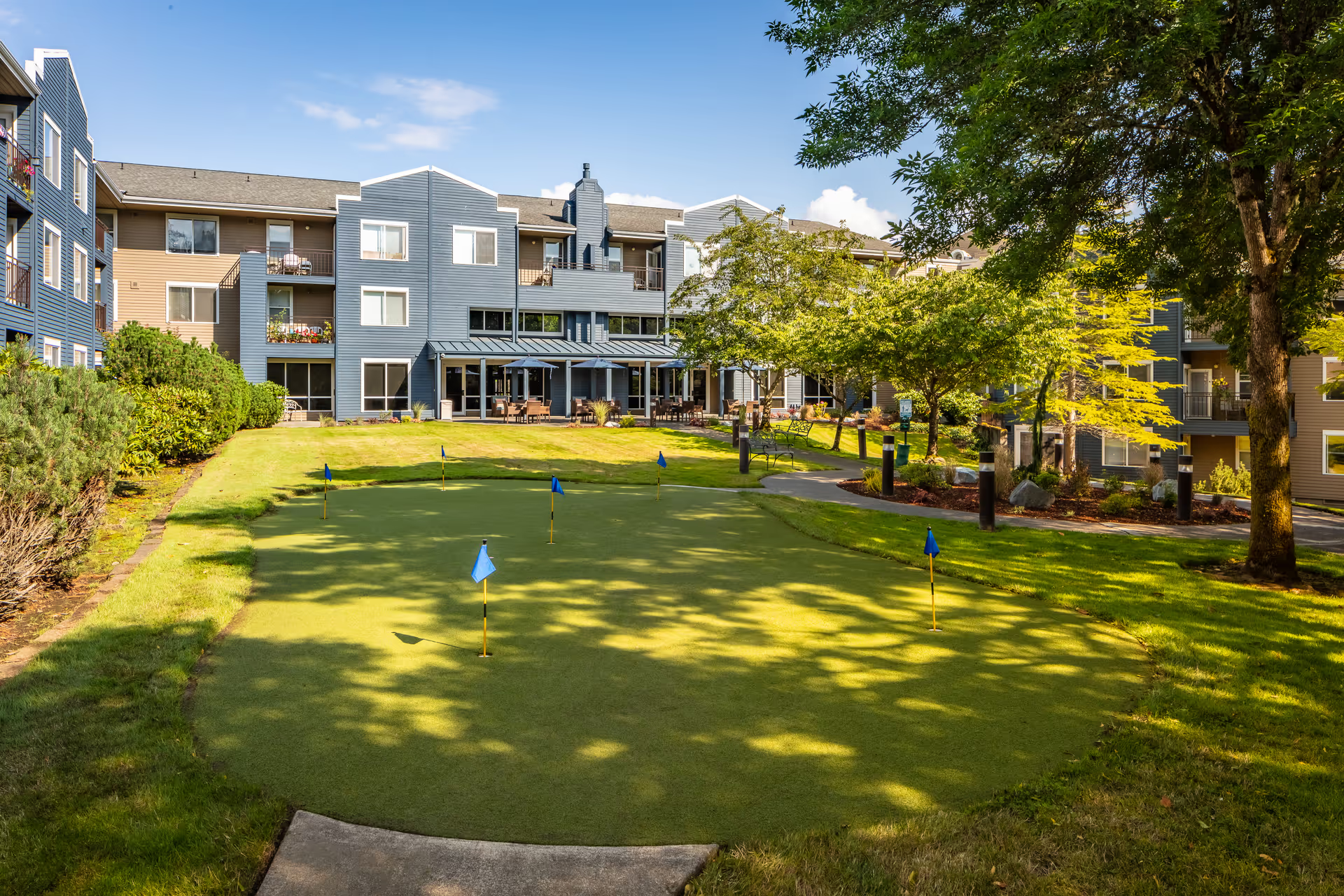
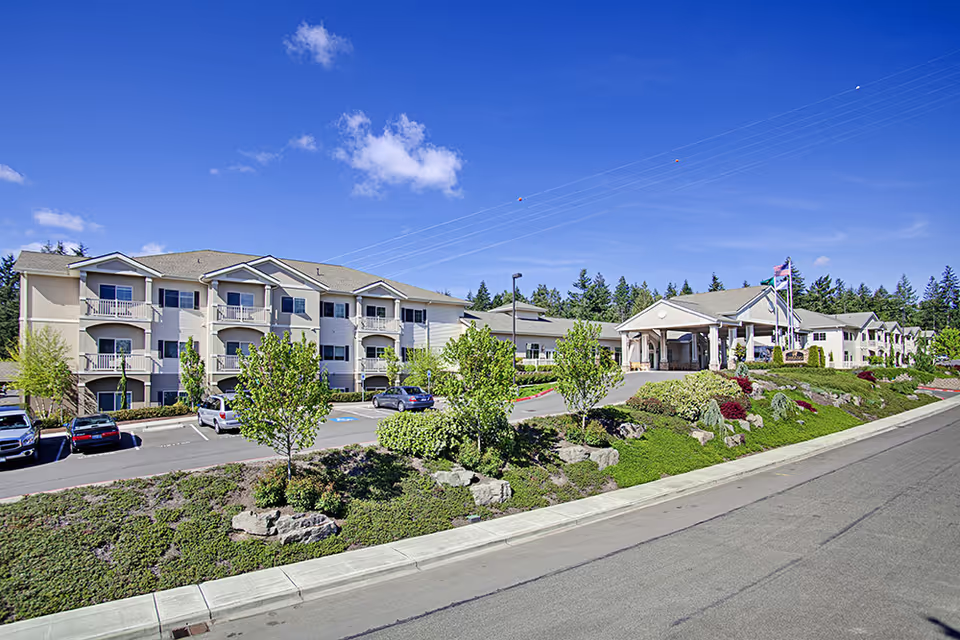
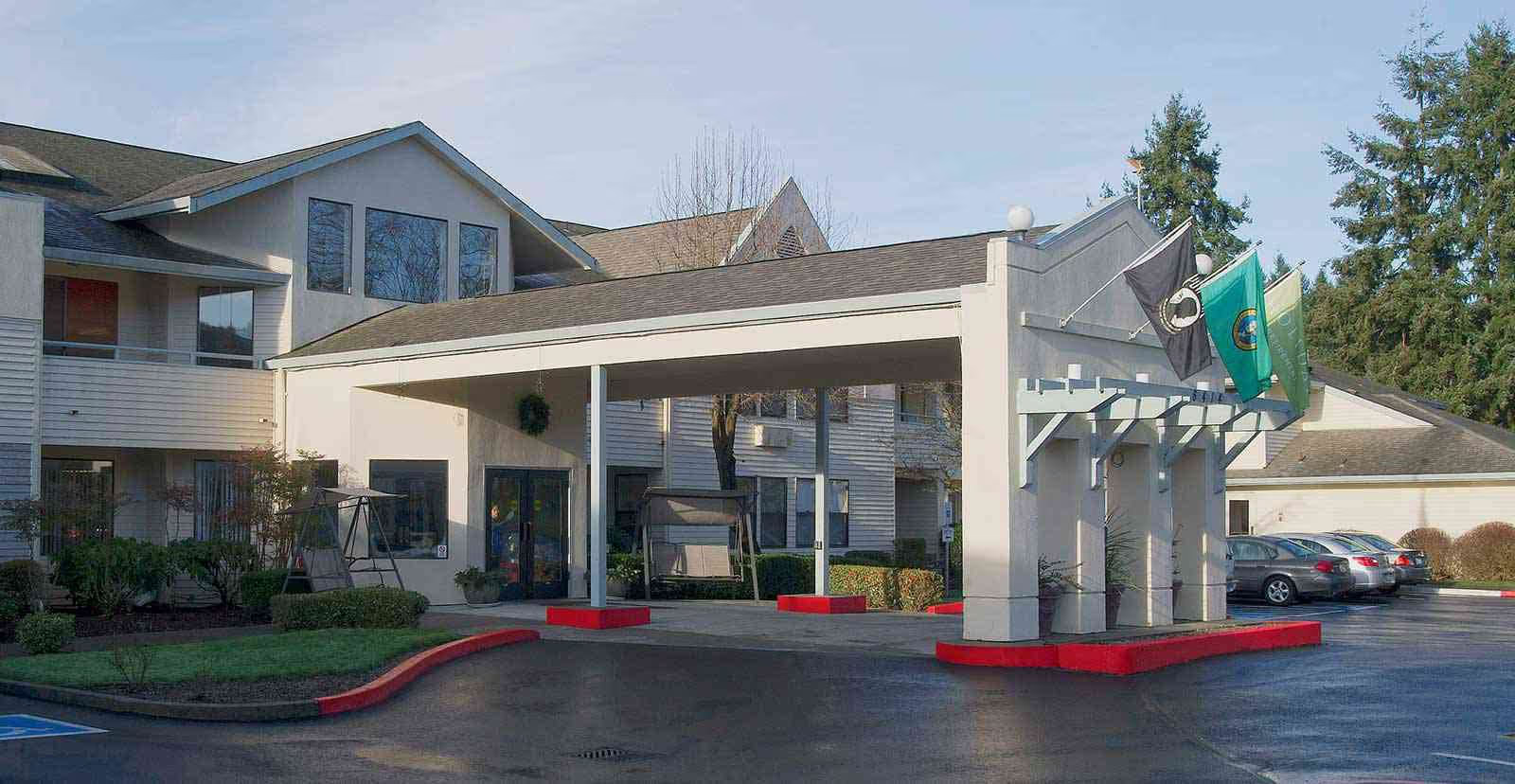
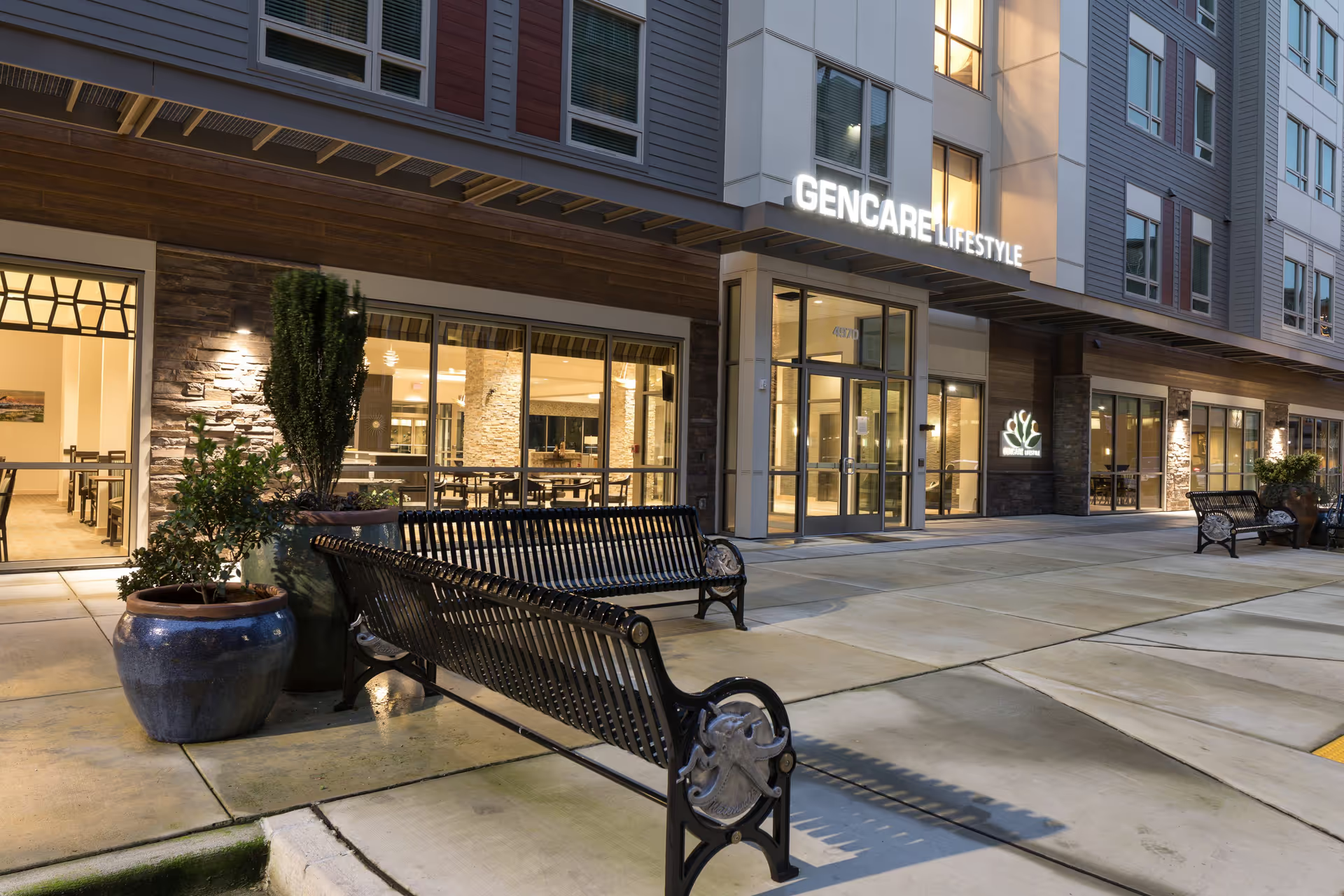
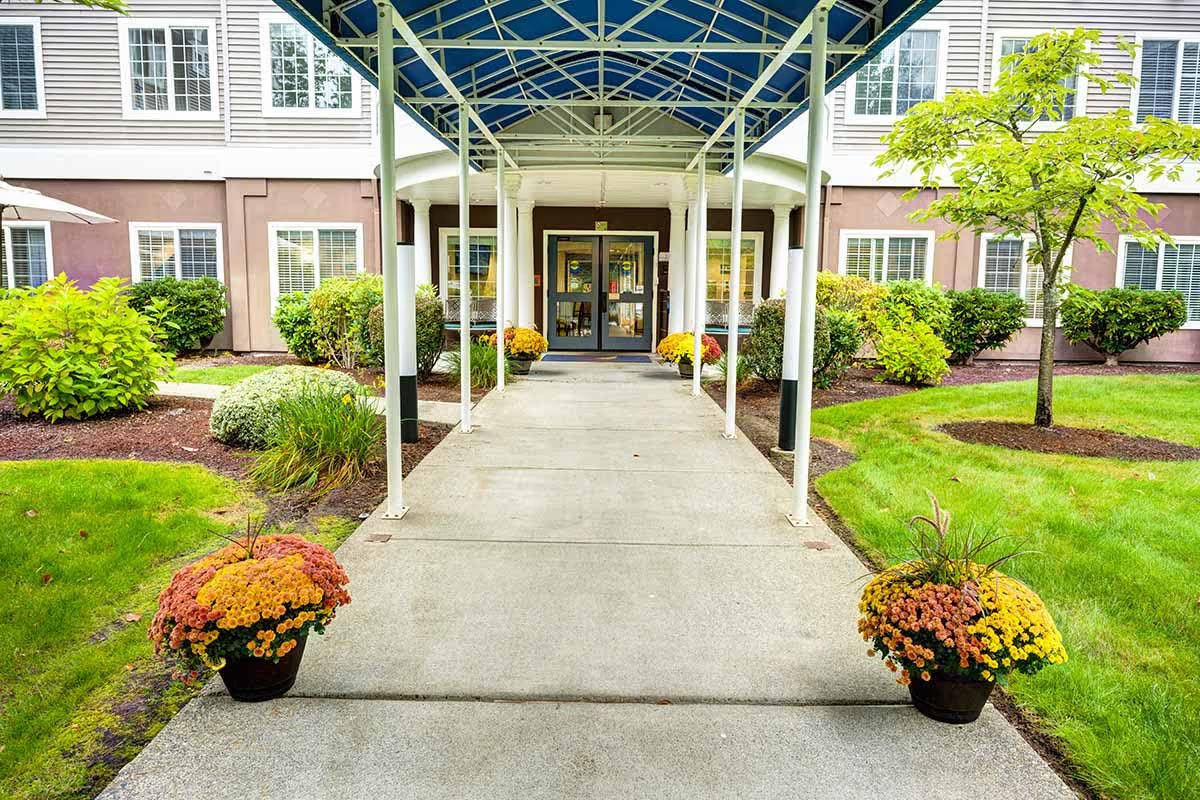
Merrill Gardens at Tacoma is consistently described as an attractive, well-maintained senior community with a strong focus on dining, social programming, and an engaged campus atmosphere. Reviewers highlight chef-led, restaurant-style meals offered across many hours, servers who learn resident preferences, and a wide variety of clubs, classes, and outings that create frequent social opportunities. Physical campus strengths include landscaped grounds, independent cottages and larger apartment units with full kitchens and in-unit laundry, single-floor common areas for many activities, and concierge and shuttle services that support daily living and outings.
Care and frontline staff receive frequent praise for warmth, attentiveness, and personalized service. On-site nursing and medication-management services are available, and families commonly note proactive event support and concierge assistance at move-in. At the same time, there is variability in clinical and operational consistency: reviewers describe uneven responsiveness to requests, occasional delays in medication or other clinical needs, and concerns about adherence to advance-care preferences. The facility appears oriented toward independent and assisted living profiles rather than around-the-clock skilled nursing; some families felt the community did not provide higher-level 24-hour care when that need arose.
Dining and activities are clear strengths: many reviewers describe excellent meals, frequent entertainment, fitness classes, arts and crafts, and organized excursions. These offerings support social engagement and resident satisfaction for those seeking an active lifestyle. A minority of reviews note occasional declines in meal temperature or consistency, and a few reviewers wanted even more variety or access to activities depending on unit location or community size.
Operational and management themes are mixed. Admissions and event staff are frequently named and praised, and several reviews describe strong, engaged managers and celebration-focused culture. Conversely, other reviews point to administrative inconsistency, uneven communication between families and staff, and follow-through gaps around maintenance and housekeeping tasks (for example, expectation-management for cleaning and repairs). Cost and transparency are recurring considerations: pricing is described as competitive by some and high or complex by others, with add-on fees and differing expectations for what is included.
Finally, a small but important subset of reviewers raised serious concerns that should be explored directly with management prior to decision-making. These include allegations of staff theft and financial misconduct and concerns about adherence to advance-care documents. Given the overall pattern — strong strengths in hospitality, dining, and programming alongside variability in clinical responsiveness, maintenance follow-through, and administrative consistency — prospective residents and families should verify current staffing levels, clarify what services are included in fees, review how advance-care preferences are honored, and tour units to assess accessibility and outdoor-space availability for their specific needs.