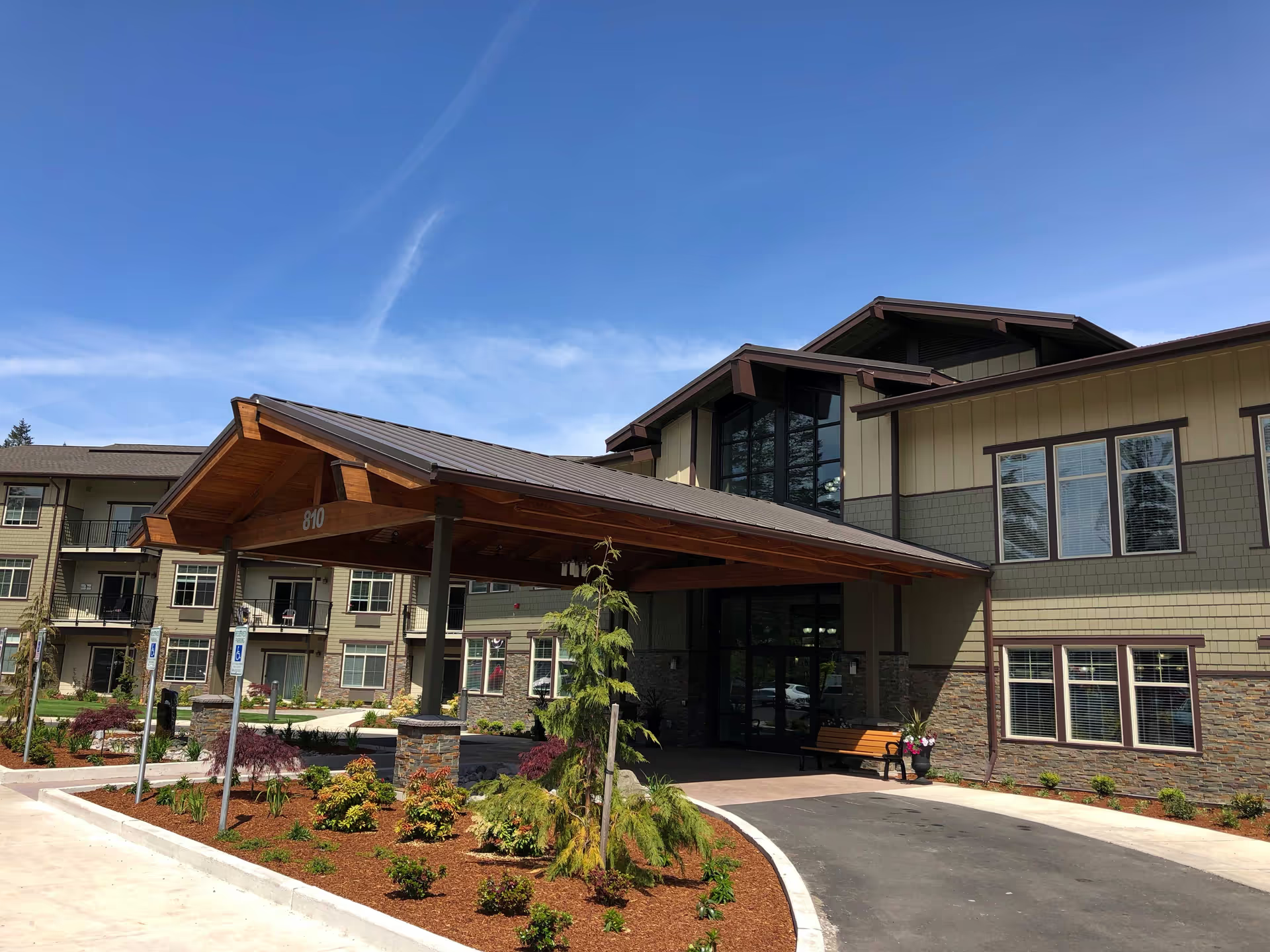
Overall impressions of Woodard Creek Health & Rehabilitation are mixed, with a clear pattern of strong rehabilitative services and individualized caregiving in many cases alongside persistent operational weaknesses. Numerous accounts praise the facility’s therapy program, describing effective physical and occupational therapy that supported functional gains and discharge goals. CNAs and several nursing staff members receive frequent commendation for being compassionate, attentive, and helpful, and admissions and front‑desk personnel are often described as welcoming and efficient. The facility’s environment is commonly described as clean, comfortable, and inviting, with private‑room options and pleasant common areas.
At the same time, a recurring concern across accounts is inconsistent staffing and the operational consequences that follow. Many describe slow responses to call lights and delayed assistance, which reviewers link to high patient loads and staffing variability. Related clinical issues noted include gaps in monitoring that may contribute to falls or delayed recognition of acute changes, and inconsistencies in device and medication management such as catheter oversight. There are also multiple accounts indicating deficiencies in bathing, toileting, and incontinence‑care processes. Together, these themes point to staffing and workflow challenges that affect day‑to‑day care reliability.
Dining, activities, and facility amenities generate mostly positive remarks but with variability. The menu includes choices that several residents enjoyed, and some meals receive strong praise; however, meal quality and consistency are uneven. Therapy‑focused programming and social‑work support are strengths for residents pursuing rehabilitation, and anecdotal accounts note meaningful social connections formed during stays. Cleanliness and a welcoming atmosphere are commonly noted as positives for family visits and resident comfort.
Management and communication show a mixed record. Some families report prompt, effective problem resolution when issues are elevated to leadership, and specific staff members are repeatedly singled out for exemplary service. Conversely, there are ongoing concerns about discharge planning and handoffs—families describe rushed discharges, unclear post‑discharge instructions, and confusion about insurance coverage. Communication tone and conduct by certain staff and supervisors is another recurring theme, with several accounts describing unsatisfactory interactions. A limited number of accounts raise serious clinical concerns involving hospitalization and severe illness; these allegations warrant follow‑up by prospective families and, if appropriate, by oversight entities.
For prospective residents and families, the facility appears to offer strong rehabilitative care and many individual staff who provide compassionate support. Those considering Woodard Creek should weigh these strengths against operational risks: ask specific questions about current staffing ratios, fall‑prevention protocols, catheter and medication oversight, and the facility’s discharge‑planning process. Visiting during a shift change, meeting the therapy team, and requesting recent family‑satisfaction or quality metrics can help assess whether the facility’s current performance aligns with the needs of the prospective resident.