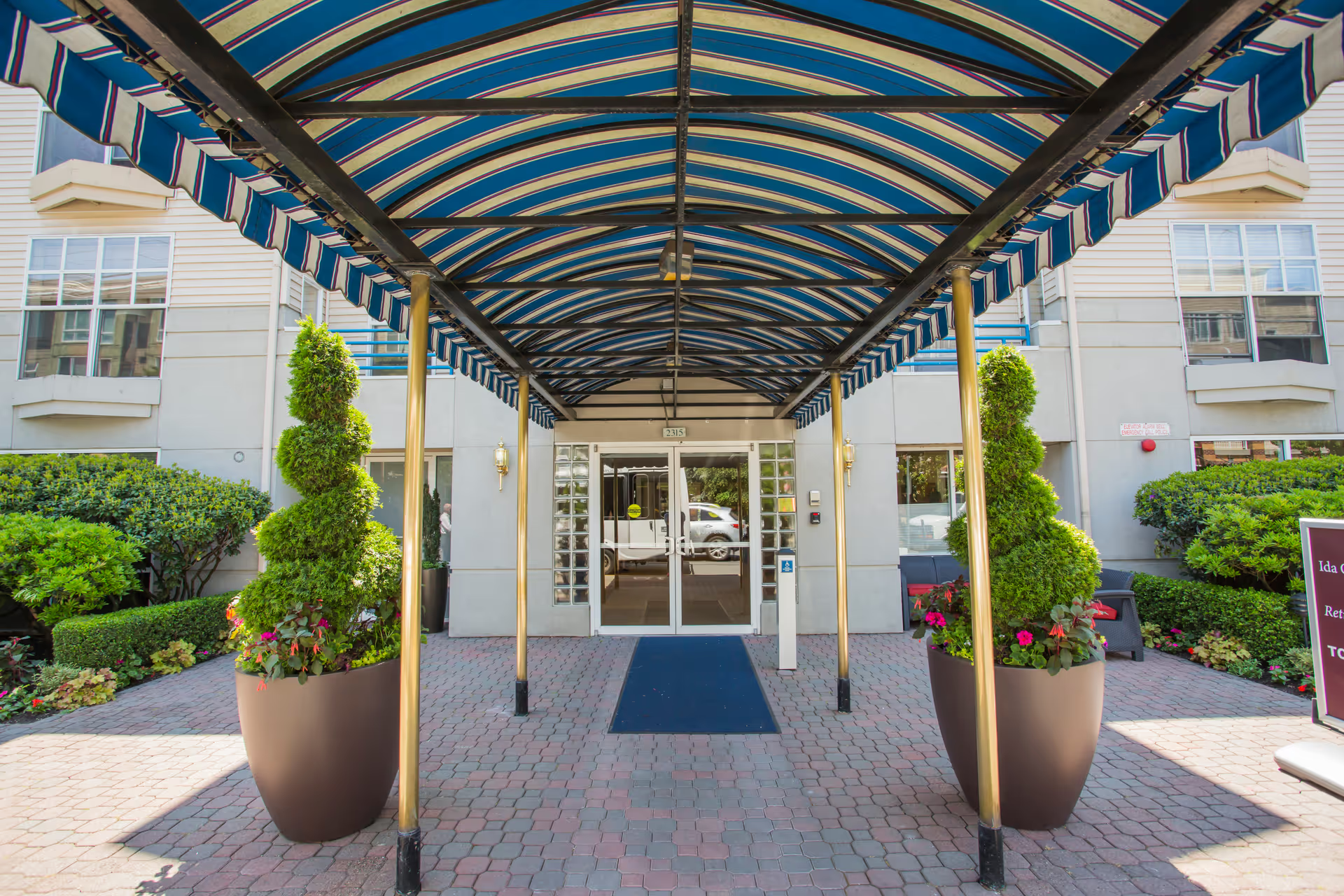
Emerald City at Greenlake presents a mix of clear strengths and recurring operational weaknesses. Many reviewers highlight the quality of frontline caregivers — CNAs and nurses are frequently described as caring, attentive, and knowledgeable — and several accounts also praise medication teams and maintenance staff for responsiveness and competence. The physical plant receives consistent praise: common areas are described as clean, upscale, and hotel-like, with appealing dining rooms, a lobby bistro, exercise equipment, and outdoor patios with raised beds. The memory care unit has been renovated and is described by some as well-appointed.
Dining receives polarized feedback. A number of reviewers praise varied menus, fresh produce, and meals prepared under a skilled chef, and dining-room staff are often singled out as friendly and helpful. Conversely, other accounts describe inconsistent meal quality and practices that appear to prioritize convenience over menu execution; complaints include use of prepared items and limited variety at times. This creates an uneven dining experience that appears to fluctuate with staffing and kitchen leadership.
Activities and social programming are frequently noted as a strength: there are regular on-site events, offsite outings via van, book clubs, and social engagement opportunities that many residents enjoy. At the same time, some residents and families find the activities insufficiently varied or not consistently engaging. Accessibility of programming is generally good for ambulatory residents, but residents with higher support needs or significant mobility limitations may find the offering less suitable.
Operational consistency is the primary area of concern. Multiple reviews describe staffing shortages and long waits for assistance after call buttons are used, indicating delays in attending to basic needs. Reviewers also point to variability in management and leadership stability: periods of proactive, involved leadership are contrasted with intervals of disorganized transitions and unresponsive administration. Specific operational gaps mentioned include an unreliable call/response system, inconsistent housekeeping and linen schedules in apartments, and administrative follow-through problems (for example, billing or deposit refunds).
Safety, privacy, and accessibility issues are also raised at the facility level. Some families describe gaps in professional conduct controls and resident confidentiality, and there are reported communication challenges related to language accents that can affect hard-of-hearing residents. Memory care is noted as smaller and more confining in places, with concerns about privacy and locking in certain rooms. Physical accessibility limitations for manual wheelchair users and the building’s location on a busy street (with associated traffic noise and limited views) may affect some prospective residents’ suitability.
Taken together, the pattern across reviews is one of a facility with strong elements — personable caregiving staff, attractive common spaces, robust amenities, and active programming — but with operational variability that can significantly affect day-to-day resident experience. Prospective residents who are relatively independent or require light assisted-living support frequently report positive outcomes; those who require frequent, hands-on care or who are highly sensitive to response-time reliability or privacy controls should evaluate current staffing levels, management stability, and the call-response reliability before committing. Visiting in person, asking about recent leadership changes, and probing current staffing ratios and emergency-response metrics will help families assess whether the facility’s recent improvements have addressed the operational concerns documented in the reviews.