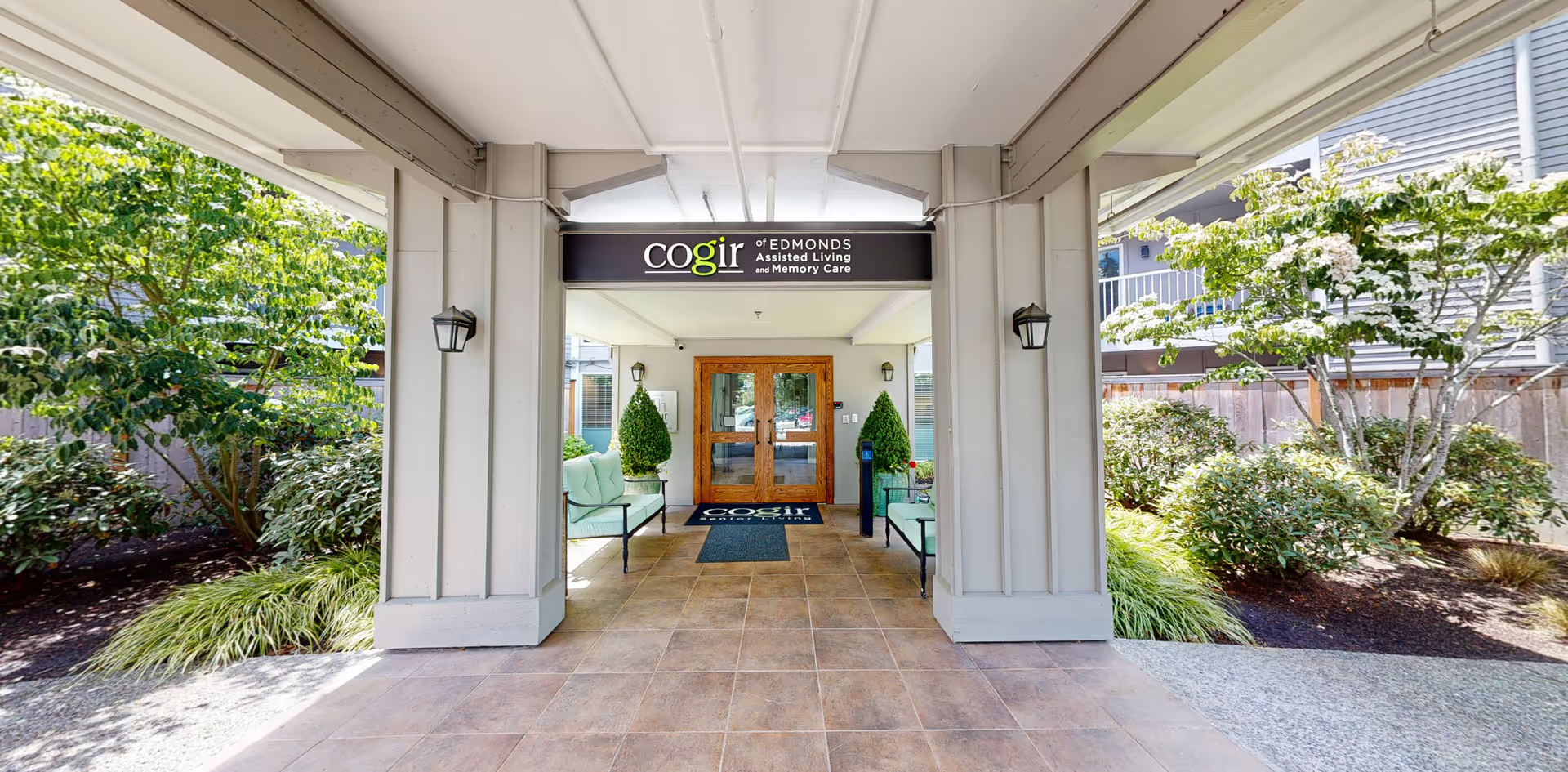
Across the summaries provided, reviewers emphasize consistent, hands-on caregiving delivered in a small, family-run setting. Care quality is described as compassionate and responsive, with staff noted for prompt attention and individualized services such as foot care. Communication and responsiveness to resident needs are recurring strengths, and families highlight staff willingness to accommodate personal preferences.
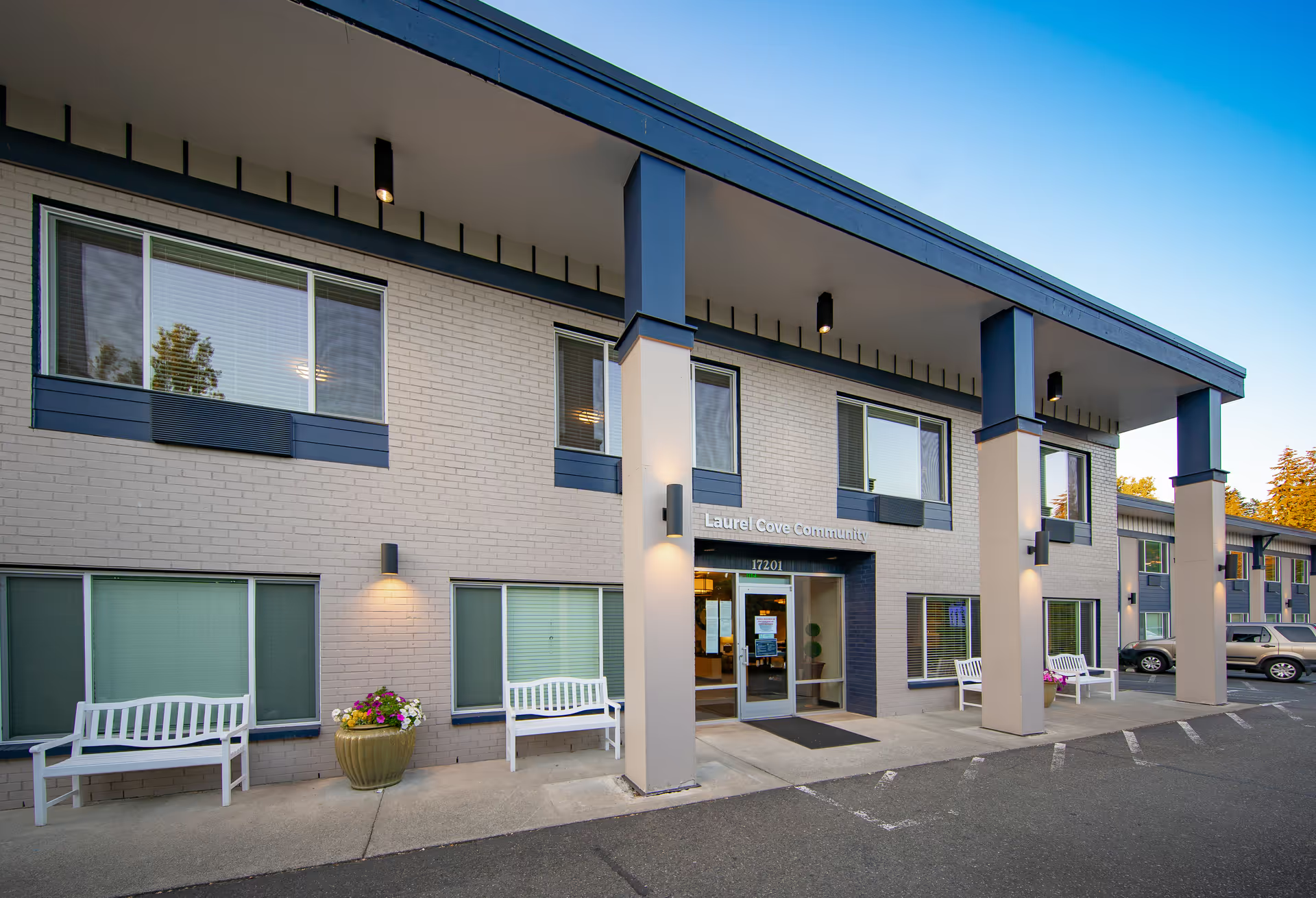
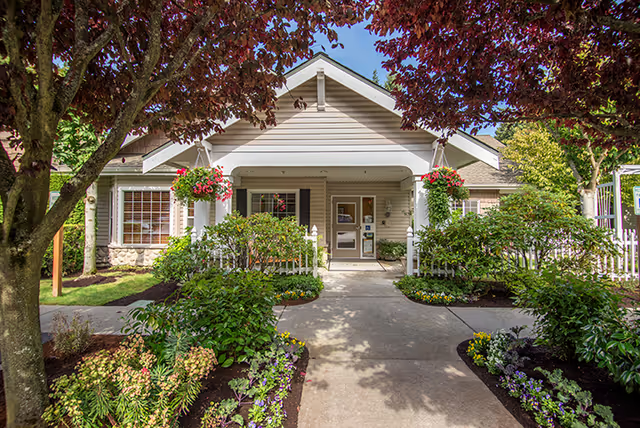
Facility assets include newer, state-of-the-art construction and systems, a clean, well-maintained interior, and environmental controls such as air conditioning and air filtration. Reviewers also commented on a pleasant ambiance and an accessible location. Dining appears to be flexible and resident-centered, with caretakers willing to make dietary accommodations and respond to individual cravings or preferences.
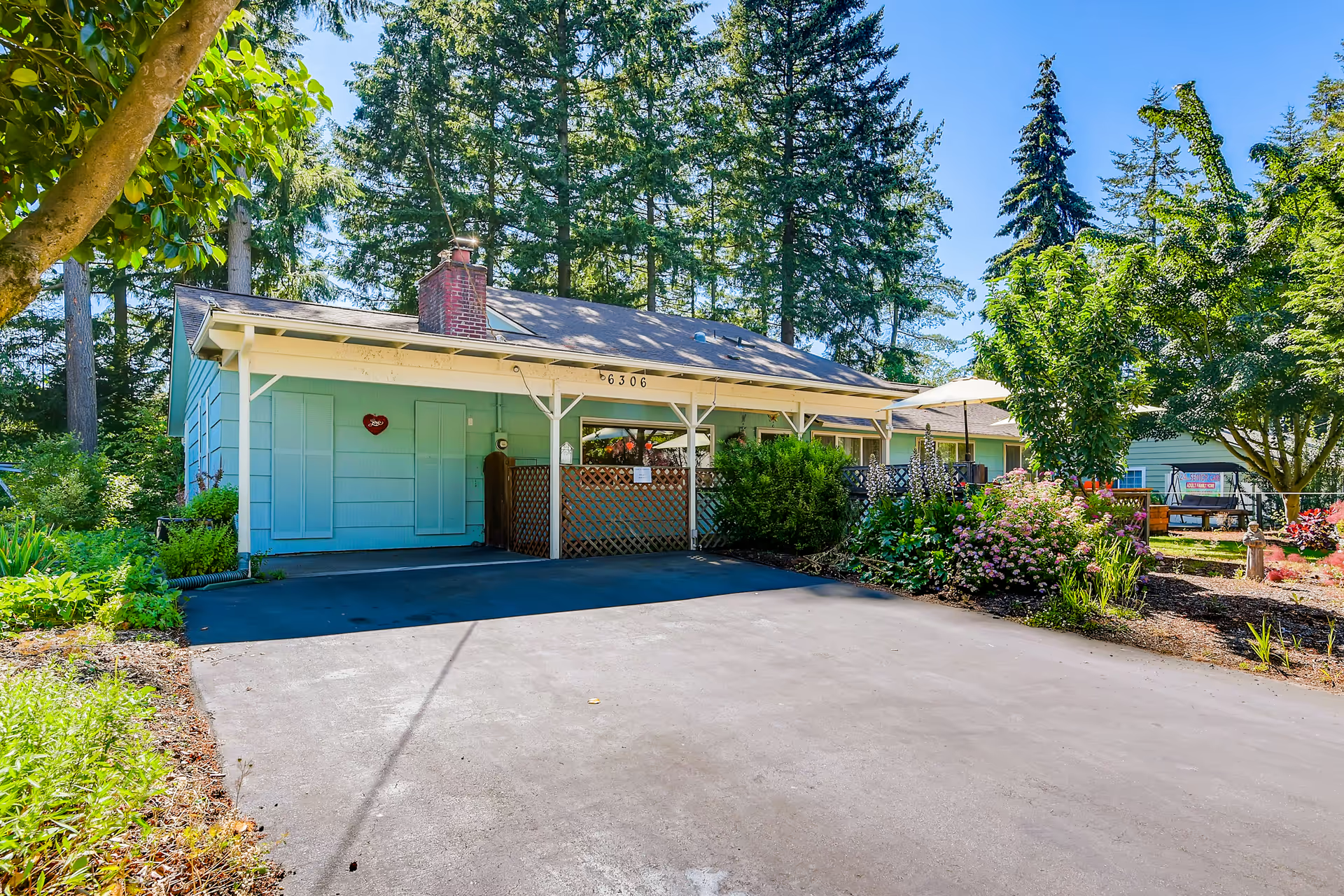
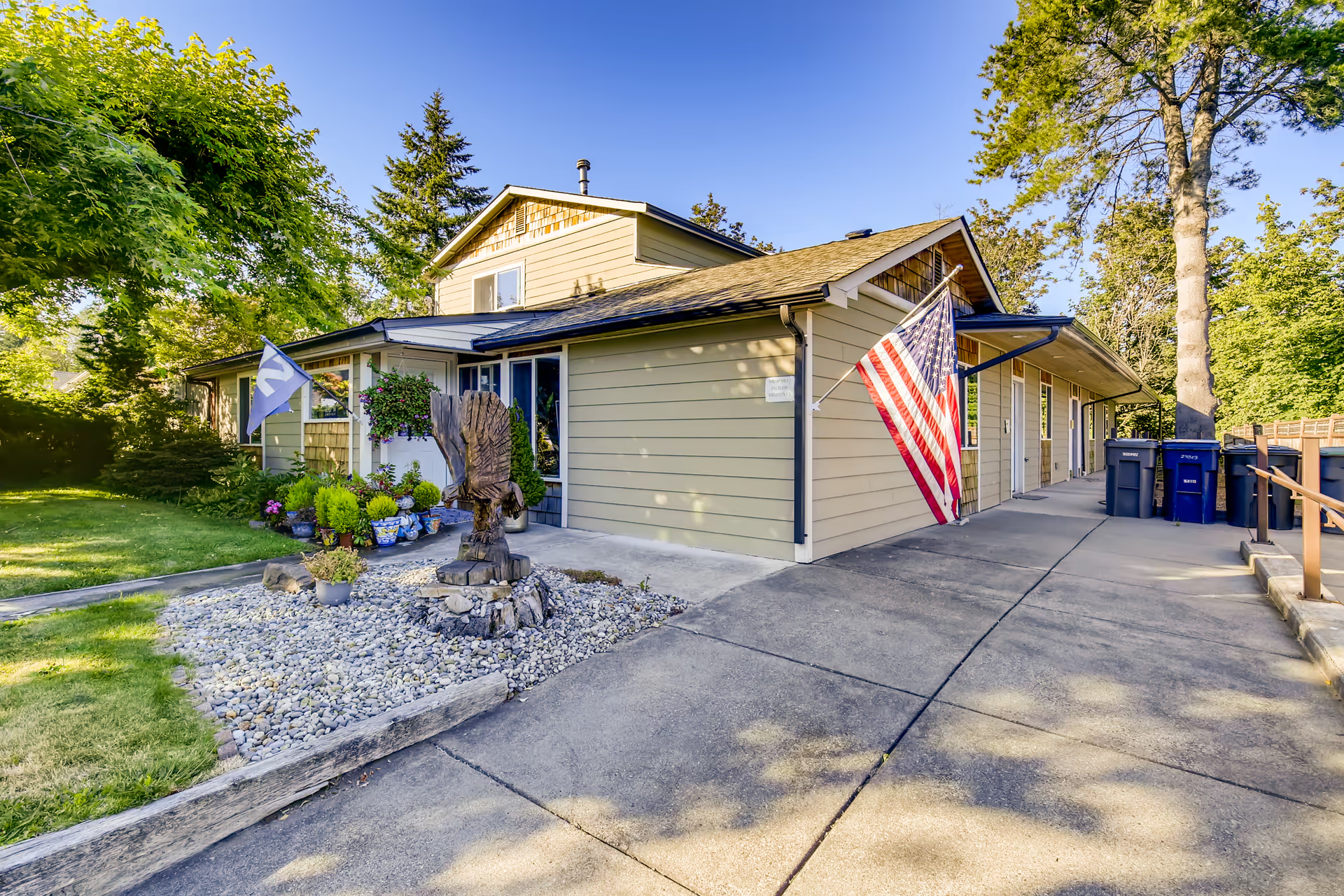
Management in this setting appears closely integrated with day-to-day care; the family-run model supports personalized attention and hands-on oversight. That model brings advantages in familiarity and individualized service, but it also implies operational trade-offs. Compared with larger licensed communities, a smaller, family-operated home may have more limited on-site clinical resources, fewer formalized activity programs, and staffing patterns that can vary with scale and scheduling.
For prospective residents and families, the primary patterns to weigh are the high level of personalized attention and the newer, clean environment against the narrower institutional capacity and clinical scope typical of small homes. Recommended follow-up items before placement include verifying staffing ratios and coverage, clarifying clinical and medication-management capabilities, reviewing the activity calendar, and confirming dining options and any special-diet accommodations. An in-person visit to confirm ambiance, cleanliness, and the fit between resident needs and the home’s clinical capabilities is advisable.