Crista Rehab & Skilled Care presents a mixed but distinct profile: reviewers consistently praise the campus amenities, the social atmosphere, and the commitment of many frontline caregivers, while also raising operational concerns that prospective residents and families should evaluate closely.
Care quality and clinical services: Several families described outstanding rehabilitation and therapy outcomes and noted effective coordination with external medical providers. These accounts suggest the facility can deliver strong short-term rehab and post-acute services. At the same time, other comments highlight gaps in routine clinical operations—limited on-site physician availability, inconsistent medication-management processes, and irregular personal-care scheduling (including bathing and incontinence-related follow-up). The net impression is variability: the facility can provide high-quality clinical support, but consistency appears uneven across units and shifts.
Staff and culture: Many reviewers emphasize compassionate, friendly staff and a welcoming resident community; these human factors are among the facility's strongest assets. However, staff turnover and uneven allocation of attention across care levels were also noted. Some families perceived that assisted-living residents receive more staff attention than independent-living residents, and others reported concerns about staff conduct and communication tone. Continuity of caregivers and consistent training—particularly around dementia interaction—emerge as areas that influence day-to-day resident experience.
Dining and nutrition: Dining receives largely positive remarks: several reviewers described restaurant-quality meals, generous portions, and a café with barista-style coffee, along with multiple dining venues on campus. Conversely, there are indications of inconsistent food quality across units and limited accommodation for special-diet needs in certain areas (notably memory care). Cost structure also varies by dining option; families should confirm which services are included versus fee-based.
Activities and programming: The facility offers a broad range of activities—crafts, exercise classes, pool use, library programs, puzzles, chapel services, grief support, and faith-based groups—creating many engagement opportunities. Memory-care programming, however, was described as less active in some accounts, and reviewers cited gaps in staff training for Alzheimer’s interaction and the impact of turnover in activity leadership.
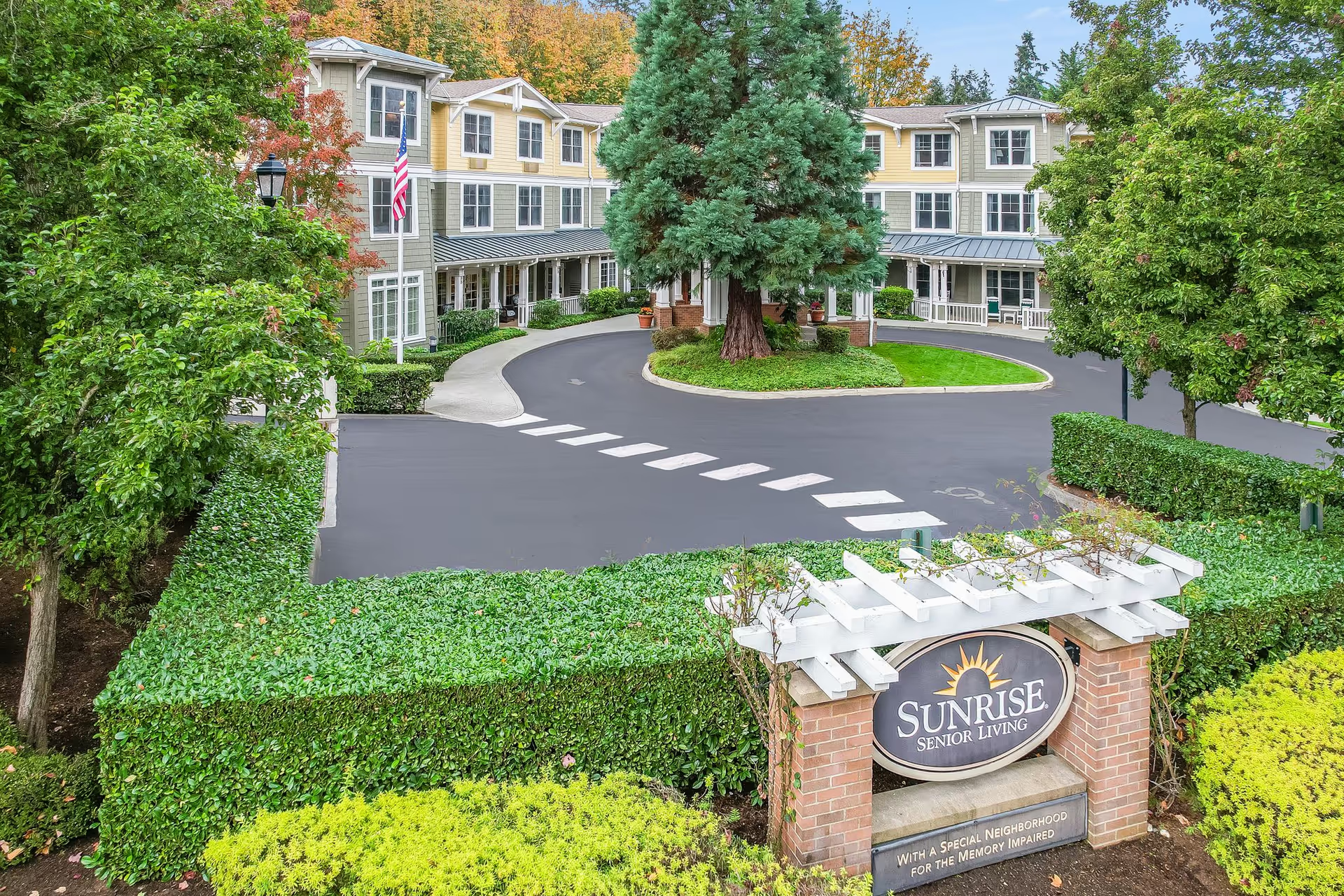
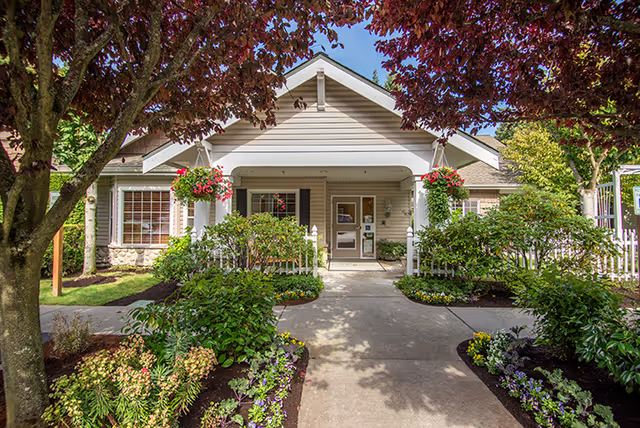
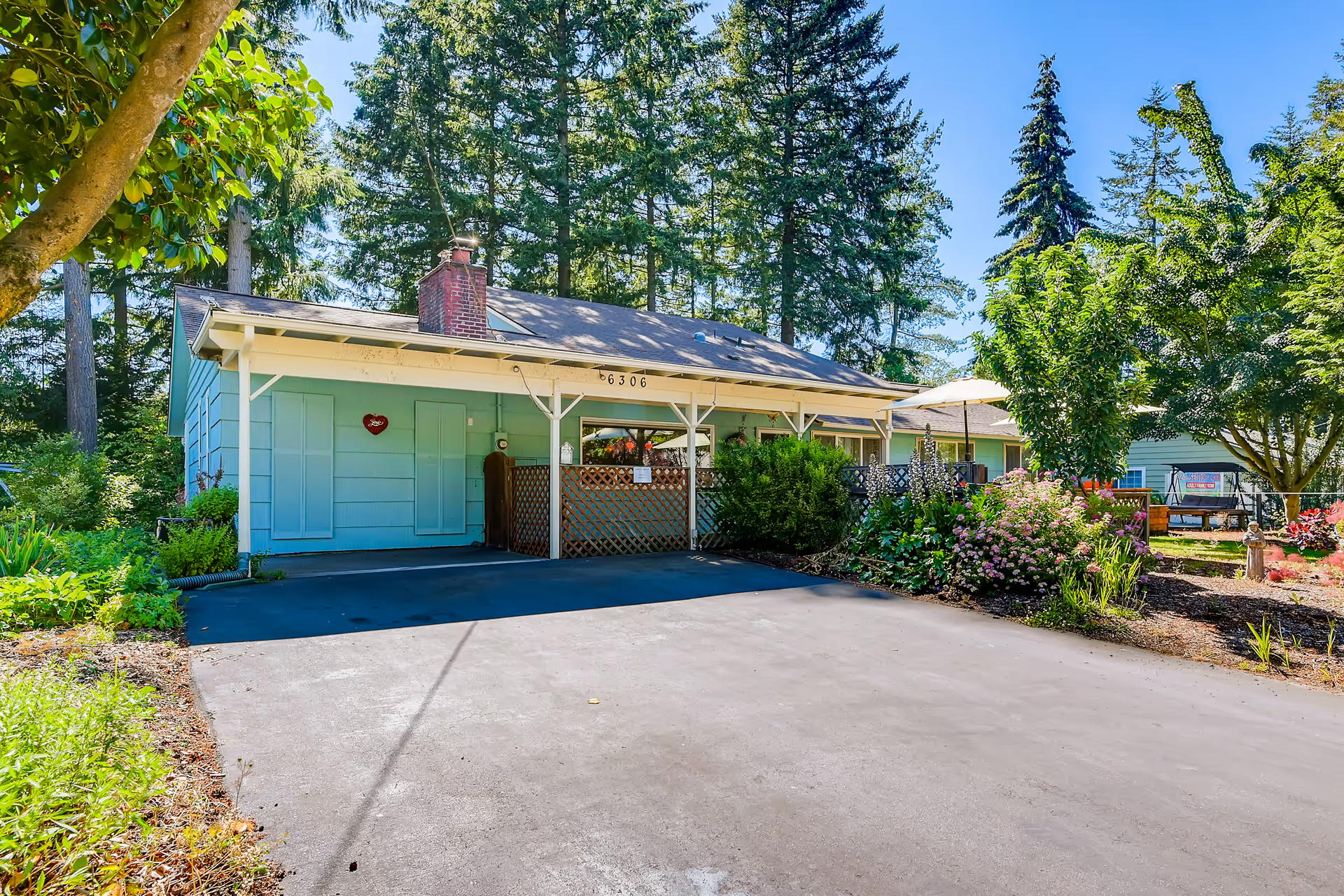
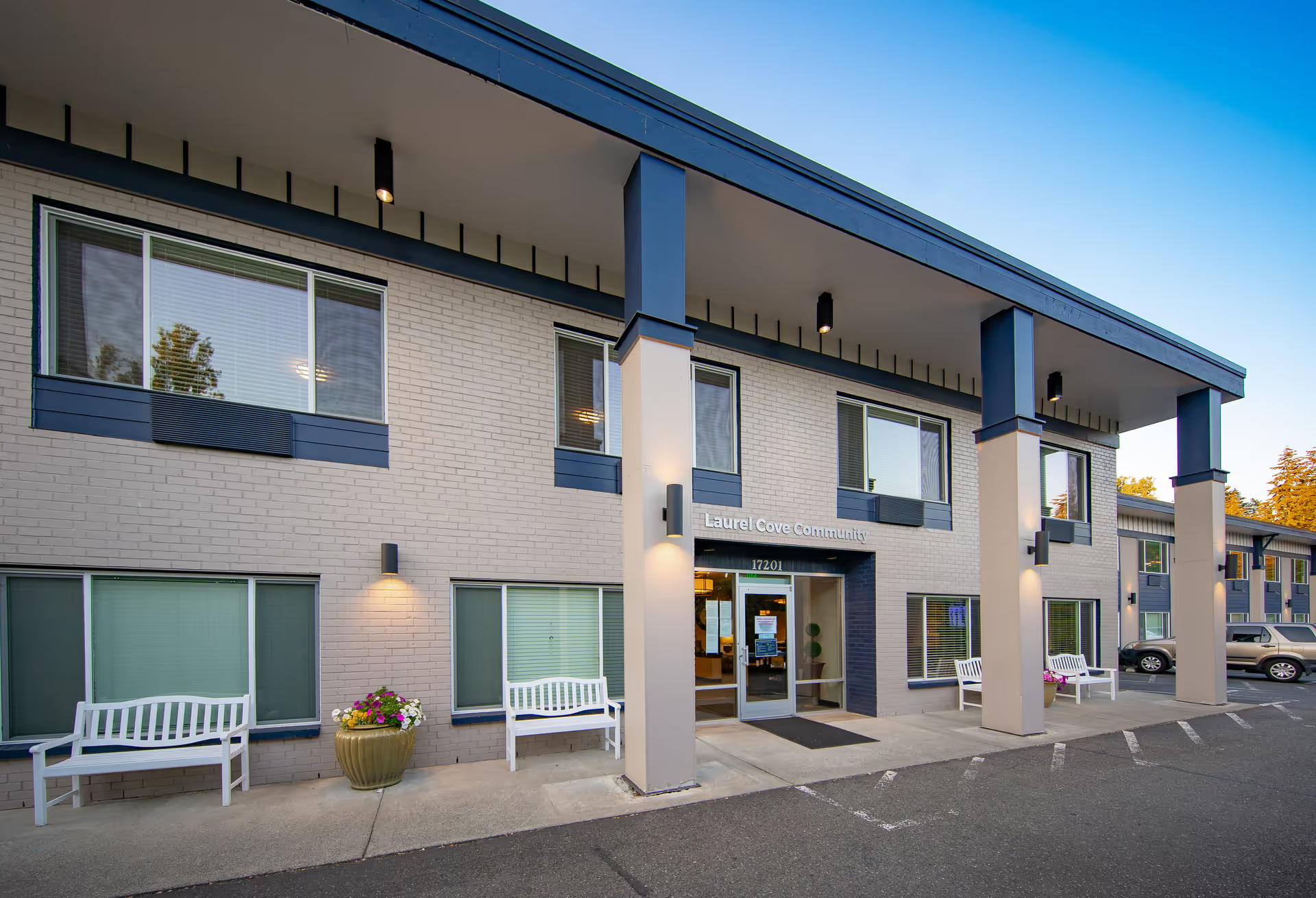
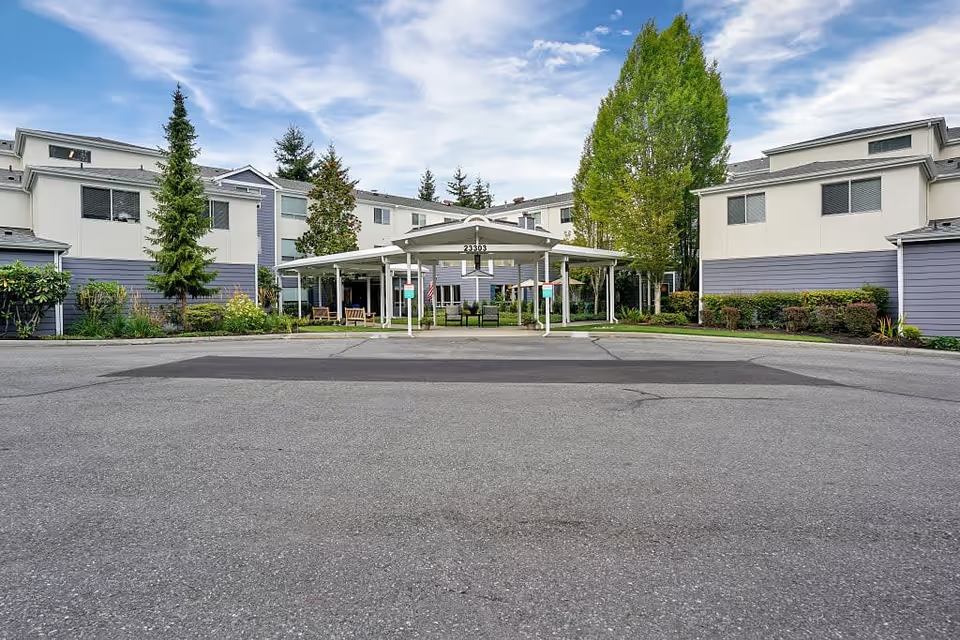
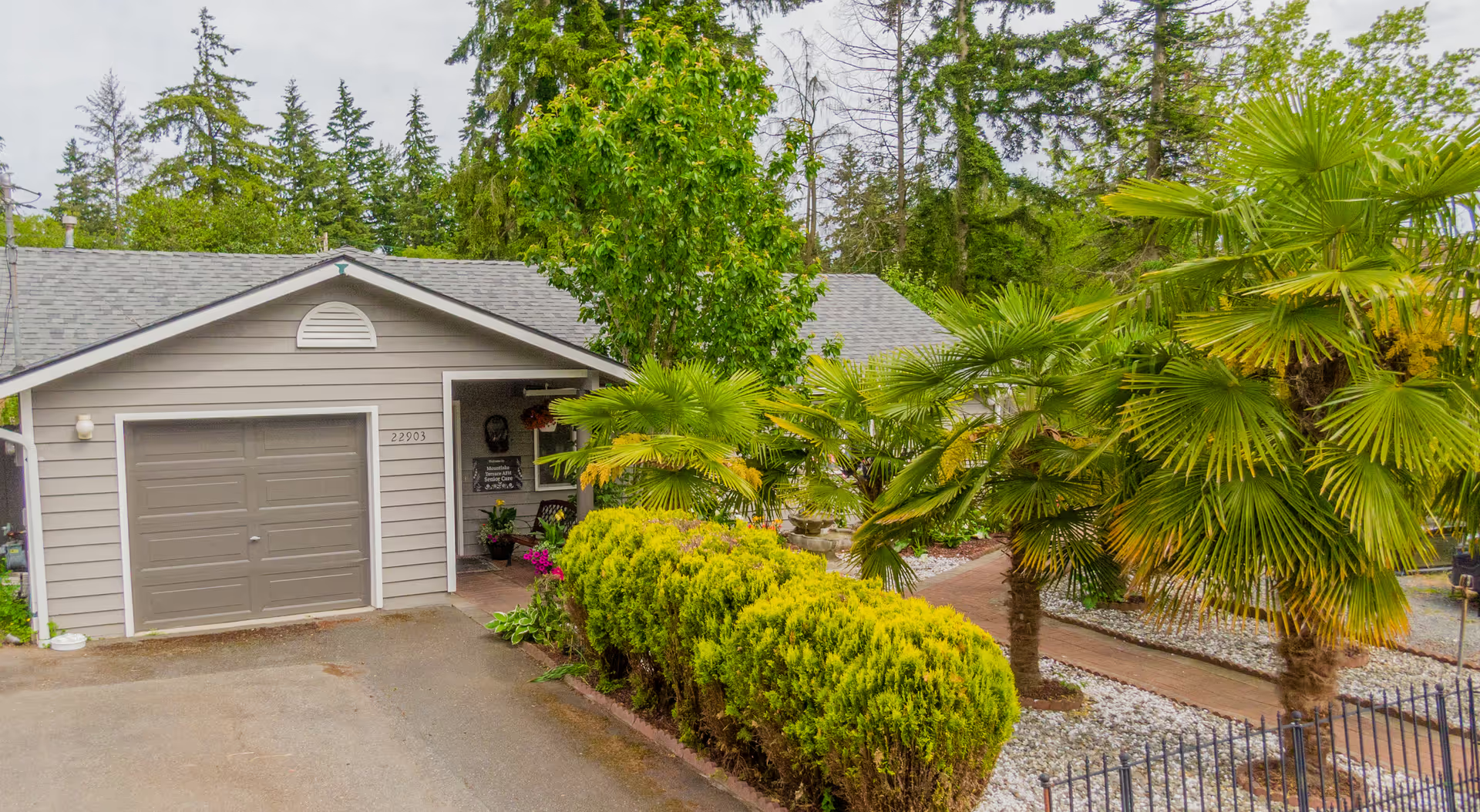
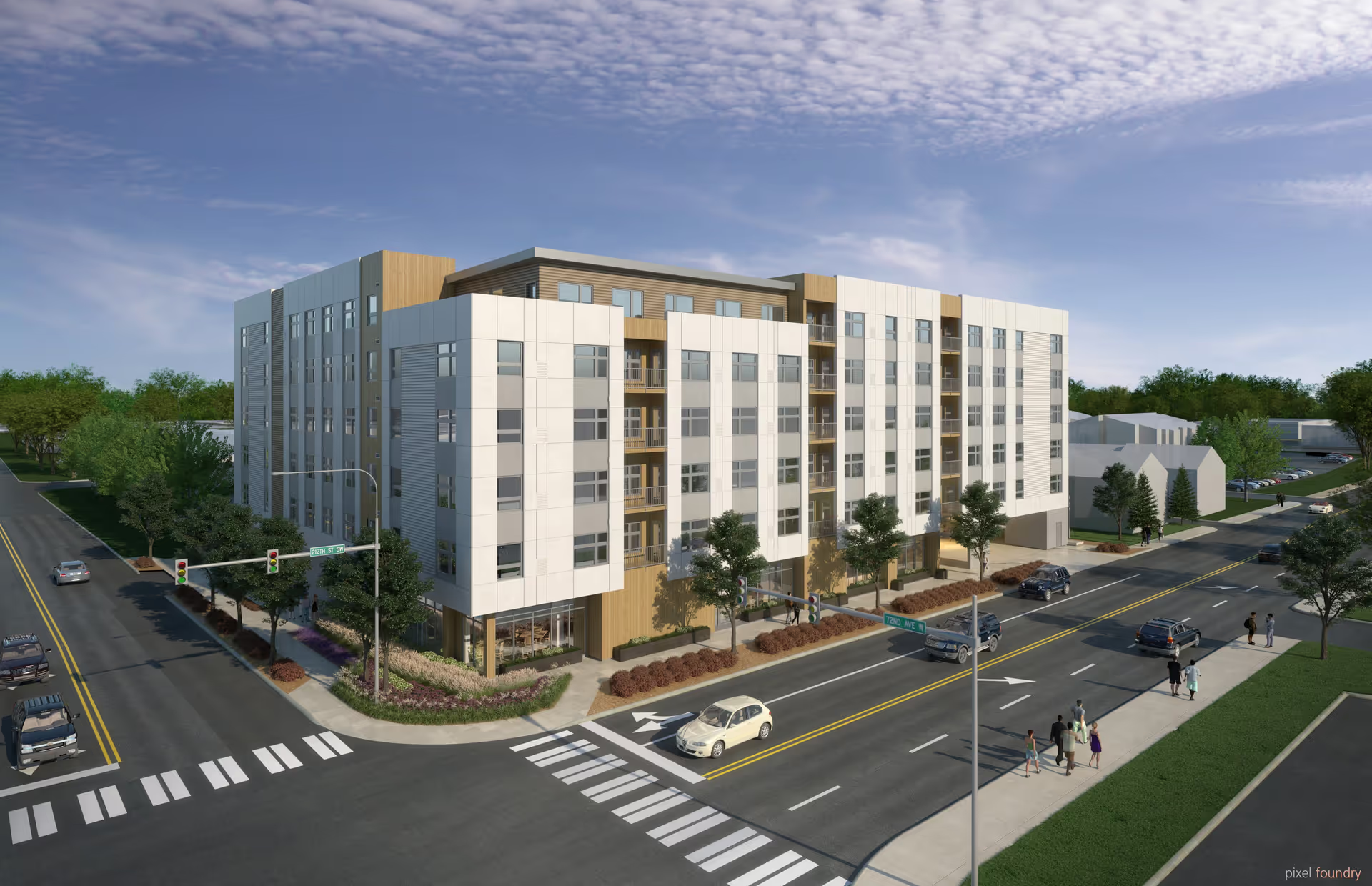
Facilities and accessibility: The campus and grounds are consistently praised for landscaping, gardens, and outdoor seating; an on-site pool, chapel, and library are positives. At the same time, buildings are described as older and institutional in parts, with limited private-room availability and fewer upscale finishes. Apartment sizes vary and some independent-living units are small. Accessibility concerns include long walks from parking to apartments in certain areas.
Management and communication: Strengths include transparent pricing in independent-living programs and options for lower-income residents. Management weaknesses noted include inconsistent follow-through on administrative promises and communication lapses with families. These operational issues, together with staff turnover, can affect perceived reliability.
Notable patterns and guidance: Overall experiences range from highly positive—where families highlight exceptional, even recovery-defining care—to critical, where sanitation, personal-care responsiveness, and communication were concerns. Prospective residents and families should tour multiple areas of the campus, meet staff across shifts, ask about physician coverage and medication protocols, review dementia-care training and activity schedules for memory units, inspect housekeeping standards and restroom/personal-care procedures, verify apartment sizes and accessibility, and clarify which dining options and special diets are included in fees. Doing so will help determine whether the facility’s strong community and rehabilitation capabilities align with an individual’s day-to-day care expectations.