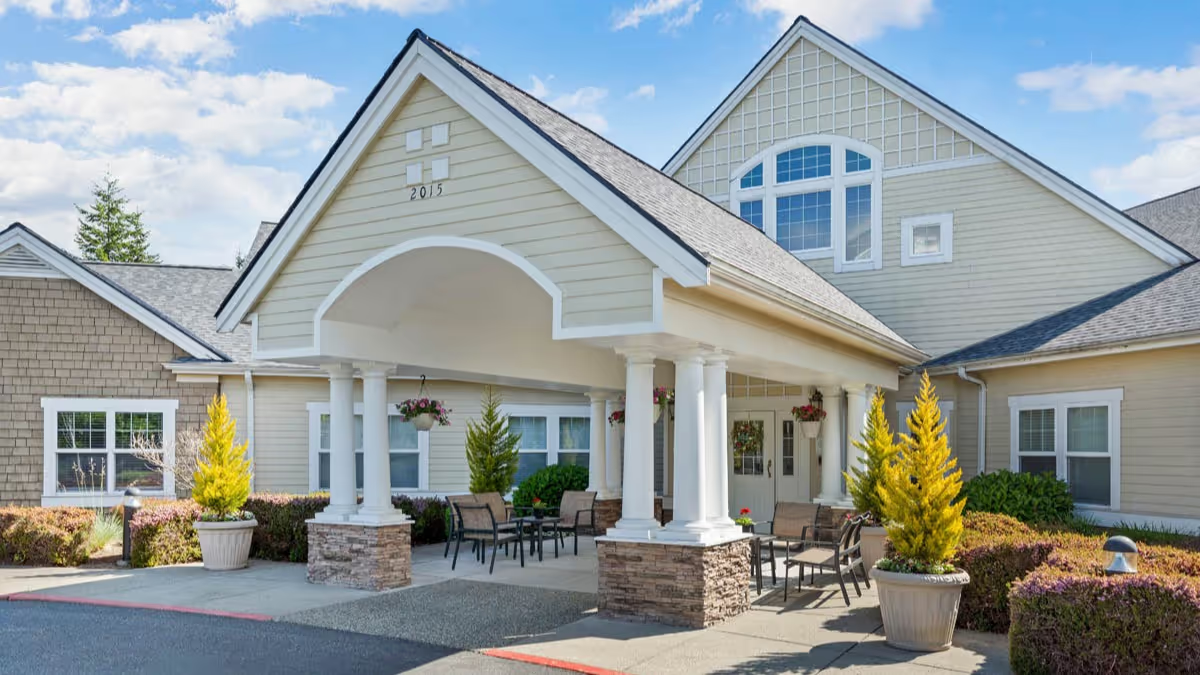
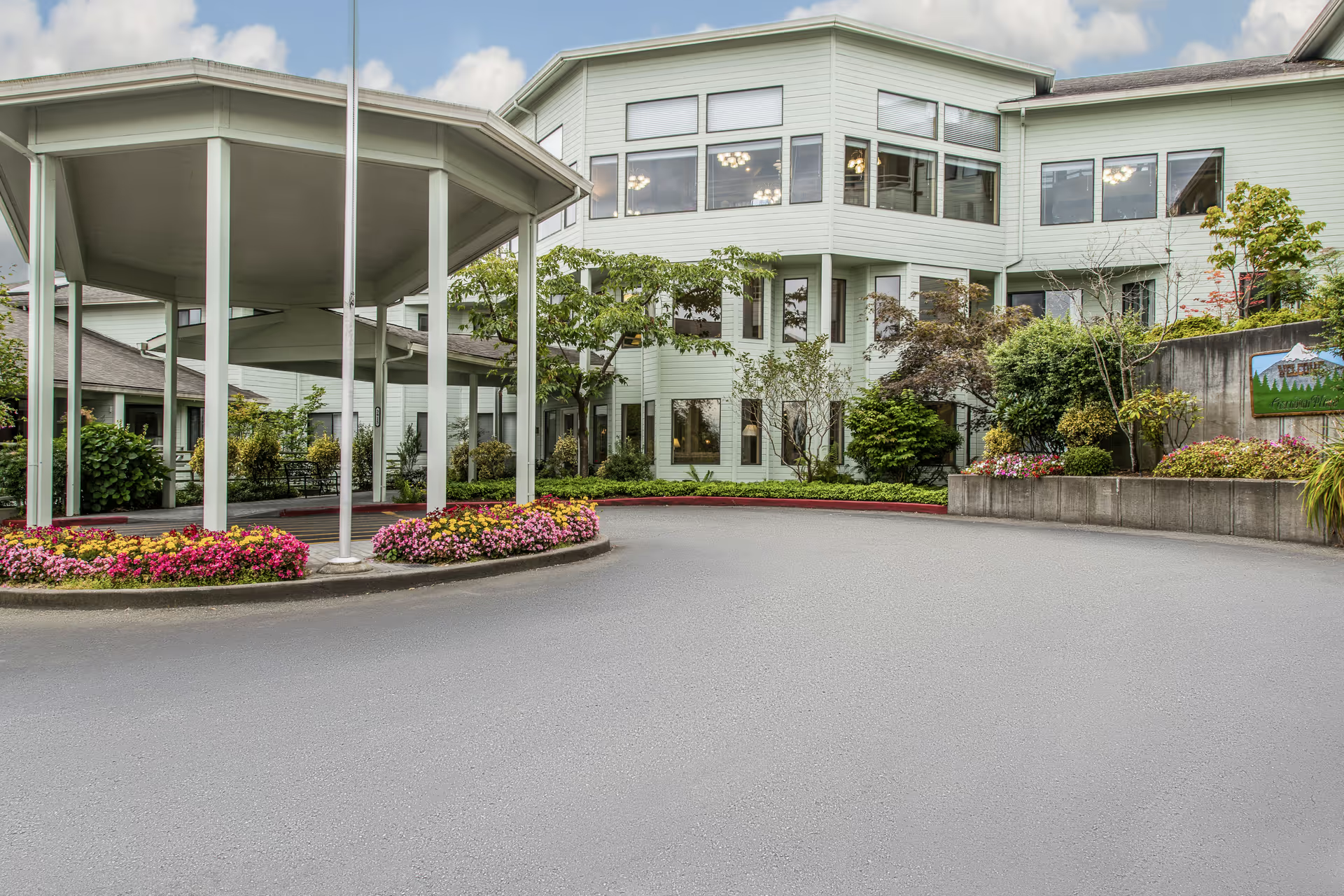
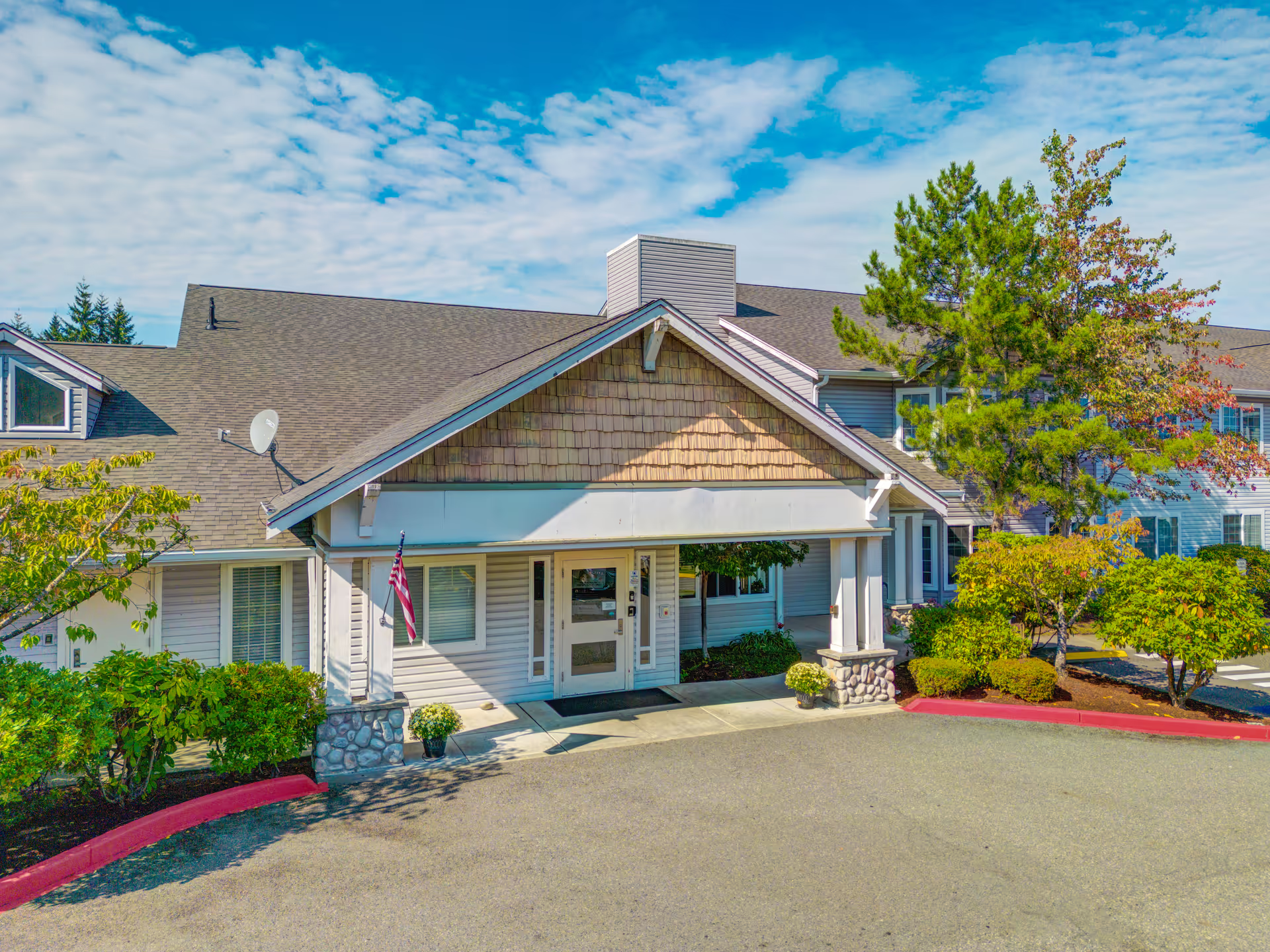
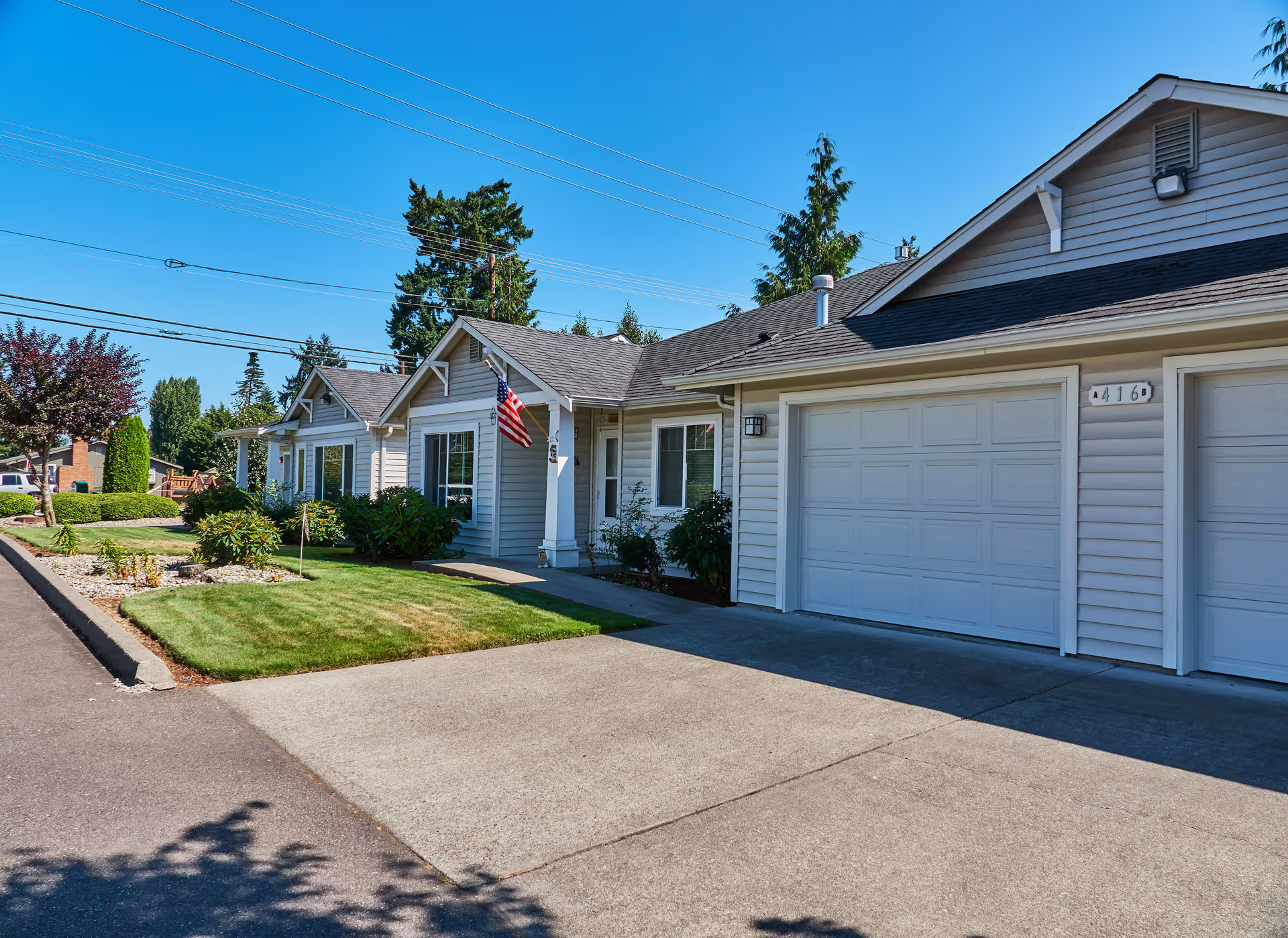
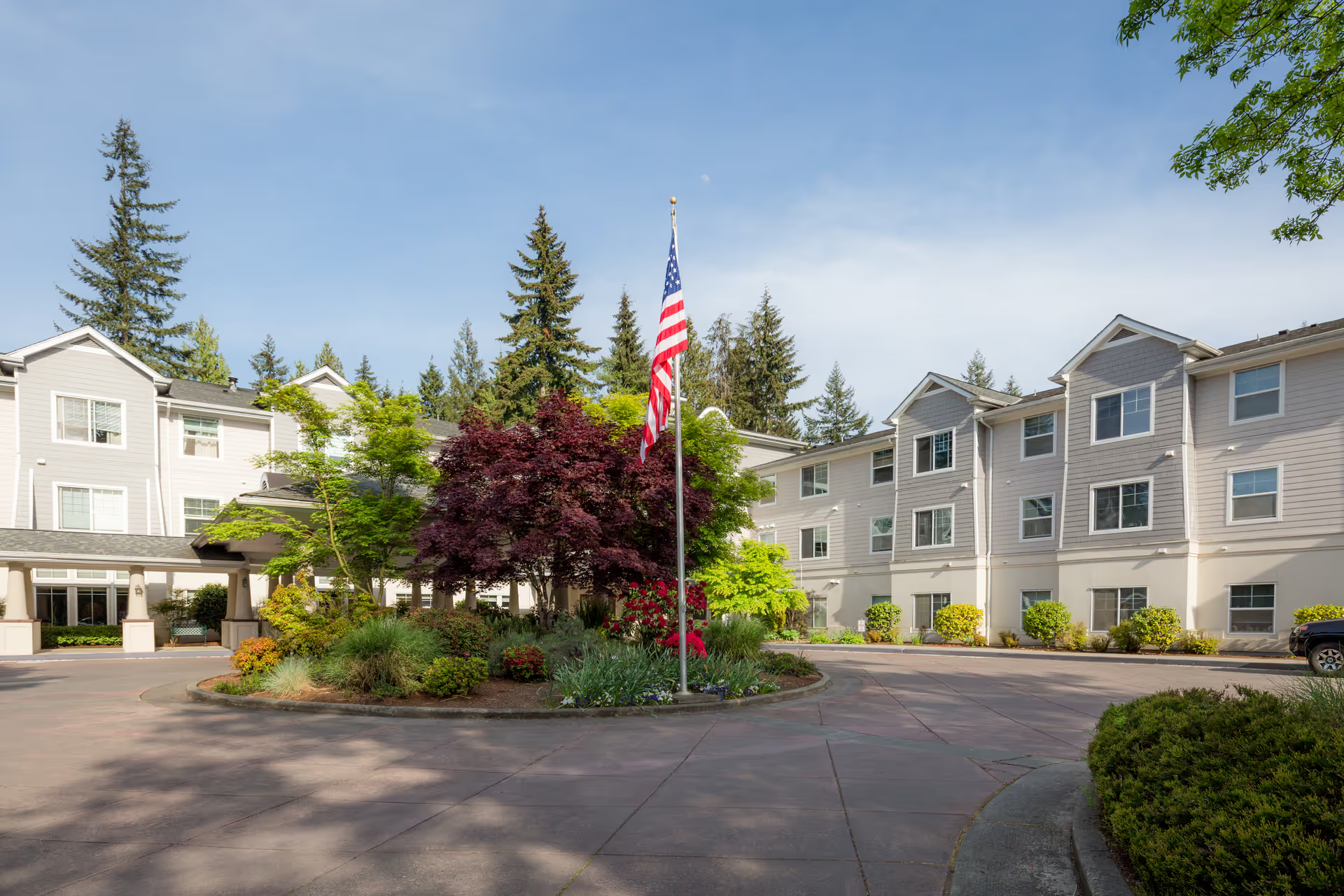
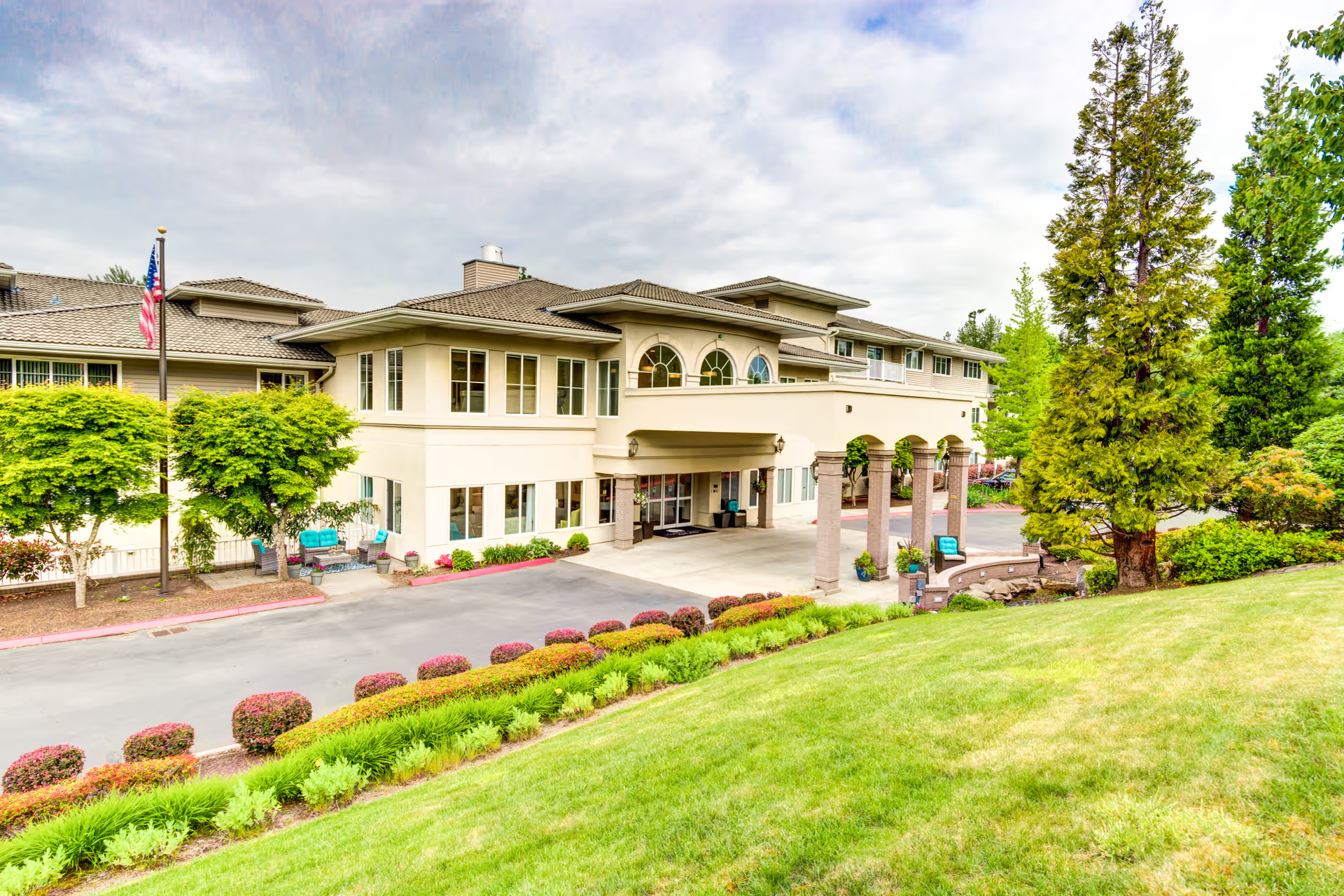
Reviews for The Cottages of Snohomish show a pronounced split between strong frontline caregiving and persistent operational weaknesses. Many families praise direct-care staff—a number of comments describe compassionate caregivers, attentive med technicians, knowledgeable nurses, and good continuity with long-tenured aides. The cottage-style environment, secure memory-care neighborhood, well-kept grounds, and on-site therapy and hospice coordination are recurring positives that contribute to a home-like atmosphere for residents.
Despite those strengths, recurring themes point to systemic problems that affect care reliability. Chronic understaffing and high turnover are frequently cited and are associated with delays in personal care (including bathing and incontinence-care needs), missed or late medication administration, and inconsistent assistance with dressing and daily routines. Several reviews describe medication-management shortcomings such as timing errors, unsecured medications, and inconsistent pharmacy practices; collectively these indicate weak medication-administration controls and gaps in clinical oversight.
Housekeeping, laundry, and maintenance appear uneven across the community. Multiple accounts reference missed room cleanings, delayed linen service, slow repair of fixtures and appliances, and sanitation or pest-control concerns in portions of the facility. Dining quality is variable: some families praise home-style meals and social dining, while others note cold service, limited diabetic or special-diet accommodations, and irregular meal delivery. Activity programming is similarly inconsistent—there are reports of a proactive activities director and engaging events but also of cottages with limited organized activities.
Communication and management stability are important patterns to note. Reviews describe periods of responsive leadership and visible follow-through under certain directors, contrasted with times of frequent ownership and management turnover that coincide with degraded service and morale. Families report problems with incident follow-up, delayed notification after hospitalizations, unclear billing and added fees, and occasional security or property-loss concerns. A small number of serious allegations, including injuries and a resident death, prompted regulatory attention and state inspection activity; these accounts underscore the importance of asking about inspection history and corrective actions during a tour.
For prospective residents and families: weigh the evident strengths in frontline caregiving, cottage atmosphere, and proximity to family against recurring operational concerns. When evaluating the community in person, request current staffing ratios, the facility’s most recent inspection and corrective-action reports, medication-handling policies, housekeeping and laundry schedules, examples of the activities calendar, sample menus (including diabetic options), and details about ownership/management tenure. Those targeted questions will help clarify whether the positive caregiver culture currently in evidence is supported by consistent operational practices and leadership stability.