Overall impression: Review summaries convey a consistently positive experience around direct care and the facility’s atmosphere. Families highlight an engaged, compassionate staff and hands-on ownership that contribute to a warm, home-like environment. The facility’s smaller scale and single-level layout are repeatedly cited as strengths that support personalized attention and easier mobility.
Care and staff: Care quality is described as attentive and individualized. Multiple comments emphasize staff members who take personal interest in residents, administrators who are visibly involved, and office personnel who are responsive. That culture appears to support good day-to-day assistance and comfort for residents; reviewers often used language indicating trust in the caregiving team. At the same time, there are notes about communication variability—families sometimes would like more consistent updates about resident progress and event scheduling.
Dining and activities: Dining receives positive comments; meals are generally described as pleasing and well-liked, and sample menus were appreciated. Activity programming is a clear strength in many accounts: an active, tailored schedule, holiday events, social encouragement, and specific offerings (fitness classes, salon services, community features) contribute to resident engagement. A few comments indicate that programming has been in transition and that schedules can be variable, suggesting the activity calendar may be improving but not uniformly consistent.
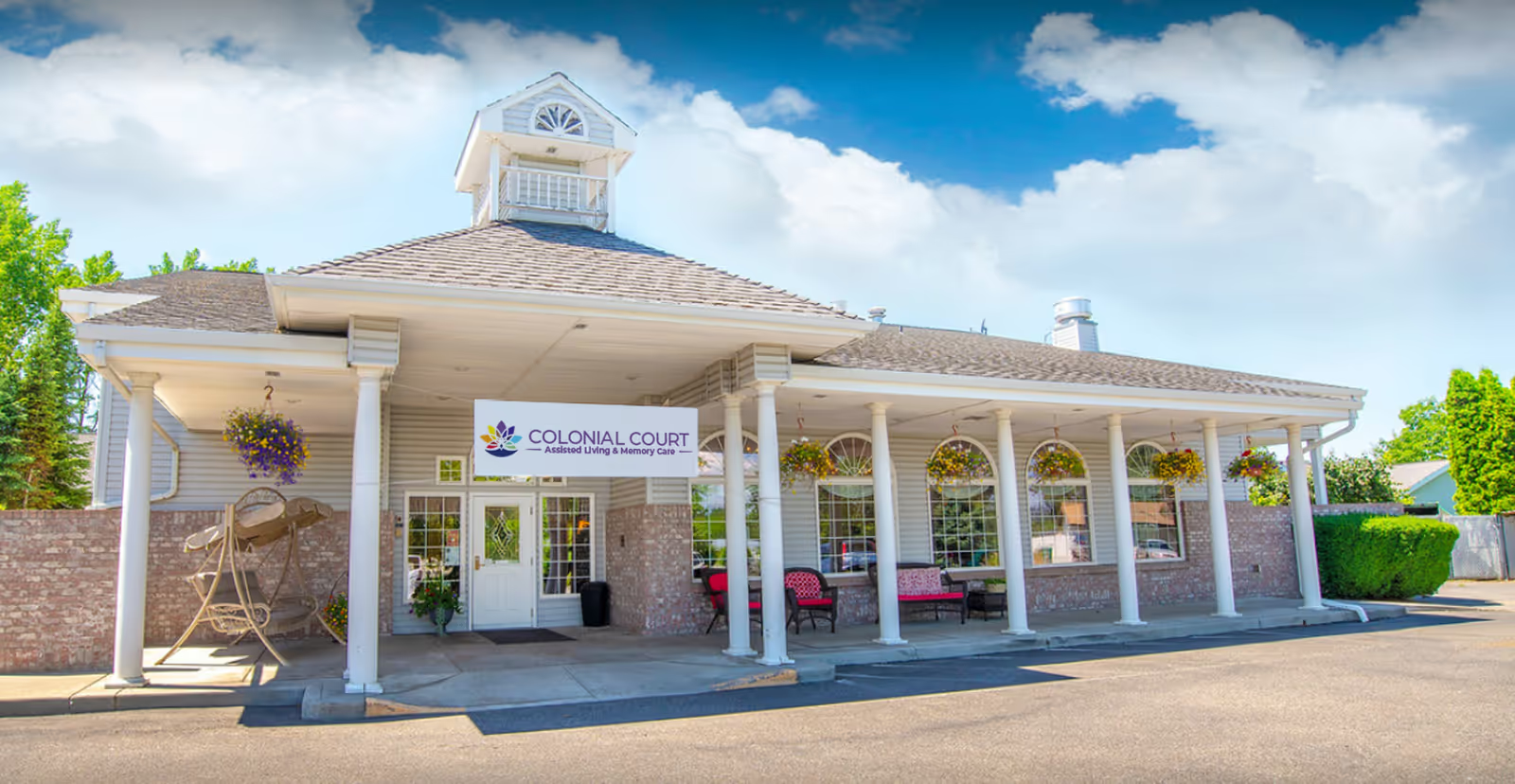
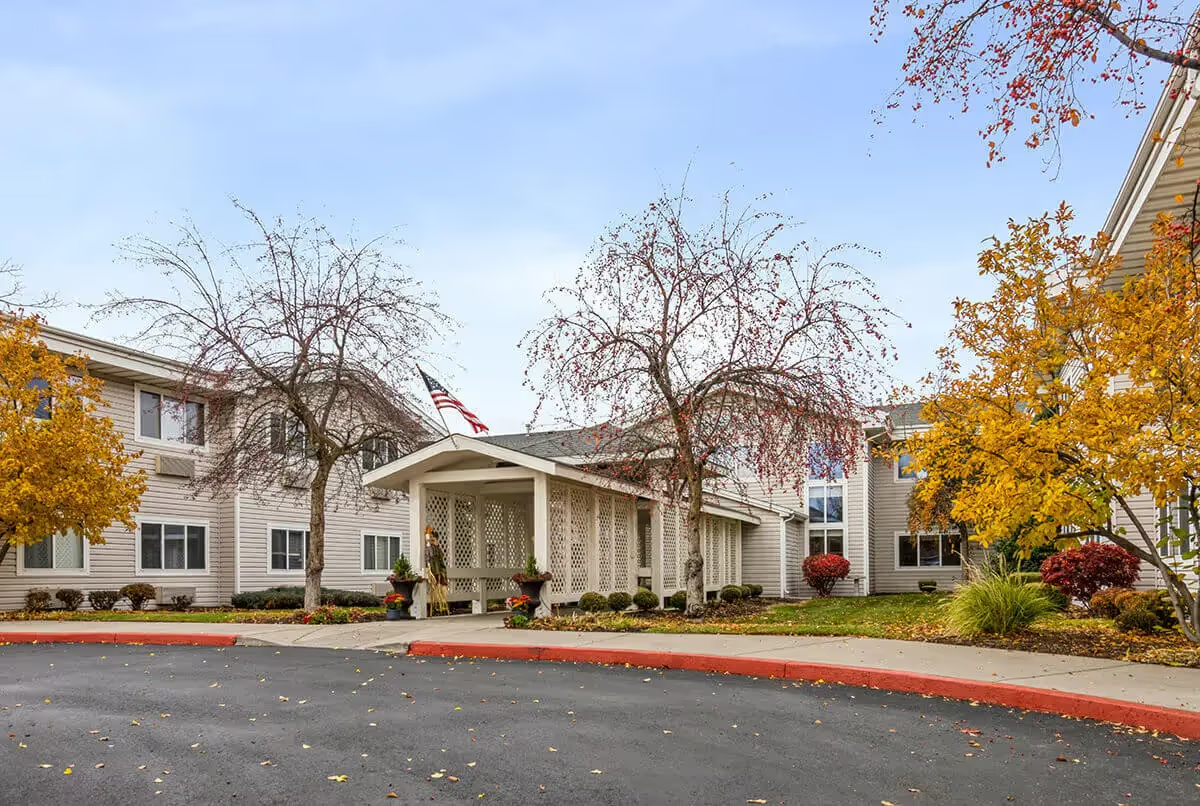
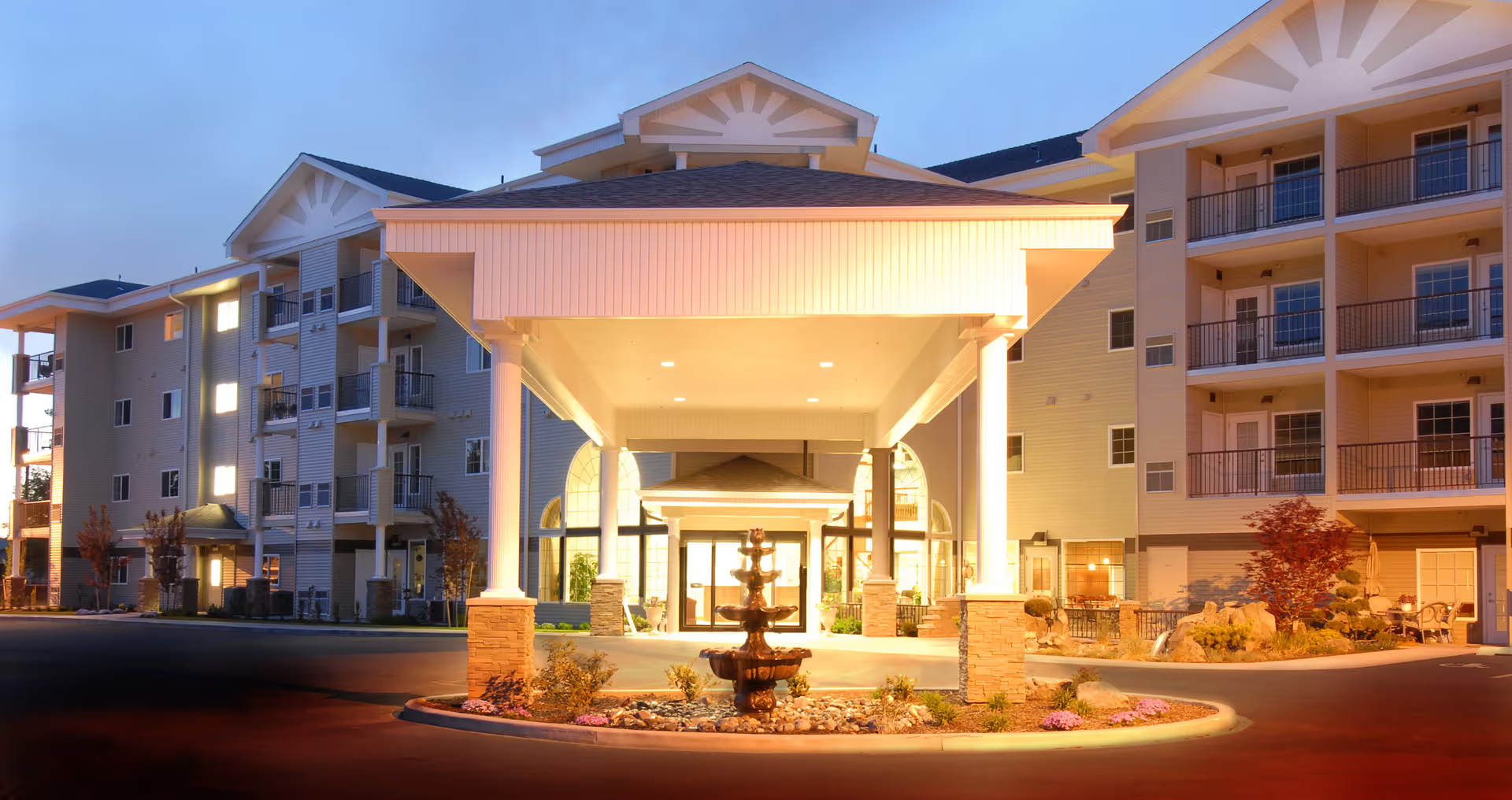
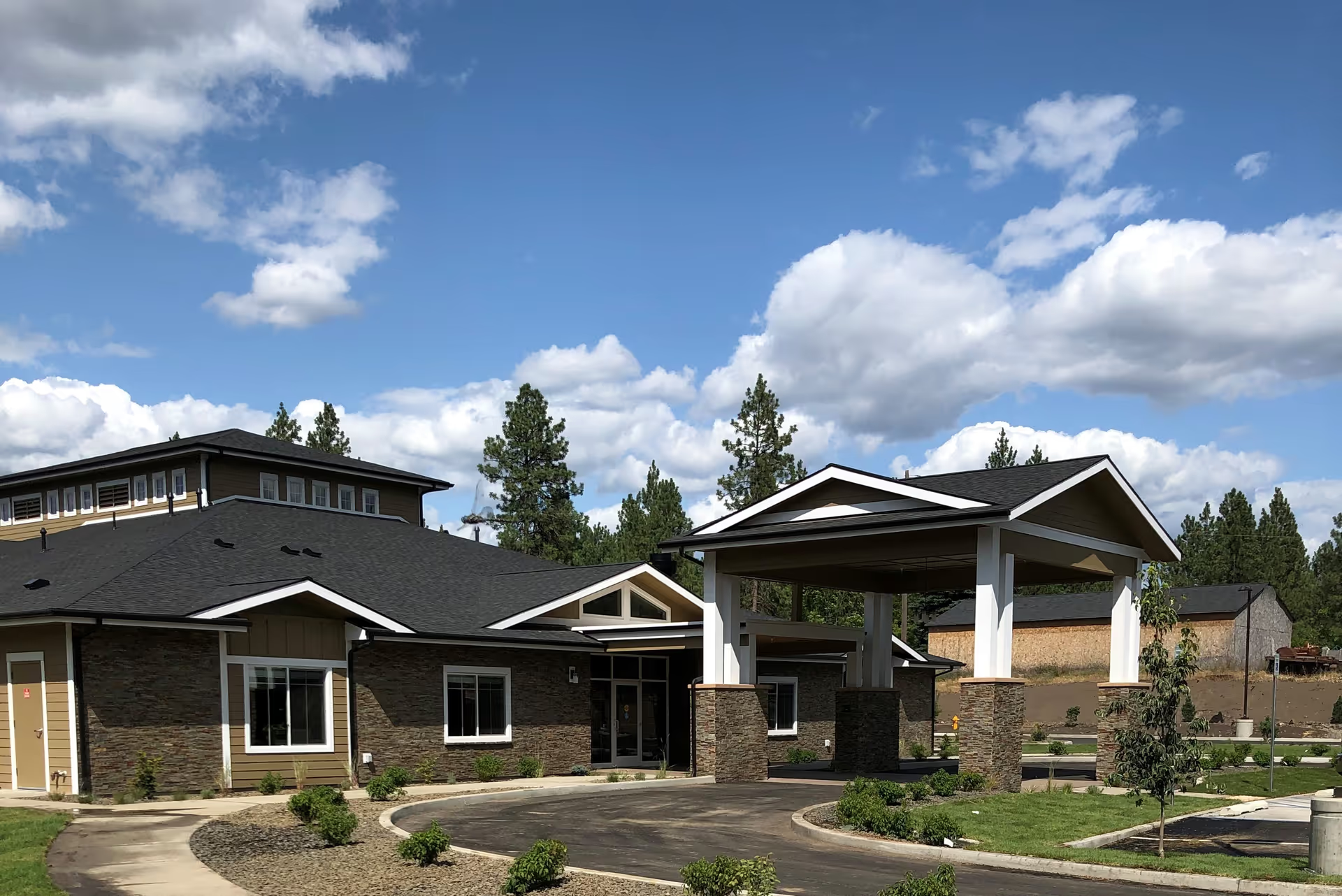
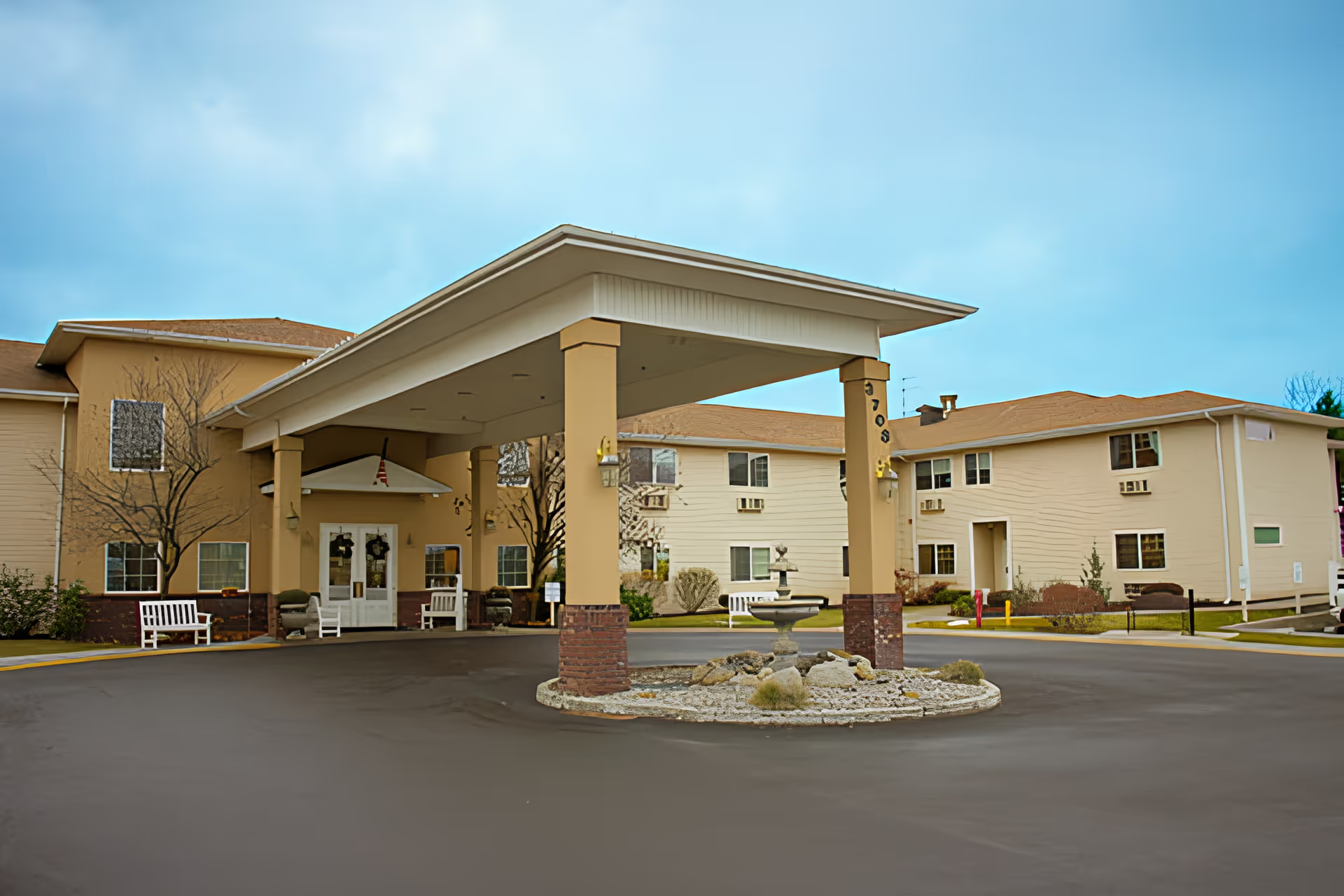
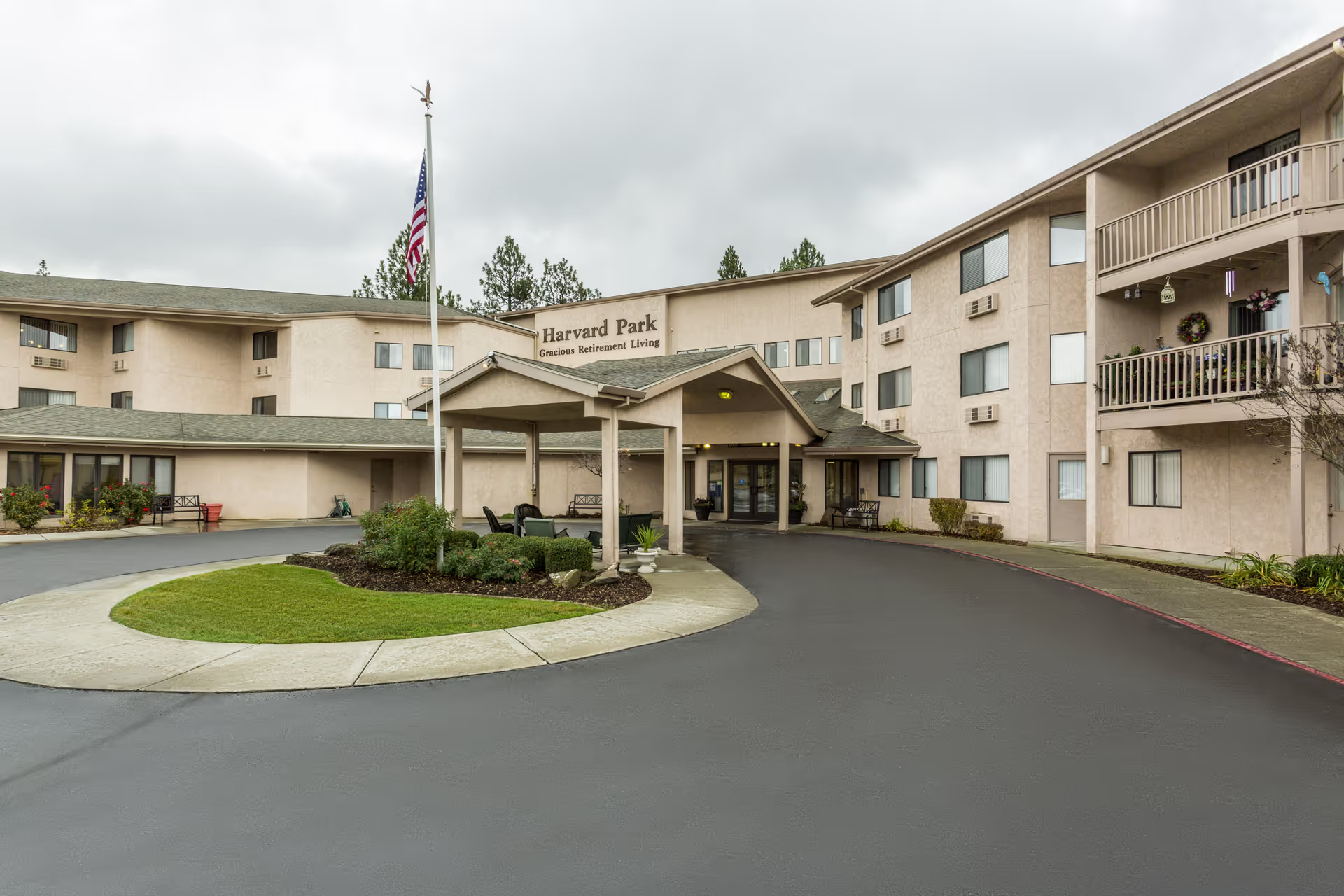
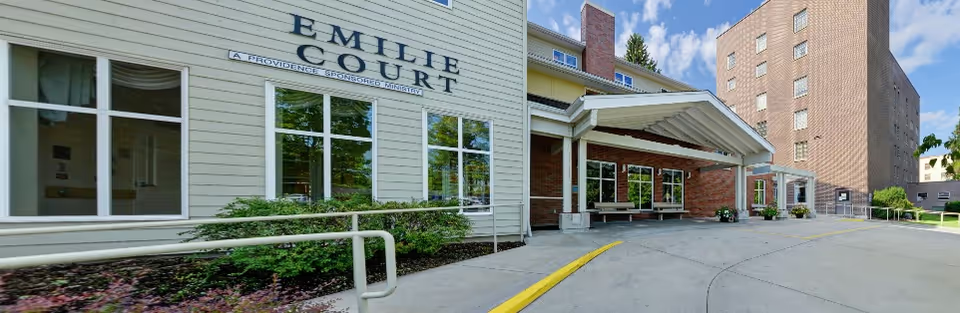
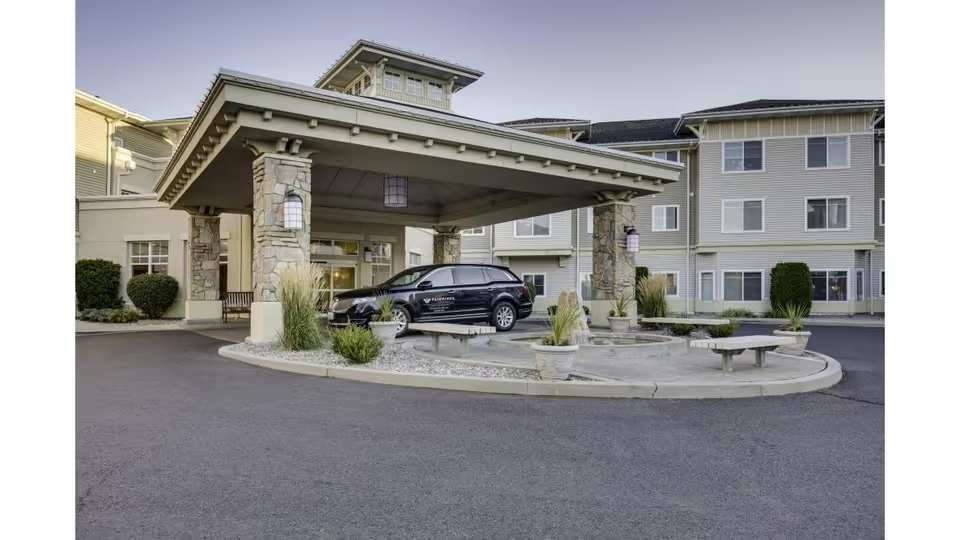
Facilities and location: The physical plant is frequently described as clean, bright, and well maintained, with attractive common areas, patios, gardens, and an on-site salon. The single-level design is noted as helpful for mobility. Conversely, the small footprint contributes to operational constraints: limited parking, occasional crowded or cramped common spaces, and constrained access in a central location were mentioned. These layout and access limitations may affect families who expect extensive visitor parking or larger private spaces.
Management and operational patterns: Hands-on ownership and an involved administrator are recurring positives; reviewers feel leadership is resident-focused. Operational weaknesses that appear across summaries include restrictive visitation practices (including appointment requirements) and occasional lapses in timely family communication. Pricing perceptions are mixed: some families perceive good value, while others find costs relatively high compared with alternatives. The small size that fosters personalization also limits capacity and private-room availability.
Notable patterns and guidance: The dominant pattern is strong interpersonal care and a comfortable, domestic environment supported by engaged staff and owners. Prospective residents and families should weigh those strengths against practical limitations such as parking, occasional crowding, visitation procedures, and potential variability in activity scheduling. A recommended next step would be an in-person visit or a guided tour that clarifies visitation policy, parking/arrival logistics, private-room availability, and the current activity calendar to determine fit for specific needs and expectations.