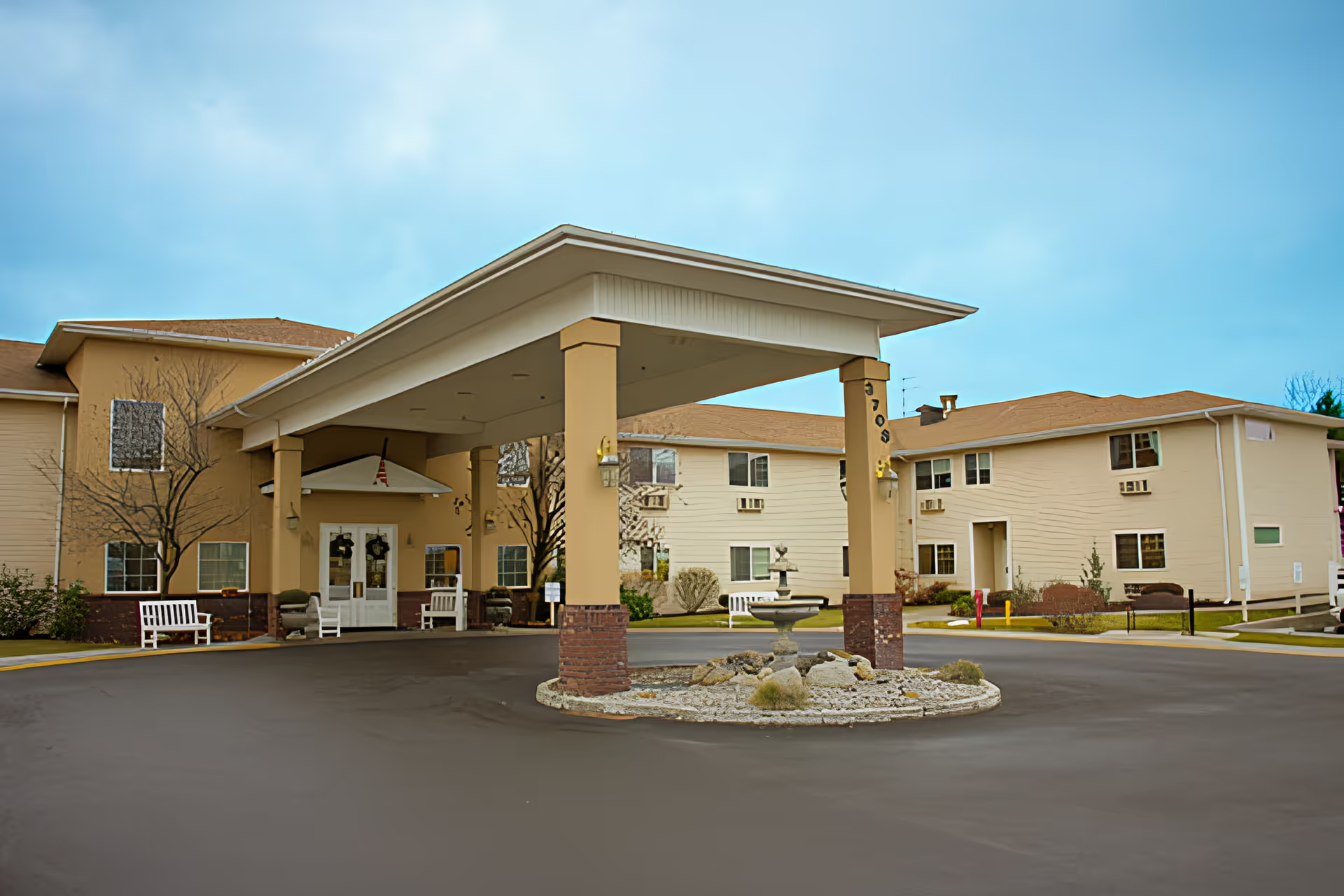
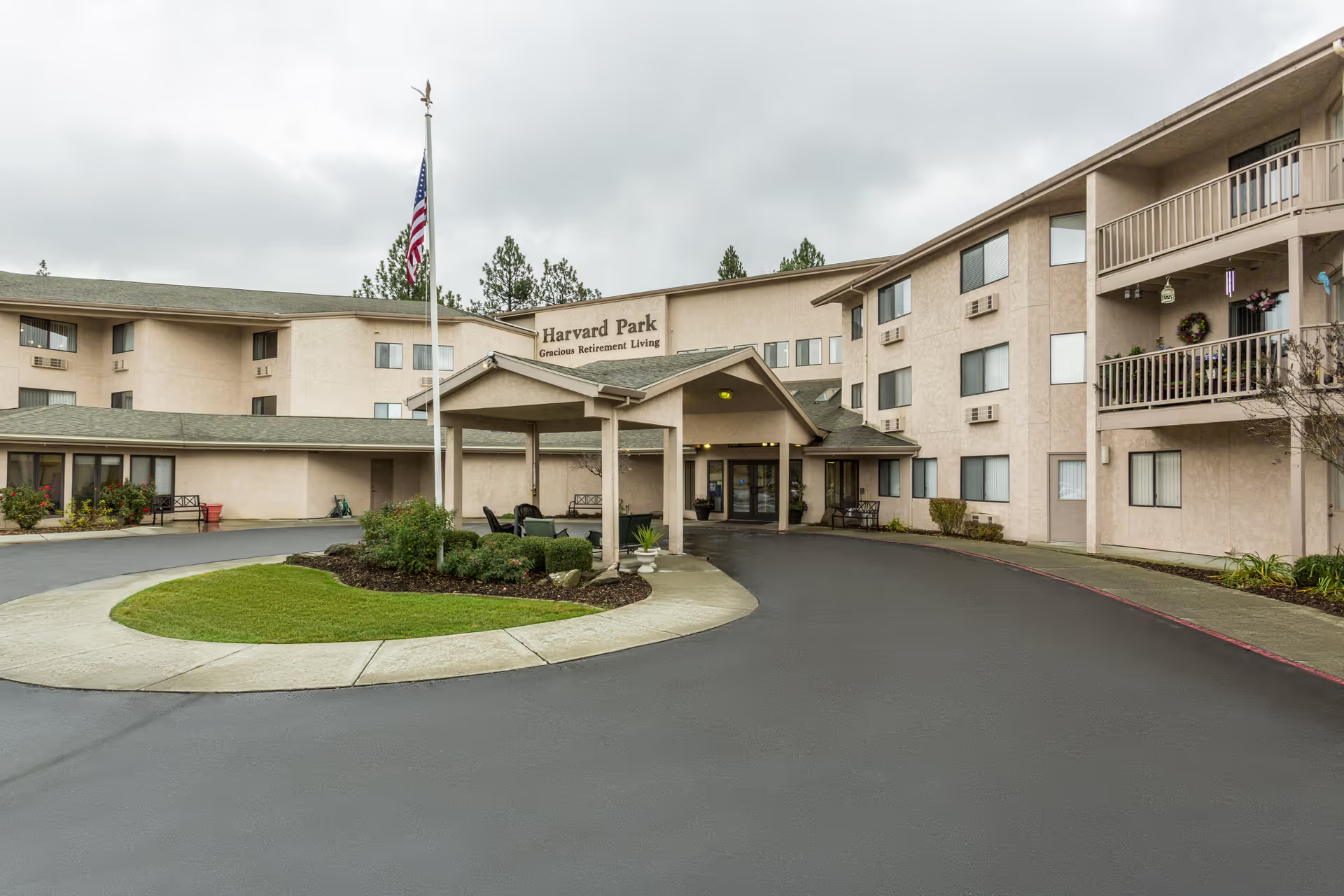
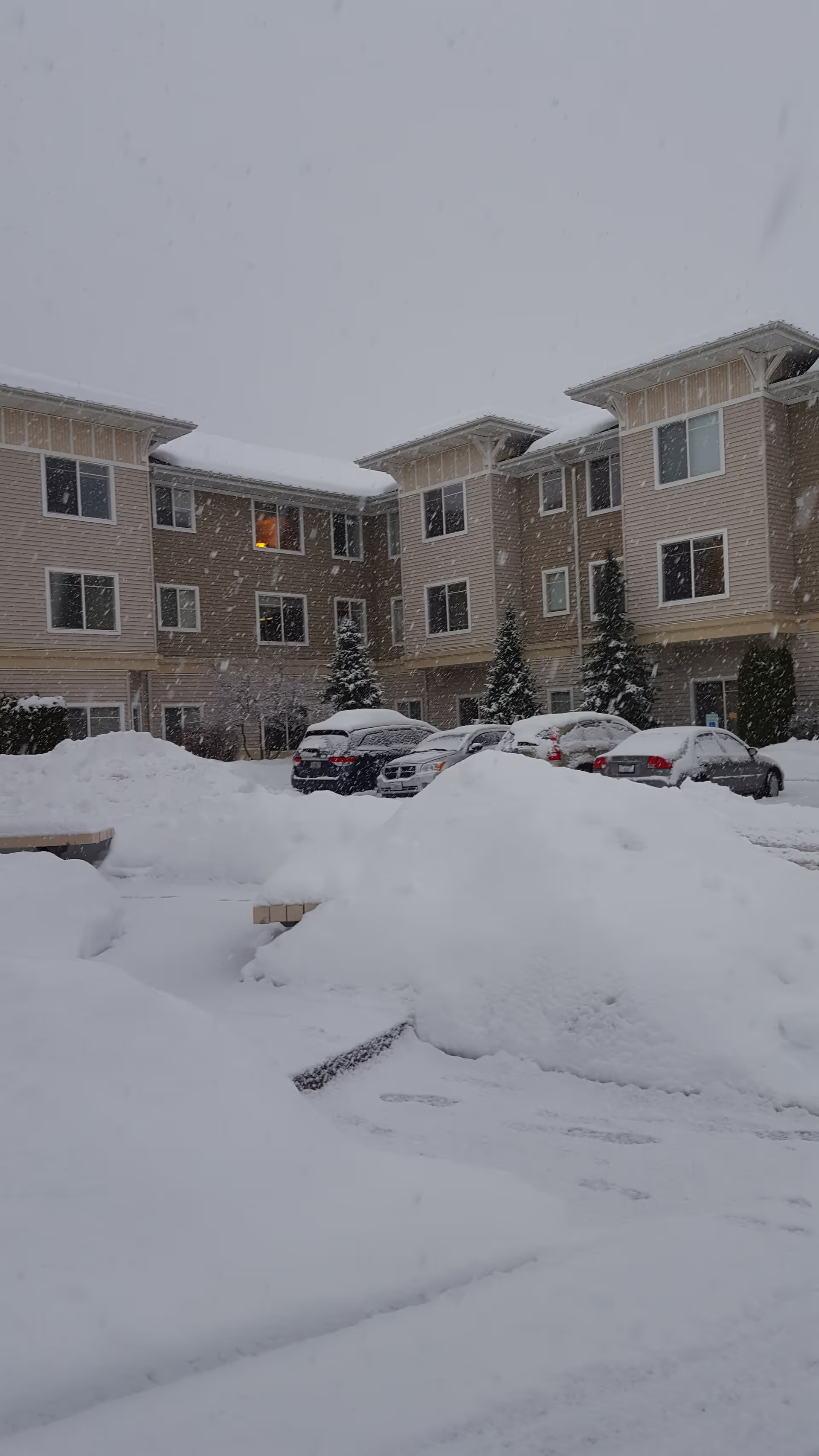
Riverside Senior Living elicits strongly mixed experiences. Many families and residents describe a comfortable, park-like campus with robust social programming and a visible nursing presence, and several long-term residents report high overall satisfaction. The community offers an extensive activity calendar (themed dinners, happy hours, birthday events), engaged culinary staff with rotating menus, and three levels of care on a large, well-maintained property that supports independent living and social connection for residents who take part.
Care and staffing present a clear contrast. Positive accounts emphasize compassionate, polite caregiving teams and capable nursing staff who respond to clinical needs and emergencies. However, a recurring operational pattern is inconsistent staffing levels: caregivers are frequently described as stretched thin, which is associated with delays in personal care, inconsistent assistance schedules, and occasional inability to deliver promised services. High turnover and concerns about wage levels are cited as drivers of staffing instability.
Dining and housekeeping are similarly mixed. Many reviews praise food quality, menu variety, and attentive servers or chefs who engage with residents. At the same time there are recurring complaints about variability in meal quality, interruptions or lapses in meal-service continuity, and sanitation or odor concerns in some common and dining areas. Housekeeping is described as quiet and efficient by some, while others describe uneven cleanliness in certain spaces.
Activities and facilities are clear strengths. The 12-acre campus, gardens, guest suite, and visible activity programming support socialization and resident engagement. Emergency-response procedures are described as organized in multiple accounts, and residents who participate in community life report enjoyment and fulfillment.
Management and operations generate the most divided feedback. Positive notes reference dedicated staff and attentive leaders; negative observations describe leadership as disorganized, unprofessional, or focused on financial metrics, with several accounts of broken promises around staffing and services. Communication gaps between administration and families during clinical or care events are another recurring theme, as is perceived lack of transparency during the admissions process.
Notable patterns: experiences are polarized—many residents and families report very positive long-term outcomes, while others raise operational concerns that materially affect care and daily life. Prospective families should perform targeted due diligence: ask about current staffing ratios and turnover, observe meal service and housekeeping during a visit, review recent health inspection records, clarify contractual guarantees about services and fee increases, and request examples of how clinical incidents and family communications are handled. These steps will help determine whether Riverside’s strengths align with a prospective resident’s needs and whether the operational concerns have been addressed to the family's satisfaction.