Sunshine Health & Rehab elicits strongly polarized impressions. Many families praise the facility for its compassionate bedside staff, hands-on nursing and aide support, and a highly regarded therapy team that includes effective physical and occupational therapy. The center’s family-owned culture, clean and well-maintained campus, active daily programming, and accessible memory-care and rehab orientation are repeatedly noted as strengths. Several reviewers described smooth discharge planning and good coordination when transitions went well, and front-desk or phone staff were described as helpful and welcoming in many accounts.
At the same time, a cluster of operational concerns appears across reviews. Several families described inconsistent responsiveness to call lights and requests for assistance, which they linked to delays in meal service, toileting support, and timely medication administration. Specific clinical concerns center on medication-handling and diabetes-management practices, including errors or delays that affected glycemic control. Reviewers also cited unreliable meal accuracy and timing for therapeutic diets, and occasional issues with laundry and personal belongings management. These items suggest gaps in day-to-day clinical oversight and operational reliability.
Staffing and communication are recurring themes. Praise for compassionate, professional staff sits alongside reports of variable staff tone and professionalism at the front line. Multiple accounts describe fragmented communication among nurses, therapists, and physicians, resulting in inconsistent documentation, therapy follow-through, and care coordination—sometimes culminating in transfers to higher-level care. Reviewers also raised safety-related patterns, including fall-risk mitigation and bed-rail use, and skin-care outcomes such as pressure injuries in a minority of cases, which point to opportunities for stronger preventive practices.
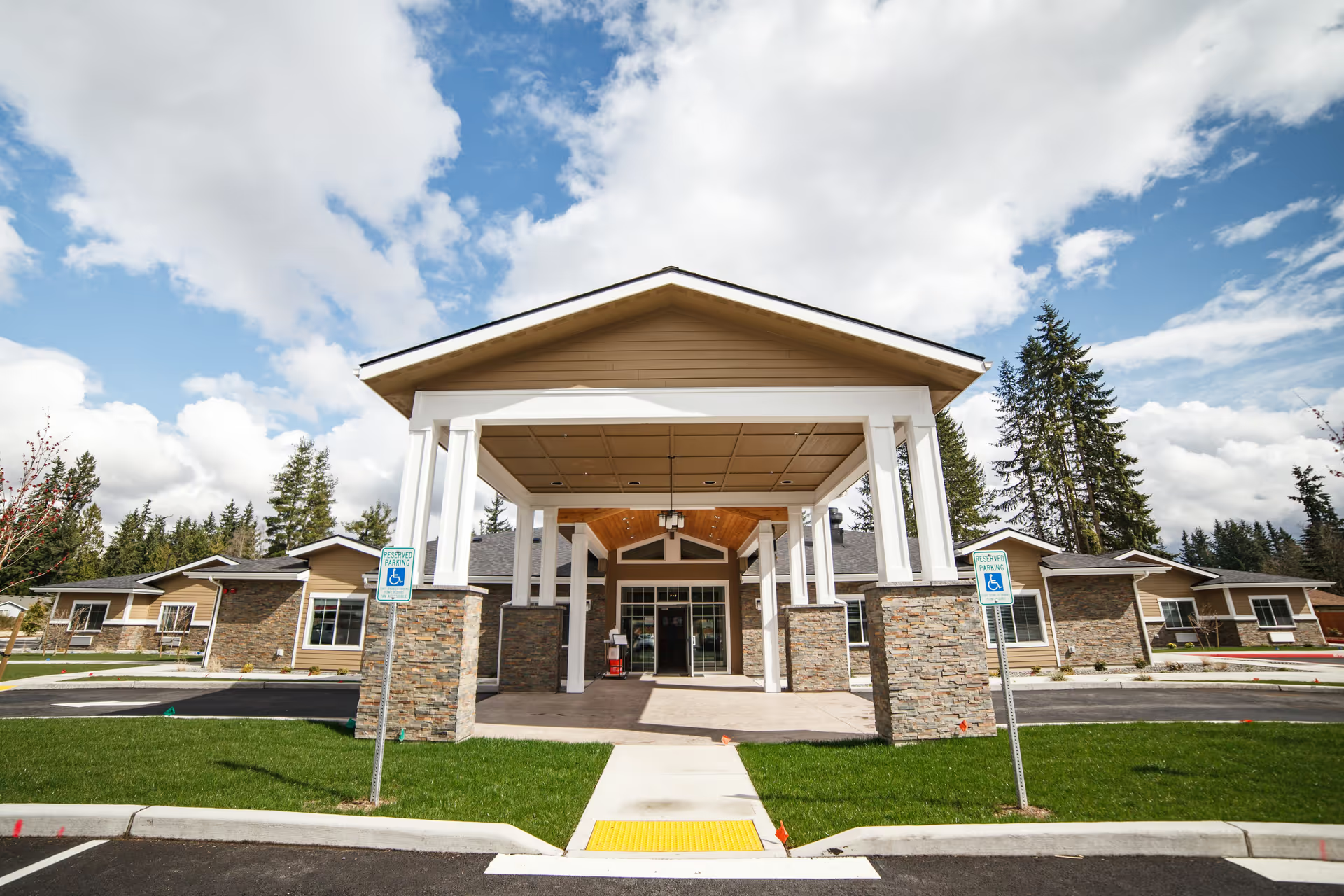
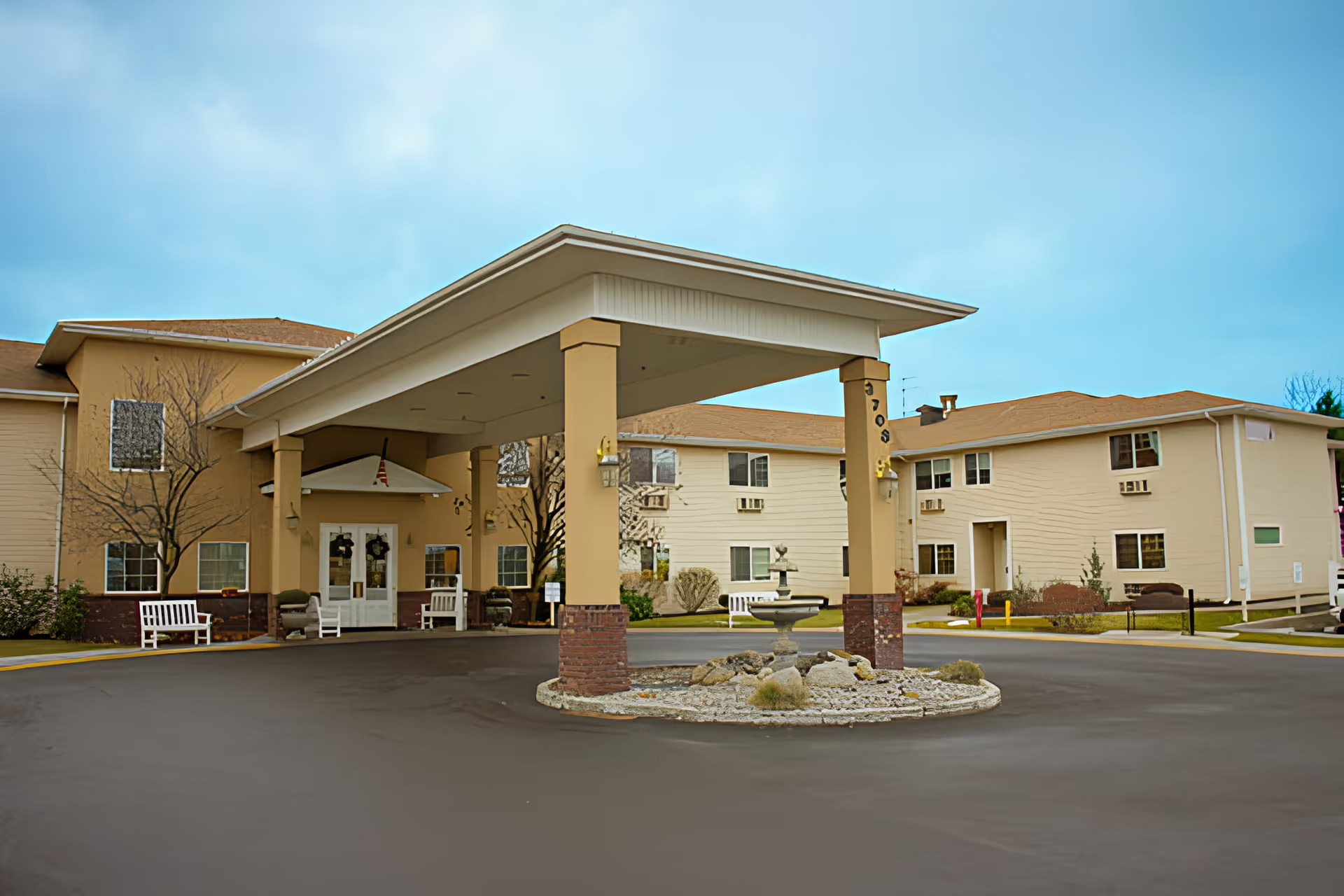
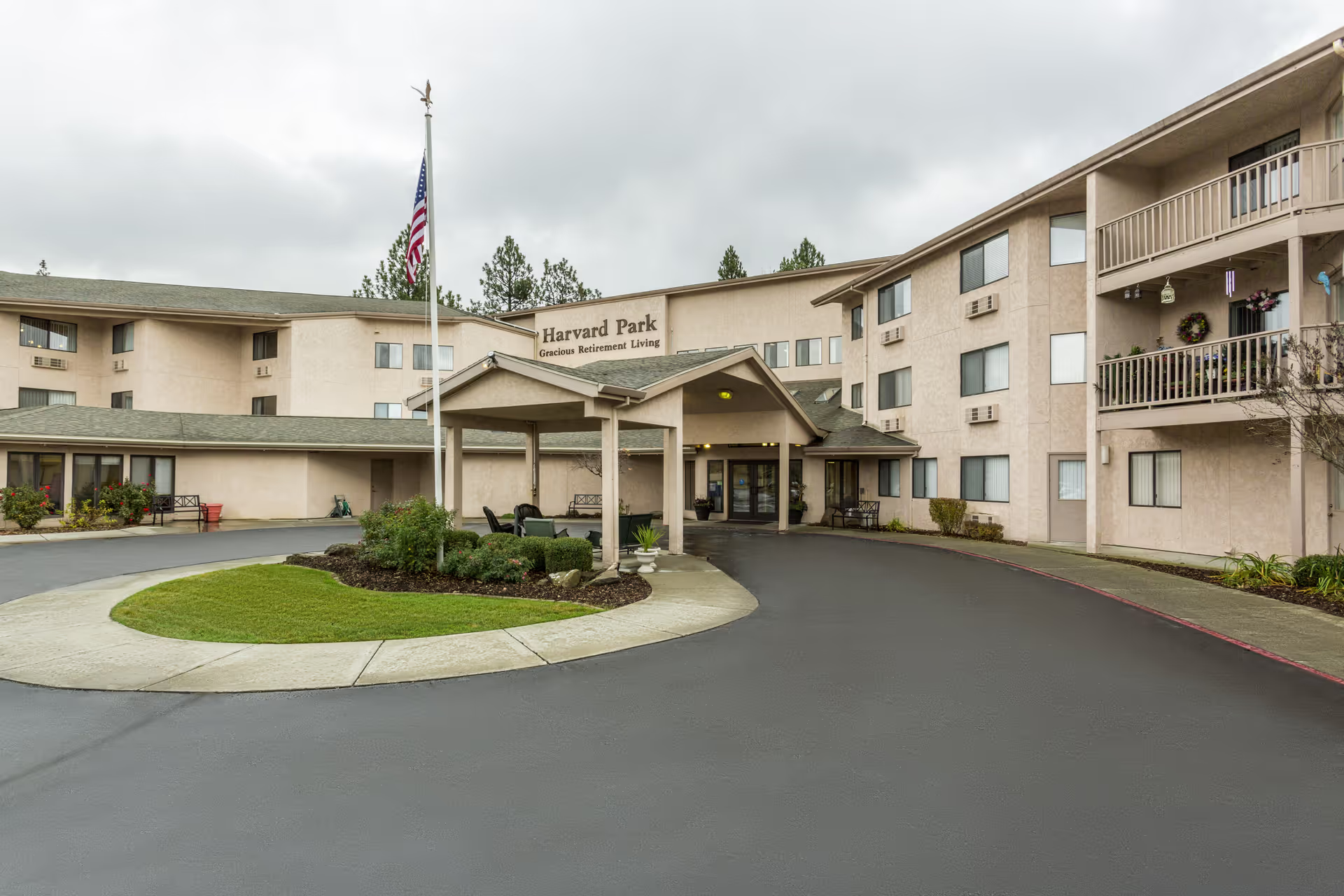
Facility and program strengths remain notable: a generally clean, well-kept environment, an adaptable activity schedule, and a therapy program that has helped many residents regain function. Prospective residents and families should weigh these positives against the operational weaknesses described above. When evaluating the facility, consider asking targeted questions about current staffing ratios and turnover, call-bell response metrics, formal protocols for medication and diabetes management, dietary controls for therapeutic meals, skin-care and fall-prevention policies, therapy intensity and measurable goals, and the facility’s process for communicating with families, especially around clinical changes and end-of-life care.