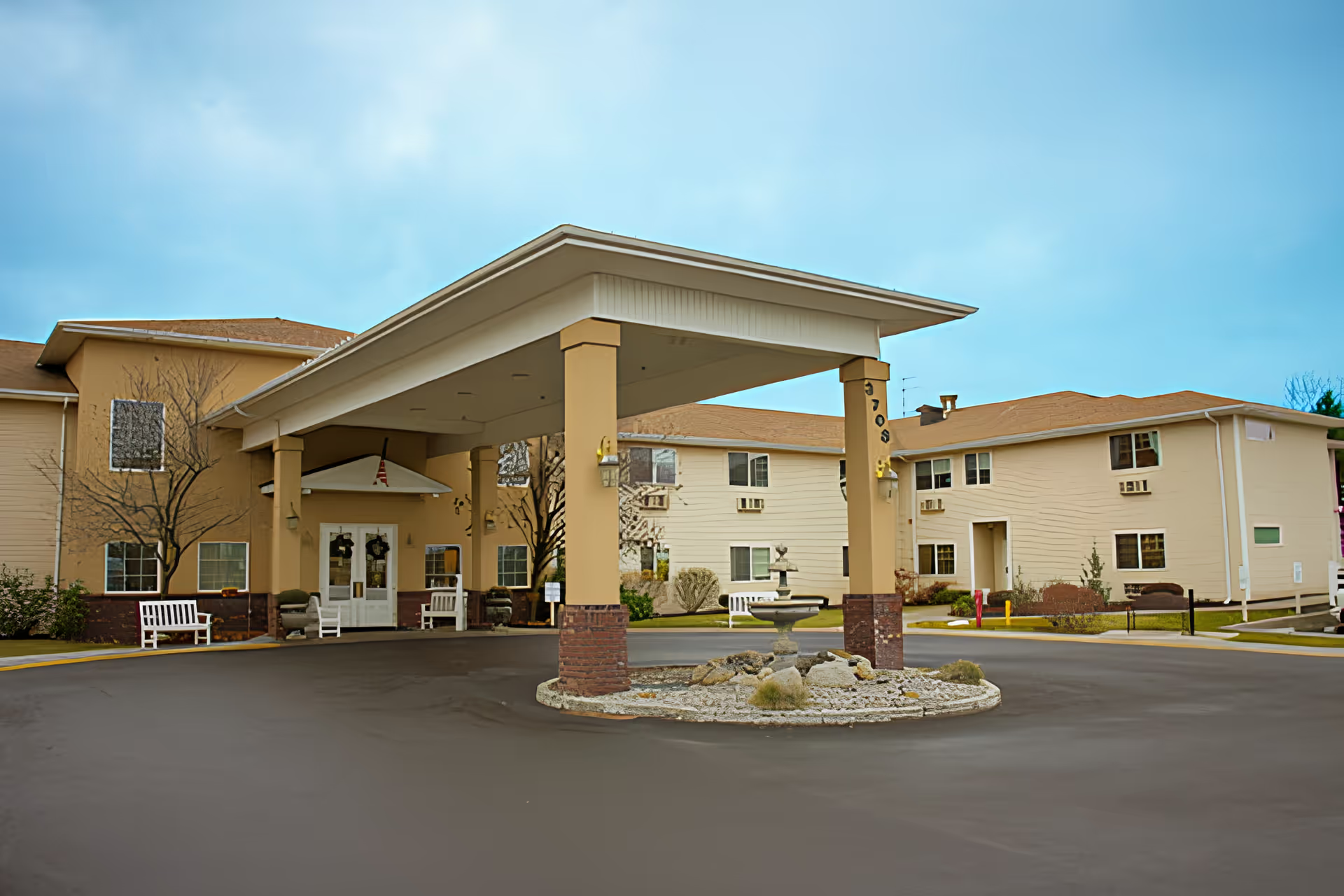
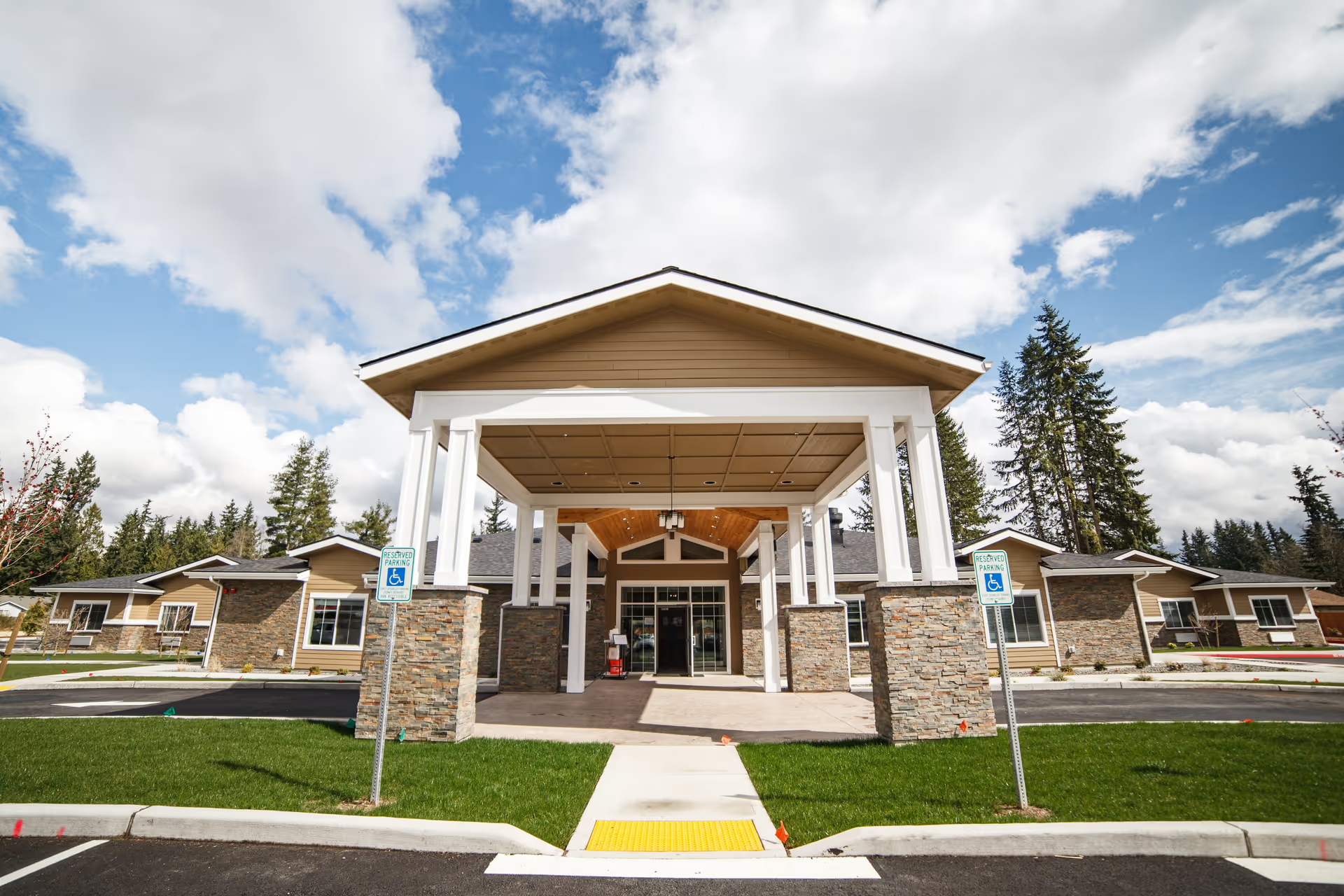
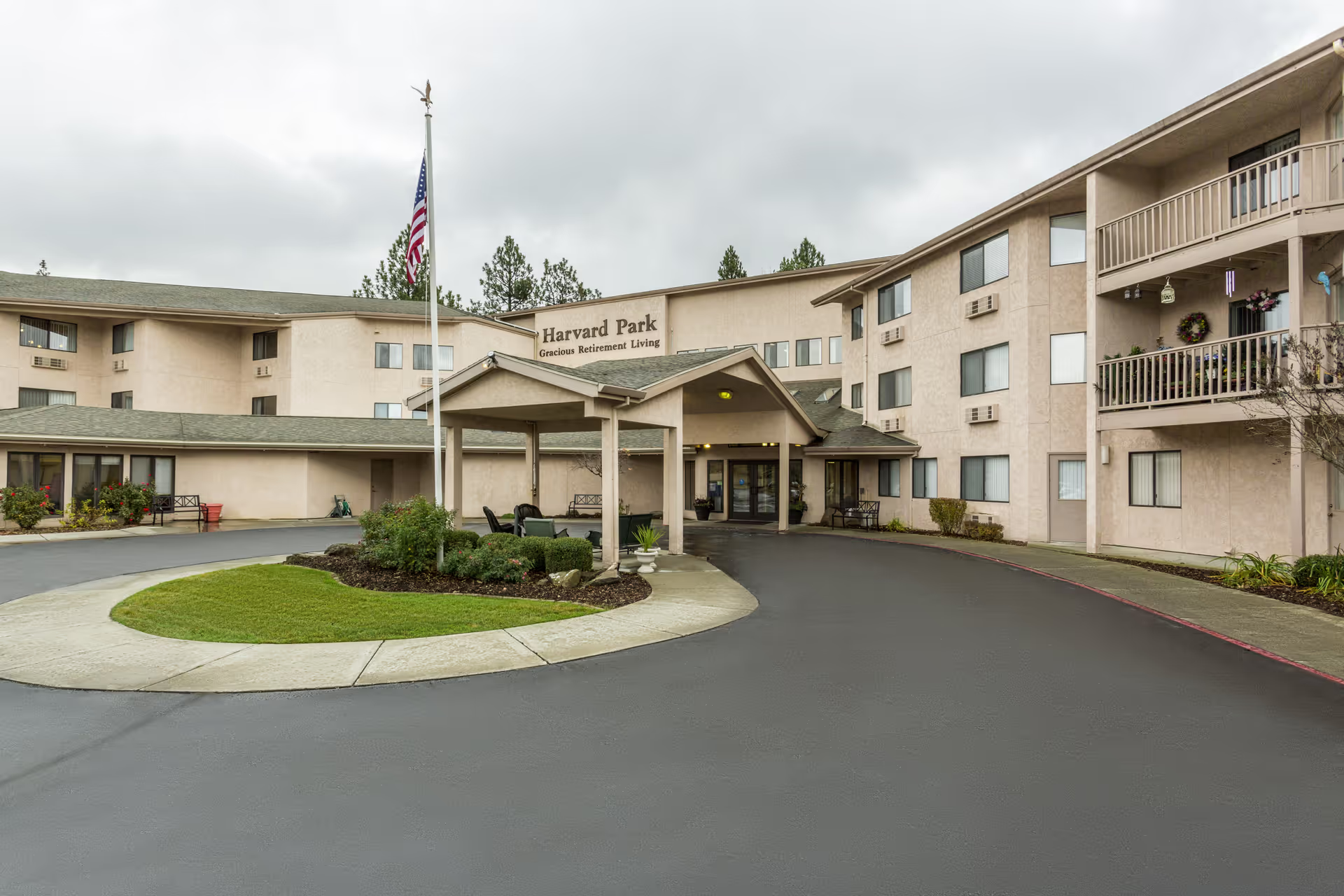
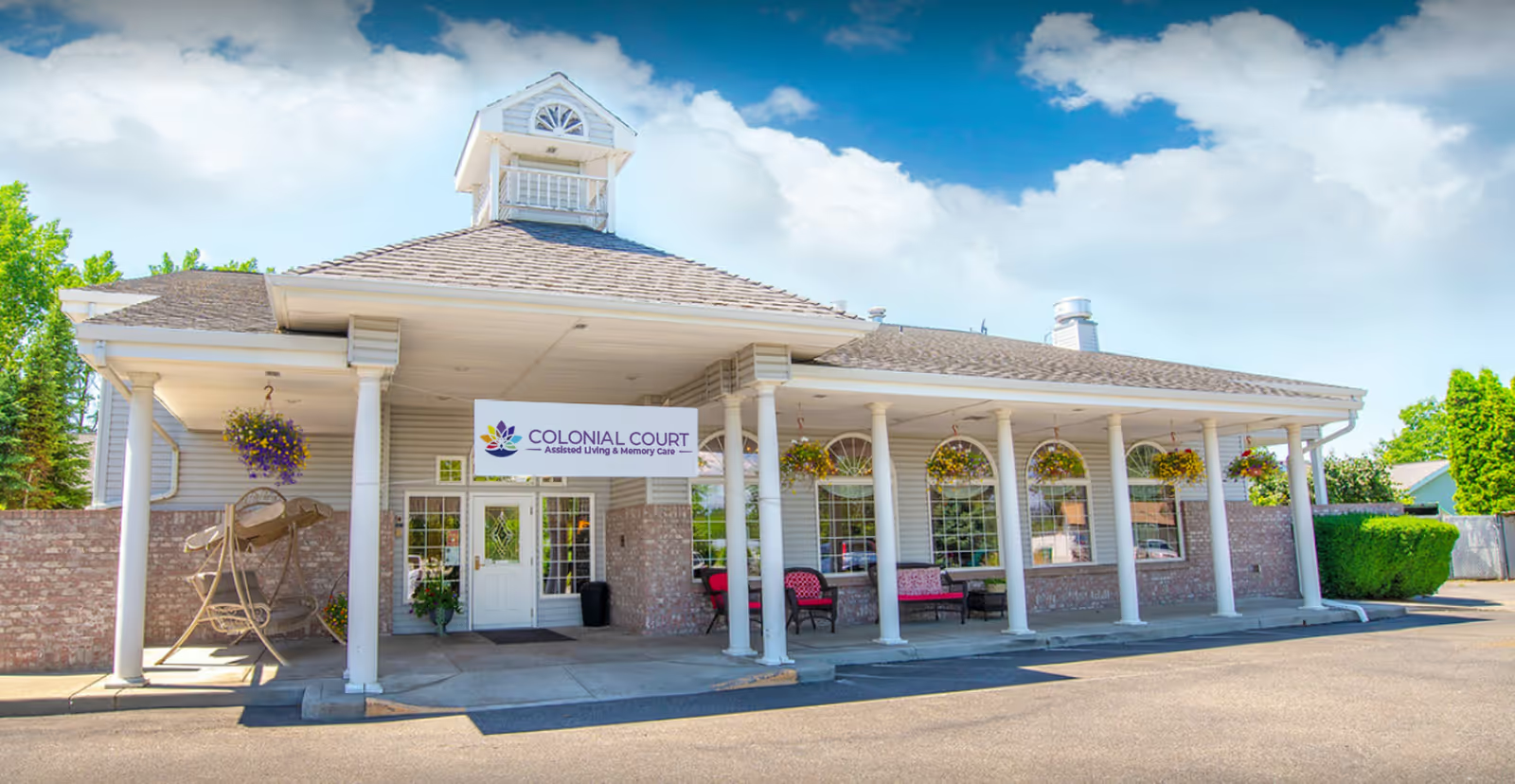
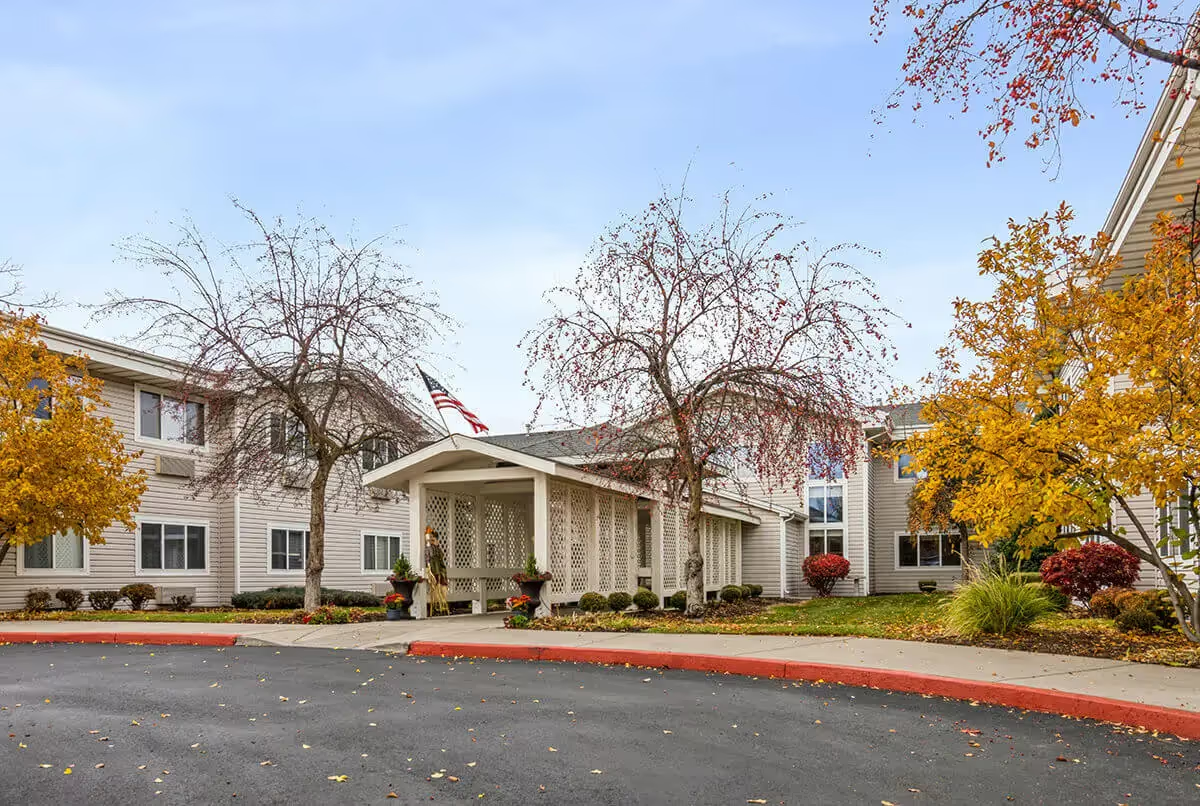
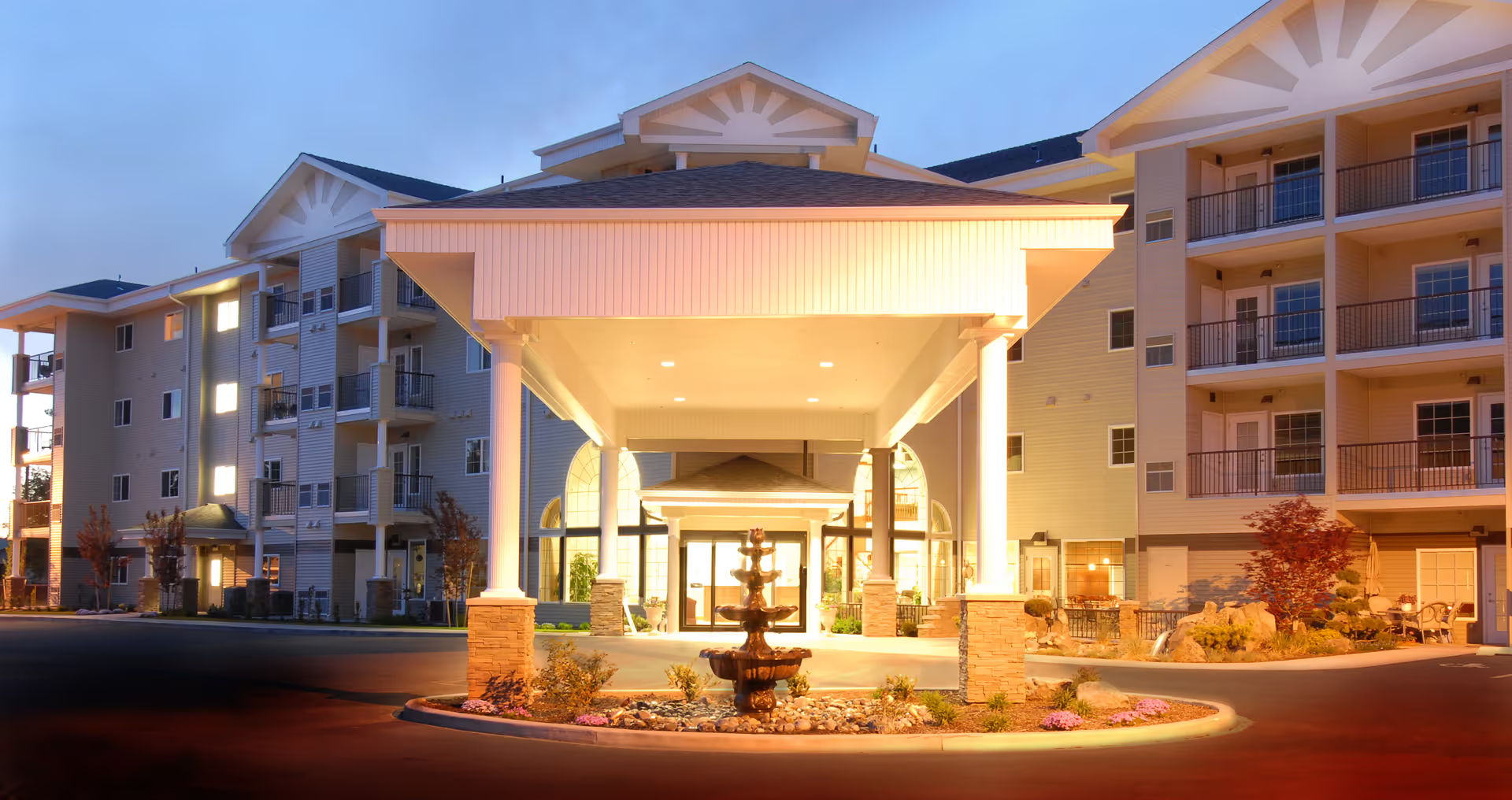
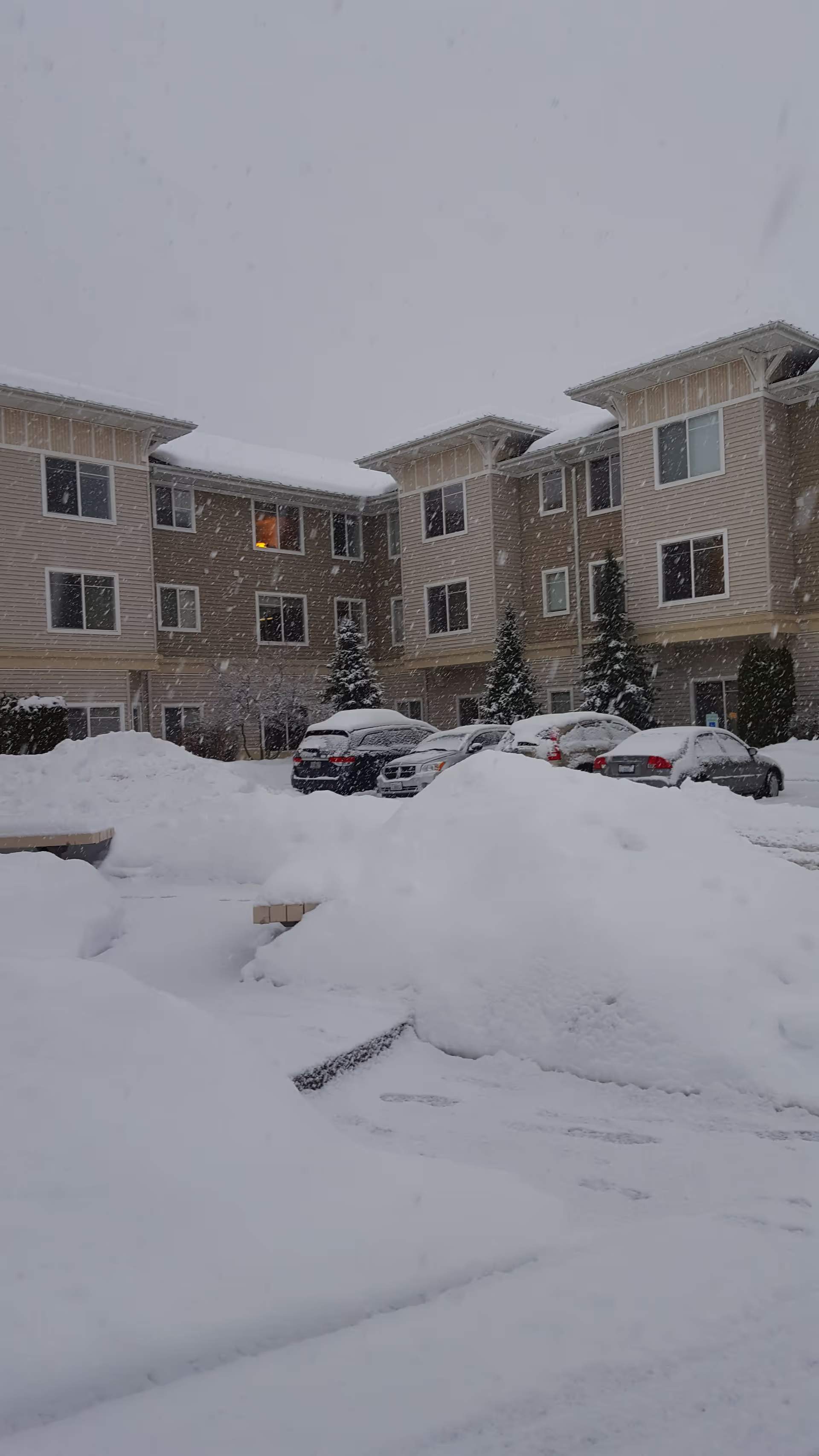
Reviews of Vineyard Park of South Hill show a considerable range of experiences, creating a polarized overall impression. Many reviewers praised the facility’s relational strengths: staff who are described as compassionate, attentive, and familiar with residents; a lively activities program with strong leadership; diverse dining options including restaurant-style meals, a salad bar, and room service; clean common spaces and attractive outdoor areas; and specialized memory-care programming and therapy services. Several accounts emphasize personalized care plans, a warm community atmosphere, and engaged volunteers and donors — qualities that families associated with high-quality day-to-day life.
At the same time, a persistent set of operational concerns appears across reviews. Leadership and management practices are characterized as inconsistent by a number of families, and recurring comments point to high staff turnover and periods of understaffing. These workforce challenges are linked in several accounts to inadequacies in training and clinical competency, including specific mentions of med-tech and medication-assistance process gaps. Where these operational weaknesses surface, reviewers describe variable clinical-care consistency and shortcomings in safety oversight, including fall-prevention and transfer-safety issues.
Communication and administrative processes are another area of division. Positive accounts note timely, engaged administrators and responsive frontline staff; contrasting accounts describe poor responsiveness to phone and email inquiries, unresolved billing disputes, unexpected or recurring fees, and perceived lack of transparency around rate increases and charge reversals. Dining service quality also varies: while many cite enjoyable, restaurant-quality meals and a strong dietary program, other reports cite slow service, menu execution problems, and supply gaps on some shifts. Room size and layout were also raised as practical limitations for double occupancy in certain unit types.
Taken together, the pattern suggests that strong interpersonal culture and certain staff members (for example, activity leadership and specific caregivers) are major assets, and that experiences often depend on staffing stability and management continuity. Prospective residents and families should consider verifying current staffing levels, staff training and med-administration protocols, billing practices and contract terms, and unit sizes for intended occupancy. Notably, there are also serious individual concerns in some accounts, including concerns following a resident's death and reports of billing disputes; these merit direct discussion with facility leadership and review of state inspection records during the decision process.