Overall impression: Reviews portray The Hampton as a facility with strong memory-care capabilities and an emphasis on compassionate, hands-on caregiving. Families commonly described staff as attentive, respectful, and knowledgeable about dementia care; clinical outcomes such as medication stabilization and improved eating or clarity were cited. The facility offers both small-community units and larger wings, giving different care atmospheres depending on placement, and many families felt residents were treated with warmth and dignity.
Care and staff: Staff performance is the most consistently praised element. Reviewers highlighted trained memory-care staff, a favorable caregiver-to-resident ratio, and caregivers who provide emotional and disease-specific education and support. Management-level changes (a new director and head nurse) were mentioned positively where leadership was visible and proactive. At the same time, there are recurring operational concerns: staff turnover and occasional inconsistencies in caregiver continuity were noted, and a subset of families described lapses in follow-up or limited staff contact during some shifts. Prospective families should verify current staffing stability and continuity plans during tours.
Dining and activities: Dining received mixed but generally positive comments. Several families praised nutritious, well-seasoned meal choices (with non-spicy options noted) and described residents enjoying the food. However, reviewers also mentioned slow meal service and some variability in meal quality between shifts. Activities programming appears robust for a memory-care setting — clubs such as the gardening group and other social offerings were called out as meaningful contributors to residents' quality of life.
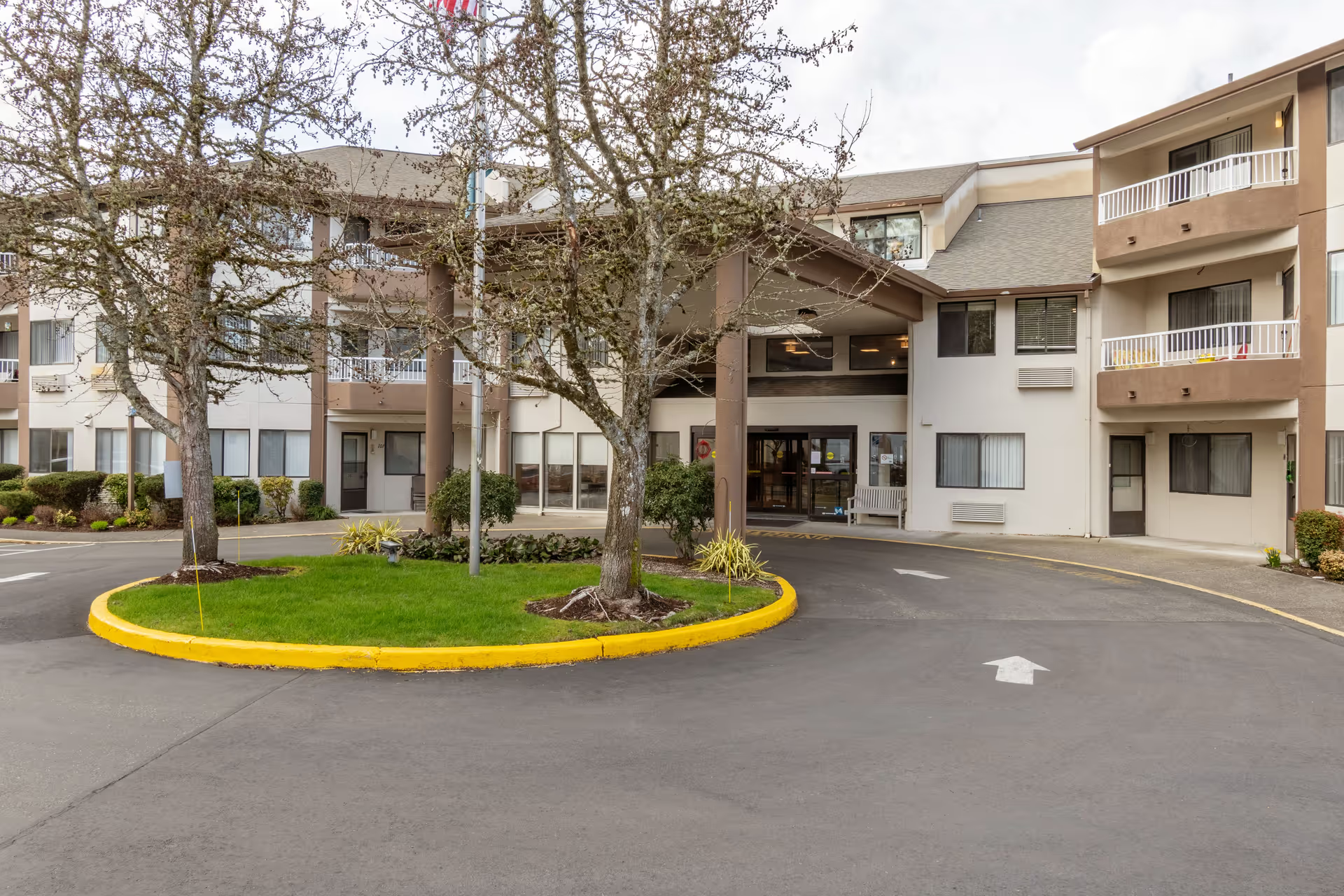
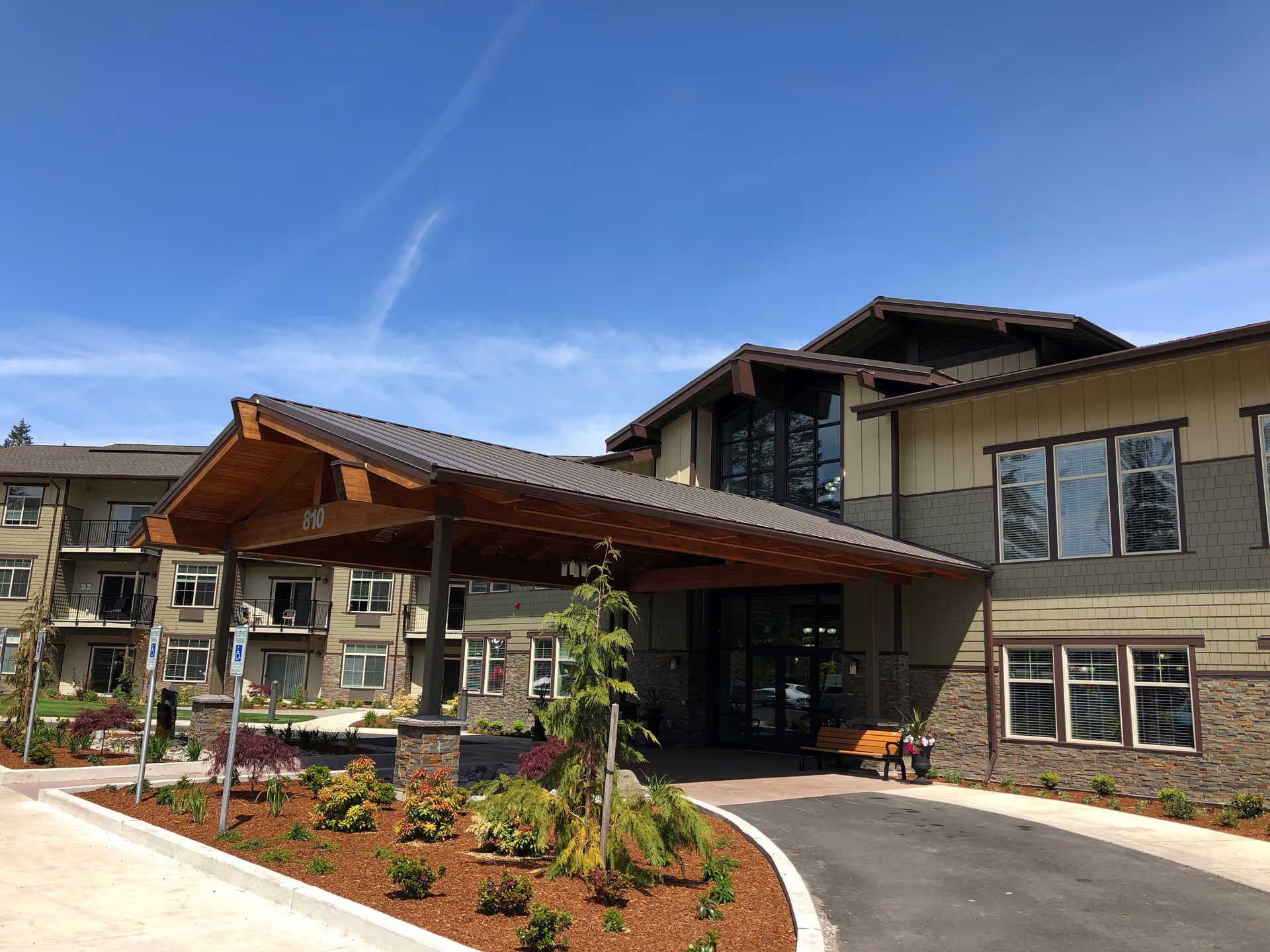
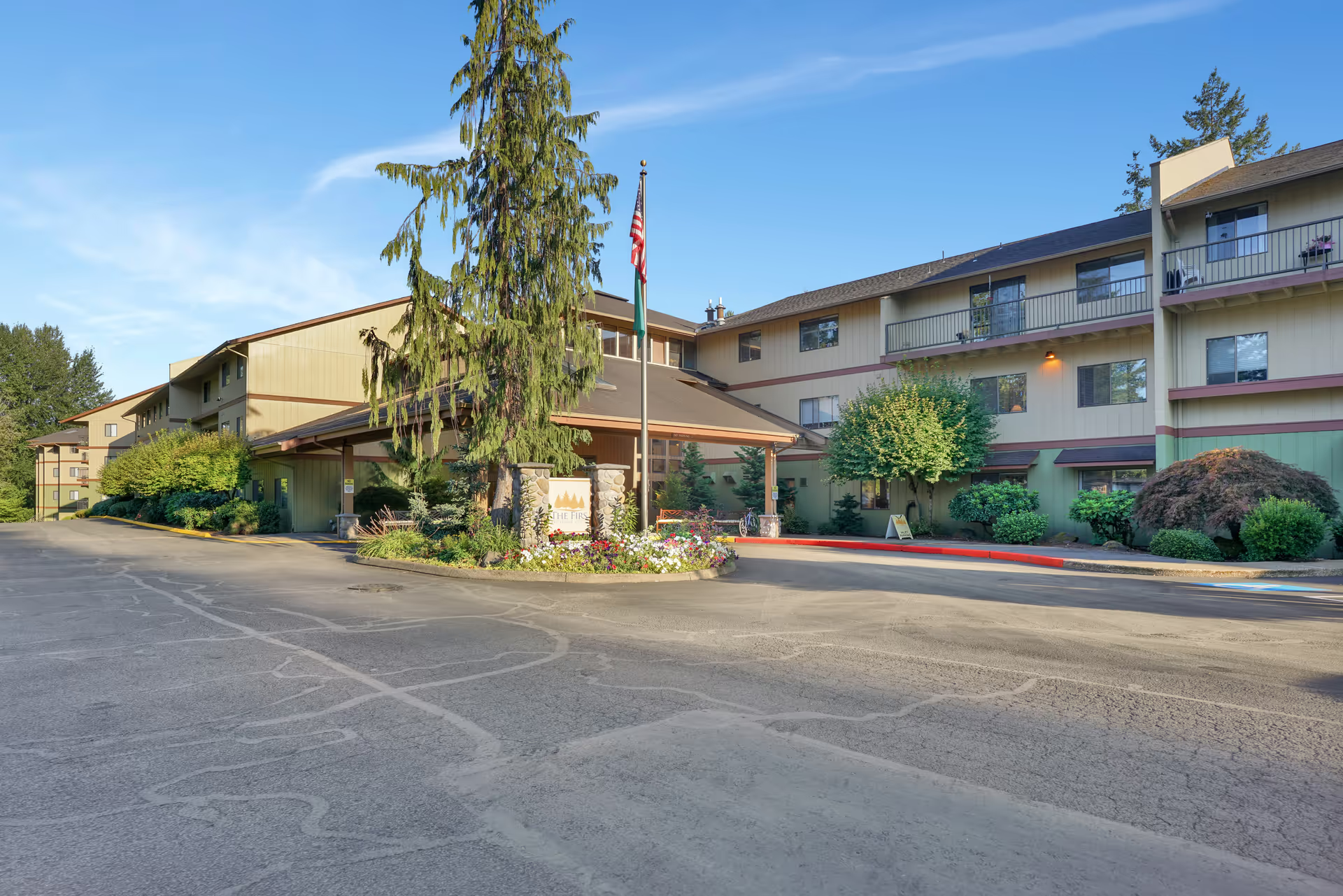
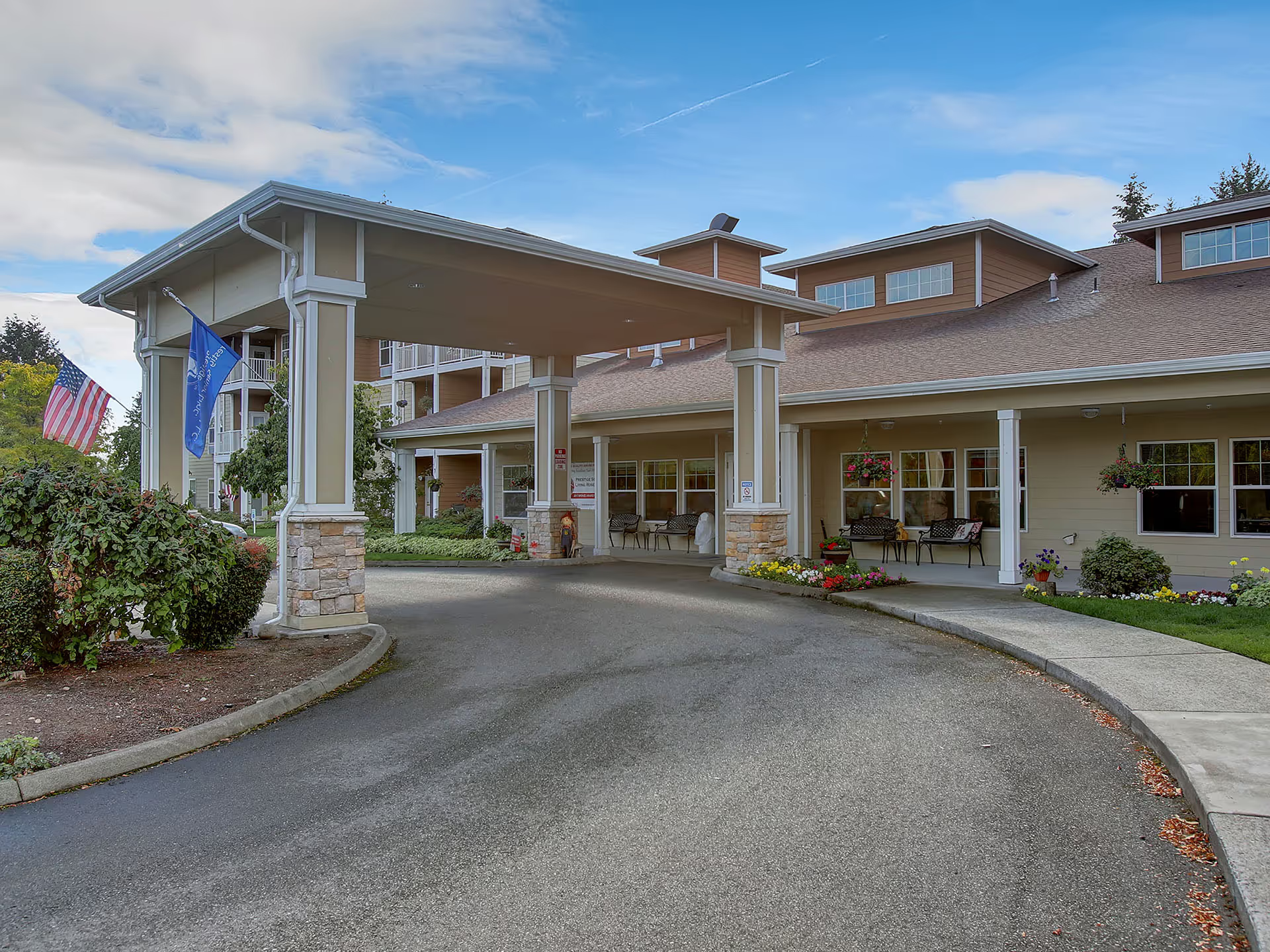
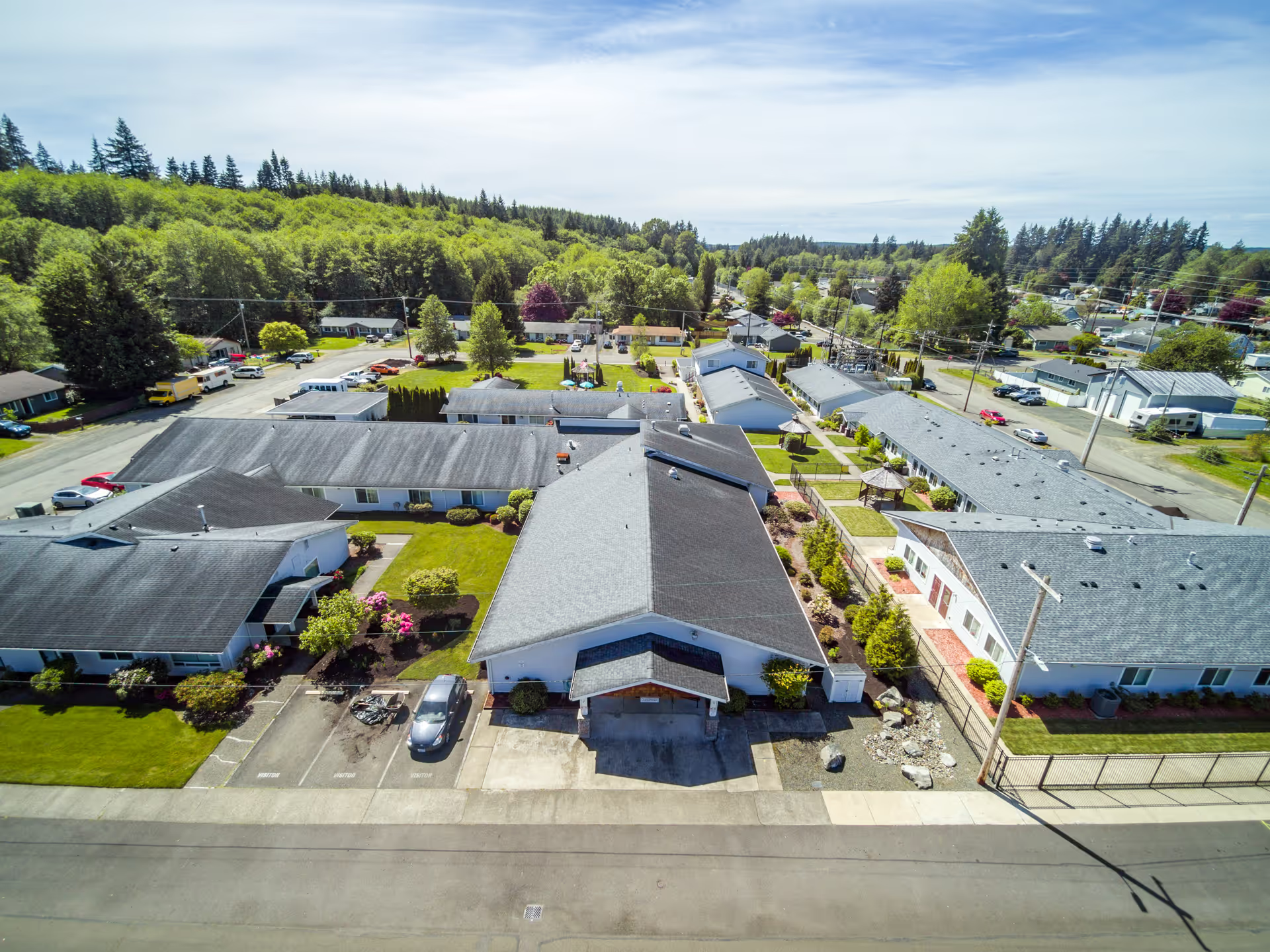
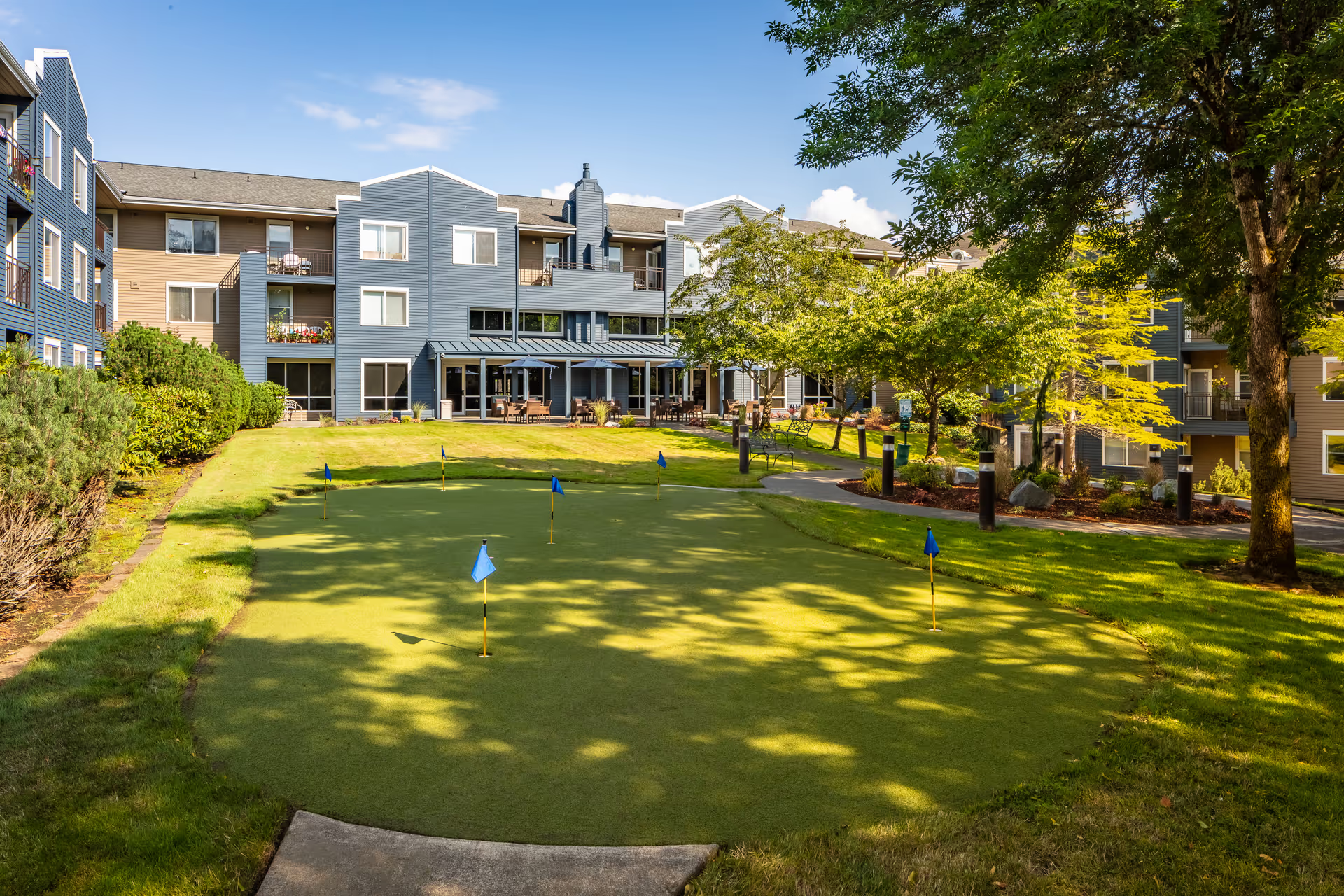
Facilities and layout: The physical plant presents both strengths and limits. The community is described as clean and well maintained, with private rooms and home-like décor in many units. There are distinct dining areas that accommodate different mobility levels, which families found useful. Conversely, portions of the facility are older and spread out; long internal distances were cited as a challenge for residents with limited mobility and for family members navigating the building. Visitors should assess unit location relative to dining, common areas, and parking to determine fit for a specific resident.
Management and notable patterns: Admissions and transfers were generally described as smooth, with on-site care coordination and safety measures in place. The facility receives repeated praise for hospice coordination and supportive end-of-life care. Patterns to watch include staff turnover and occasional communication or follow-up gaps; while many families praised communication, others experienced inconsistent follow-through. Another consistent theme is placement match — the facility is clearly memory-care focused and may be less well suited for residents who are not prepared for that level of cognitive care.
Bottom line: The Hampton appears to deliver strong, compassionate memory-care with good clinical oversight, meaningful activities, and a clean environment. Important trade-offs include an older, expansive layout and operational variability tied to staff continuity and dining service pace. Families considering The Hampton should prioritize an on-site visit to observe staffing during different shifts, sample meal service timing and quality, and confirm unit placement relative to mobility and social needs.