The Evergreen Inn is consistently described as a community with strong frontline caregiving and an active social environment. Reviewers emphasize compassionate, attentive staff and a favorable staff-to-resident ratio that supports frequent daily programming and individualized assistance. Staff are credited with going beyond basic duties—helping residents with shopping, banking runs, telemedicine appointments, and arranging outings—which contributes to a resident-centered atmosphere and a sense of community. Several accounts highlight effective hands-on care and warm resident-to-staff interactions.
Programming and amenities are recurrent strengths. The activity director and team run a wide and varied calendar that includes crafts, games, library trips, museum excursions, swimming, bowling, camping plans, walks, and special holiday meals that encourage family participation. This range supports both independent-living residents and those in assisted living who seek social engagement and outings. Dining is described as adequate to good, with special meals noted for holidays; residents report enjoying communal meals and social dining opportunities.
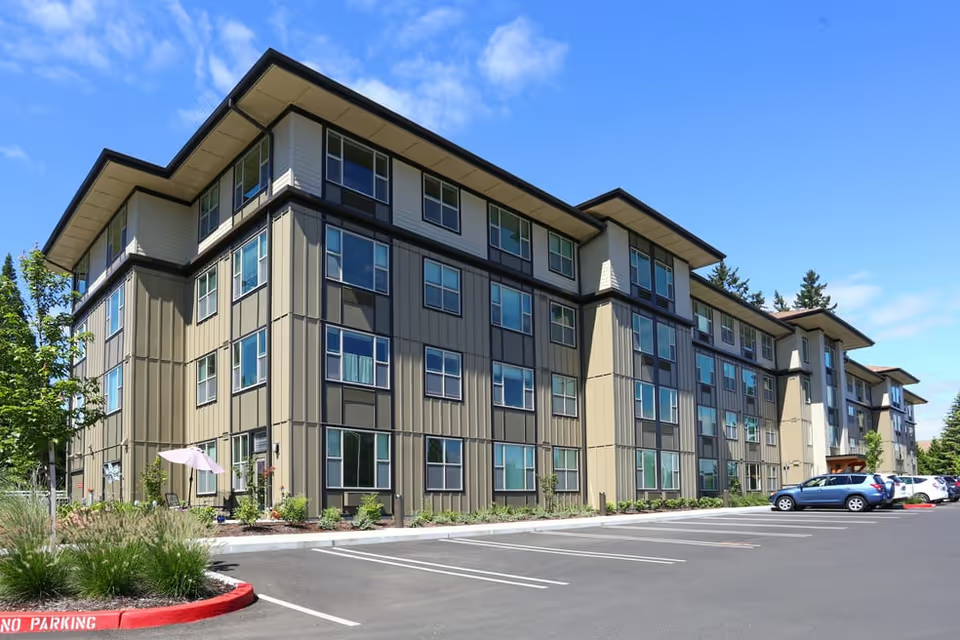
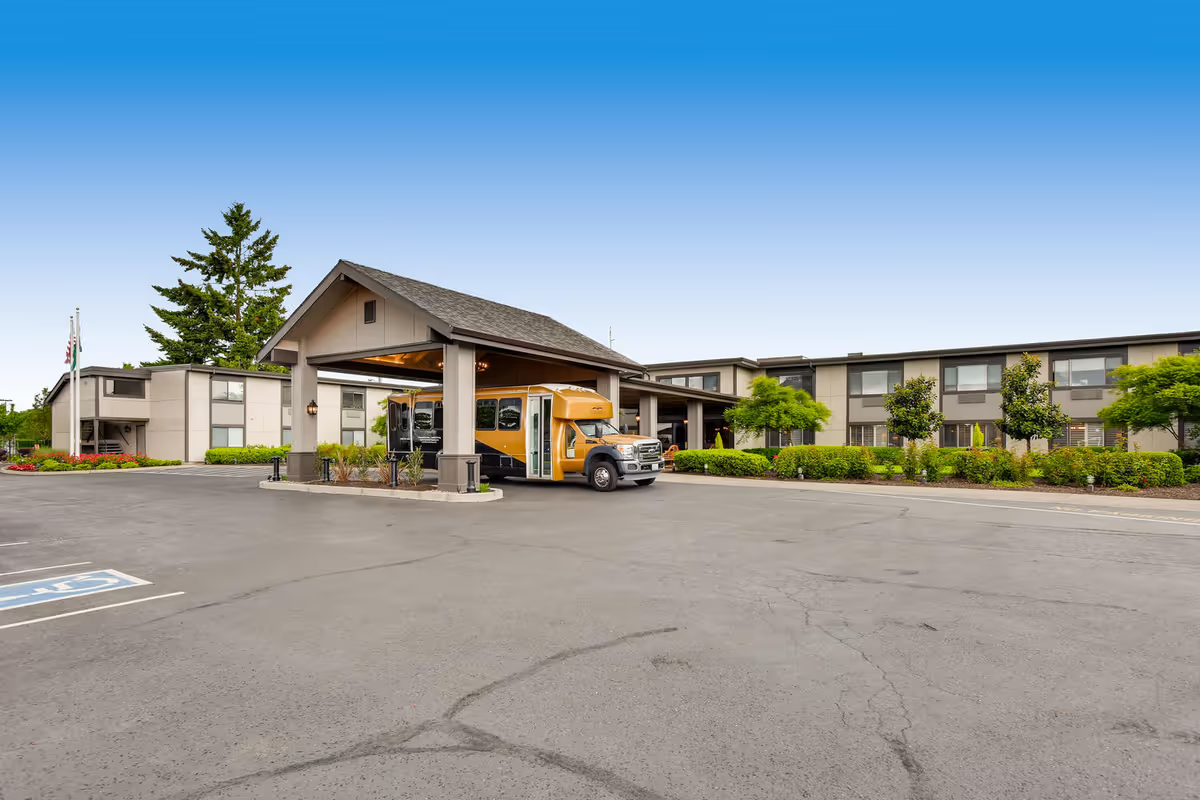
The facility itself receives positive notes for its blend of historic character and modernized accommodations. Reviewers describe a remodeled, classically styled building (NRHP-listed), neat common areas, and attractive river views. Independent-living apartment options and flexible visiting arrangements are highlighted as conveniences for prospective residents and families. Practical on-site features such as nearby public transit access and timely staff communication were also noted positively by some reviewers.
However, a significant and recurring concern centers on administrative and operational consistency. Multiple comments point to uneven leadership, lapses in administrative responsiveness, and communication breakdowns between management and families. More serious individual allegations about missing medications and resident funds were raised; these imply potential vulnerabilities in medication administration and financial controls and warrant direct inquiry. Additional operational weaknesses include unclear rental or contract information and occasional inaccuracies in public-facing materials such as map or listing details.
For prospective residents and families, the overall pattern suggests a facility with strong direct-care quality and a lively activity program, anchored in a well-maintained historic property. At the same time, prospective callers should clarify administrative practices: review written contract and rental terms, ask about medication-administration safeguards, inquire how financial transactions and valuables are handled, and confirm what channels exist for incident reporting and family communication. Verifying current leadership stability and checking recent references will help balance the positive caregiving impressions against the administrative concerns highlighted in some accounts.