Whipple Creek Senior Estate is a small, six-resident adult family home that draws frequent praise for its highly personalized care model. Many families describe a warm, family-like atmosphere with attentive, knowledgeable caregivers and an on-site manager who is viewed positively by numerous visitors. The facility's scale appears to enable individualized attention, which reviewers link to greater family confidence and a sense of security for their loved ones.
Care quality is generally described as strong: staff are characterized as caring and capable, and reviewers highlight attentive day-to-day assistance that provides peace of mind. However, there are isolated but meaningful concerns about care consistency during critical periods, including end-of-life responsiveness. These accounts suggest a potential gap in how the facility manages and communicates about high-acuity or rapidly changing care needs. Prospective families should ask specific questions about staffing patterns, after-hours coverage, and protocols for escalating clinical concerns.
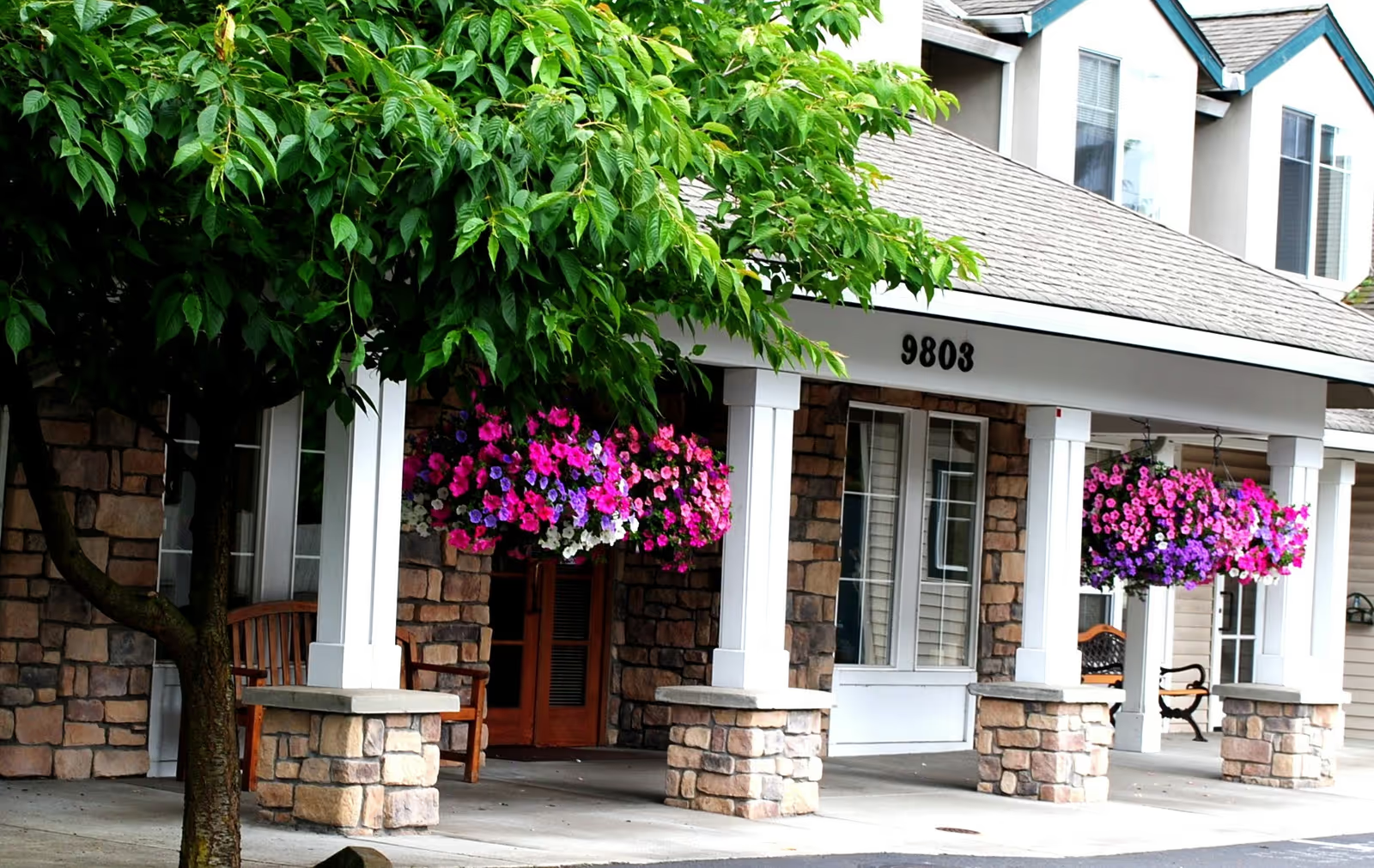
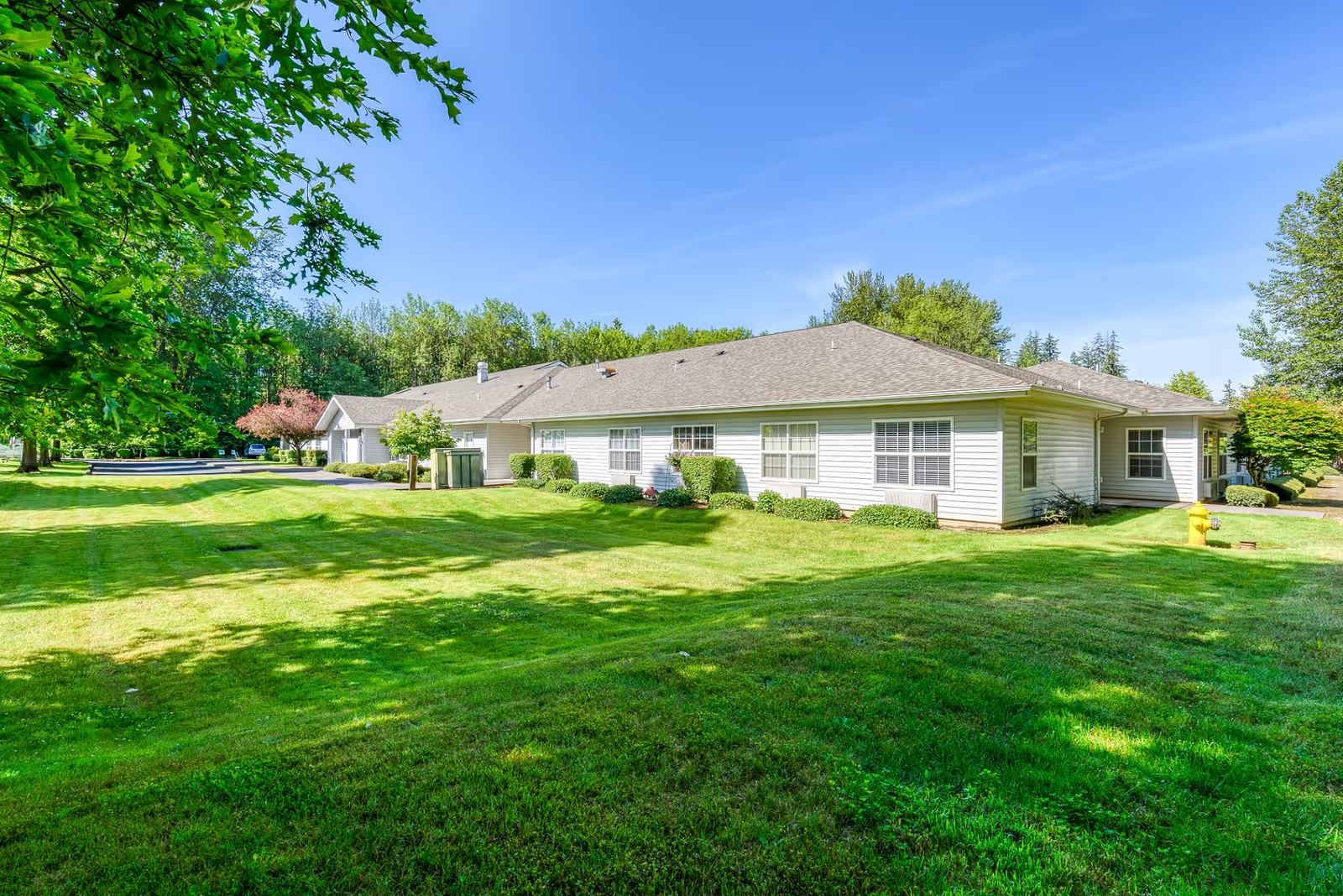
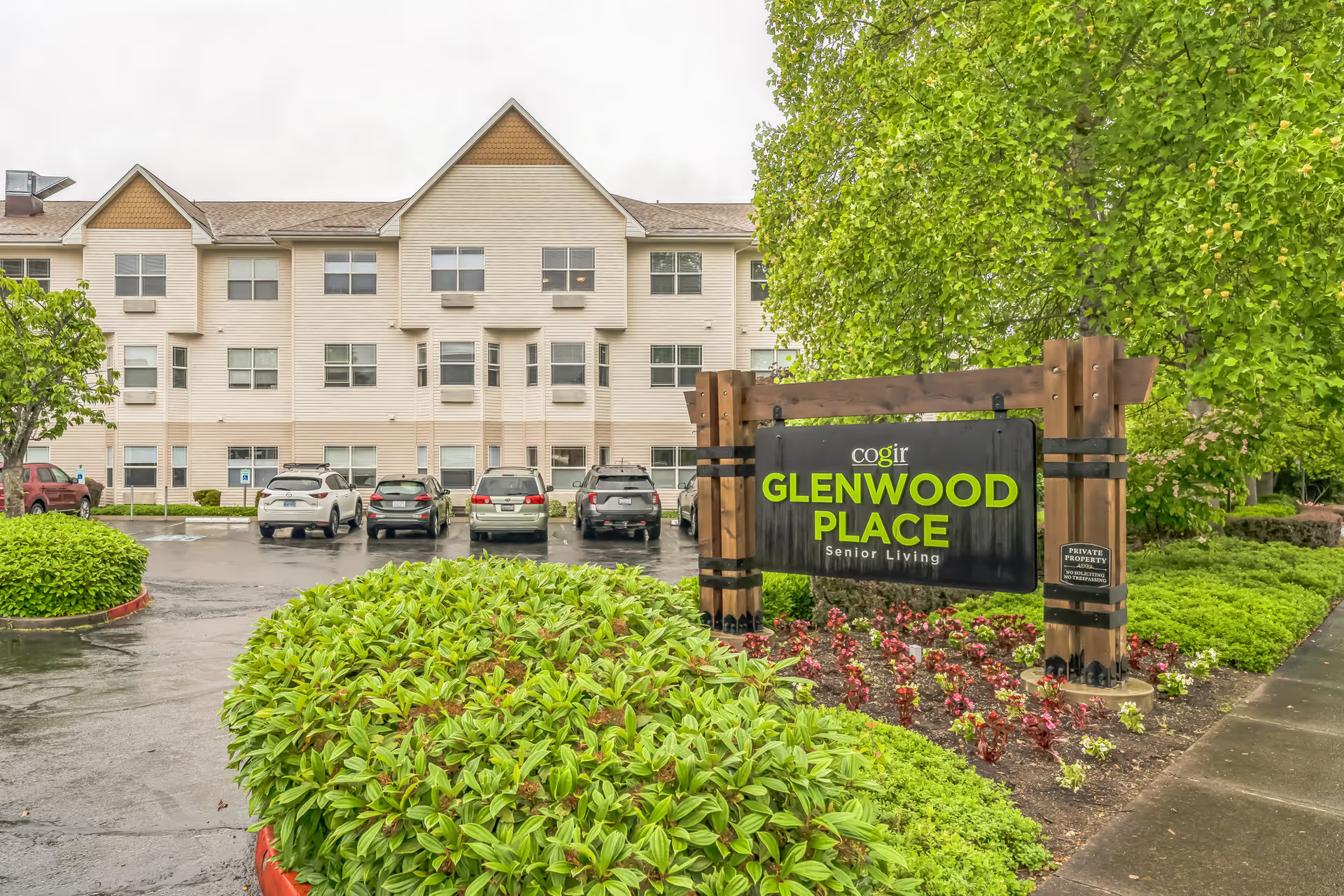
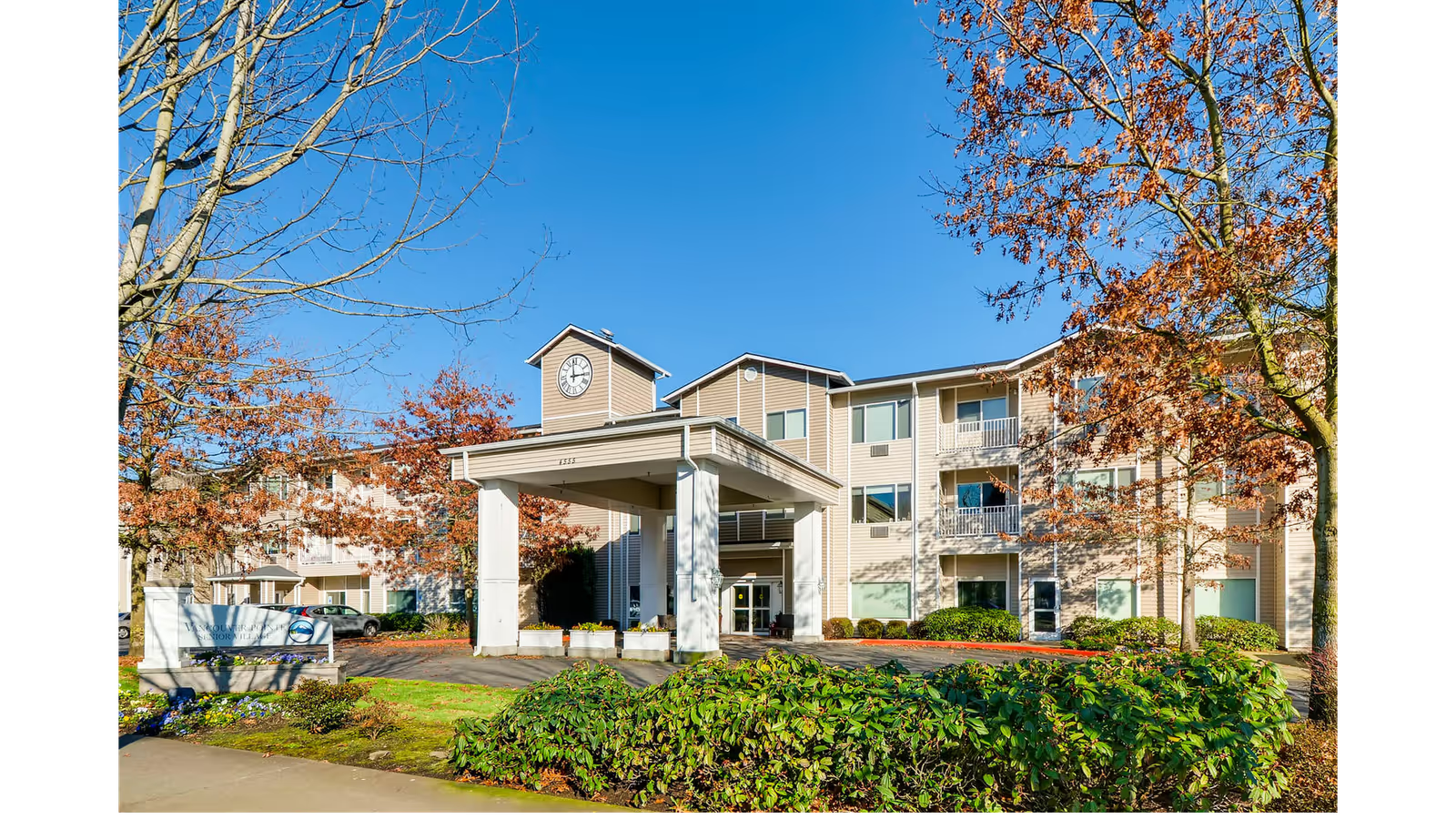
Dining and daily life are commonly noted as strengths. Reviewers emphasize home-cooked, high-quality meals and a welcoming dining environment. The property itself is described as attractive and well maintained, with large resident rooms, clean common areas, and a cozy, secure feel. The home is often decorated extensively for holidays, which contributes to a festive, home-like atmosphere.
On management and communication, impressions are mixed. While some reviewers single out the manager for positive engagement, others describe abrasive or abrupt communication from leadership that affected family interactions. This indicates that communication style and family relations may vary depending on which staff or leaders are involved. Families considering the home should observe staff–family interactions and clarify expected communication channels and escalation paths.
Activity programming and social variety reflect the facility's small size: reviewers note a home-centered, family-like social environment but the limited census naturally constrains the scale and variety of group activities available. For some residents this is a benefit; others may prefer a larger programmatic offering available at bigger communities.
Overall, Whipple Creek Senior Estate presents as a well-kept, intimate option with strong strengths in personalized care, food, and a homelike environment. The main operational risks described relate to variability in care responsiveness during critical periods and uneven management communication style. Families touring the home should verify staffing and clinical escalation procedures, review end-of-life care practices, and observe direct interactions between leadership, staff, residents, and visitors to assess fit.