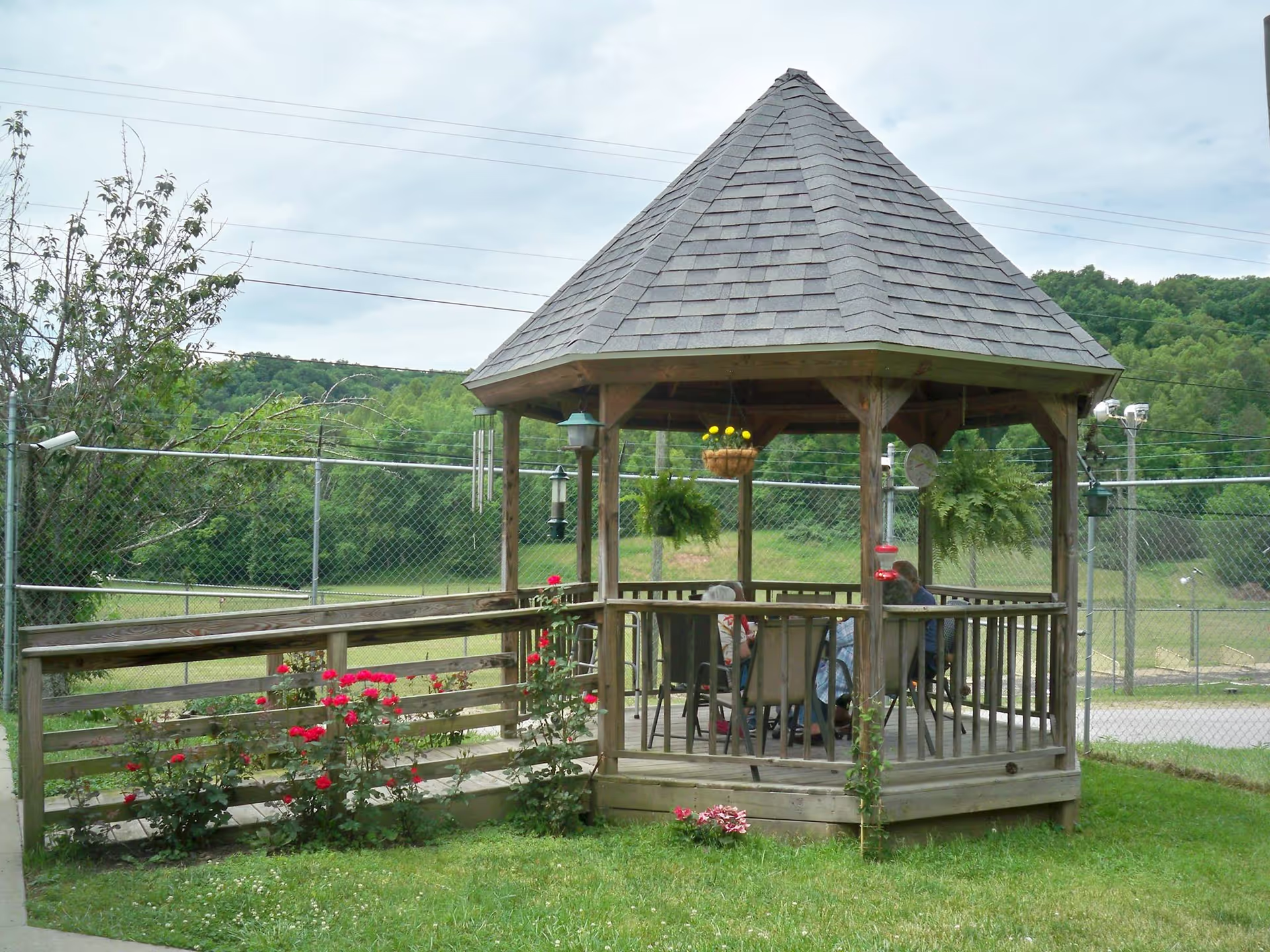
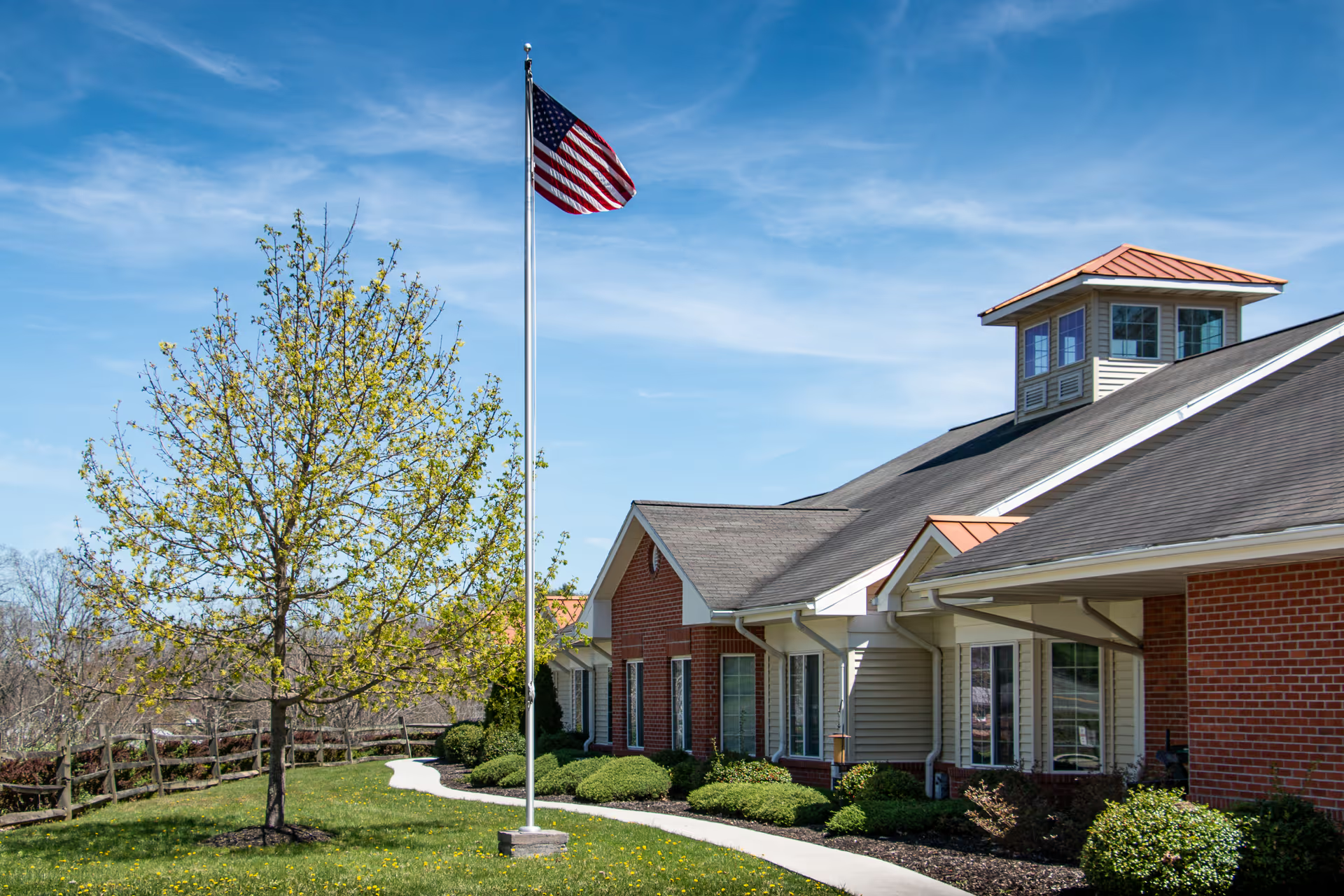
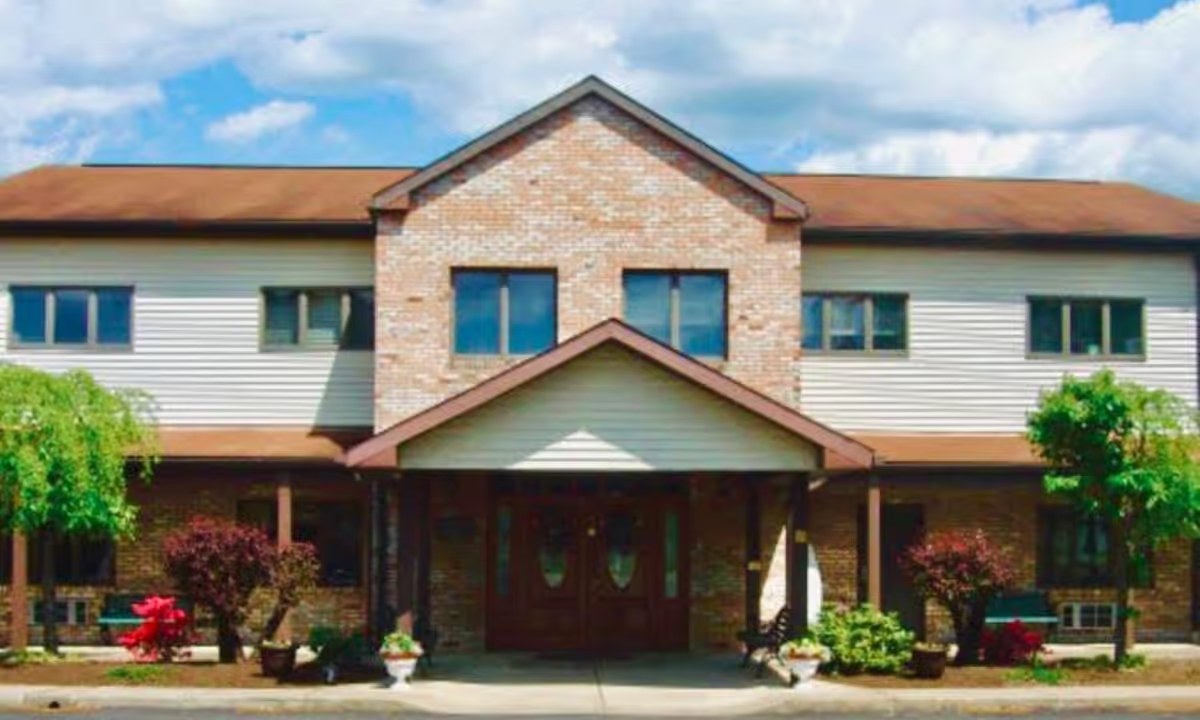
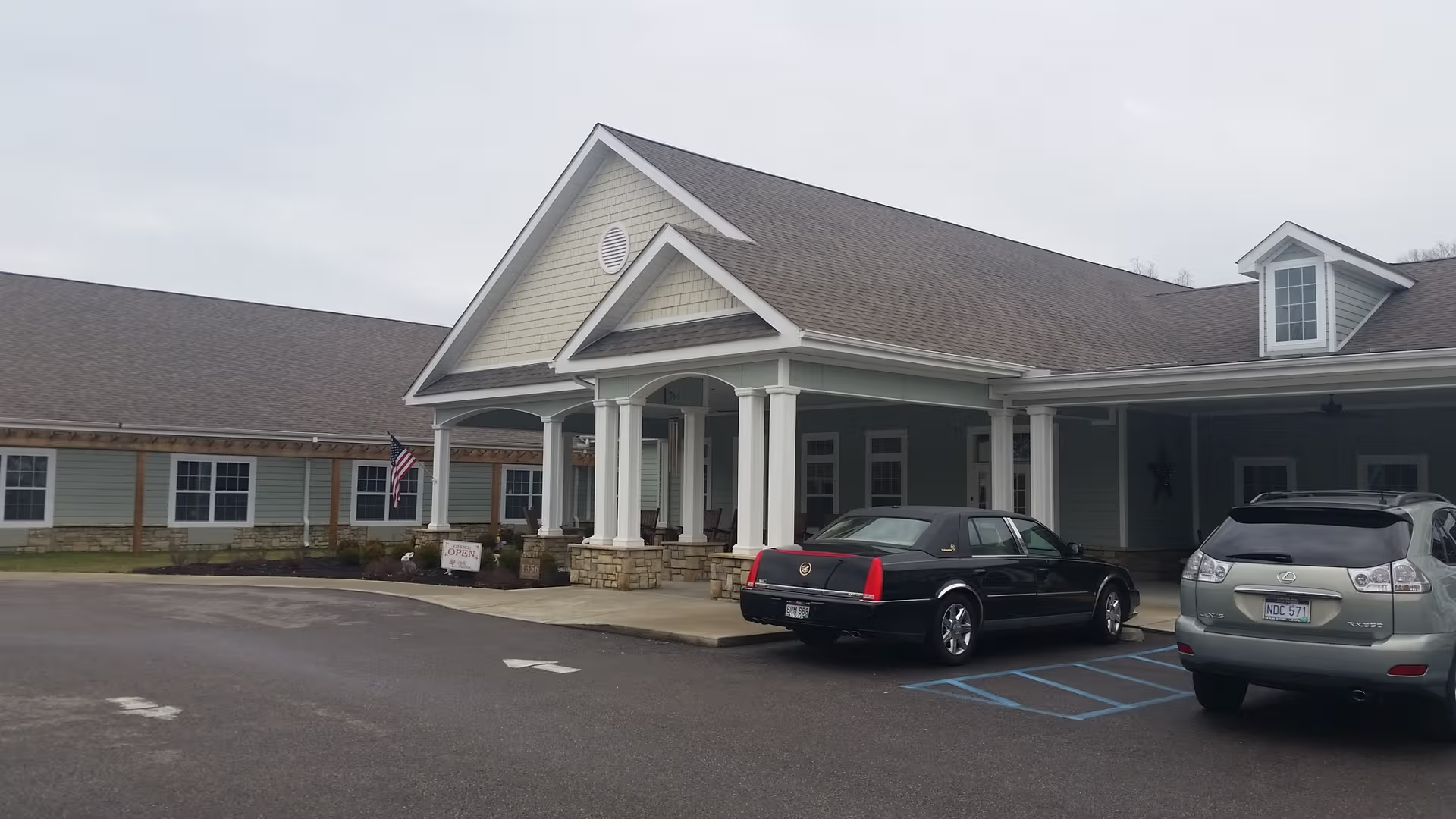
The reviews present a mixed but coherent portrait of the facility: many families and observers described genuinely positive experiences — compassionate nursing, attentive therapy, a clean environment, and engaging activities — while others raised operational concerns that affect safety and consistency of care. Strengths most consistently noted include personalized nursing attention, strong rehabilitative therapy, and an active recreational program (arts and crafts, bingo and seasonal projects) that residents find enjoyable and comforting. Multiple accounts emphasized friendly check-in interactions and staff who create a family-like atmosphere, which contributes to family reassurance and improved resident mood in many cases.
Care quality is uneven across accounts. Positive comments highlight compassionate nurses and coordinated therapy teams that produced measurable improvements for some residents (including dementia-related benefits and functional gains through therapy). Conversely, a subset of reviewers described slow or unresponsive direct-care assistance, particularly from CNAs, and cited delays in responding to calls for help. There are also repeated indications of variability in staff conduct and tone; while many staff are described as kind and respectful, other reports mention unfriendly or dismissive interactions. Clinical oversight and device-management processes appear inconsistent — examples point to lapses in equipment checks and oxygen/device management — which suggests gaps in standardization of nursing procedures and supervision.
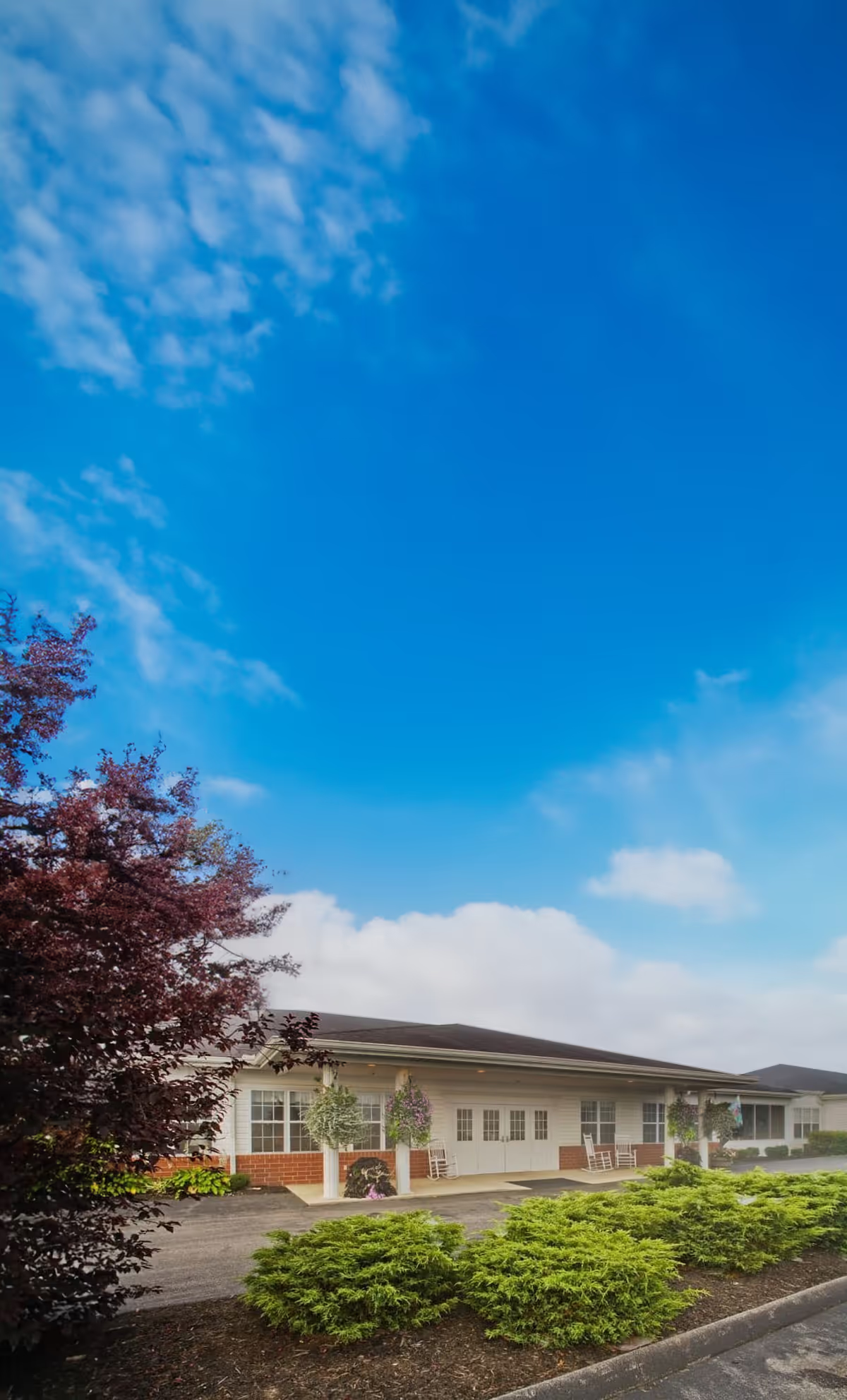
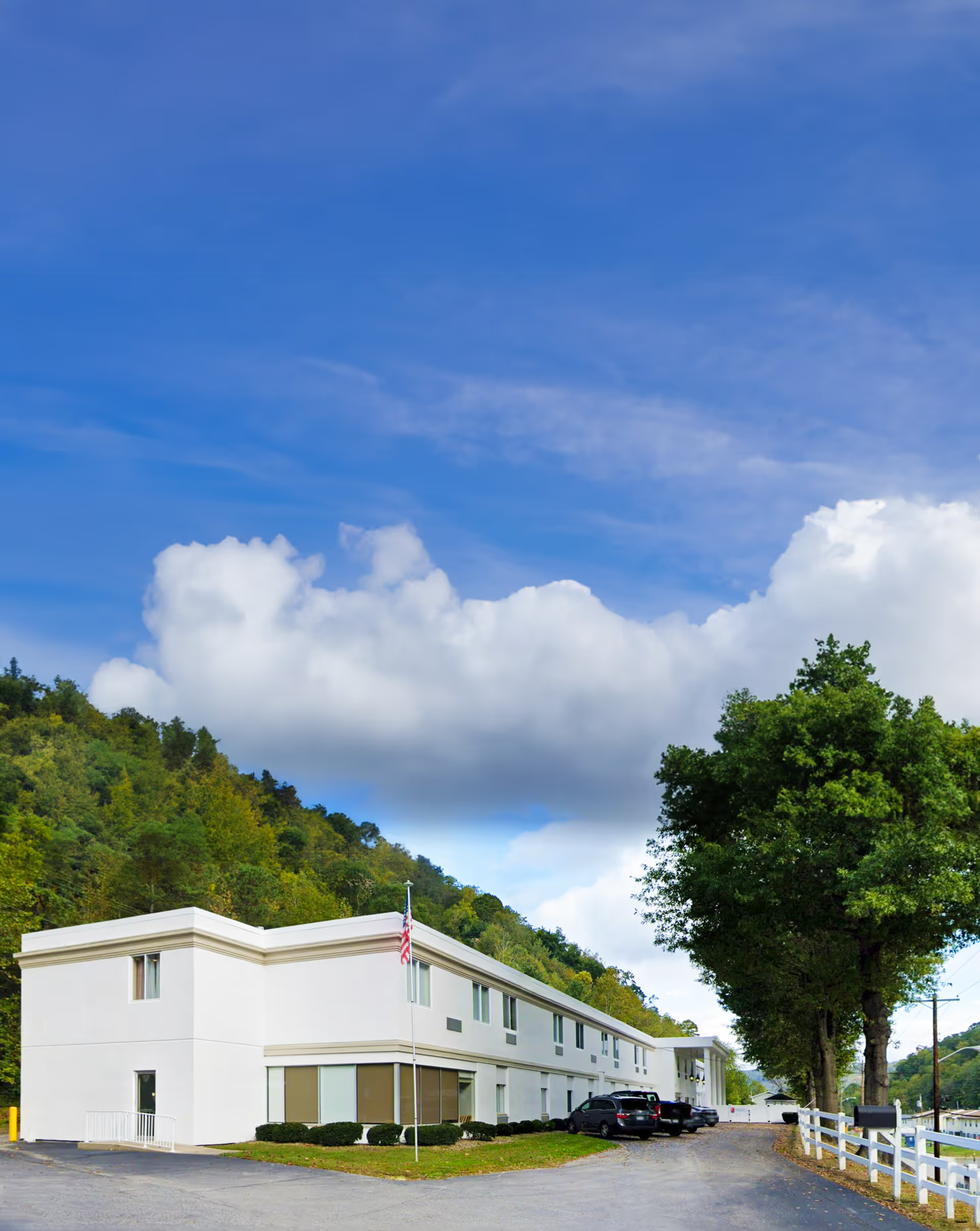
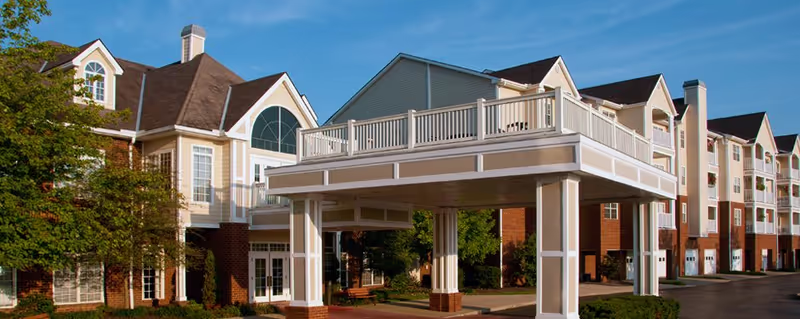
The facility environment and activities are generally strong: reviewers frequently describe the building as clean, pleasant, and well-maintained, and activities are characterized as engaging and well run. Therapy services receive positive remarks for being top-notch and well coordinated. At the same time, isolated but serious concerns were raised about sanitation and pest-control in resident rooms and about maintenance issues with resident equipment (for example, electrical bed concerns). These single incidents contrast with otherwise positive descriptions of cleanliness, creating a pattern of generally good housekeeping with the need for targeted remediation in specific areas.
Management and communication show both positives and gaps. Several families experienced proactive, reassuring communication and hospitality-minded staff; others reported difficulties reaching nursing staff during incidents and delays in family notification. There are also comments that have led some reviewers to call for external or regulatory review, indicating that management should prioritize transparent incident investigation and corrective action. For families considering the facility, a practical approach is advised: observe staffing levels during visits, ask about CNA-to-resident ratios and typical response times, review protocols for clinical-device checks and oxygen administration, inquire about recent pest-control and maintenance records, and request examples of how the facility communicates incidents to families. These steps can help clarify whether the facility’s positive programs — therapy, activities, and many caring staff — are supported by reliable operational practices and consistent clinical oversight.