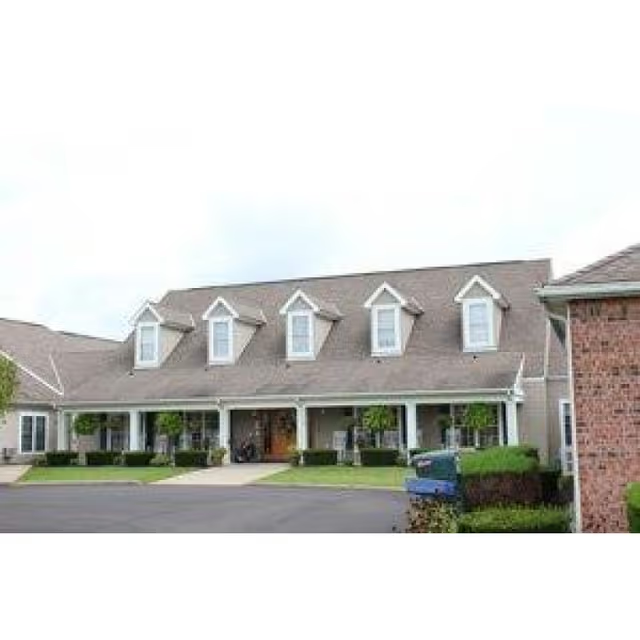
Overall impression: Reviews portray Dunbar Center as a facility that delivers strong rehabilitative care and a broadly welcoming, activity-rich environment, with many families crediting the interdisciplinary therapy team and nursing staff for successful short-term recoveries and restored independence. Strengths most consistently cited include high-quality physical and occupational therapy, a range of ancillary services, empathetic caregivers, a pleasant and clean atmosphere, and a robust activities calendar that includes outings and pet-assisted programming.
Care quality and therapy: Rehabilitation services are a clear strength. Multiple accounts describe individualized therapy plans, measurable functional gains (mobility, self-care, cooking), and therapists who engage residents with skill and humor. Reviewers highlight effective coordination between therapy, nursing, and ancillary personnel that supports timely progress during short-stay rehab episodes. The presence of therapy-focused programming and outcomes-oriented care makes the facility well suited for post-acute recovery goals.
Staff and interpersonal dynamics: Many reviewers describe staff as compassionate, familiar with residents, and willing to go beyond baseline duties; front-desk and admissions staff are frequently singled out as helpful. However, there are recurring concerns about staffing consistency and staff conduct. Themes include high turnover or variable staffing levels, uneven responsiveness to call lights, and perceptions of favoritism or insufficient accountability among some employees and supervisors. These interpersonal and operational issues appear to be localized rather than universal but are important to assess during a tour and inquiring about current staffing ratios and supervision practices.
Dining and daily living services: Dining receives mixed evaluations. Several families appreciate balanced meals and regular meal service, while others note inconsistent food quality. Laundry and personal-item handling emerged as a practical area of concern for some families; ask about laundry processes, inventory controls, and lost-item protocols when evaluating placement.
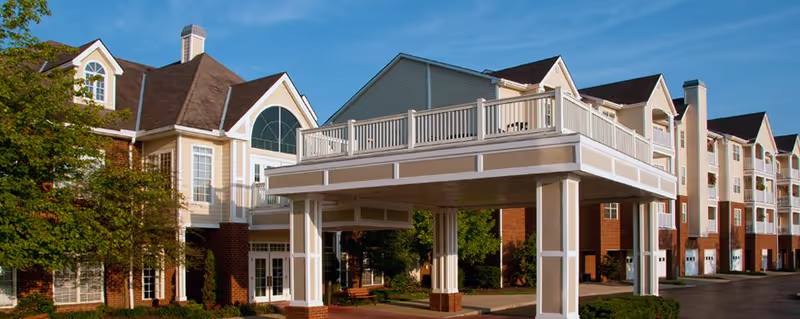
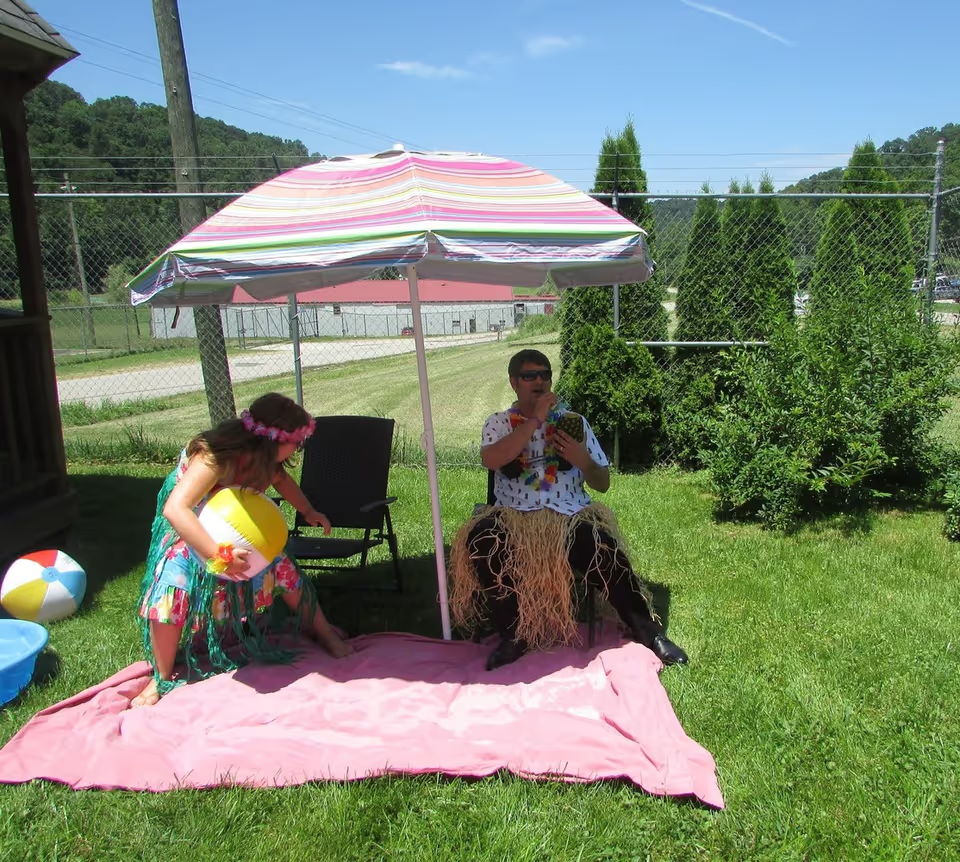
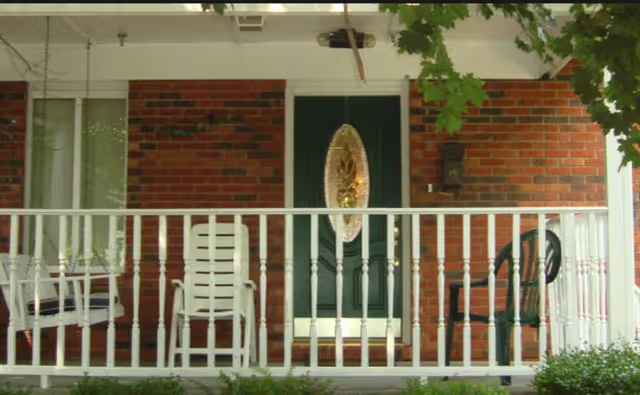
Activities, environment, and facilities: The center's activity program is a strong selling point: frequent events, holiday celebrations, outings, and opportunities for social engagement are repeatedly praised. Physical spaces are generally described as clean, comfortable, and welcoming, with outdoor access and private-room options. At the same time, a subset of comments raises sanitation concerns and occasional lapses in housekeeping in specific rooms or common areas—this variability suggests that cleanliness standards may fluctuate and merit direct observation during a visit.
Management, communication, and infection control: Communication from administration receives mixed marks. Some families commend proactive COVID-19 screening, appointment-based visit protocols, and frequent updates (including Zoom meetings). Others report episodic breakdowns in family communication, unclear discharge planning, or delays in information following clinical events. There are also comments implying shortcomings in supervisory follow-through and disciplinary consistency; prospective families should ask about incident-reporting processes, family-update protocols, and how the facility manages staffing concerns.
Notable patterns and guidance for families: Dunbar Center appears to deliver high-caliber rehabilitative and day-to-day care for many residents, supported by a warm culture and active programming. At the same time, there are nontrivial concerns centered on staffing consistency, certain operational controls (laundry, housekeeping, call-response), and communication during complex clinical situations. When considering Dunbar Center, families should: (1) request current staffing ratios and tenure data for key units, (2) tour multiple resident rooms and common areas at different times of day to assess housekeeping and activity levels, (3) ask about fall-prevention and transfer-safety protocols, (4) review laundry and personal-belongings procedures, and (5) clarify communication and discharge-planning practices during infection-control events. These targeted inquiries will help determine whether the facility's strong rehabilitative and social programming aligns with a given resident's safety and care priorities.