Reviews of Glasgow Hills present a mixed but actionable picture. Many families and residents describe consistently compassionate direct care from nurses and certified nursing assistants, a resident-centered, family-like atmosphere, and a rehabilitation program that some found outstanding. Leadership and administrative staff receive praise for proactive communication and responsiveness when issues are raised, and the facility's dementia/Alzheimer’s unit, therapy staff, and social-work/discharge coordination are highlighted as strengths by multiple families.
Care-quality themes are polarized. Positive accounts emphasize attentive nursing, individualized attention, and staff who know residents’ personalities and preferences. Several families specifically praised named supervisors and therapy personnel for effective communication and measurable progress. Conversely, recurring operational concerns include staffing inconsistencies that appear to affect responsiveness (long call-light waits, delayed assistance) and the scheduling of routine personal-care tasks. There are also reports of delays or variability in medication and therapy coordination; these suggest that staffing patterns and workflow reliability are important topics to clarify when evaluating the facility.
Dining and activities show similar variability. Families reported engaging, family-inclusive programming and meaningful activities, with staff efforts to create a homelike environment and seasonal events. At the same time, dining quality receives mixed feedback—some reviewers found meals filling and adequate, while others described inconsistent or poor food service. Nighttime sundowning and related behavioral-management challenges were noted by families of residents with dementia, indicating the need for individualized evening-care plans.
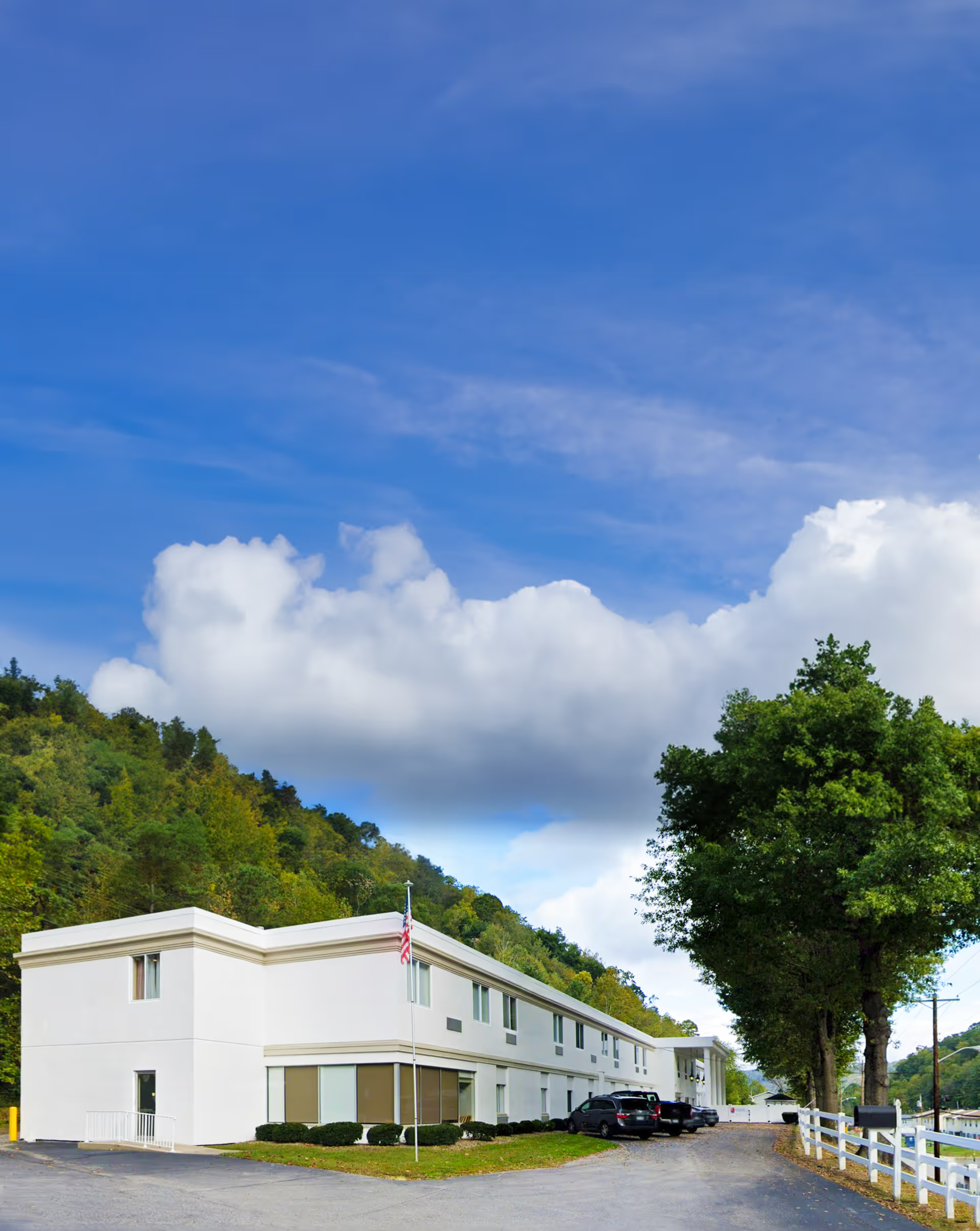
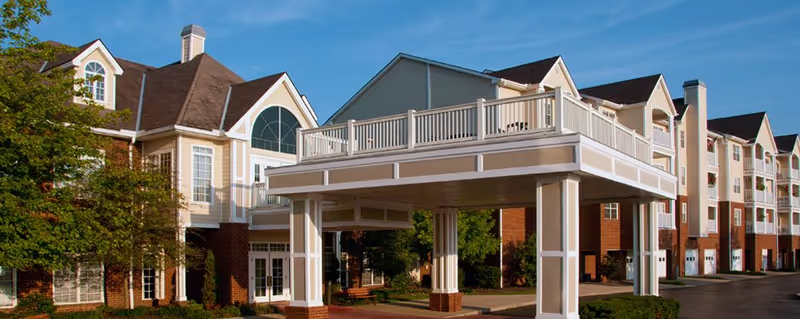
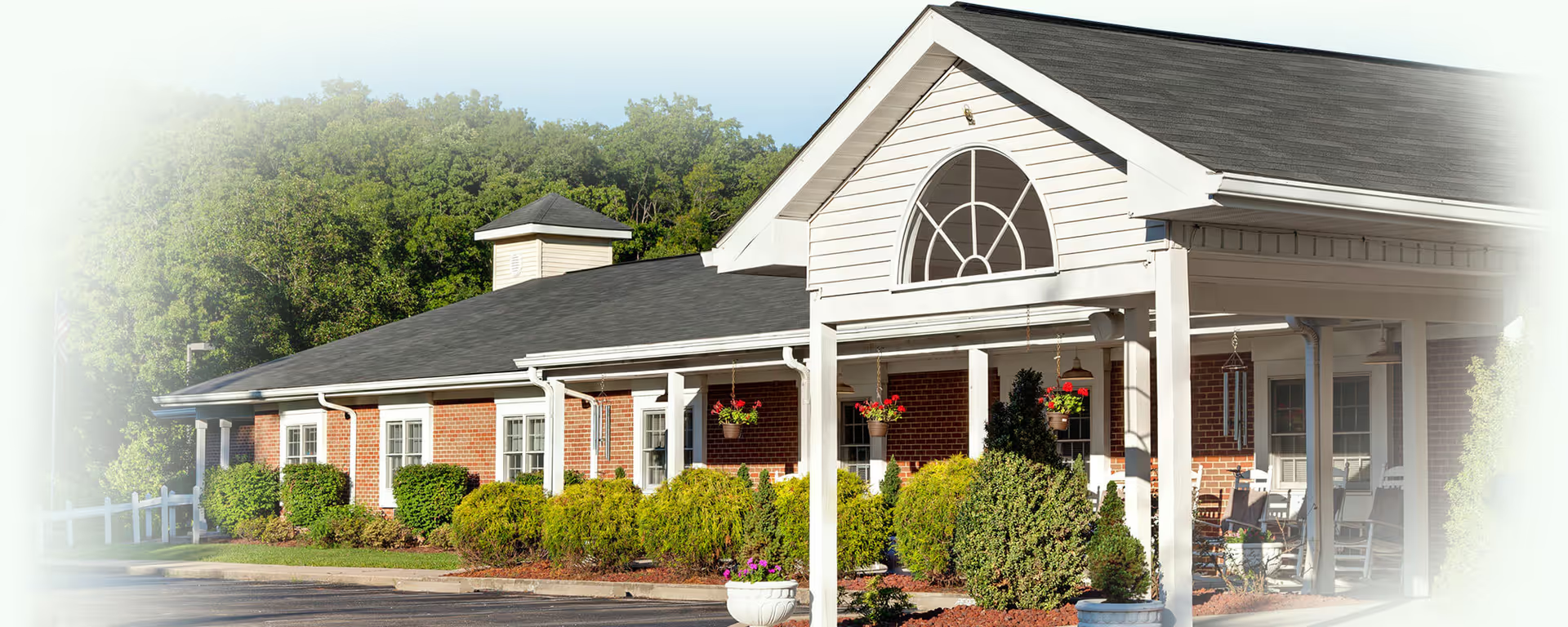
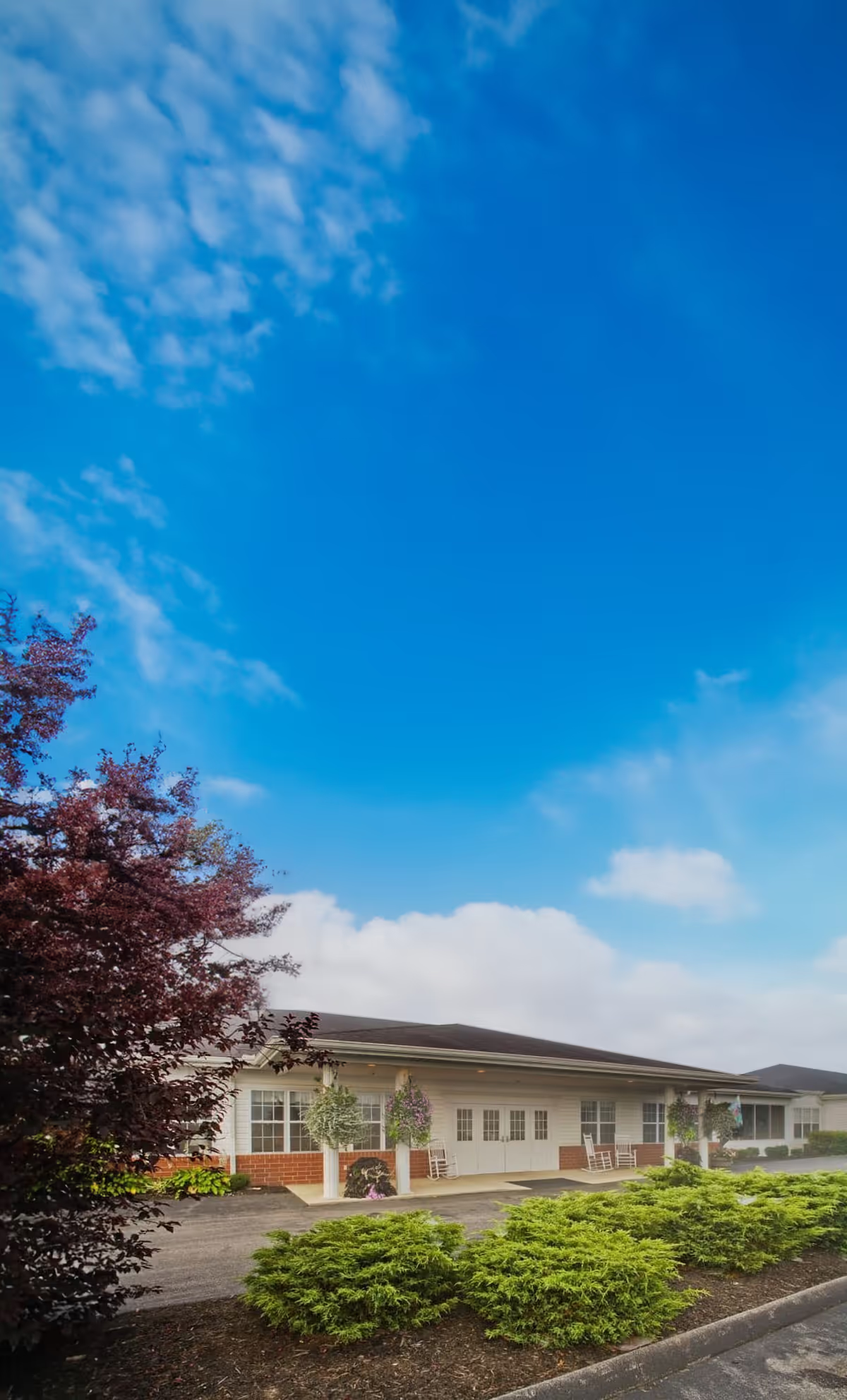
Facility condition and operations draw both praise and concern. Several reviewers described clean, well-maintained common areas and a homelike feel in parts of the building. Others raised sanitation and odor concerns in particular areas, pest-control issues in some rooms, and dated room decor or limited private-room amenities. The facility’s security buzzer/door system is generally seen as an effective safety measure but can cause visitor delays. These mixed observations point to uneven housekeeping and environmental maintenance practices across units.
Management and administration receive praise for responsiveness in many cases, yet there are notable criticisms related to billing, financial-administration practices, and variable follow-through on family concerns. These administrative issues—which include requests for refunds and billing clarity—are significant operational matters that prospective families should address directly with the facility.
Practical recommendations for prospective residents and families: meet with nursing leadership to discuss current staffing ratios (especially in the memory unit), average call-response times, and how personal-care schedules are enforced; ask for details on therapy scheduling and continuity; tour both common areas and resident rooms to assess maintenance and décor; review sanitation and pest-control protocols; and request transparent information about billing and financial policies. Glasgow Hills demonstrates clear strengths in compassionate direct care, dementia programming, and rehabilitation, but the facility also shows patterns of operational inconsistency that are important to evaluate in person and to clarify before placement.