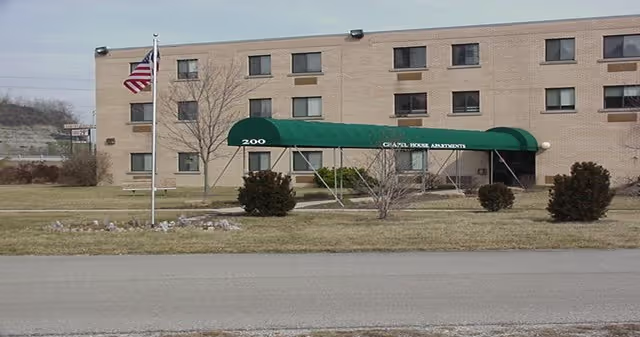
Feedback for Lincoln Healthcare Center is mixed, with clear strengths in staff competency and therapy services alongside substantive operational and safety concerns. Many family members and visitors describe individual staff members and departments as compassionate, respectful, and attentive; physical and rehabilitative therapy and cafeteria personnel are frequently identified as delivering above-average support. Several accounts emphasize cleanliness and timely care updates as positive aspects of the facility experience.
Care-quality comments highlight a divide between strong caregiver interactions and lapses in clinical oversight. Positive reports describe dignified interactions and proactive updates, while other accounts raise concerns about delayed responsiveness to resident needs and deficiencies in routine care processes, including hydration and basic care administration. There are also statements indicating that some families considered regulatory follow-up after an adverse outcome; this elevates the importance of transparent clinical governance and documentation.
Safety and unit organization emerged as recurring operational issues. Reviewers indicate the facility’s physical layout or unit assignment can allow residents in different care streams (short-term rehab versus long-term residents) to intermingle in ways that increase wandering risk and agitation. This was paired with descriptions of insufficient behavioral-management protocols for residents with anxiety or agitation. Relatedly, some families reported inconsistent rehabilitation outcomes and recommended clearer separation of rehab services and resident living areas to improve both safety and therapy effectiveness.
Communication and access show variability across the organization. While specific staff members, including admissions liaisons, receive praise for clear and thorough explanations, other interactions were characterized as brusque or unhelpful. Families also reported difficulty reaching the facility by phone and requested a reliable working contact number. Visitation policy flexibility during infection-control periods was raised as a concern by some relatives who experienced restricted access; this suggests a need for clearer, more family-centered visitation communication and contingency planning.
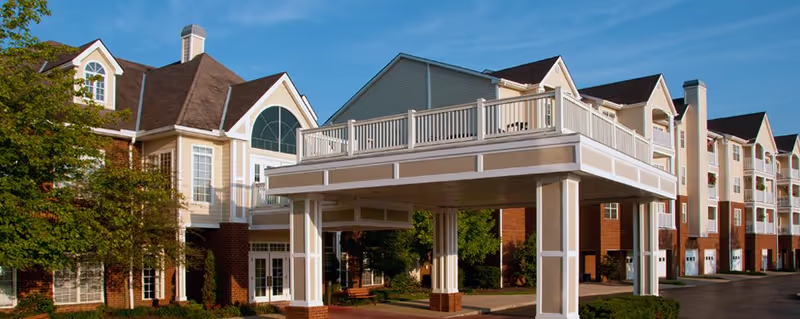
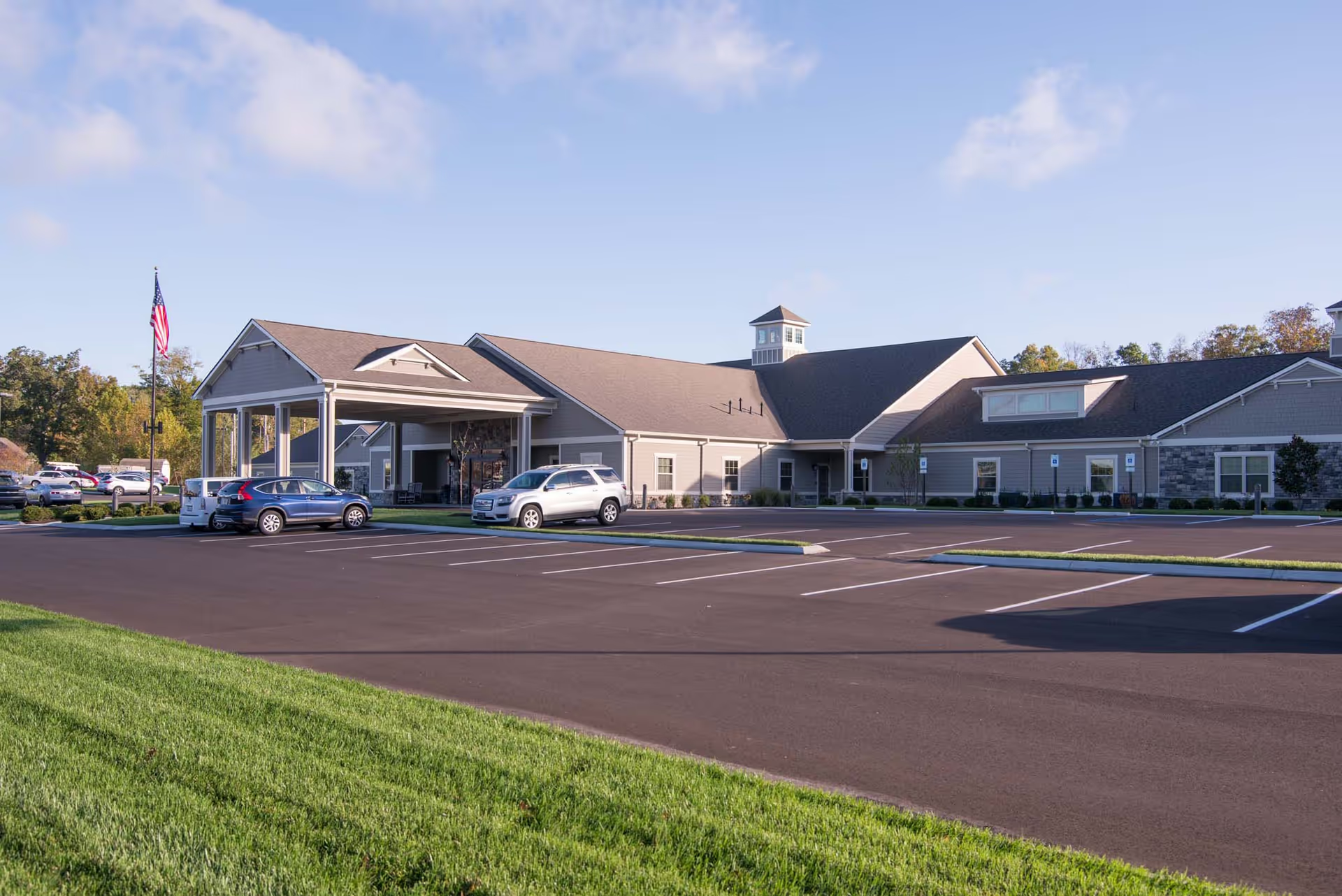
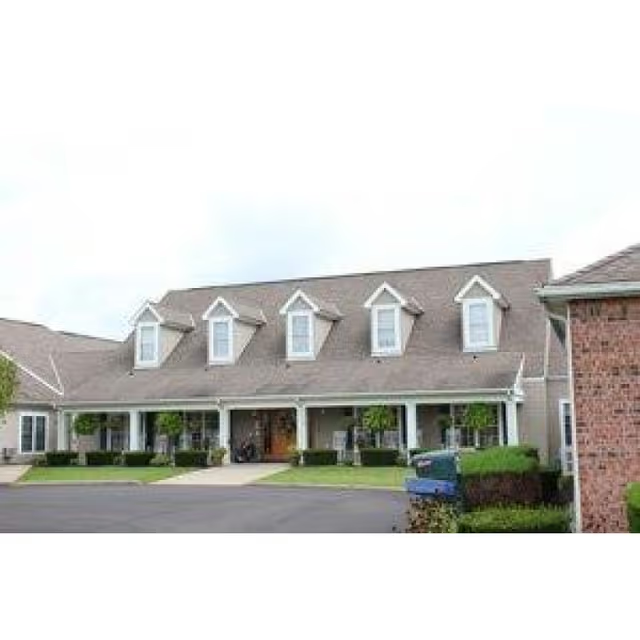
Facilities and ancillary services have both positives and areas for improvement. The physical environment and housekeeping are regularly described as clean and well-maintained, and dining staff receive commendation for helpfulness. Conversely, external wayfinding and signage were identified as inadequate, leading to navigation issues for first-time visitors. Taken together, the pattern of feedback points to strong frontline caregiving and therapy capabilities but also to organizational gaps in safety separation, clinical monitoring, communication consistency, and operational accessibility. Prospective families should balance the facility’s noted interpersonal strengths and therapy services against these operational concerns and may wish to ask specific questions about unit layout, staffing ratios, emergency response procedures, hydration and basic-care protocols, phone accessibility, and visitation policies during their tour or admissions conversation.