Overall impression: Logan Center elicits strong positive feedback for its caregiving culture, rehabilitation services, and activity programming. Many family members and residents emphasize a welcoming, home-like atmosphere, consistent hands-on programming (weddings, carnivals, snack-making, holiday events), and active therapy areas that support functional gains. Staffing continuity and visible pride among employees are recurring strengths that contribute to residents feeling cared for and families feeling supported.
Care quality and staff: The dominant theme across reviews is praise for compassionate and attentive nursing and CNA teams. Reviewers describe prompt responses to family requests, respectful treatment, dignity in interactions, and staff who treat residents like family. Rehabilitation and therapy services receive favorable comments for progress and engagement. At the same time, there is variability in staff performance: several reviewers raised concerns about lapses in professionalism, inattentiveness at times, or staff preoccupation (for example, personal phone use), indicating inconsistency in day-to-day responsiveness.
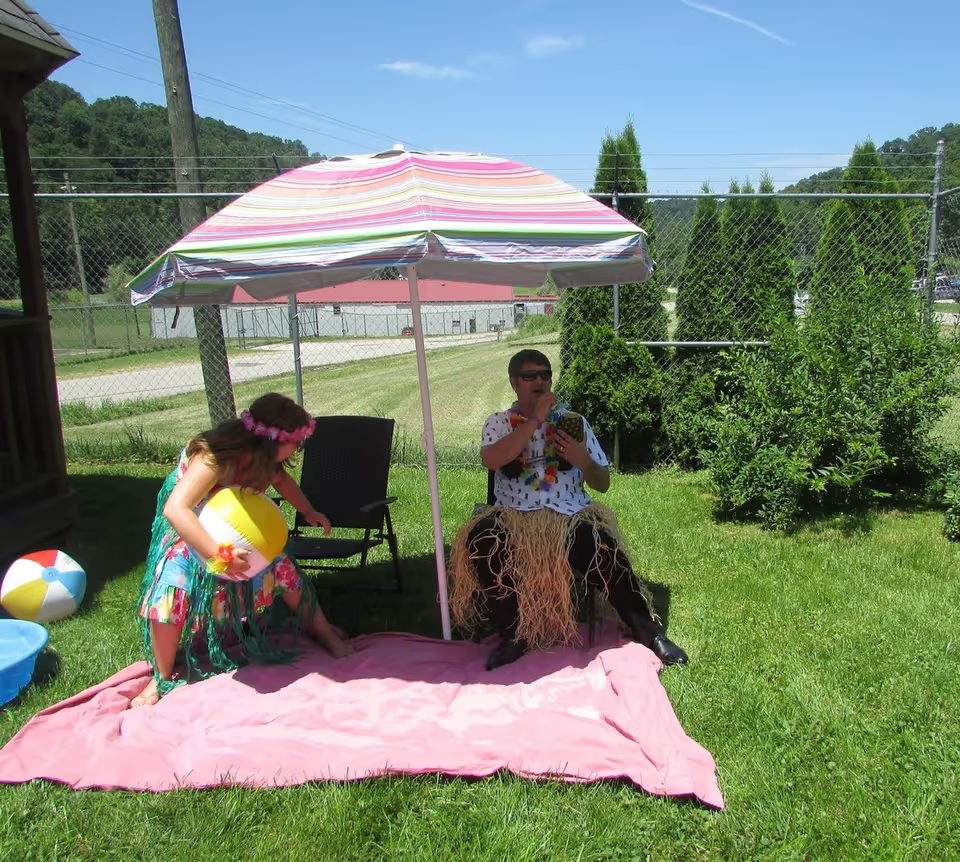
Dining and activities: Dining is generally described positively—homemade meals and resident-focused food service are noted as strengths. The activity program is robust, with frequent social events, entertainment, outdoor time in the courtyard/garden, and opportunities for family involvement. These offerings are repeatedly cited as contributors to resident engagement and morale.
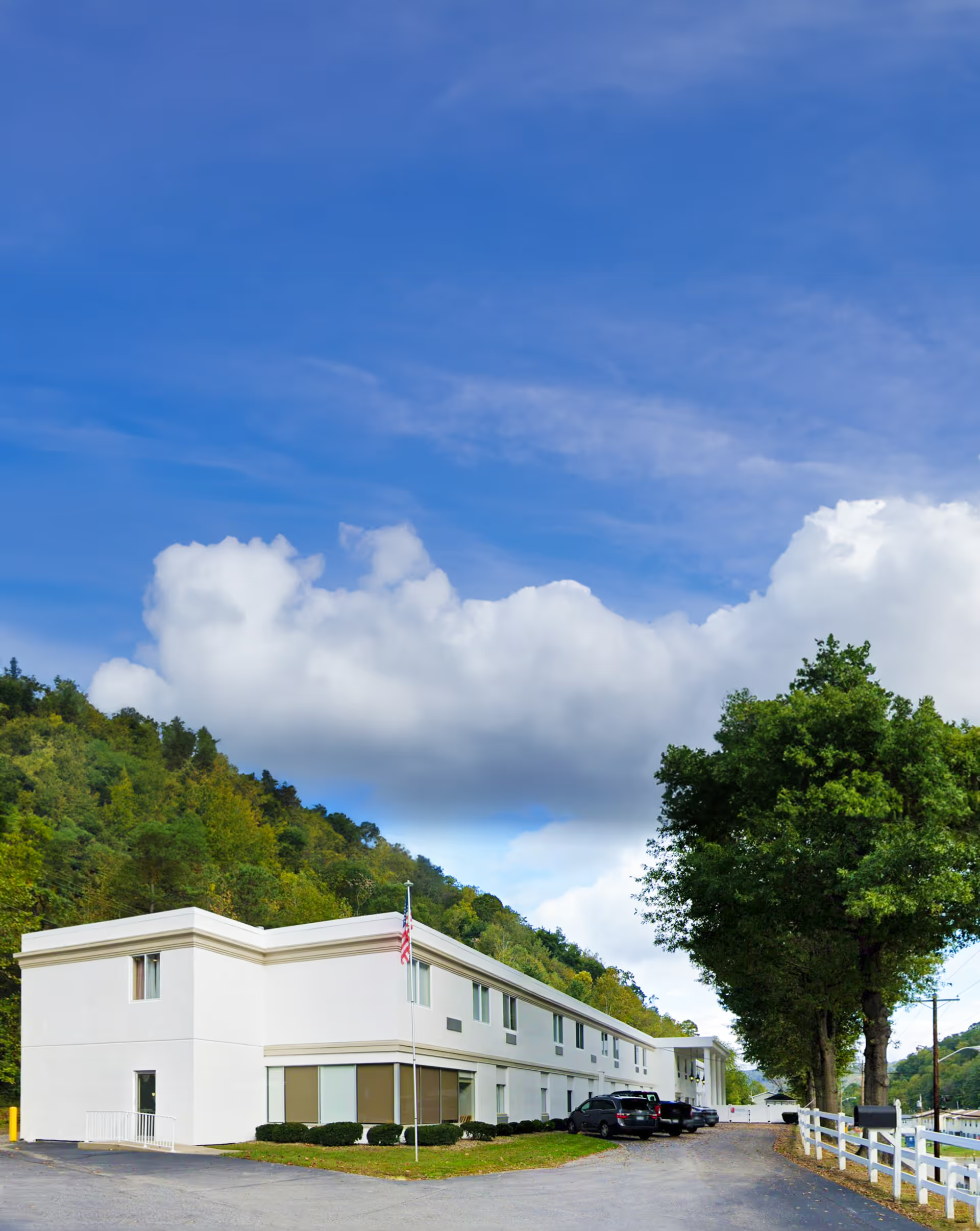
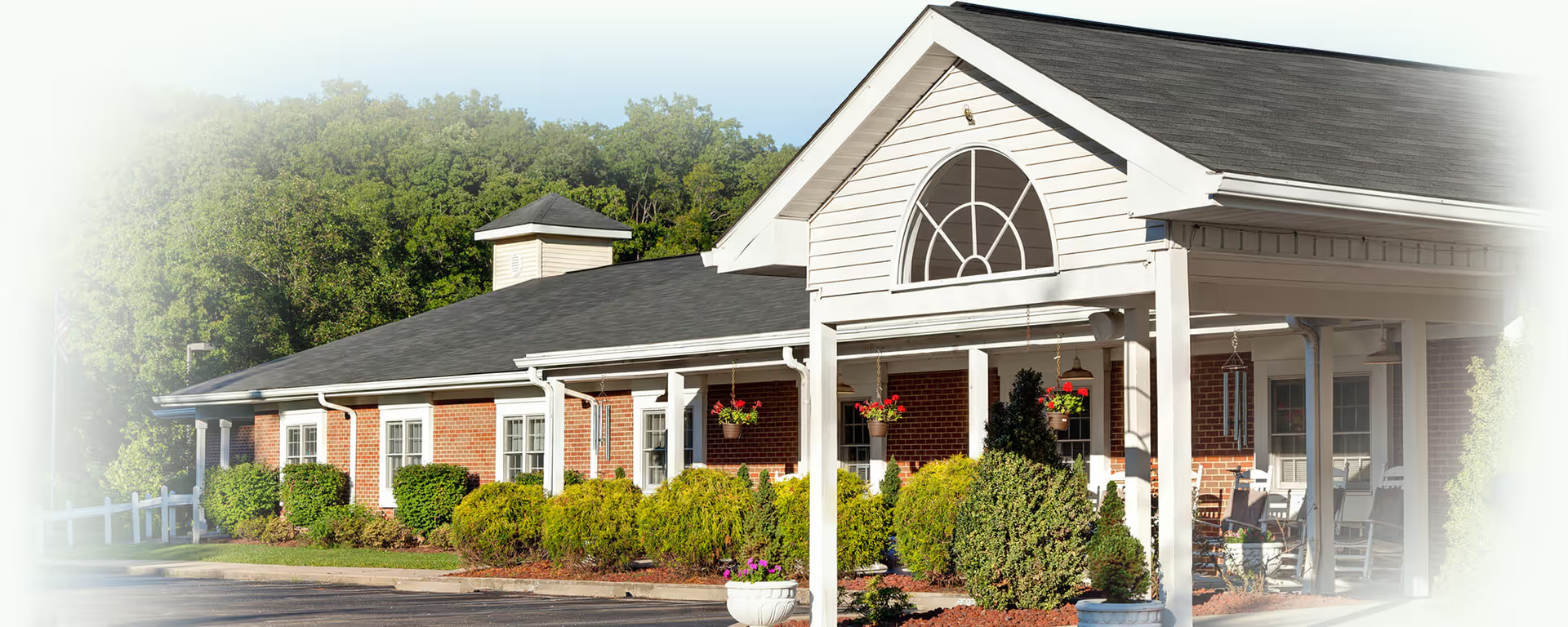
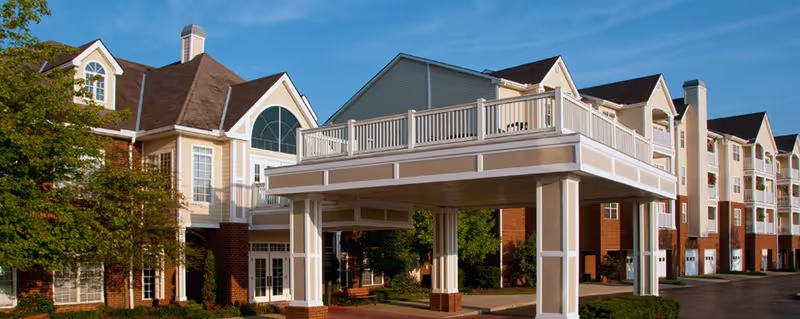
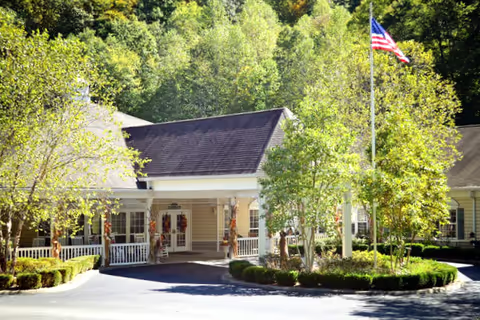
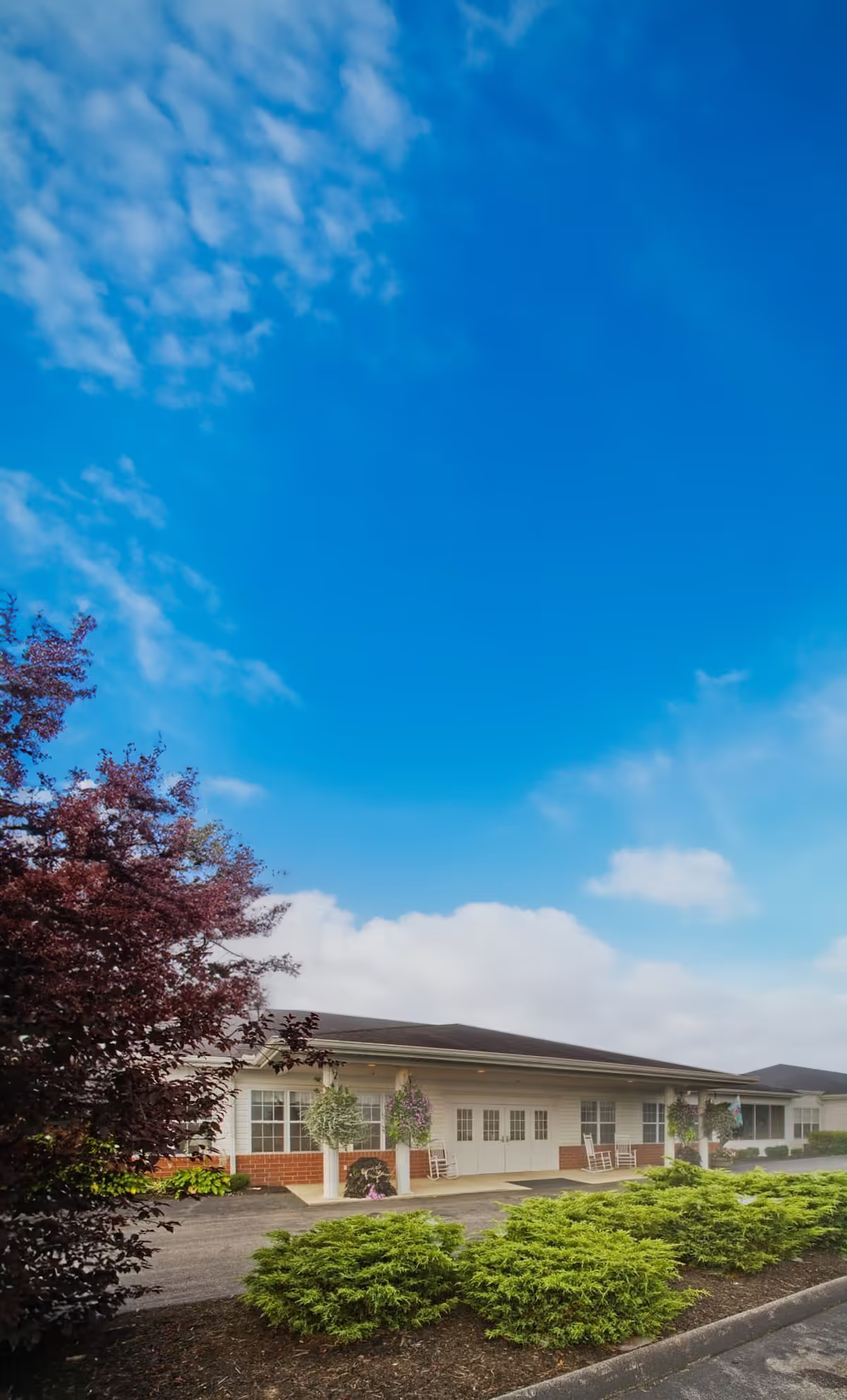
Facilities and environment: Many reviews highlight a clean, well-maintained facility and attractive outdoor spaces. However, a subset of accounts indicates sanitation and incontinence-care concerns in specific areas or instances, and a few reviewers described particular rooms or units as less inviting or depressing. Capacity and crowding were mentioned as factors that can affect the feel of the facility for some residents.
Management and communication: Families commonly praise responsive management and clear communication between nursing and administration. Conversely, there are noted gaps in incident response and family communication after significant events; a few reviewers described an unprofessional response to incidents and insufficient follow-up. Additionally, some reviews point to limitations in on-site physician availability or clinical oversight, suggesting potential areas for strengthening medical supervision.
Notable patterns and caveats: The overall pattern is strongly positive toward staff warmth, activities, and rehabilitation, but a minority of reviewers raised serious operational concerns—sanitation/incontinence-care practices, variable staff professionalism, supervision shortfalls that allowed residents to wander, and an adverse post-incident/legal matter referenced by reviewers. These concerns appear less frequent than the positive commentary but are significant in nature and warrant targeted inquiry during a tour or intake conversation.
Recommendation for prospective families: Consider Logan Center for its active programming, rehabilitation strengths, and the interpersonal quality of many staff members. When evaluating the facility in person, probe specifically about sanitation protocols and incontinence care, staffing levels and supervision patterns, physician coverage and clinical oversight, incident response procedures, and how management communicates with families after adverse events. These focused questions will help balance the generally favorable experiences against the operational weaknesses some reviewers described.