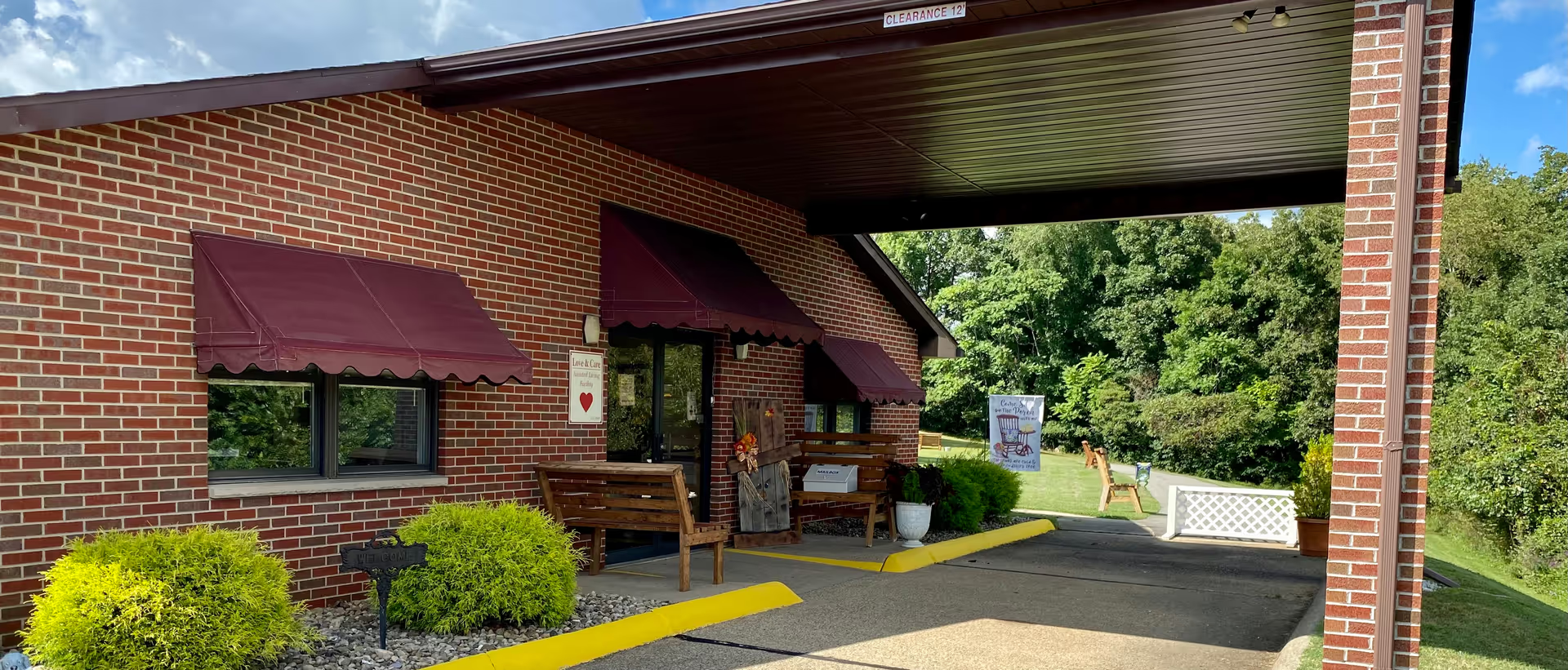
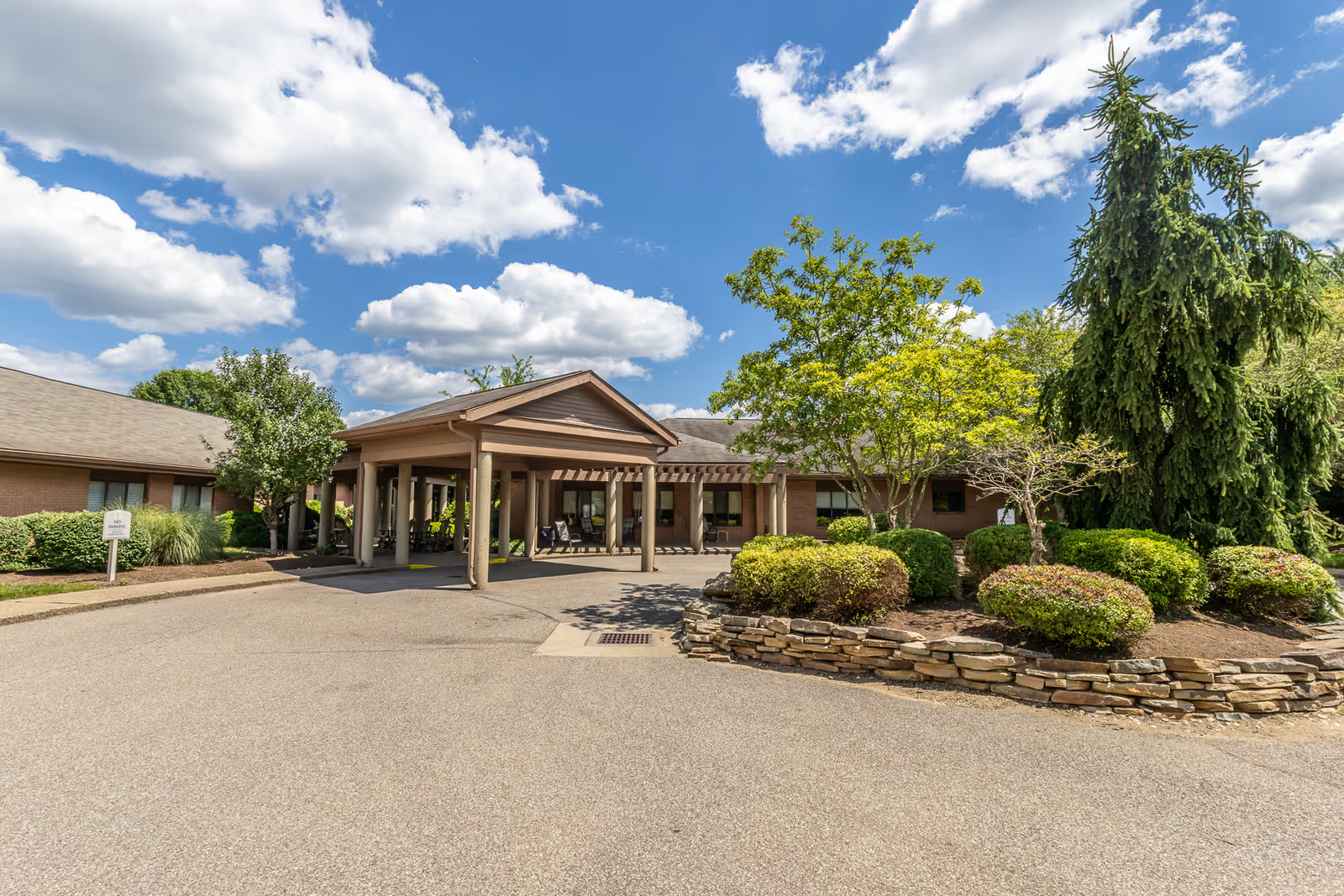
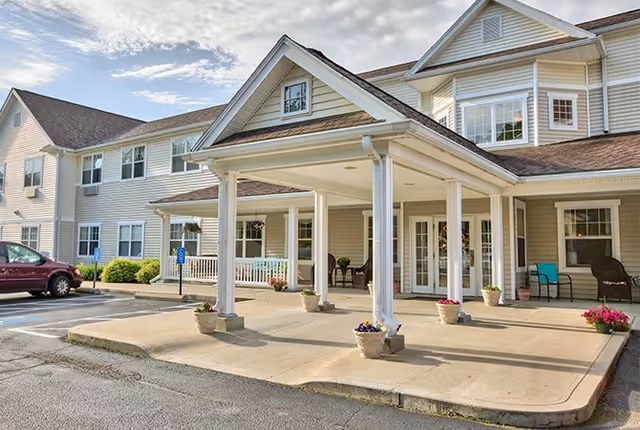
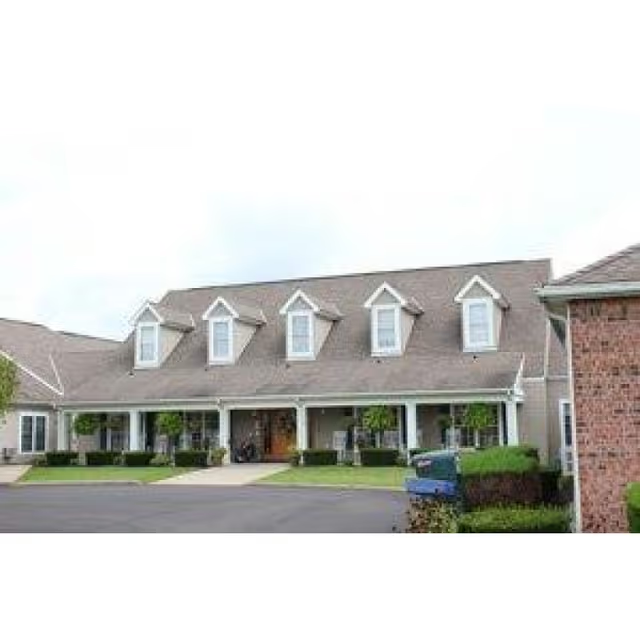
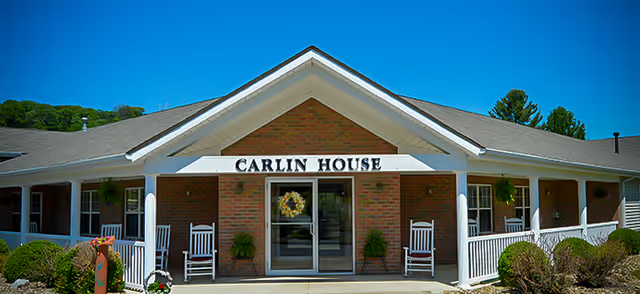
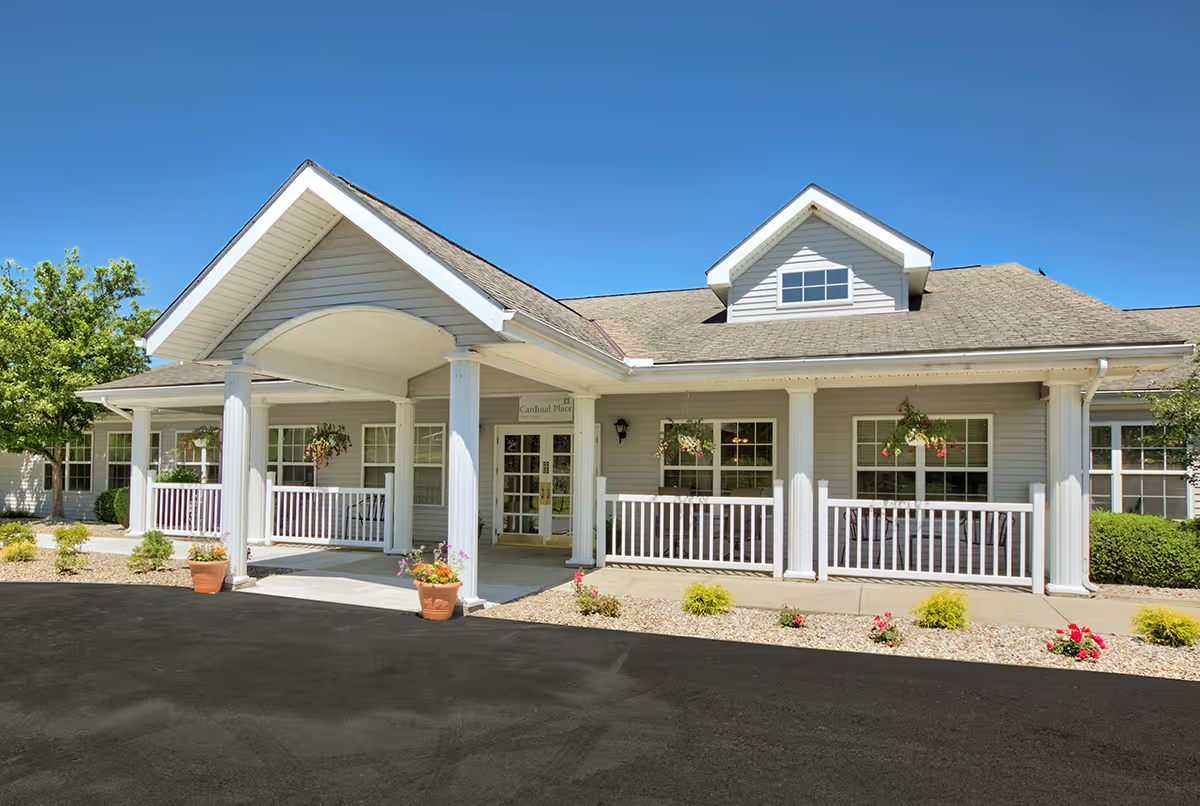
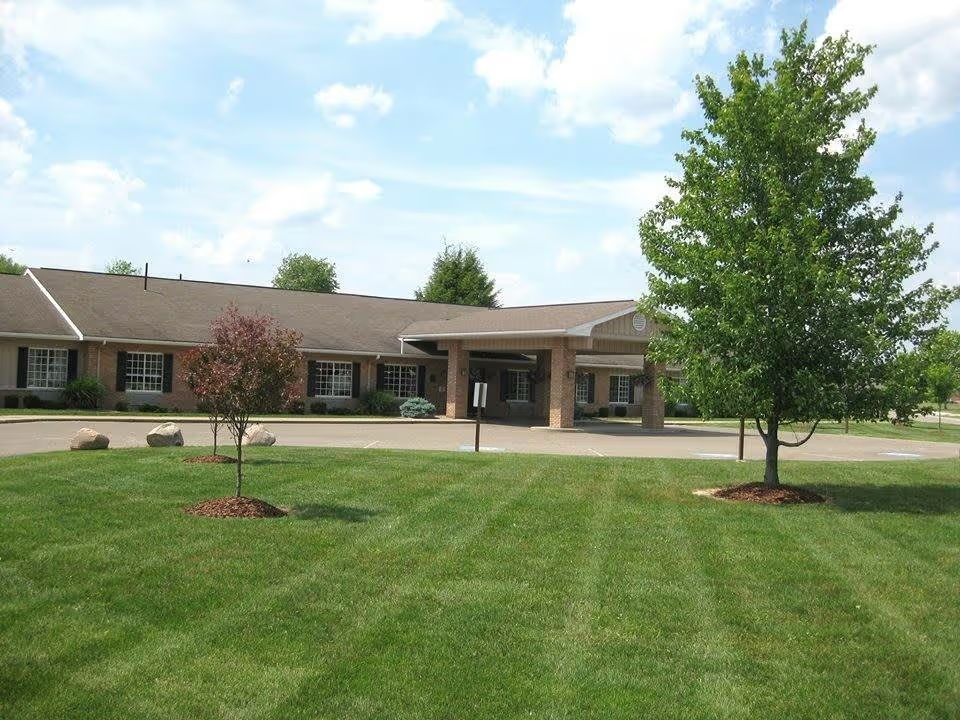
This facility elicits strongly mixed impressions. Many families and visitors praise the direct care teams, therapy staff, and certain leadership figures for compassionate, attentive care and active rehabilitation programs. Positive comments focus on daily PT/OT engagement, a hands-on nursing and CNA presence in some units, a welcoming cottage-style environment with robust family communication, and an engaged support staff (kitchen, laundry, maintenance) that contributes to a home-like atmosphere. Several reviewers also described clean rooms, generous room sizes, multiple dining rooms with pleasant views, and a broad activities calendar that includes community outings.
At the same time, there are recurring operational concerns that prospective residents and families should weigh. Medication-management inconsistencies, delays in medication administration, and communication lapses around medication orders and DNR guidance appear as significant themes. Related to this are gaps in discharge planning and difficulty obtaining or transmitting paperwork and medical records, which families identified as barriers during transitions of care.
Staffing and responsiveness are described unevenly across shifts and units. While some staff are characterized as caring and well informed, other accounts describe limited staffing on particular shifts, delayed responses to call buttons, and insufficient attention during nighttime hours. These patterns are linked in several accounts to missed or delayed personal care and to inconsistent rehabilitation follow-through for residents whose recovery depended on regular therapy and oversight.
Dining and amenities are similarly inconsistent. Multiple comments note excellent meals and attentive dining staff, whereas other observers described poor meal preparation and instances of inadequate food quality. Equipment and amenity maintenance issues were raised — examples include broken wheelchairs, in-room phone and TV access problems, and a lack of private-room options — and some reviewers identified a need for broader renovations despite generally clean common areas.
Administrative practices and facility policies also drew mixed feedback. Positive remarks referenced proactive clinical coverage with added nurse practitioner presence and visible leadership; negative remarks focused on perceived administrative inflexibility (difficulty faxing or emailing documents, restricted access to records), strict privacy enforcement (no-camera policies) that some families found burdensome, and occasional concerns about the tone of front-desk interactions. A small number of accounts described serious individual outcomes, including hospitalization and weight loss following a stay, which families cited as evidence of lapses in clinical oversight in isolated cases.
In summary, Eagle Pointe demonstrates important strengths in hands-on caregiving, therapy services, and communal programming, and some units exhibit strong leadership and family communication. However, persistent operational issues — especially around medication management, staffing consistency, administrative transparency, equipment maintenance, and variable meal quality — represent material concerns to address. Families considering this facility should tour multiple units, ask about staffing levels and medication administration protocols, review discharge and records-access procedures, and seek specifics on therapy schedules and maintenance plans to determine which areas of the facility align with their care expectations.