Reviews present a mixed but distinct pattern of strengths and operational weaknesses. Many families describe a caring, family-like culture among front-line staff, with examples of staff going beyond routine duties, strong social-services coordination, and successful short-stay rehabilitation outcomes. The facility is frequently praised for its therapy program — competent therapists, up-to-date equipment, and measurable mobility gains — as well as for hospice accommodations and individualized touches such as private rooms, allowance of personal items, and opportunities for family dining and visits.
At the same time, a consistent cluster of operational concerns appears across reviews. Staffing levels and shift coverage are described as uneven, which reviewers link to delays in responding to call lights, inconsistent bathing and toileting assistance, and lapses in routine care. Medication-management gaps and occasional medication mix-ups are noted alongside examples of missed or delayed medication administration; these items point to a need for clearer medication-administration protocols and oversight. Fall-prevention practices and monitoring also emerge as an area requiring attention, including the availability and use of monitoring devices and transfer-safety practices.
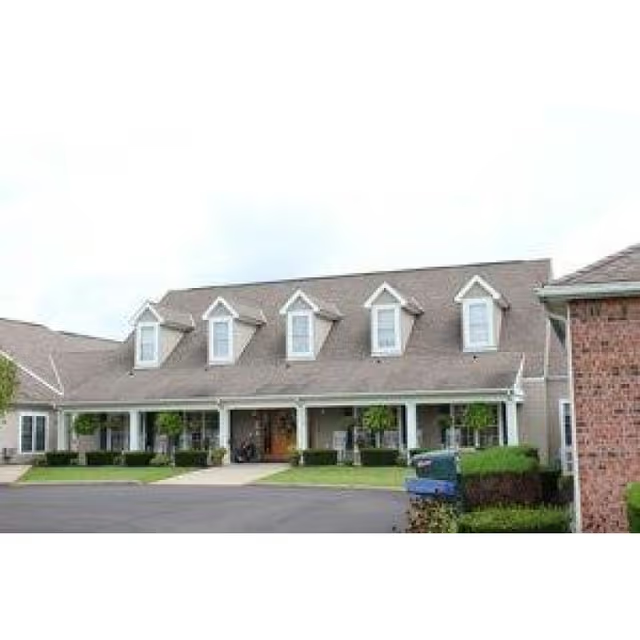
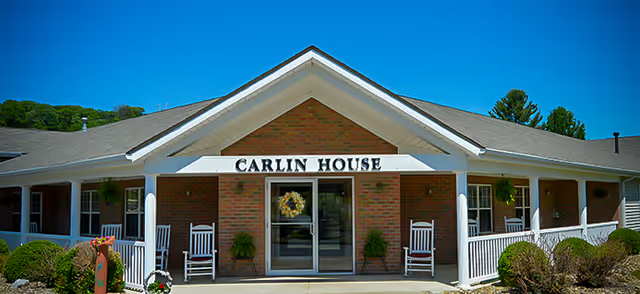
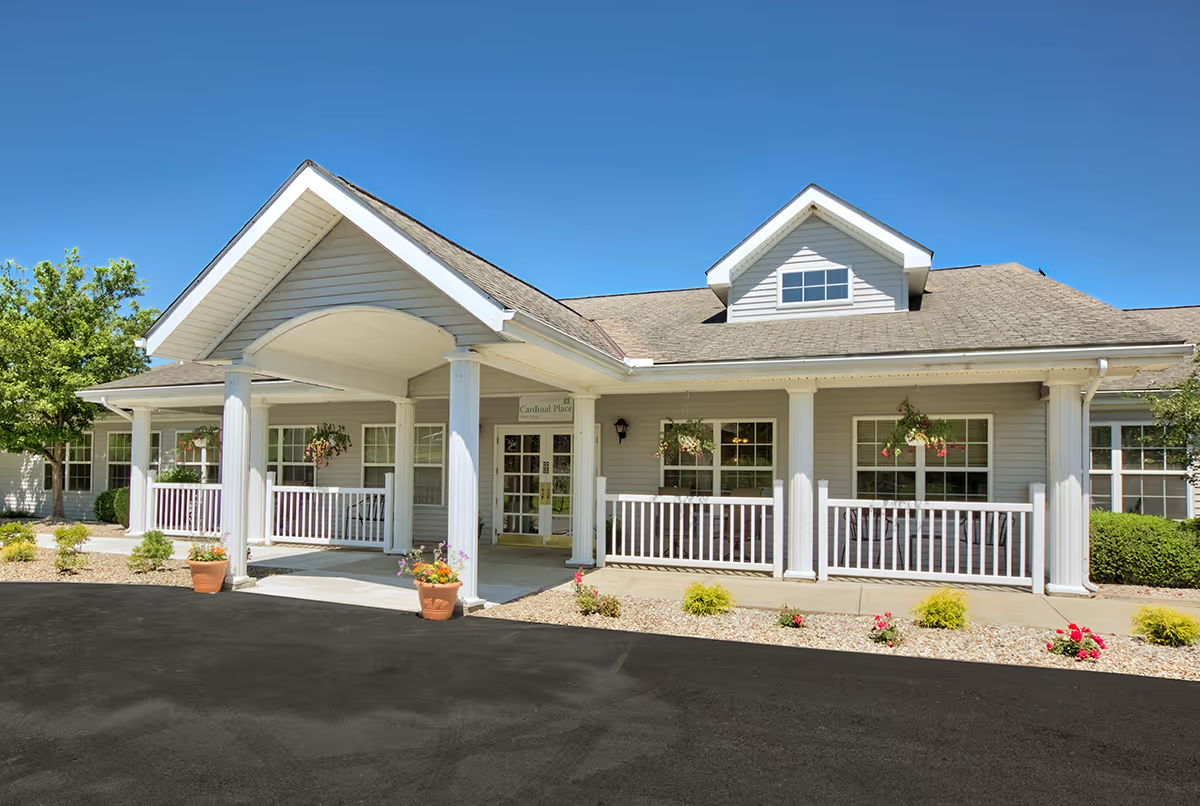
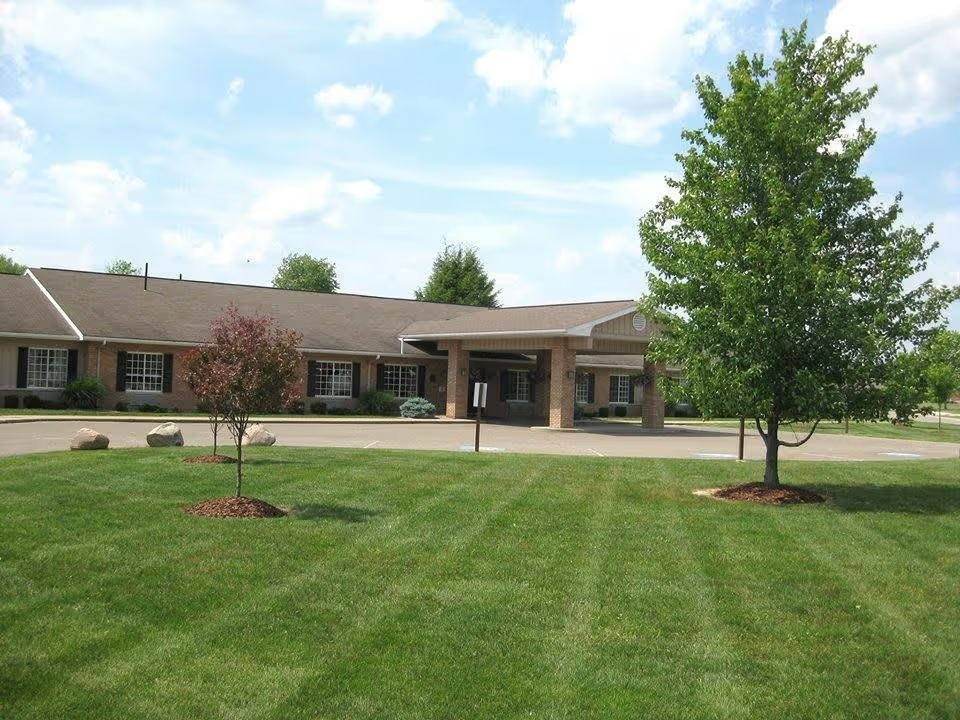
Dining and activities show a split picture. Several families praise wide food choices, individualized meals, weight gain where needed, and robust activity programming, including counseling and book resources. Others note meal delays and inconsistent food quality or service timing. The facility’s grounds, housekeeping, and maintenance receive positive comments from many families, but there are also sanitation and odor-control concerns reported in certain areas and at least one mention of pest-control issues in dining or common spaces.
Communication and management performance are similarly polarized. Many families commend responsive administrative staff, proactive COVID-era updates, and helpful social work support. Conversely, there are recurring concerns about staff communication tone, transparency with families, inconsistent clinical credentialing and oversight, and cases where escalation and emergency-response protocols appeared delayed or unclear. These patterns suggest variability in management oversight and unit-level accountability.
For prospective residents and families: the Willows Center appears capable of providing strong rehabilitation, compassionate hospice support, and a warm community environment when staffing and oversight are functioning well. However, variability in staffing, medication controls, fall prevention, sanitation, and responsiveness suggests the value of targeted questions during a tour: ask about current staffing ratios, medication-administration safeguards, fall-prevention devices and protocols, incontinence-care procedures, meal-service schedules, pest-control measures, and how management handles clinical incidents and family communication. Verifying recent inspection results and speaking with current family contacts can help determine whether the facility’s strengths are consistent with your care needs and safety expectations.