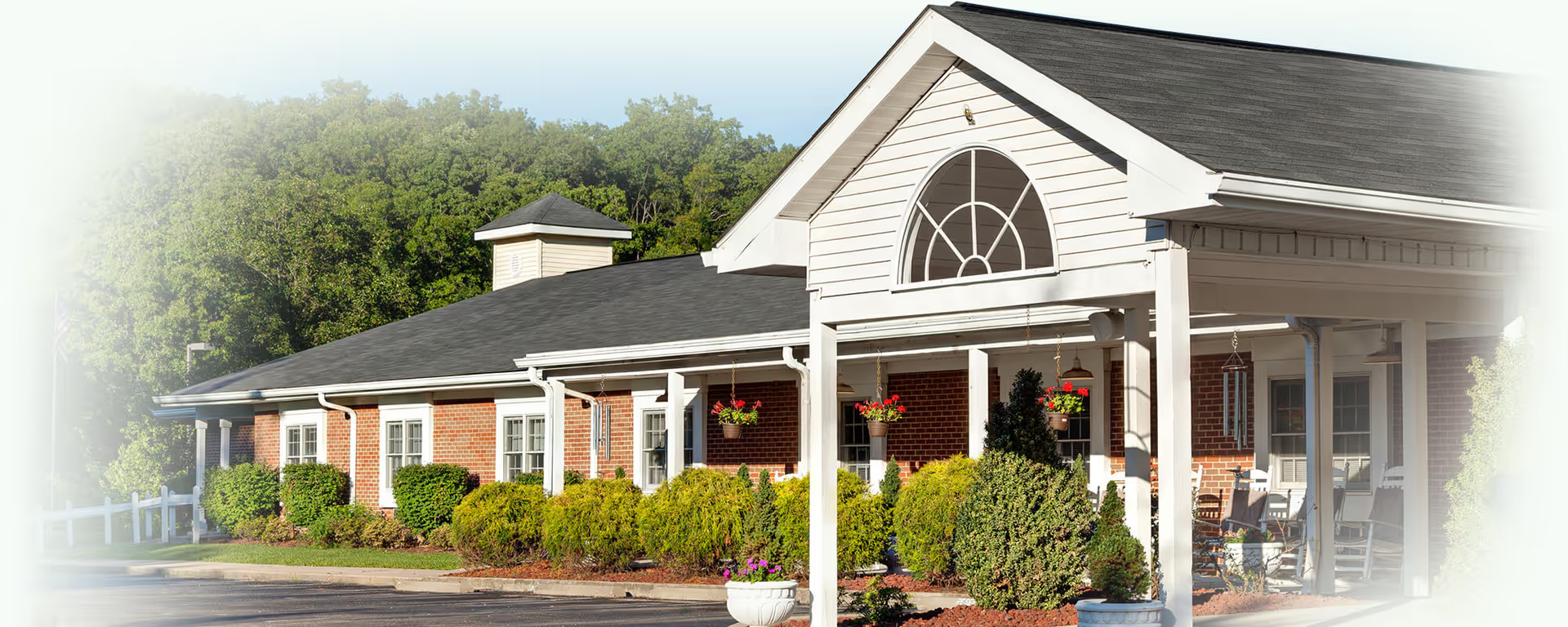
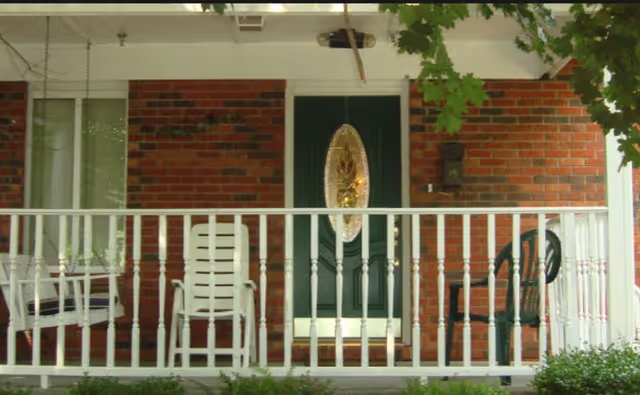
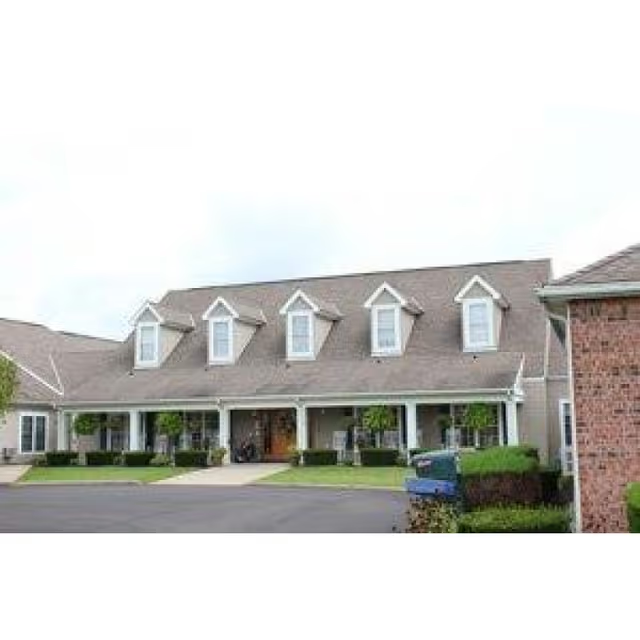
Reviewer feedback for Riverside Valley is strongly polarized: many families and residents praise frontline caregivers, therapy staff, and certain administrators, while other accounts raise operational and safety concerns that merit attention. The facility demonstrates clear strengths in day-to-day, person-facing care: numerous comments highlight compassionate CNAs, attentive licensed nurses, supportive social workers, and therapy teams who provide exercise programs and help arrange specialist or hospice services. Several reviewers also described a welcoming, home-like atmosphere in common areas, helpful business-office interactions, available in-room phones and televisions, and on-site grooming services that support resident dignity and social engagement.
Clinical care quality appears inconsistent across reported stays. Positive reports describe attentive nursing, prompt coordination with external clinicians, and emotional support for families. Conversely, other accounts describe delays in responding to call lights, gaps in wound dressing and skin-integrity practices, and occurrences suggesting weaknesses in fall-prevention and safe-transfer procedures. These patterns point to variable RN supervision and uneven adherence to clinical protocols; prospective families should ask about current staffing ratios, supervision structures, and wound-care procedures when evaluating the facility.
Rehabilitation and therapy services are present and occasionally praised for hands-on work with OT/PT, but reviewers differ on effectiveness. Some families credited therapy staff with tangible progress, while others felt therapy was nonproductive or not goal-oriented. Discharge planning and care-transition coordination receive mixed feedback: some report helpful post-discharge outreach, whereas others describe poor planning, last-minute room changes, and limited guidance about discharge options or follow-up services.
Operational and safety issues recur in several narratives. Sanitation and infection-control lapses and concerns about glove and equipment handling were reported; these raise questions about consistent adherence to infection-prevention standards. Rooming practices and privacy management are also noted as problematic in some cases—overcrowded rooms, forced roommate assignments, and situations where roommate behaviors (for example, significant cognitive impairment) affected a resident’s comfort and safety. Equipment maintenance and environmental issues were mentioned sporadically (for example, mattress or equipment defects), suggesting the need for ongoing environmental audits.
Management and communication elicit mixed impressions. Specific administrators and staff members were singled out positively for responsiveness and compassion, and the business office received praise for assistance. At the same time, several reviewers describe ignored complaints, inconsistent customer service, and occasions when leadership was perceived as absent or unresponsive. There are also isolated but serious allegations regarding staff conduct, including suspected substance misuse; these should be treated as high-priority items for any family considering placement and discussed directly with facility leadership and regulators if warranted.
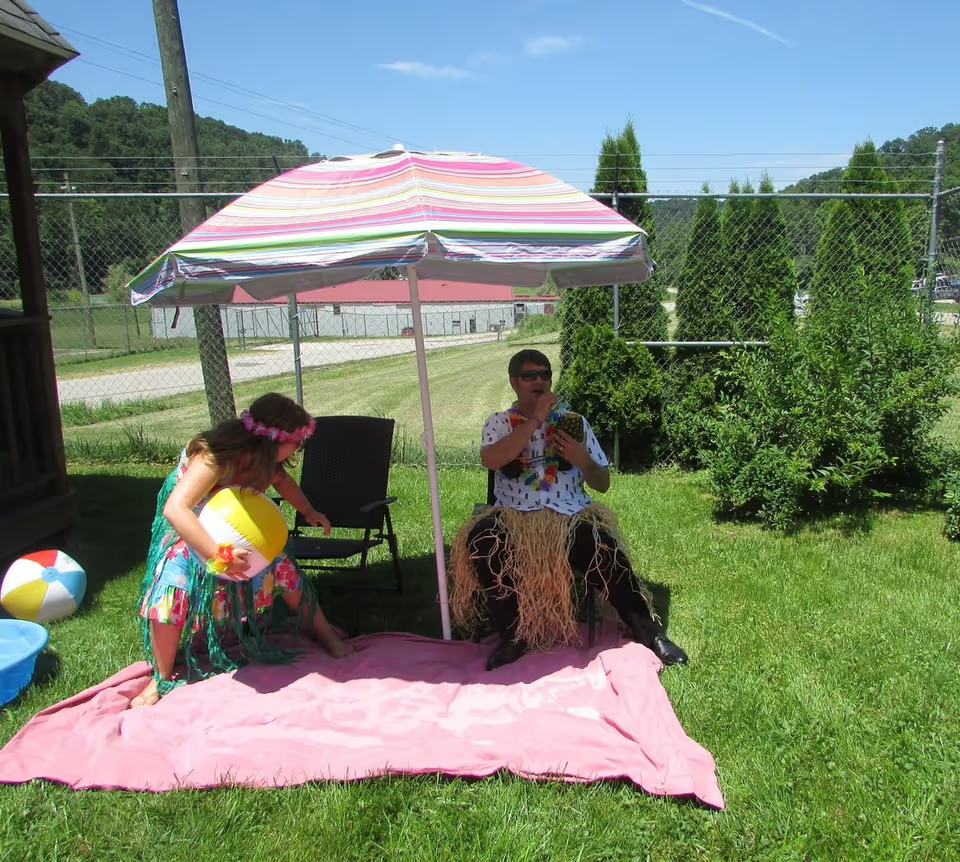
Dining and activities are described variably: some residents enjoyed socialization and made friends, while others criticized food quality and meal service timeliness. Activity offerings (social interactions, hairdressing) exist and are appreciated by many, but program consistency may vary by unit or staff availability.
Overall, Riverside Valley offers tangible strengths in personal caregiving, therapy availability, and certain administrative supports; however, reviewers describe operational inconsistencies that affect safety, infection control, discharge planning, and privacy. Families touring the facility should observe clinical areas and resident rooms, ask for details about RN staffing and supervision, request documentation of infection-control and wound-care protocols, inquire about roommate assignment policies, and seek examples of recent outcome data (falls, pressure injuries, readmissions, and complaint resolution) to better understand current performance and fit for their loved one.