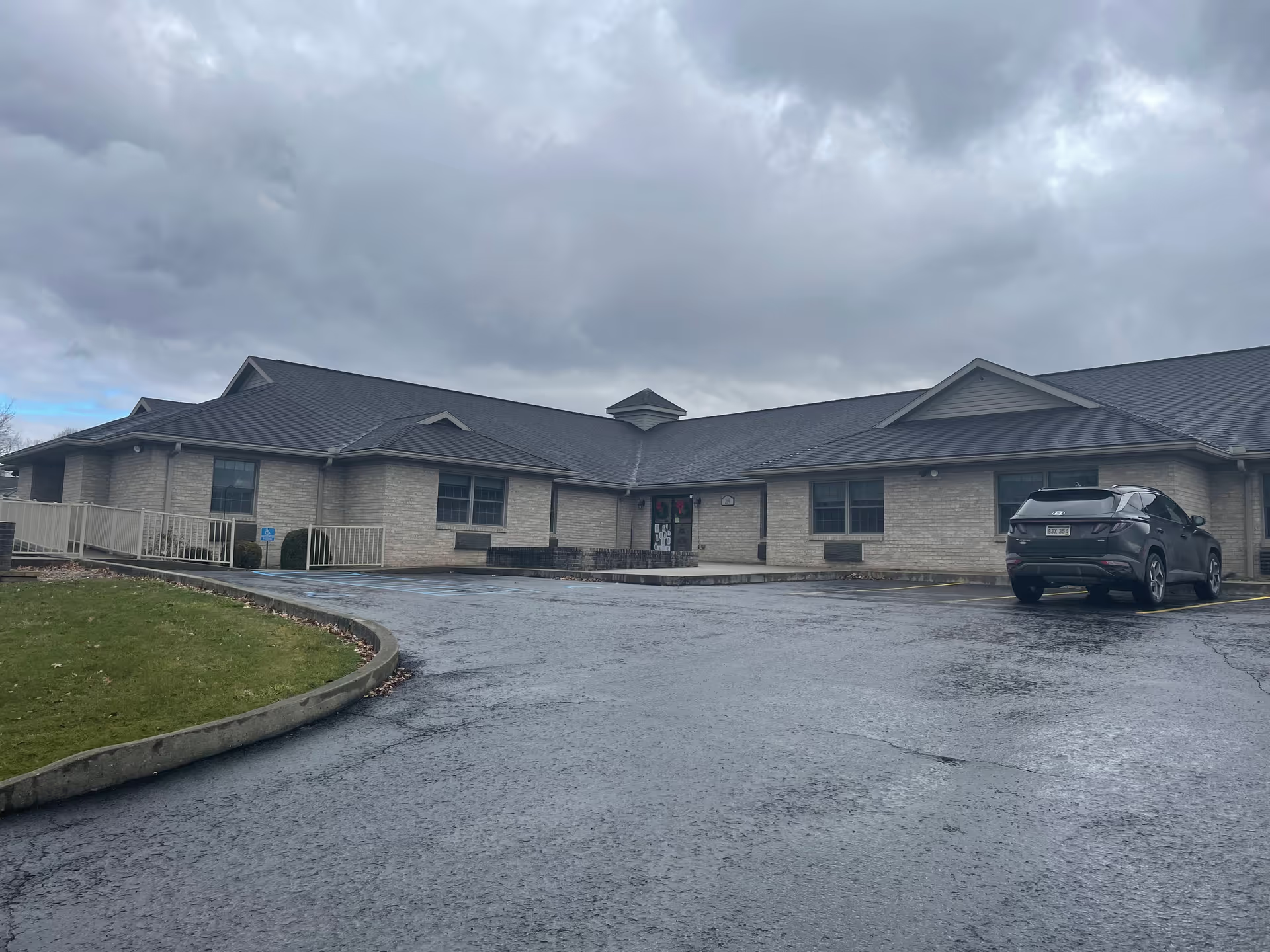
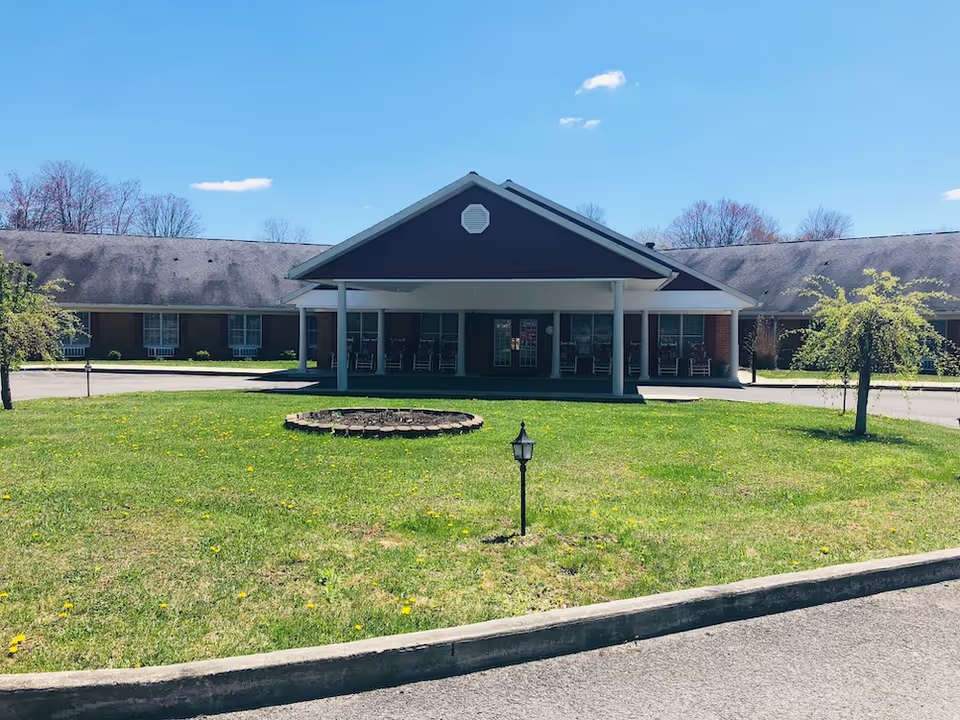
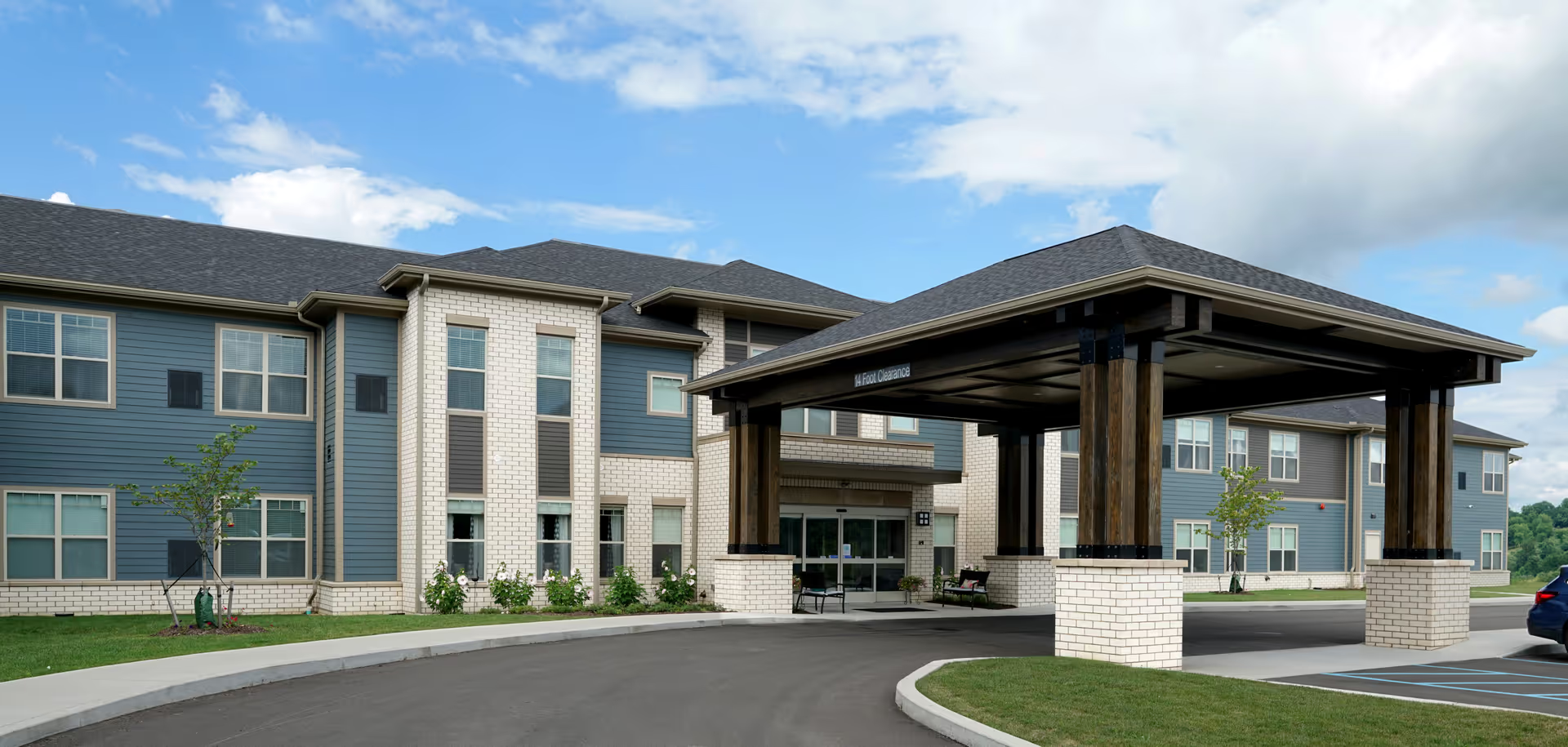
The reviews present a mixed but instructive portrait of Braxton Healthcare Center. Strengths center on direct caregiving: reviewers consistently describe a staff that is caring, respectful and engaged. Families and residents note attentive nurse interactions, prompt responses to call buttons, staff who spend extra time with residents, and a generally clean and well-maintained environment. Activities are described as inclusive and engaging, and individual caregivers are frequently singled out for attentive follow-up and compassion.
Staff behavior and day-to-day care are the facility's clearest assets. Multiple comments emphasize dignity, kindness and a hardworking culture among nurses and support personnel. Cleanliness and visible staff–resident interaction were repeatedly noted, and several remarks highlight strong meal presentation and occasions of exceptional food service. These positive patterns indicate that on-shift caregivers often provide person-centered attention and maintain a sanitary common environment.
At the same time, there are operational and management concerns that recur. Infrastructure and amenity limitations were raised—particularly the lack of in-room phones and televisions and an ineffective phone base at the nurses' station—creating communication and convenience gaps for residents and families. Dining impressions are mixed: while some reviews praise meal quality, others raise questions about food handling and meat preparation, suggesting inconsistent dining-procedure adherence and intermittent food-safety issues.
Clinical oversight and family communication also emerge as areas needing attention. Some reviewers described gaps in communication with families during serious clinical events and concerns following a resident's death, indicating a need for clearer protocols for informing families and explaining clinical events. In addition, perceptions of cost-containment by ownership were linked to amenity and operational shortfalls, which may erode trust if not addressed.
Recommendations for prospective families and facility leadership follow from these patterns. Families should assess in-room communication/entertainment needs and ask about food-safety procedures and clinical incident communication protocols. For leadership, priorities would reasonably include strengthening family–staff communication processes, formalizing clinical oversight and quality-assurance checks, addressing the in-room communication infrastructure, and reviewing dining and food-handling practices to ensure consistency. Overall, the facility shows notable strengths in bedside care and staff compassion, alongside operational and management areas that would benefit from focused improvement.